Sleep-Inducing Foods: What to Eat for Better Rest
Quality sleep is vital for physical health, mental wellbeing, and daily performance. If you struggle with falling or staying asleep, your evening diet might offer a natural solution. Certain foods — thanks to their unique combination of nutrients, antioxidants, and natural compounds — are scientifically associated with improved sleep quality, easier relaxation, and healthy sleep cycles. This comprehensive guide explores the top sleep-inducing foods, unpacks the science behind their effects, and shares practical tips for incorporating them into your nightly routine.
Why Do Foods Affect Sleep?
Eating specific foods can influence sleep by supplying the body with compounds like tryptophan, melatonin, magnesium, or natural antioxidants. These substances help regulate circadian rhythms, boost production of sleep-supporting hormones, promote relaxation, and reduce inflammation. Recognizing which foods provide these nutrients is the first step to harnessing a food-focused sleep strategy.
The Best Foods and Drinks to Promote Sleep
- Almonds
- Turkey
- Chamomile Tea
- Kiwi
- Tart Cherries & Tart Cherry Juice
- Walnuts
- Fatty Fish
- Milk and Dairy Products
- Eggs
- Pumpkin Seeds
- Oats
- Spinach
- Bananas
- Passionflower Tea
- White Rice
Almonds
Almonds are a nutritional powerhouse, providing magnesium, calcium, and healthy fats. Magnesium in particular may improve sleep quality by reducing inflammation and lowering levels of the stress hormone cortisol. Additionally, almonds contain melatonin — the hormone that signals your body it’s time to sleep. Snacking on a small handful of unsalted almonds an hour or two before bed can help you relax and prepare for restful slumber.
- Rich in magnesium and melatonin
- May reduce night-time awakenings
- Support heart and metabolic health
Turkey
The traditional Thanksgiving sleepiness is no myth. Turkey is a significant source of the amino acid tryptophan, needed for the body to produce both serotonin (important for mood regulation) and melatonin (critical for sleep). High protein content also promotes satiety and a gentle drowsiness, making turkey a good dinner protein choice before bedtime.
- Contains tryptophan for melatonin synthesis
- Promotes sleepiness and reduces nighttime waking
Chamomile Tea
Chamomile tea has been used for centuries as a calming herbal remedy. Its flavonoid antioxidant, apigenin, binds to receptors in the brain to decrease anxiety and encourage sleepiness. Multiple studies report that regular consumption of chamomile tea supports both sleep quality and duration, particularly in older adults and those with mild sleep disturbances.
- Includes apigenin for natural sedation
- Reduces mild insomnia symptoms
- Supports overall relaxation
Kiwi
Kiwi is a low-calorie, nutrient-packed fruit. Beyond its vitamin C and fiber, kiwi is associated with faster sleep onset and greater total sleep duration. Its sleep-promoting effects may stem from naturally occurring antioxidants and serotonin — a neurotransmitter involved in sleep regulation. Some studies suggest that eating 1-2 kiwis an hour before bedtime may help improve sleep in adults with sleep disorders.
- Contains natural serotonin
- Provides fiber, vitamin C, and antioxidants
- Linked to longer, less disturbed sleep
Tart Cherries & Tart Cherry Juice
Tart cherries and their juice are among the rare natural food sources of melatonin. Research indicates that consuming tart cherry juice twice daily may increase the body’s melatonin levels and help with insomnia and overall sleep quality, thanks to both their direct melatonin content and anti-inflammatory compounds.
- Packed with melatonin and phytonutrients
- May ease insomnia and lengthen sleep
- Supports recovery for athletes and active adults
Walnuts
Walnuts combine healthy fats, melatonin, and tryptophan. Their unique fatty acid profile, especially alpha-linolenic acid (a plant Omega-3), may also support brain health and reduce inflammation conducive to sleep. Enjoying a small serving at night may help stabilize sleep patterns and support overall wellness.
- Rich in plant Omega-3s, melatonin, and tryptophan
- Supports sleep cycle regulation
Fatty Fish
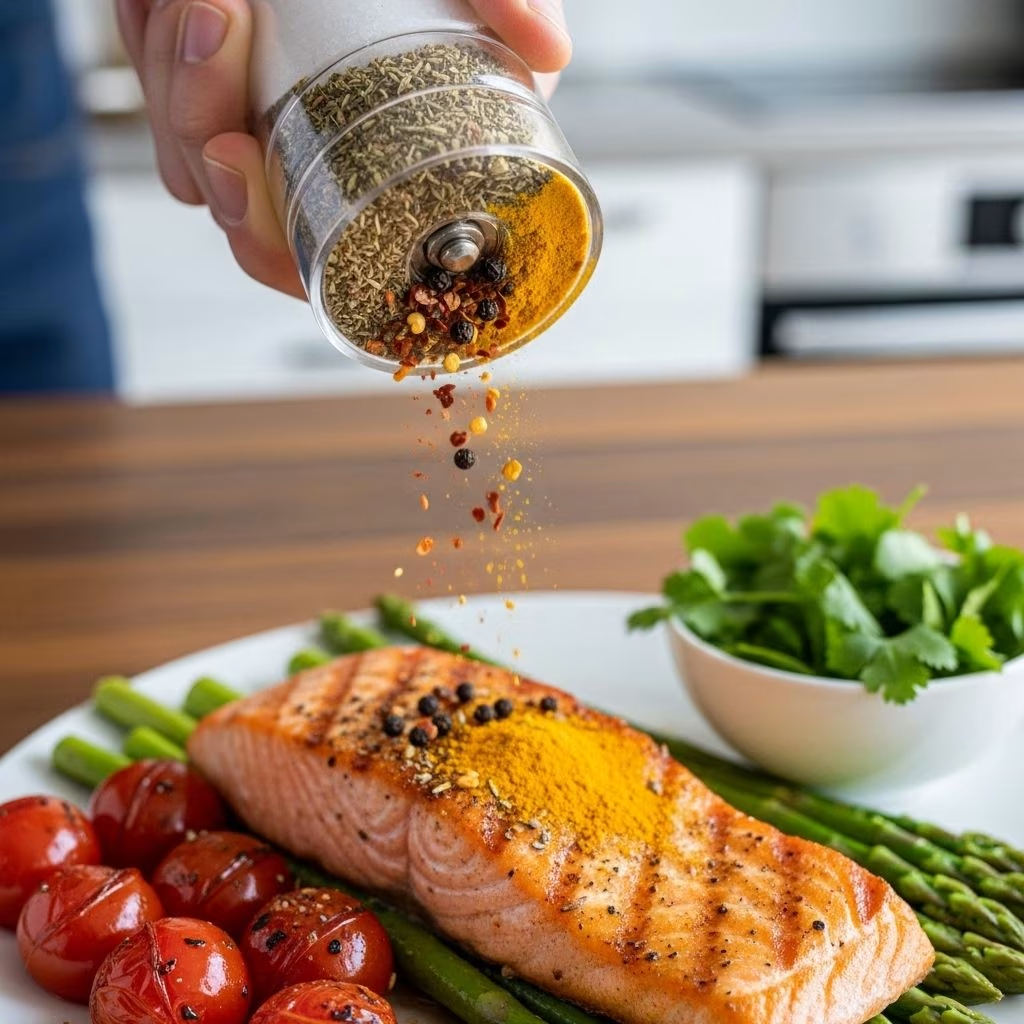
Fatty fish such as salmon, trout, mackerel, and sardines provide vitamin D and Omega-3 fatty acids, both important for serotonin production and sleep quality. Research suggests that people eating fish regularly experience improved sleep and better daytime alertness.
- Source of vitamin D and Omega-3s
- Promotes serotonin pathways and deep sleep
Milk and Dairy Products
Warm milk before bed is more than just a childhood tradition. Both milk and dairy foods are good sources of tryptophan and may also contain melatonin. There is evidence that ‘night milk’ — milk from cows milked in the dark — offers higher melatonin levels, though all dairy products can help. Greek yogurt and cheese are other protein-rich options that can increase serotonin and melatonin synthesis.
- Contains tryptophan and melatonin
- May ease mild insomnia in adults and children
Eggs
Eggs are another nutritious animal-based option for supporting sleep. They are naturally rich in melatonin and provide high-quality protein, B vitamins, and vitamin D, all of which play supporting roles in sleep cycles and neurotransmitter production.
- High in melatonin among animal products
- Contributes essential nutrients for overall health
Pumpkin Seeds
Pumpkin seeds (pepitas) are especially high in magnesium and also provide plant-based tryptophan, Omega-3s, and zinc. These combined nutrients support melatonin production and help steady the nervous system, prepping your body for sleep.
- Excellent source of magnesium
- Contributes to calm nerves and natural drowsiness
Oats
Oats are a whole grain rich in magnesium and tryptophan, plus complex carbohydrates that support serotonin and the calming neurotransmitter GABA. Eating a small bowl of oatmeal in the evening can promote gentle sleepiness, especially when topped with nuts or banana slices.
- Packed with complex carbs, magnesium, and tryptophan
- Encourage the production of serotonin and GABA
Spinach
Leafy greens such as spinach provide magnesium and tryptophan along with B vitamins and calcium, all supporting healthy rest. Their abundance of micronutrients can improve sleep quality by optimizing muscle and nerve function.
- Delivers magnesium and tryptophan
- Contains plant-based micronutrients for nervous system health
Bananas
Bananas are naturally rich in magnesium and potassium, minerals linked to muscle relaxation and stress reduction. Bananas also contain tryptophan and vitamin B6, which help the body create serotonin and melatonin. A small banana with nut butter before bed can be a soothing option.
- Source of magnesium, potassium, and tryptophan
- Promotes relaxation and natural tiredness
Passionflower Tea
Passionflower tea is an herbal infusion celebrated for its mild sedative properties. It increases the production of gamma-aminobutyric acid (GABA), which helps lower brain activity and encourage relaxation. Regularly drinking a cup before bed can support more restful, uninterrupted sleep—especially for those dealing with mild anxiety.
- Supportive of GABA production
- Eases tension and mental restlessness
White Rice
White rice has a high glycemic index, leading to a gentle spike and decrease in blood sugar levels that may subtly induce sleepiness. Cultures that commonly consume rice in the evening often report faster sleep onset and longer duration of deep sleep. For best results, pair with veggies or proteins for balanced nutrition.
- High in complex carbohydrates
- May reduce time to fall asleep when eaten a few hours before bedtime
How Do Sleep-Inducing Foods Work? The Science Explained
| Food/Nutrient | Main Sleep-Active Compound(s) | Primary Effect |
|---|---|---|
| Almonds, Walnuts, Pistachios | Melatonin, Magnesium | Circadian rhythm regulation, muscle relaxation |
| Turkey, Dairy, Eggs | Tryptophan, Melatonin | Serotonin/melatonin production, natural drowsiness |
| Kiwi, Bananas | Serotonin, Vitamin C, Magnesium | Sleep regulation, antioxidant action |
| Oats, Pumpkin Seeds | Magnesium, Complex Carbs | Increased GABA/serotonin, relaxation |
| Tart Cherries | Melatonin, Antioxidants | Longer and deeper sleep cycles |
| Chamomile, Passionflower | Flavonoids (apigenin), GABA | Anxiety reduction, calm mind |
| Fatty Fish | Omega-3s, Vitamin D | Hormone regulation, serotonin synthesis |
Best Practices and Tips for Better Sleep with Food
- Consistency is key: Eat meals at the same time daily to support your body clock.
- Avoid heavy meals: Large, fatty, or spicy meals close to bedtime can disrupt sleep.
- Limit caffeine and alcohol: Both suppress REM sleep and hinder restful slumber.
- Focus on light snacks: If eating before bed, opt for small servings of sleep-promoting foods.
- Pair smartly: Combine complex carbohydrates (like oats or rice) with tryptophan-rich foods (like dairy or nuts) for enhanced absorption and effect.
Frequently Asked Questions (FAQs)
What should I avoid eating before bed?
High-fat, spicy, or overly processed foods, as well as caffeine and excessive sugar, may disrupt digestion or overstimulate the nervous system, interfering with sleep quality.
How soon before bed should I eat?
Try to eat main meals at least 2-3 hours before bedtime, or limit late-night eating to small snacks from the sleep-promoting foods listed above.
Can supplements replace these foods?
While supplements like melatonin or magnesium can aid sleep for some, whole foods offer additional nutrients, fiber, and antioxidants. Always consult a healthcare provider before starting new supplements.
Is warm milk really effective?
Yes, due to both psychological comfort and physiological content (tryptophan and melatonin), warm milk can help many people relax and fall asleep more easily.
Does everyone benefit equally from these foods?
Individual responses vary. While many benefit from incorporating these foods, others may see little effect or may have allergies or intolerances. If sleep issues persist, seek medical guidance.
Summary Table: Top Sleep-Inducing Foods & Their Key Nutrients
| Food | Key Nutrient(s) | Recommended Form |
|---|---|---|
| Almonds | Magnesium, Melatonin | Raw, unsalted snack |
| Turkey | Tryptophan, Protein | Lean, roasted or grilled |
| Chamomile | Apigenin | Herbal tea |
| Kiwi | Serotonin, Vitamin C | Fresh, whole fruit |
| Tart Cherries | Melatonin | Juice or whole fruit |
| Walnuts | Omega-3, Melatonin | Raw, small portion |
| Eggs | Protein, Melatonin | Boiled, poached |
| Milk | Tryptophan, Melatonin | Warm at bedtime |
| Pumpkin Seeds | Magnesium, Tryptophan | Raw or lightly roasted |
| Oats | Complex carbs, Magnesium | Oatmeal |
| Spinach | Magnesium, Tryptophan | Steamed or raw |
| Banana | Magnesium, Potassium | Fresh, sliced |
| Passionflower | GABA booster | Herbal tea |
| White Rice | Complex carbs | Steamed, served warm |
Eat Better, Sleep Better: Create Your Own Sleep-Friendly Meal Plan
Improving sleep through nutrition doesn’t require a radical diet overhaul. Start by adding one or two of these foods to your evening routine and enjoy lighter, nourishing dinners. Experiment to see what works best for your body, and complement your dietary choices with good sleep hygiene for the best results. Sweet dreams!
References
- https://www.healthline.com/nutrition/9-foods-to-help-you-sleep
- https://www.sleepfoundation.org/nutrition/food-and-drink-promote-good-nights-sleep
- https://www.consumerreports.org/health/nutrition-healthy-eating/foods-to-eat-for-better-sleep-a7781483547/
- https://pmc.ncbi.nlm.nih.gov/articles/PMC4440346/
- https://www.goodhousekeeping.com/uk/product-reviews/health-leisure/a65031236/sleep-survey-results/
- https://www.webmd.com/sleep-disorders/ss/slideshow-sleep-foods