Want to build tighter, stronger abs, support your back, and improve posture? A solid ab workout isn’t just about achieving a six-pack—it’s about harnessing core strength for every aspect of movement, injury prevention, and confidence. We’ve curated a comprehensive list of trainer-tested, effective ab exercises tailored for women of all fitness levels. Each move comes with clear instructions, expert tips, and suggestions for scaling up intensity. All you need is a yoga mat—no gym membership required.
Why Core Strength Matters
Strong abs are the foundation for virtually every movement, from lifting groceries to powerlifting at the gym. Working your core not only improves athletic performance, posture, and balance but also helps prevent lower back pain and injuries. The best ab workouts target all major muscle groups: the rectus abdominis (front of the abdomen), obliques (sides), transverse abdominis (deep core), and even the lower back and glutes. Incorporating a mix of dynamic and static exercises, as shown below, ensures full core engagement.
How to Structure Your Ab Workout
- Frequency: Aim for 2-3 ab sessions per week, allowing for recovery between sessions.
- Reps & Sets: Beginners can start with 10-12 reps per move (or 30 seconds for static holds); advanced users may increase reps or add resistance.
- Form First: Prioritize proper form over quantity to avoid any risk of injury and get the most out of each exercise.
- Progression: When moves feel easy, make them more challenging with longer holds, added weights, or advanced variations.
What You’ll Need
- Yoga/Exercise mat
- Dumbbell/Kettlebell (optional, for added resistance)
- Resistance band or mini band (optional)
- Swiss ball (optional, for stability exercises)
Best Ab Exercises for Women
| Exercise | Type | Primary Muscles Targeted | Equipment |
|---|---|---|---|
| Glute Bridge | Dynamic | Glutes, Lower Abs, Back | Bodyweight |
| Leg Lowers | Dynamic | Lower Abs, Hip Flexors | Bodyweight |
| Scissor Kicks | Dynamic | Lower Abs, Obliques | Bodyweight |
| Reverse Crunch | Dynamic | Lower Abs | Bodyweight |
| Dead Bug | Dynamic | Transverse Abdominis, Obliques | Bodyweight |
| Plank Variations | Static | Core, Shoulders, Glutes | Bodyweight | Swiss Ball (optional) |
| Russian Twist | Dynamic | Obliques | Dumbbell (optional) |
| Bicycle Crunch | Dynamic | Obliques, Rectus Abdominis | Bodyweight |
| Mountain Climbers | Dynamic/Cardio | Full Core | Bodyweight |
| Side Plank | Static | Obliques, Transverse Abdominis | Bodyweight |
| Toe Touches | Dynamic | Upper Abs | Bodyweight |
| Standing Side Crunch | Dynamic | Obliques | Bodyweight |
| Jackknife Sit-Up | Dynamic | Low Abs, Upper Abs | Bodyweight |
| Flutter Kicks | Dynamic | Lower Abs | Bodyweight |
| Leg Raise Pulses | Dynamic | Lower Abs | Bodyweight |
| Plank with Feet on Swiss Ball | Dynamic/Static | Core, Shoulders | Swiss Ball |
| Bird-Dog | Dynamic | Core, Back | Bodyweight |
| Alternating Leg Drops | Dynamic | Lower Abs, Hip Flexors | Bodyweight |
| Oblique Crunch | Dynamic | Obliques | Bodyweight |
| Plank Up-Downs | Dynamic | Core, Shoulders | Bodyweight |
Step-by-Step Ab Exercises With Instructions
1. Glute Bridge
Targets: Glutes, lower abs, lower back
- Lie on your back, knees bent, feet flat and hip-width apart. Arms flat by your sides.
- Heels should be close enough to touch with your fingertips.
- Squeeze your glutes and engage your abs as you lift hips upward, forming a straight line from shoulders to knees.
- Hold briefly, then lower hips back down with control.
- Pro tip: For a challenge, alternately march your feet at the top position.
2. Leg Lowers
Targets: Lower abs, hip flexors
- Lie flat; arms at your sides. Lift both legs to 90 degrees.
- Slowly lower one leg until it hovers just above the ground. Hold, return to start, switch legs.
- Keep lower back pressed into the mat to avoid strain.
3. Scissor Kicks / Flutter Kicks
Targets: Lower abs, core stabilization
- On your back, arms at your sides, lift both legs to a 45-degree angle.
- With abs tight and back pressed down, kick legs up and down in a scissoring motion or in a flutter motion (small, rapid alternations).
- Tuck your chin gently to protect your neck.
4. Reverse Crunch
Targets: Entire core, deep lower abs
- Lie flat, legs lifted straight up. Arms by your sides or hands under your hips for support.
- Brace your core and lift hips a few inches up off the mat. Lower with control.
5. Dead Bug
Targets: Transverse abdominis, obliques, coordination
- Lie on your back, arms straight up and knees bent in tabletop position.
- Slowly extend right leg and left arm toward the floor. Keep abs engaged, then return—repeat on opposite side.
6. Russian Twist
Targets: Obliques, rotational strength
- Sit on the floor with knees bent, leaning back slightly. Hold a dumbbell with both hands (optional).
- Twist torso to the right, tapping the dumbbell beside your hip, then to the left.
- Keep your spine long and abs braced throughout.
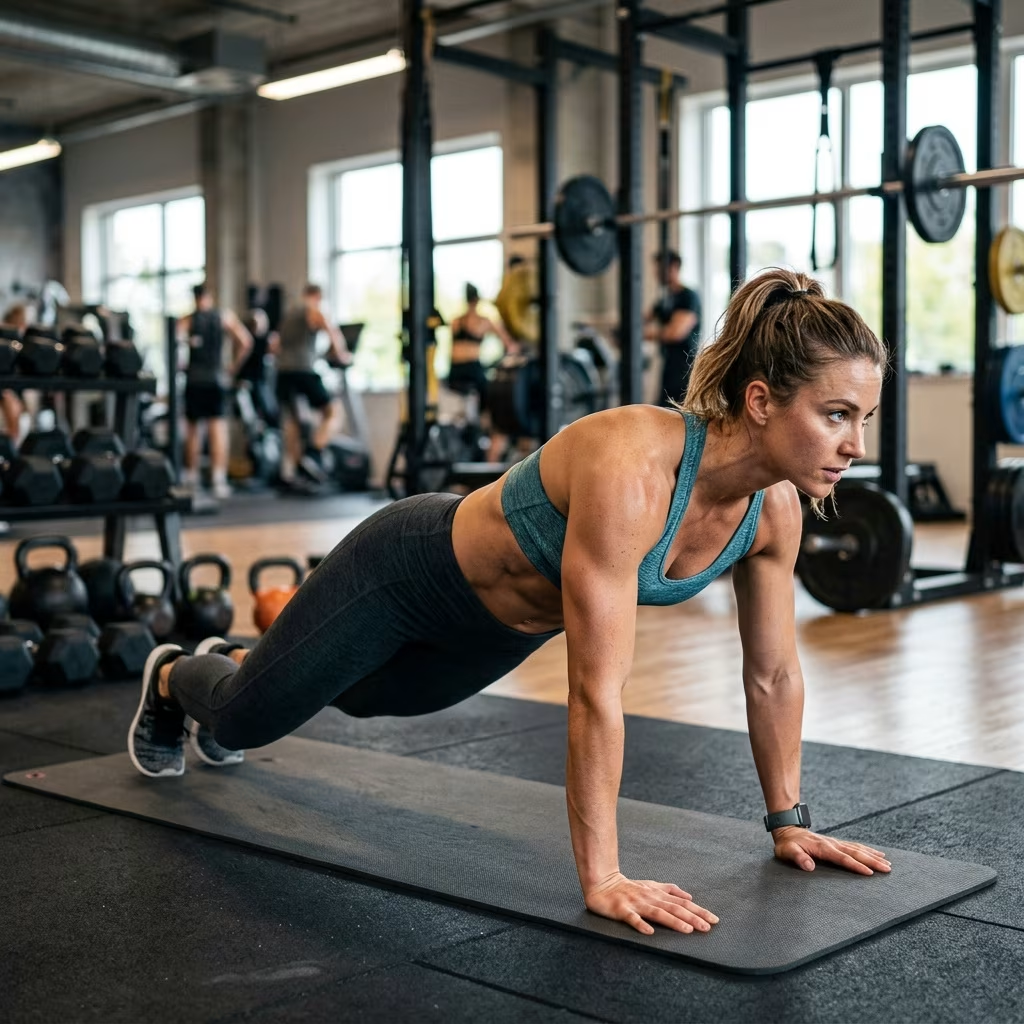
7. Plank (Standard, Forearm, and With Variations)
Targets: Full core, shoulders, glutes, stability
- Start in quadruped, then step feet back until your body forms a straight line from head to heels. Shoulders over wrists (or elbows for forearm feature).
- Engage abs, thighs, and glutes—hold as long as possible. Avoid sagging or piking hips.
- For added intensity, try placing your feet on a Swiss ball or performing plank up-downs.
8. Side Plank
Targets: Obliques, lateral core strength, balance
- Lie on your side and prop up on your elbow, stacking feet. Raise hips until your body forms a straight line.
- Hold while engaging your lower oblique and keeping hips squared (not rotated forward or back).
9. Mountain Climbers
Targets: Entire core, cardio, mobility
- Start in high plank. Quickly alternate driving knees toward chest, keeping hips low and shoulders over wrists.
- For low-impact, go slower; for HIIT, pick up the pace!
10. Toe Touches
Targets: Upper abs, low back flexibility
- Lie on your back with legs straight up. Reach arms toward toes.
- Crunch up, lifting shoulders and reaching for your toes. Lower with control.
11. Standing Side Crunch
Targets: Obliques, balance
- Stand tall with feet hip-width apart, hands behind head.
- Bring right knee toward right elbow, crunching side; repeat on the left.
12. Jackknife Sit-Up
Targets: Abs, hip flexors, full-body coordination
- Lie flat, arms and legs extended.
- Raise arms and legs at the same time, meeting in the middle in a V-shape; lower with control.
13. Flutter Kicks
Targets: Lower abs, hip flexors
- Similar setup to scissor kicks, but with rapid small kicks, keeping legs straight and abs braced.
14. Leg Raise Pulses
Targets: Lower abs
- Lie on back, legs straight up. Engage core; pulse legs upward, raising hips off mat.
- Control as you lower hips each time.
15. Plank with Feet on Swiss Ball
Targets: Core, shoulders, added stability challenge
- Assume plank position, wrists below shoulders, shins/feet on Swiss ball.
- Hold steady or pull knees in for added core contraction, then return to plank.
16. Bird-Dog
Targets: Core, glutes, spinal stability
- Start on hands and knees; extend the left arm forward and right leg back.
- Return to center, switch sides. Maintain a stable trunk and level hips.
17. Alternating Leg Drops
Targets: Lower abs, hip flexors, stability
- Lying back, legs together straight up. Lower one leg down until just above floor, raise back, repeat with other leg.
- Maintain lower back pressed to mat for safety.
18. Oblique Crunch
Targets: Obliques, waist-shaping
- Lie back, knees to one side (bent), hands behind head.
- Curl up as in a traditional crunch, focusing on the side waist. Repeat on the other side.
19. Plank Up-Downs
Targets: Core, shoulders, dynamic stability
- Start in high plank. Lower right elbow to mat, then left, entering forearm plank. Press up to high plank, one arm at a time. Alternate leading arms.
20. Forearm Plank
Targets: Deep core, posture, stabilization
- Place forearms down, elbows under shoulders. Feet hip-width apart, form a straight line with your body.
- Squeeze glutes and quads, keeping core tight. Hold as long as you can with good form.
Trainer-Curated Workout Tips
- Mix up your ab routine every few weeks to keep muscles challenged and progress steady.
- Pair core workouts with cardio and total-body resistance training for best results.
- Always engage your abdominals consciously; simply going through the motions loses effectiveness.
- Drink water before and after working out—hydration supports muscle function and recovery.
- Recovery matters: Core muscles need rest days to repair and grow stronger.
Frequently Asked Questions (FAQ)
Q: How often should I do ab workouts?
A: Most trainers recommend 2–3 sessions per week. Overworking your abs can slow recovery and stall progress. Your core also works during full-body exercises like squats, deadlifts, and push-ups.
Q: Will ab exercises get rid of belly fat?
A: Ab exercises strengthen and shape your midsection but do not specifically burn belly fat. Fat loss occurs through overall body fat reduction, which combines regular exercise (both cardio and strength) and a balanced diet.
Q: What if I have lower back pain during ab exercises?
A: Discomfort could signal poor form or weak core muscles. Focus on exercises that support the lower back—like glute bridges, dead bugs, and bird-dogs—and always keep your back pressed to the floor during mat work. Consult with a specialist if pain persists.
Q: Can I do ab exercises every day?
A: Your abs are muscles like any other—they need time to rest and repair. Limit direct ab work to a few times per week; use other days for cardio, resistance training, or flexibility work.
Q: What is the best ab move for beginners?
A: Start with simple, low-impact moves like the dead bug, glute bridge, or plank. Gradually add complexity and intensity as you build confidence and core strength.
Expert-Backed Advice for Strong, Safe Ab Training
- Focus on form: Quality beats quantity. Controlled, precise movements prevent injury and maximize benefits.
- Engage your breath: Exhale on effort and inhale on release—proper breathing improves core activation.
- Incorporate variety: Use both bodyweight and resistance exercises; train all angles of your core for balanced strength.
- Build gradually: Progress to more challenging moves (Swiss ball planks, weighted twists) only after mastering basic ones.
Ready to Build Core Strength?
With these 20 expert-approved ab workouts for women, you’re equipped with everything you need to sculpt, strengthen, and stabilize your core. Whether you’re a beginner or a gym regular, consistency and smart progression are key. Pair these moves with an overall balanced fitness plan—and remember, true results come from combining exercise with adequate nutrition, sleep, and recovery. Commit to your core, and your whole body will thank you!
References
- https://www.womenshealthmag.com/fitness/g26676872/lower-ab-exercises/
- https://www.goodhousekeeping.com/health/fitness/g33433549/best-lower-ab-workouts/
- https://www.goodhousekeeping.com/health/fitness/g33324948/best-ab-workouts-for-women/
- https://www.youtube.com/watch?v=qk97w6ZmV90
- https://www.goodhousekeeping.com/health/fitness/g1804/core-exercises-stability-ball/
- https://www.goodhousekeeping.com/health/fitness/a40287841/pilates-for-beginners-workout/
- https://www.youtube.com/watch?v=MqF3K3P23Ns