21 Healthiest Sauces and Condiments for a Smart Pantry
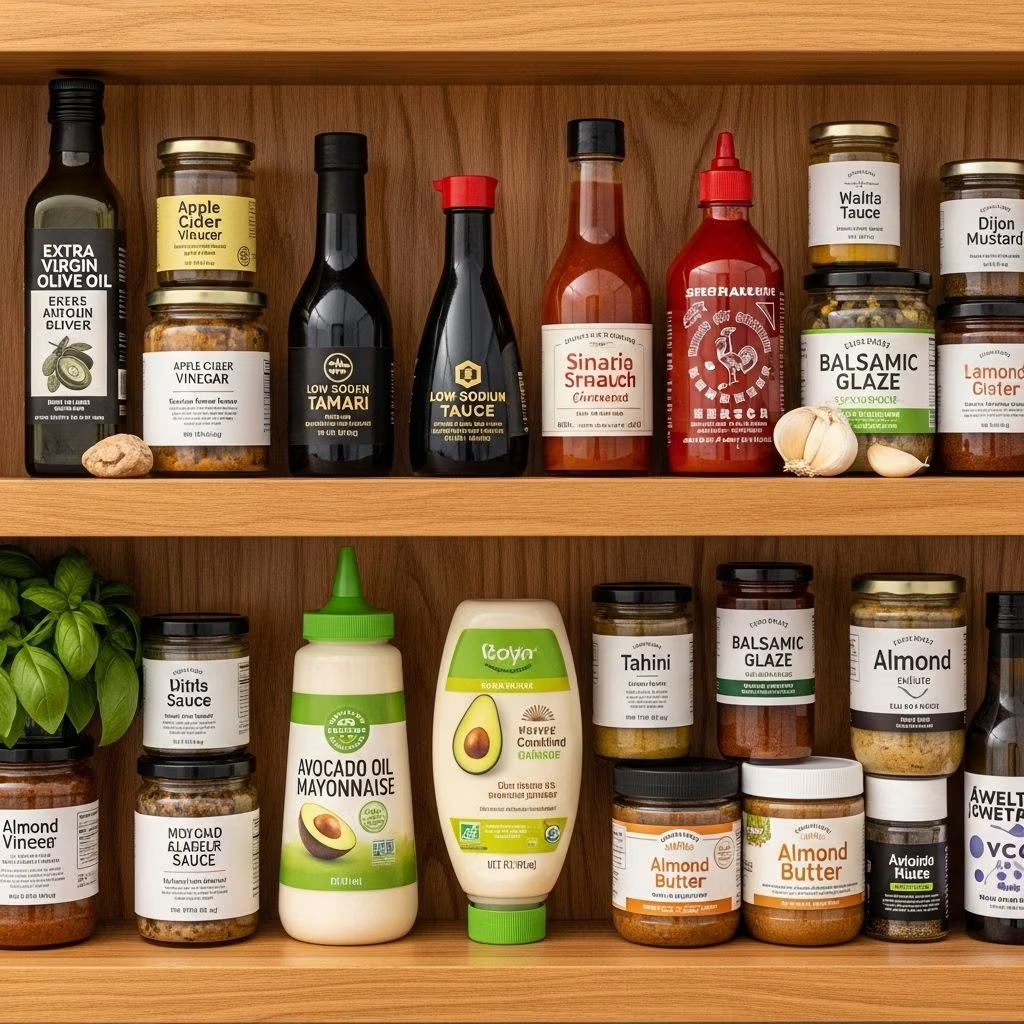
Sauces and condiments have the power to elevate any meal, bringing depth, richness, or tang to even the simplest dishes. But many store-bought options are loaded with sodium, added sugars, and artificial additives that can undermine your healthy eating habits. Making smart choices for what you keep in your pantry can transform the flavor of everyday meals without sacrificing nutrition. Our comprehensive guide brings together 21 of the healthiest, best-tasting sauces and condiments, handpicked by nutrition experts and taste-tested for real-life application.
What Makes a Sauce or Condiment ‘Healthy’?
- Lower sodium and sugar: Avoiding excess salt and sweeteners helps keep these essentials heart-friendly.
- Minimal, high-quality ingredients: Look for short lists with real foods over fillers and preservatives.
- Nutritional benefits: Healthy fats, antioxidants, and plant-based nutrients earn extra points.
- Versatility: The best picks improve everything from pasta to sandwiches, grilled meats, veggies, and snacks.
Every option on our list was chosen for its combination of taste, quality, and thoughtful nutrition, alongside how easily it can be worked into everyday meal prep and special diets, from vegan to gluten-free.
The Top 21 Healthiest Sauces and Condiments
1. Yo Mama’s Foods Tomato Sauce Marinara
Key Features: No added sugar, low sodium (65mg per 1/4 cup), gluten-free, simple whole-food ingredients. This sauce delivers tomato-forward flavor with onions, garlic, white wine, basil, oregano, and parsley. With just 30 calories per serving, it’s ideal for those seeking classic taste without additives. Pairs perfectly with traditional or alternative pasta, veggie noodles, and baked dishes.
2. Gotham Greens Vegan Pesto
Key Features: Plant-based, made from sustainably-grown basil, extra virgin olive oil, and pine nuts. At 260 calories and 350mg sodium per 1/4 cup, this pesto balances healthy fat content and flavor. Free from cheese, it offers a lighter, dairy-free alternative suitable for vegans and anyone looking for a fresher take on classic pesto for sandwiches, pastas, wraps, or grain bowls.
3. Chosen Foods Sweet and Tangy Burger Sauce
Key Features: Uses avocado oil, 80 calories, and only 75mg sodium per tablespoon. This creamy, tangy sauce skips canola and soy oils, focusing on good fats and a clean, easy-to-understand ingredient list. It shines on burgers, sandwiches, fries, or as a dip—offering bold taste from quality ingredients.
4. Bitchin’ Sauce Creamy Garlic
Key Features: Almond-based, vegan, gluten-free, non-GMO, and kosher. A two-tablespoon serving delivers 90 calories, 9g fat, and just 150mg sodium. Its garlicky, nutty profile makes it a standout swap for mayonnaise or creamy dressings, with the bonus of being dairy-free. Great on wraps, burgers, veggie bowls, and more.
5. Essie Spice Mango Chili Medley
Key Features: No added sugar, 50 calories and 180mg sodium per 2 tablespoon serving. Combines onion, garlic, rice wine vinegar, honey, red bell pepper, and habanero for a sweet-spicy flavor. Works wonders as a marinade, stir-in for soups, or a bold glaze for proteins and roasted vegetables.
6. Good Foods Chunky Guacamole
Key Features: 100% Hass avocados, tomatoes, onions, garlic, and fresh lime juice. This guacamole stands out for its ultra-clean ingredient list with no fillers or preservatives. Full of healthy monounsaturated fats and vitamins, it’s a dip, topping, or side that fits any diet.
7. Primal Kitchen Greek Vinaigrette & Marinade
Key Features: Made with avocado oil, herbs, and spices. Whole30 approved, dairy-free, sugar-free, and gluten-free, it offers a Mediterranean twist to salads and grilled dishes. Adds healthy fats and antioxidants in a zesty, versatile format.
8. Sir Kensington’s Avocado Oil Mayonnaise
Key Features: Crafted with avocado oil and free-range eggs, this mayo skipss added sugar and artificial stabilizers. With more heart-healthy fats than most traditional mayos, it’s a superb choice for sandwiches, dips, slaws, or dressings.
9. Rao’s Homemade Sensitive Marinara
Key Features: Designed without onions or garlic, ideal for sensitive stomachs. Uses tomatoes, olive oil, and herbs for classic flavor. Low in sodium and sugar, perfect for those who want traditional taste without common digestive triggers.
10. Napa Valley Naturals Organic Balsamic Vinegar
Key Features: Non-GMO, organically produced vinegar. Contains naturally occurring antioxidants and only trace sodium per tablespoon. Use as a base for vinaigrettes, a marinade, or glaze. Adds bright acidity to vegetables, salads, and fish.
11. Bragg Liquid Aminos
Key Features: Gluten-free soy sauce alternative, lower sodium than most conventional brands. Delivers umami flavor to stir-fries, marinades, and vegetables without overpowering saltiness, making it ideal for low-sodium diets.
12. Mike’s Hot Honey
Key Features: Honey infused with chilis: natural sweet-spicy topping for pizza, cheese boards, sandwiches, grilled meats, or roasted veggies. No artificial flavors; a dab goes a long way.
13. Tessemae’s Organic Lemon Garlic Dressing
Key Features: Minimalist: sunflower oil, organic lemon juice, fresh garlic, and herbs. Sugar-free, dairy-free, and gluten-free for a bright, clean flavor ideal for salads or as a marinade.
14. Siete Foods Jalapeño Hot Sauce
Key Features: Clean, gluten-free, dairy-free, vegan. Combines jalapeños, vinegar, roasted garlic, and spices for a bold but approachable kick, without sweeteners or artificial thickeners. Works on tacos, eggs, grain bowls, and more.
15. Annie’s Organic Ketchup
Key Features: Made with organic tomatoes, less sugar, and sodium than many leading brands. Contains no high-fructose corn syrup and a short list of whole ingredients — a healthier replacement for classic ketchup lovers.
16. Kosterina Original Extra Virgin Olive Oil
Key Features: Single-origin, cold-pressed EVOO loaded with heart-healthy fats and antioxidants. Ideal as a finishing oil, salad topper, or for dipping breads and grilling vegetables.
17. Sky Valley Organic Sriracha
Key Features: An organic take on the cult-favorite chili sauce—no preservatives, flavors or artificial colors. Offers fiery flavor with lower sugar than many sriracha brands. Adds heat to stir-fries, rice, veggies, noodles, or dips.
18. The New Primal Noble Made Classic BBQ Sauce
Key Features: No refined sugar, gluten-free, paleo and keto-friendly, only 3g sugar per serving. Uses apple cider vinegar, tomato paste, and spices for a tangy, smoky BBQ taste without excess sweetness.
19. Just Sauces Cilantro Lime
Key Features: Fresh taste from cilantro, lime juice, garlic, and jalapeño. Plant-based and low in sugar and sodium, this sauce is perfect for tacos, grilled veggies, salads, or mixing into yogurt for a zesty dip.
20. Red Boat 40°N Fish Sauce
Key Features: Two ingredients: anchovies and sea salt. No additives, sugar, or MSG. Delivers an authentic umami punch to Asian dishes, marinades, broths, and dressings while keeping ingredient lists clean.
21. Primal Kitchen No Soy Teriyaki
Key Features: Paleo and Whole30 certified, gluten-free, and soy-free. Blends coconut aminos, pineapple juice, ginger, and garlic for a well-rounded, lower-sodium teriyaki alternative. Adds Asian-inspired flavor to stir-fries, bowls, or grills.
How to Choose the Healthiest Sauce for You
Navigating the grocery aisle can be overwhelming, so keep these tips in mind to balance flavor and nutrition:
- Read ingredient lists: Fewer ingredients usually mean fewer processed additives. Watch for added sugars and sodium.
- Consider your dietary needs: Gluten-free, vegan, keto, or low-FODMAP? There are clean-label options for every eating pattern.
- Be mindful of serving sizes: Sauces can be concentrated sources of sodium, calories, or fat if you don’t measure them.
- Experiment for versatility: Pick sauces that you can use in several meals (think dressing and marinade in one).
- Store properly: Refrigerate after opening unless specifically marked shelf-stable. This maintains freshness and safety.
Healthier Sauce Options At A Glance
| Sauce / Condiment | Main Nutritional Benefits | Best For | Special Features |
|---|---|---|---|
| Yo Mama’s Marinara | Low sodium, no sugar, antioxidants | Pasta, veggie noodles | Gluten-free, minimal ingredients |
| Gotham Greens Vegan Pesto | Healthy fats, plant-based | Pasta, sandwiches | Vegan, no cheese |
| Bitchin’ Sauce Creamy Garlic | Vegan protein, healthy fat | Dips, wraps, sandwiches | Non-GMO, gluten-free |
| Essie Spice Mango Chili Medley | No added sugar, vitamins | Marinade, dipping | Sweet & spicy profile |
| Chosen Foods Sweet & Tangy Burger Sauce | Healthy fat, low sodium | Burgers, fries | Avocado oil |
Full nutrition details are available on product packaging and brand websites.
Tips for Using and Storing Sauces
- Shake or stir well before use for uniform texture.
- Refrigerate opened jars and bottles unless shelf-stable is indicated.
- Check best-by dates, especially for oil-based and creamy sauces.
- Use within a few months after opening to ensure taste and food safety.
- Freeze extra sauce in ice cube trays for easy meal prep.
Frequently Asked Questions (FAQs)
What are the main things to look for in a healthy sauce or condiment?
Check ingredient lists for added sugar, sodium, and artificial additives. Choose products made with whole foods, healthy fats, and short, recognizable ingredient lists for optimal nutrition.
Are plant-based and vegan sauces always healthier?
Not necessarily. Plant-based sauces can still be high in oil, salt, or sugar. Always read labels for sodium, calories, and processed oils.
How can I use sauces and condiments without overdoing sodium or calories?
Stick to serving sizes listed on the labels, and use them as accents rather than main components of your meals. Pair with naturally low-sodium, nutrient-dense foods like vegetables and lean proteins.
What is the healthiest way to add flavor if you’re avoiding most bottled sauces?
Try homemade dressings using olive oil, vinegar, citrus, fresh herbs, and spices, or simple purees like hummus, tahini, or salsa for fresh, minimally processed flavor with lower sodium and preservatives.
How can I safely store homemade sauces?
Keep in clean, airtight containers in the refrigerator, and use within one week unless the recipe states otherwise (such as for fermented or pickled condiments). Label with prep date and ingredients.
Smart Ways to Add Flavor—Without Extra Calories or Additives
Even the healthiest sauces should be used to enhance—not mask—the flavor of whole foods. Here are a few nutritionist-approved tips for keeping meals interesting without compromising dietary goals:
- Drizzle infused olive oil over grilled vegetables.
- Blend fresh herbs, lemon juice, and plain Greek yogurt for a quick, protein-boosted dip.
- Swap sugary dressings for a simple mix of balsamic vinegar and Dijon mustard.
- Toss roasted sweet potatoes with spicy sriracha or a dash of hot honey.
- Top grain bowls with citrus salsa or zesty guacamole.
Conclusion: Taste and Wellness, Side by Side
By choosing smart, ingredient-focused sauces and condiments, you can upgrade any meal with bold flavors that fit your lifestyle and health goals. Whether it’s a tangy vinaigrette, a creamy vegan dip, or an authentic barbecue sauce, the healthiest choices support both your palate and your well-being—all while keeping cooking simple and enjoyable. Stock your pantry with the best, and every meal can be both delicious and nourishing.
References
- https://www.goodhousekeeping.com/health/diet-nutrition/g32971830/healthiest-sauces/
- https://www.goodfoods.com/good-eats/best-snack-awards-in-the-category-of-delicious-dips-spreads/
- https://pocketmags.com/us/good-housekeeping-magazine/sep-25/articles/feeling-saucy-try-our-taste-approved-dips
- https://www.goodhousekeeping.com/uk/health/a65612533/how-healthy-eating-experts-eat/
- https://library.uintah.gov/Author/Home?author=%22Good+Housekeeping%22