According to the Centers for Disease Control and Prevention, 9 out of 10 children in the U.S. are not eating the recommended 1 to 3 cups of vegetables per day. In fact, about a third of the vegetables being consumed are white potatoes—usually as French fries or chips. Given that vegetables are rich in fiber, essential vitamins, minerals, and antioxidants crucial for brain development, immunity, and digestion, it’s vital for parents to find creative ways to help children build healthy veggie habits that stick for life.
Why do kids struggle with veggies? It often comes down to taste, texture, and presentation, but also to simple exposure and involvement. If you’re locked in a nightly struggle over broccoli, don’t despair—plenty of parents face these same challenges. Here are seven expert and dietitian-recommended strategies to incorporate more vegetables into your child’s diet, minimize resistance, and even spark a genuine love for healthy foods.
Why Vegetables Matter for Kids
- Brain Development: Nutrients in vegetables support cognitive growth and concentration.
- Immunity: Antioxidants, vitamins C and A, and minerals strengthen immune defenses.
- Digestion: Fiber aids in regular digestion and fosters healthy gut bacteria.
- Growth: Key minerals like potassium and magnesium are vital for bones and muscles.
“The fiber, antioxidants, vitamins, and minerals in veggies help with brain development, building and strengthening the immune system, aiding in digestion and other important body processes,” says Stefani Sassos, M.S., R.D.N., the registered dietitian for the Good Housekeeping Institute.
Start with Realistic Expectations—and Keep Trying
Children’s food preferences don’t change overnight, and repeated exposure is critical. Experts suggest parents should keep offering new and different veggies, even if they’re initially rejected—kids often need to see a food up to 10–15 times before accepting it. Keep mealtimes positive: avoid pressuring kids or using negative language about vegetables.
- Be patient and persistent; celebrate small wins.
- Offer a variety of veggies in different shapes, colors, and textures.
- Let go of the idea that every meal has to include a large portion—“any amount is better than none.”
1. Involve Kids in Shopping, Prep, and Cooking
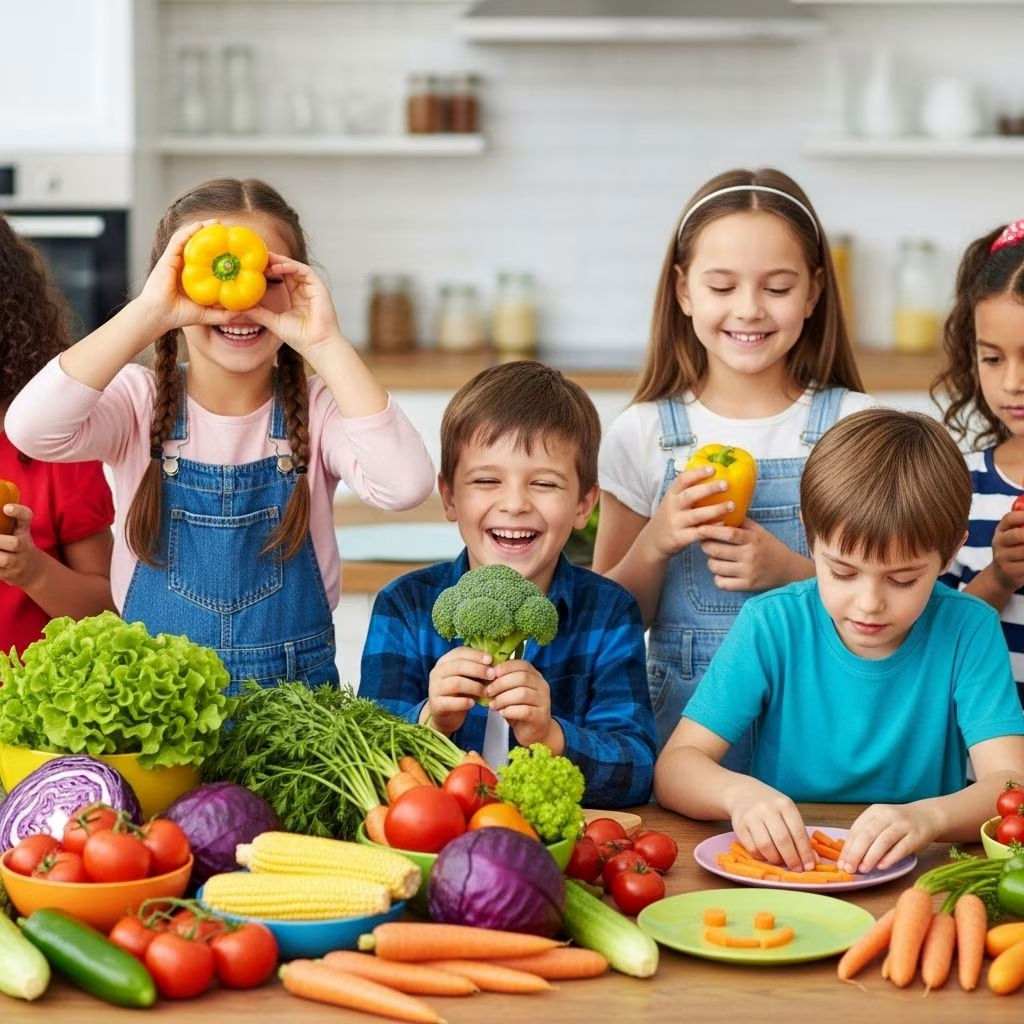
Children are more likely to try foods they helped choose or prepare. Turn grocery shopping and meal prep into opportunities for learning and exploration. This not only gives them a sense of ownership but also demystifies unfamiliar veggies.
- Ask your child to select a new vegetable to try each week.
- Let them rinse, peel, or chop (with supervision) ingredients for meals.
- Let kids assemble their own salads or veggie “art plates”—the creative process makes eating them more fun.
- Grow herbs or vegetables at home, even in a small window box or container.
Tip: Allowing kids to be “veggie artists,” arranging vegetables into creative shapes or faces, can foster positive associations and curiosity.
2. Offer Vegetables First—While They’re Hungriest
Offering veggies as a starter or snack before the main meal takes advantage of your child’s appetite at its peak. Keep cut-up crunchy veggies like carrots, bell peppers, snap peas, or cucumbers on hand and ready to munch.
- Serve vegetables with a favorite dip (hummus, yogurt, or ranch-style dip) for extra appeal.
- Present veggies before other foods, minimizing distractions from less nutritious choices.
3. Give Kids Choices and Control
Children—like adults—enjoy having options. Instead of demanding “eat your broccoli,” offer two vegetable sides and let them choose which one (and how much) to serve themselves. Choice reduces power struggles and empowers kids to take the lead.
- Offer both raw and cooked versions; kids often prefer crunchy to mushy textures.
- Let kids pick which colored veggies top their pizza, sandwich, or salad.
4. Transform Presentation: Make Veggies Fun
Presentation can make or break a child’s interest. A rainbow plate, spiralized veggies (“zoodles”), or playful skeweres are infinitely more exciting than plain steamed greens. Try varying presentation to discover what appeals to your child’s senses.
- Use spiralizers to create noodles from zucchini, carrots, or sweet potatoes.
- Serve veggies as fun shapes with small cookie cutters.
- Create colorful veggie kabobs or “rainbow” snack platters.
- Mix vegetables into omelets, quesadillas, or wraps in visually attractive ways.
5. Mix and Camouflage: Half Zoodles, Half Noodles
If your child loves pasta, incorporate spiralized vegetables (like zucchini “zoodles”) alongside traditional noodles. Blending part veggies with familiar foods offers the flavor and texture they love while boosting nutrition without drama.
- For picky eaters, peel the zucchini so it looks more like pasta.
- Try “cauliflower mash” mixed with potatoes or rice for a lighter, nutrient-dense option.
6. Blend Veggies into Smoothies
Many mild-flavored veggies virtually disappear when added to smoothies with fruit, yogurt, or nut butter. This is a great way to sneak in extra servings of greens or even cauliflower.
- Add a handful of spinach or baby kale to berry smoothies; the color changes but the taste barely does.
- Use frozen or riced cauliflower for a creamy, neutral base.
- Mix with naturally sweet fruits like banana, mango, or pineapple for maximum masking.
Simple Recipe: Blend 1 cup of milk or yogurt, 1 frozen banana, ½ cup of berries, and ½ cup of spinach or cauliflower rice. Sweeten with a drizzle of honey if needed.
7. Let the Air Fryer Work Its Magic
Kids love fries—so let them help you air fry crispy, nutritious alternatives. High-heat convection crisps veggies like sweet potatoes, carrots, parsnips, or even Brussels sprouts, turning them into fun, dippable sides.
- Season sliced vegetables with olive oil, salt, and pepper before air frying.
- Try air-fried butternut squash “fries” as a sweet, savory alternative to regular fries.
- Make tempura-style veggie bites for a light, crunchy snack.
Bonus: Include Veggies in Favorite Recipes
Rather than overhauling your menu, add veggies to tried-and-true family dishes. This builds familiarity and boosts intake with less resistance.
- Mix shredded carrots, spinach, or zucchini into pasta sauces, chili, or tacos.
- Add pureed or diced veggies to casseroles, soups, or meatballs.
- Include veggies in muffins, pancakes, or frittatas (think carrot muffins or spinach pancakes).
Smart Snack Ideas for Vegetable Lovers (and Skeptics)
- Corn on the cob with a sprinkle of mild cheese
- Muffins or quick breads baked with carrots or zucchini
- Veggie sticks with salsa, guacamole, or yogurt dip
- Frozen peas or edamame as a crunchy snack
- Mini skewers of cherry tomatoes, mozzarella, and cucumber
- Vegetable chips (beet, sweet potato) for homemade snack swaps
Frequently Asked Questions (FAQs)
Why won’t my child eat vegetables, no matter what I try?
Some children are more sensitive to tastes or textures; others may have negative associations from past pressure. Keep presenting vegetables in positive, no-pressure ways and experiment with preparation. It may take time and repeat exposure for tastes to change.
Is it okay to “hide” vegetables in meals?
Yes. While the goal is to encourage children to recognize and enjoy vegetables, adding pureed or finely chopped veggies to sauces, soups, or baked goods is an effective way to boost nutrition without a fight—just be sure to continue also serving visible veggies for exposure.
What’s better—raw or cooked vegetables?
Both offer great benefits, and many children prefer crunchy raw veggies for their texture (e.g., carrots, cucumbers, bell peppers). Alternate between raw and cooked varieties to discover your child’s preference and keep things interesting.
How much should my child eat?
The CDC and nutritionists recommend 1 to 3 cups of vegetables per day depending on age, but any increase is beneficial. Offering a small taste or bite alongside meals counts toward developing healthy habits.
Should I reward my child for eating veggies?
Avoid food rewards or bribes, as these can create negative associations with vegetables. Instead, use praise, fun presentations, or involvement as positive reinforcement.
Practical Table: Smart Ways to Eat More Veggies
| Strategy | Example | Kid-Friendly Twist |
|---|---|---|
| Blend into sauces | Spinach in marinara, carrot in chili | Use a food processor for an invisible boost |
| Mix into baked goods | Zucchini bread, carrot muffins | Let kids help with stirring and scooping |
| Use as snacks | Veggie sticks, mini kabobs | Serve with fun dips or arranged in smiley faces |
| Swap in noodles | Zoodles with spaghetti | Mix half-and-half for a gentle transition |
| Make fun shapes | Cookie cutter cucumber stars | Let kids choose their own shapes |
Expert Tips for Long-Term Success
- Eat together as a family whenever possible; kids mimic adult food choices.
- Encourage—don’t force—trying new vegetables repeatedly.
- Keep a bowl of washed, cut veggies in the fridge for ready access.
- Get creative with herbs, spices, and dips for extra flavor appeal.
- Stay positive, persistent, and relaxed—kids’ tastes evolve over time.
Building a life-long love of vegetables starts with consistent, positive exposure, teamwork in the kitchen, and a little creativity in every meal. Give these strategies a try—veggie battles can become veggie victories!
References
- https://guidingstars.com/nutrition-science/kids-dont-have-to-hate-veggies/
- https://www.goodhousekeeping.com/health/diet-nutrition/a33628629/how-to-get-kids-to-eat-veggies/
- https://www.betterhealth.vic.gov.au/health/healthyliving/childrens-diet-fruit-and-vegetables
- https://www.goodhousekeeping.com/uk/health/healthy-eating/a566738/how-to-make-your-kids-eat-their-vegetables/
- https://gb.readly.com/magazines/good-housekeeping-uk/2025-07-24/687b1c0449d427e58abf495f
- https://agresearchmag.ars.usda.gov/2012/jul/vegetables/
- https://www.ranchomissionviejo.com/blog/blog-good-housekeeping-the-latest-real-estate-trend-is-designed-to-improve-your-health