Belly fat is more than just an aesthetic concern—it is a significant health risk that has been linked to heart disease, type 2 diabetes, and other chronic conditions. Fortunately, evidence-based strategies can help you reduce both the visible and hidden layers of abdominal fat, resulting in improved overall well-being and longevity. The following guide outlines eight effective ways to shed belly fat and create lasting, healthy habits.
Understanding Belly Fat and Its Health Risks
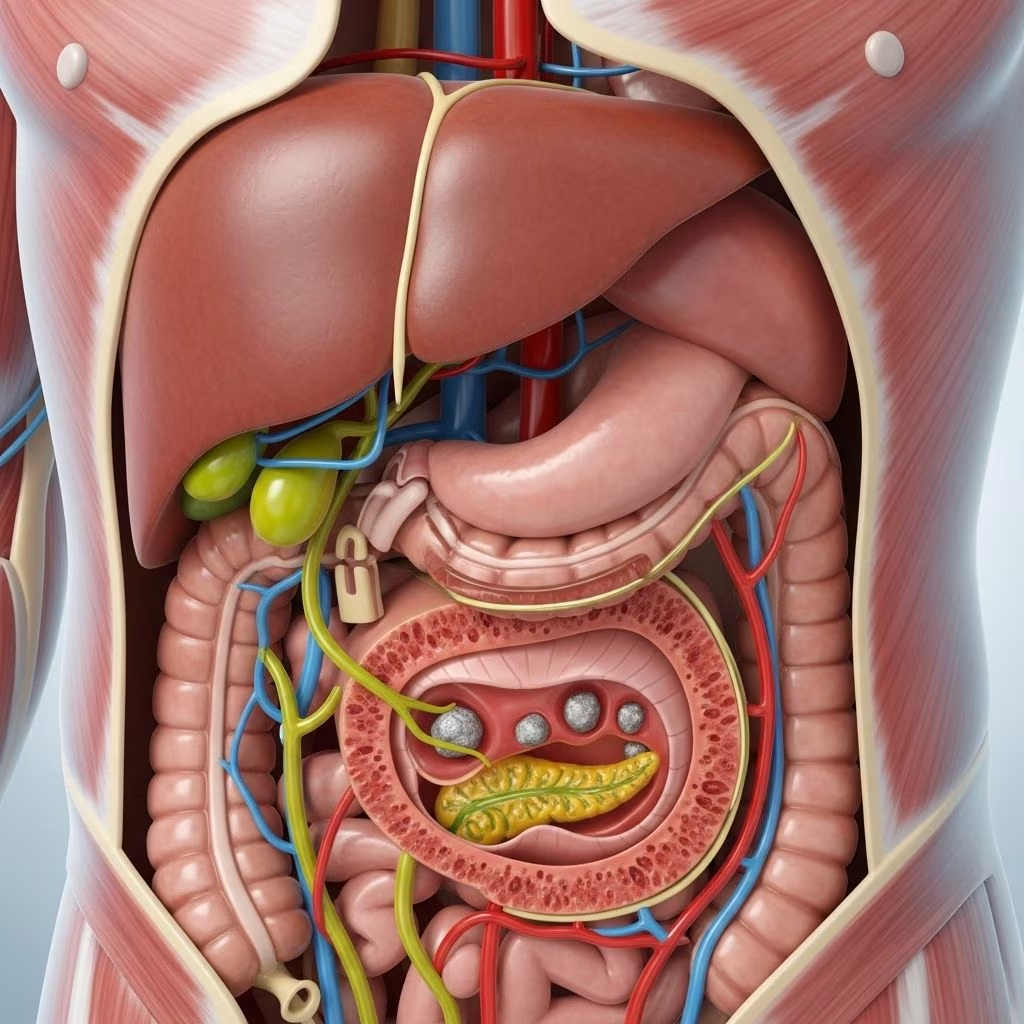
Abdominal fat includes both subcutaneous fat (fat under the skin) and visceral fat (fat deep inside the abdomen, surrounding your organs). While subcutaneous fat is easier to notice, it is visceral fat that poses a greater threat to health. Excess visceral fat can release inflammatory substances and hormones that heighten your risk for serious health problems, especially cardiovascular disease, insulin resistance, and metabolic syndrome.
1. Focus on Overall Weight Management
Targeting belly fat with specific exercises alone will not significantly reduce abdominal fat. Instead, aim for overall weight loss through a comprehensive approach that encompasses nutrition, physical activity, behavioral change, and lifestyle modification.
- Combine a healthy, calorie-controlled diet with regular exercise.
- Set realistic, achievable goals and monitor your progress.
- Remember that consistency, rather than perfection, is the key to long-term success.
2. Limit Added Sugars and Refined Carbohydrates
High intake of added sugars and refined carbs, such as those found in sugary drinks, pastries, white bread, and candy, is closely associated with increased abdominal fat. Excess sugar, especially fructose, can contribute to fat accumulation around the midsection.
- Choose whole, unprocessed foods such as fruits, vegetables, whole grains, and legumes.
- Read nutrition labels to identify and avoid foods high in added sugars.
- Swap sweetened beverages for water, herbal tea, or unsweetened drinks.
3. Prioritize Fiber-Rich Foods
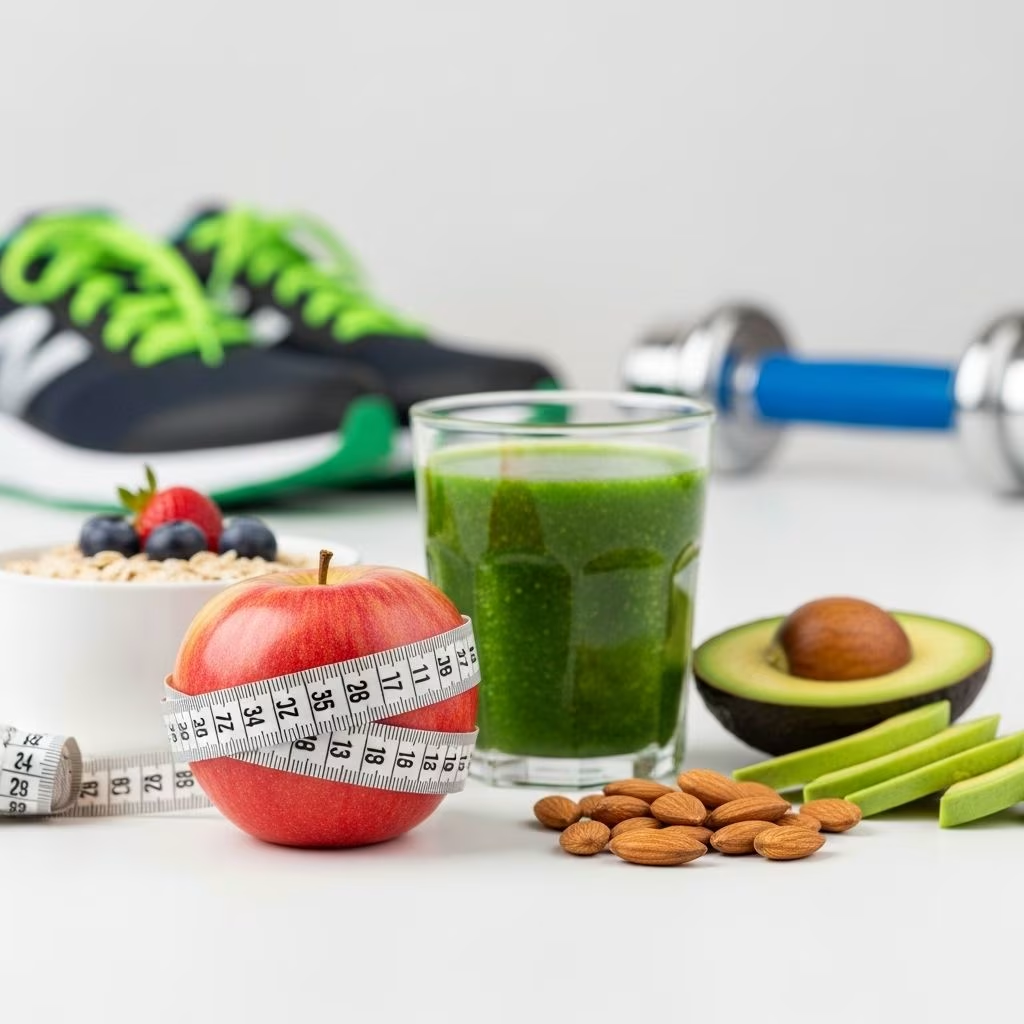
Soluble fiber can help reduce belly fat by slowing digestion, stabilizing blood sugar, and promoting feelings of fullness. Foods high in soluble fiber include:
- Oats
- Lentils and beans
- Brussels sprouts
- Avocados
- Flaxseeds and chia seeds
- Pears and apples
Aim for at least 25–30 grams of fiber per day from a variety of plant-based sources.
4. Increase Physical Activity, Especially Aerobic Exercise
Regular physical activity is crucial for burning calories, improving cardiovascular health, and reducing abdominal fat. While all forms of exercise offer benefits, studies highlight the particular effectiveness of aerobic (cardio) exercise in targeting visceral fat.
- Engage in at least 150 minutes of moderate aerobic activity or 75 minutes of vigorous activity per week.
- Incorporate brisk walking, jogging, cycling, swimming, or group fitness classes into your weekly routine.
- Add resistance training (e.g., weight lifting, bodyweight exercises) to preserve muscle mass and enhance metabolism.
5. Choose Healthy Fats and Lean Proteins
Dietary fat is not the enemy, but the type of fat consumed matters. Focus on healthy fats—such as those found in nuts, olive oil, avocados, and fatty fish—while limiting saturated and trans fats.
- Replace processed and fried foods with fresh, whole options.
- Opt for lean sources of protein like poultry, fish, beans, and tofu to support muscle maintenance and fullness.
6. Practice Mindful Eating and Manage Stress
Mindful eating involves paying attention to your hunger cues, choosing nourishing foods, eating slowly, and savoring meals without distraction. Chronic stress can increase levels of cortisol, a hormone linked to abdominal fat accumulation.
- Become aware of emotional or stress-related eating triggers.
- Use relaxation techniques such as meditation, yoga, or deep breathing.
- Plan regular meals and snacks to avoid impulsive overeating.
7. Get Sufficient, Quality Sleep
Short or poor-quality sleep is related to weight gain, including excess belly fat. Sleep deprivation can disrupt hormones that regulate appetite and fat storage.
- Aim for 7–9 hours of quality sleep each night.
- Establish a consistent sleep schedule, even on weekends.
- Create a restful bedtime environment free of screens and distractions.
8. Limit Alcohol Consumption
Alcohol provides empty calories and excessive consumption is associated with increased central fat accumulation. Even moderate drinking can hinder fat loss efforts and promote fat distribution in the abdominal area.
- Limit your intake to recommended guidelines—generally, up to one drink per day for women and up to two for men.
- Opt for lighter beverages and watch portion sizes.
- Consider alternating alcoholic drinks with glasses of water to reduce overall intake.
Table: Actions and Their Impact on Belly Fat
| Action | Recommended Frequency / Approach | Impact on Belly Fat |
|---|---|---|
| Reduce Added Sugar Intake | Daily, choose unsweetened foods & drinks | Decreases fat storage, especially visceral fat |
| Eat Fiber-Rich Foods | 25-30g of fiber per day | Increases satiety, lowers calorie intake |
| Engage in Aerobic Exercise | 150 min/week moderate intensity | Reduces belly and visceral fat |
| Prioritize Sleep | 7-9 hours nightly | Supports weight control and hormone balance |
| Limit Alcohol | Follow recommended guidelines | Reduces central fat accumulation |
Why Visceral Fat is a Concern
Unlike subcutaneous fat, visceral fat sits deep within the abdominal cavity, surrounding organs like the liver and intestines. It is metabolically active and can spur inflammation, increasing your risk for serious illnesses including heart disease, type 2 diabetes, and some cancers. Monitoring your waist circumference and being mindful of risk factors is crucial for early intervention.
Additional Tips for Lasting Success
- Find social support. Partner with friends or family for encouragement and accountability.
- Be patient. Belly fat loss occurs gradually. Focus on sustainable habits rather than quick fixes.
- Consult a healthcare professional for personalized advice, especially if you have underlying health conditions.
Frequently Asked Questions (FAQs)
What is the difference between subcutaneous and visceral belly fat?
Subcutaneous fat is located just beneath the skin and is relatively harmless, whereas visceral fat encases vital organs and is associated with increased health risks, including heart disease and diabetes.
Can I lose belly fat by doing sit-ups or other ab exercises?
Spot-reducing fat with targeted ab exercises alone is ineffective. Comprehensive fat loss requires a combination of dietary changes, regular physical activity, and overall weight management.
Are there specific foods that help burn belly fat?
No single food ‘melts’ belly fat, but a diet high in fiber, lean proteins, and healthy fats, while low in processed sugar and refined carbs, supports healthy body composition and fat loss.
How quickly can I expect to see results?
Healthy weight loss occurs at a rate of about 1–2 pounds per week. Changes in belly fat usually occur over several weeks to months with consistent lifestyle adjustments.
How do stress and sleep affect abdominal fat?
Chronic stress increases cortisol levels, which can drive fat storage in the abdomen. Poor sleep disrupts hormones regulating appetite and metabolism, making weight management more difficult.
Belly Fat and Overall Health: The Big Picture
Reducing abdominal fat is not just about appearance—it’s a critical part of lowering your risk for major diseases and enhancing quality of life. By following these evidence-based strategies, you can take actionable steps toward a healthier, more energetic future.
Key Takeaways
- Belly fat increases health risks, particularly for heart disease and diabetes.
- Focus on overall lifestyle and behavior changes, not quick fixes or fad diets.
- Combine regular exercise with a balanced diet rich in fiber and low in added sugars for best results.
- Quality sleep and stress management are essential components of a healthy lifestyle.
Resources and Support
For those needing additional help, comprehensive weight management centers—such as the one at Johns Hopkins—offer multidisciplinary approaches. Personalized support from dietitians, psychologists, and exercise specialists can enhance your success. Consider seeking professional guidance to develop an individualized plan suited to your unique needs and circumstances.