Adenoviral conjunctivitis, commonly known as viral pink eye, is a widespread and highly contagious eye infection. This article provides a comprehensive overview, detailing symptoms, transmission, prevention, diagnosis, home remedies, medical treatments, risk factors, complications, and when to seek medical attention.
What Is Adenoviral Conjunctivitis?
Adenoviral conjunctivitis is an inflammation of the conjunctiva, the thin, clear tissue covering the white part of the eye and the inside of the eyelids. This infection is caused by adenoviruses, a group of viruses also responsible for respiratory illnesses, sore throats, and fever.
- Also referred to as viral conjunctivitis or pink eye
- Particularly common among children and in environments where people are in close contact (e.g., schools, daycare centers, dorms)
- Highly contagious and easily transmissible through direct or indirect contact
Symptoms of Adenoviral Conjunctivitis
Symptoms typically appear within several days of exposure. They can vary in severity depending on the subtype of adenovirus and whether the infection affects one or both eyes.
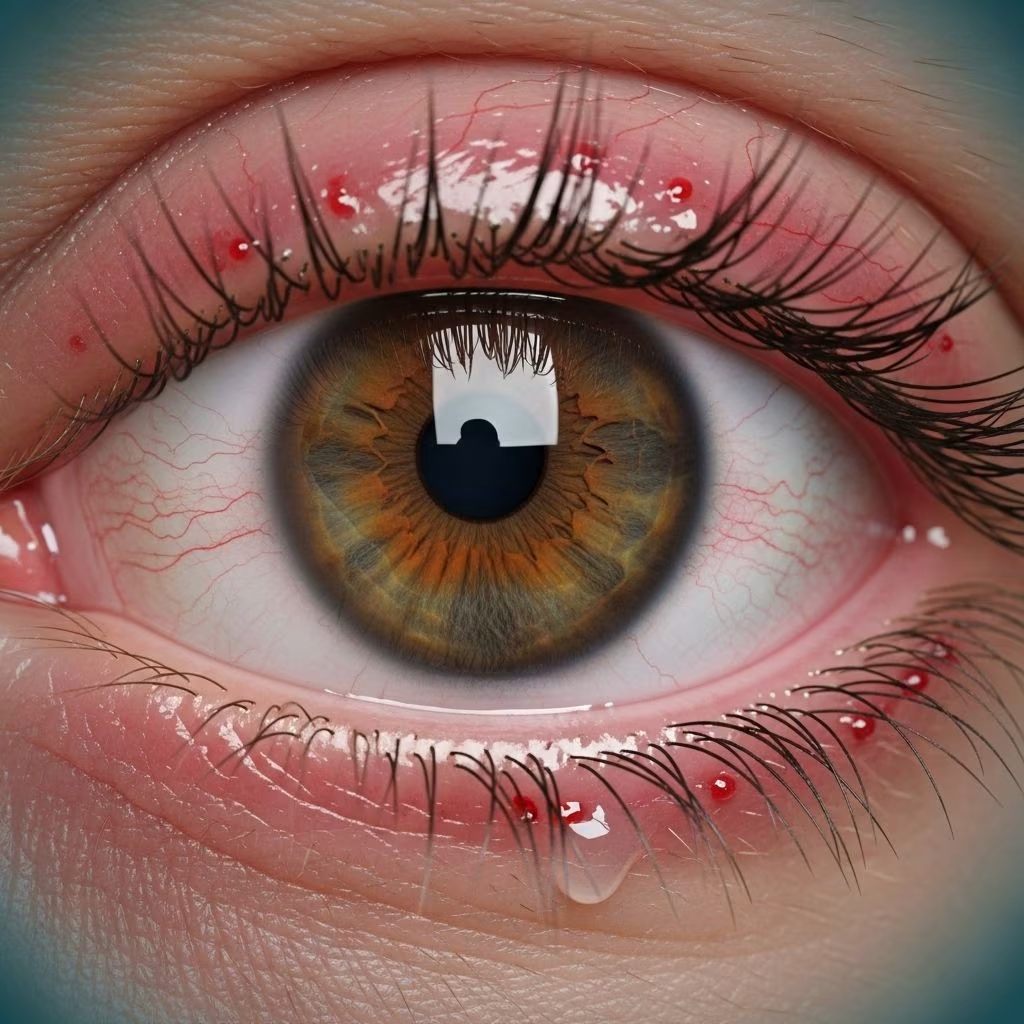
- Red or pink discoloration of the white part of the eye
- Watery or mucous discharge from the eye
- Itching, burning, or gritty sensation in the eye
- Swelling of the eyelids and tenderness around the eyes
- Increased tearing (lacrimation)
- Light sensitivity (photophobia)
- Mild pain or discomfort, worse upon awakening
- In some cases, blurred vision
- Enlarged or tender preauricular lymph nodes (lymph nodes in front of the ears)
- Symptoms often start in one eye, then rapidly involve the other within a few days
Causes and How It Spreads
Adenoviral conjunctivitis is caused by exposure to adenoviruses. The infection spreads quickly, often via:
- Direct contact with eye secretions from an infected person (e.g., handshake followed by touching eyes)
- Sharing contaminated items (e.g., towels, pillowcases, cosmetics, contact lenses)
- Touching contaminated surfaces (e.g., doorknobs, countertops)
- Exposure to respiratory secretions (coughing, sneezing)
- Exposure to poorly chlorinated swimming pools
- Self-inoculation: Touching your own eye after touching a contaminated object or surface
Viral particles can survive on surfaces for several days, increasing the chance of transmission.
Who Is at Risk?
While anyone can contract adenoviral conjunctivitis, certain individuals face higher risk, including:
- Children, especially those in schools or daycares
- Healthcare workers and caregivers
- Family members of an infected person
- Individuals with weak immune systems
- Contact lens wearers (especially those who do not follow proper hygiene)
- People exposed to communal or public areas, such as swimming pools and gyms
Potential Complications
For most, adenoviral conjunctivitis is mild, self-limiting, and resolves on its own. However, complications can occur, especially in severe or improperly managed cases.
- Subepithelial infiltrates: Small, white spots on the cornea that can cause ongoing blurred vision and irritation
- Chronic dry eye syndrome
- Secondary bacterial infection in cases of poor hygiene or preexisting conditions
- Corneal ulcers or scarring (rare)
Diagnosis
Diagnosis is usually straightforward and based on clinical signs and symptoms. Your healthcare provider will ask about recent exposures, overall health, and onset of symptoms. A physical examination includes close inspection of your eyes and surrounding tissues.
- Lab tests (swabs or conjunctival scrapings) are only required in rare, complex, or persistent cases to confirm the specific viral cause
- Other eye conditions, such as allergic or bacterial conjunctivitis, may produce similar symptoms, so an accurate diagnosis is essential for management
Signs that Support Adenoviral Etiology
- Watery rather than purulent discharge
- Recent exposure to someone with a similar infection
- Accompanying respiratory or flu-like symptoms
How Long Does Adenoviral Conjunctivitis Last?
Most cases resolve within 7 to 14 days but may last up to 3 weeks in severe situations. Symptoms typically worsen for a few days before gradually improving.
| Symptom Phase | Timeline |
|---|---|
| Incubation Period | 5–12 days after exposure |
| Acute Phase | 7–10 days |
| Full Recovery | 1–3 weeks |
When to Seek Medical Attention
Although adenoviral conjunctivitis is usually mild, contact a healthcare provider if you experience:
- Severe eye pain or increasing discomfort
- Changes in vision (blurry vision not improving, loss of vision)
- Intense redness, swelling, or discharge that worsens or persists over two weeks
- Sensitivity to light that limits daily activities
- Symptoms associated with other severe illnesses (e.g., high fever)
How to Prevent the Spread of Adenoviral Conjunctivitis
Prevention relies on strict hygiene and minimizing opportunities for the virus to spread:
- Wash your hands thoroughly and frequently with soap and water
- Avoid touching or rubbing your eyes with unwashed hands
- Do not share personal items (e.g., towels, pillowcases, eye drops, makeup)
- Disinfect frequently touched surfaces regularly (phones, counters, door handles)
- If you use contact lenses, discontinue use and follow cleaning procedures during infection
- Stay home from work, school, or daycare while symptoms persist to prevent outbreaks
- Use disposable tissues to wipe eye discharge and dispose of them promptly
- Replace or clean eye makeup and contact lens accessories promptly after infection
Home Remedies and Symptom Relief
There is no specific antiviral treatment for adenoviral conjunctivitis. Supportive care is key to soothing symptoms and promoting faster recovery:
- Apply cool compresses to the affected eye(s) several times a day to relieve discomfort and reduce swelling
- Use artificial tears or lubricant eye drops (without preservatives) to alleviate dryness and irritation
- Avoid wearing contact lenses until symptoms resolve fully
- Minimize eye strain by resting your eyes regularly
- Avoid allergen exposure, which may further irritate your eyes
Do not attempt to use antibiotics or steroid eye drops without a healthcare provider’s recommendation, as these medications are not effective for viral infections and may worsen outcomes.
Medical Treatments
Most cases improve without medical intervention, but your doctor may recommend management options in certain scenarios:
- Severe inflammation or discomfort: Short-term use of prescription steroid eye drops may be considered, but only under an eye specialist’s supervision to avoid complications
- Secondary bacterial infection: Antibiotic drops or ointments may be added if there are signs of bacterial co-infection (e.g., yellow or green thick pus)
- Pseudomembrane formation or corneal involvement: Specialist care is required to prevent vision-threatening complications
Frequently Asked Questions (FAQs)
Q: Can adenoviral conjunctivitis recur?
A: Yes. While immunity develops for specific subtypes of adenovirus after infection, you can still contract other subtypes in the future. Good hygiene is vital to prevent recurrence.
Q: Is adenoviral conjunctivitis dangerous?
A: It is usually mild and self-limited. Rarely, it can cause serious complications like corneal scarring or persistent vision problems, primarily in severe or untreated cases.
Q: How long is adenoviral conjunctivitis contagious?
A: You are most contagious while you have symptoms, especially watery discharge. Viral particles may continue to shed for up to two weeks after symptoms start, so maintaining good hygiene during this period is essential.
Q: Can I wear contact lenses if I have adenoviral conjunctivitis?
A: No. Remove contact lenses as soon as symptoms begin and do not use them again until your eyes are fully healed. Dispose of any lenses, solution, or cases used during the illness.
Q: When should I see a doctor about pink eye?
A: Seek medical attention if you have severe pain, vision changes, symptoms lasting longer than two weeks, significant swelling, or signs of another eye condition.
Key Takeaways
- Adenoviral conjunctivitis is highly contagious and typically causes watery, red, irritated eyes.
- It spreads easily through direct or indirect contact.
- Most cases resolve on their own with supportive care; antibiotics are not effective for viral causes.
- Prevent spread with strict hygiene measures and avoiding contact with others while ill.
- Seek prompt care if symptoms are severe or do not improve.
Tips for Patients and Families
- Practice vigilant hand hygiene.
- Never share personal or eye-related items.
- Keep children with conjunctivitis home from school or daycare until discharge resolves.
- Discard and replace any eye makeup, lens cases, or contact solutions used during infection.
- Monitor symptoms closely and contact your provider if you notice worsening or new symptoms.
Questions to Ask Your Doctor
- How can I manage my symptoms at home?
- What steps should I take to avoid spreading infection to others?
- How do I know if my condition is becoming more serious?
- Should I stop wearing contact lenses, and when is it safe to resume?
- What complications should I be aware of?
References
- https://ajphi.org/index.php/ajphi/manuscript-template
- https://www.healthline.com/about/process
- https://ahrefs.com/blog/healthline-seo-case-study/
- https://www.healthlinejournal.org/journal_data/instructions_for_authors
- https://www.healthline.com/health/understanding-research-studies
- https://www.wow-womenonwriting.com/95-FE-Healthline-Elinor-Hills.html
- https://writersweekly.com/paying-markets/healthline