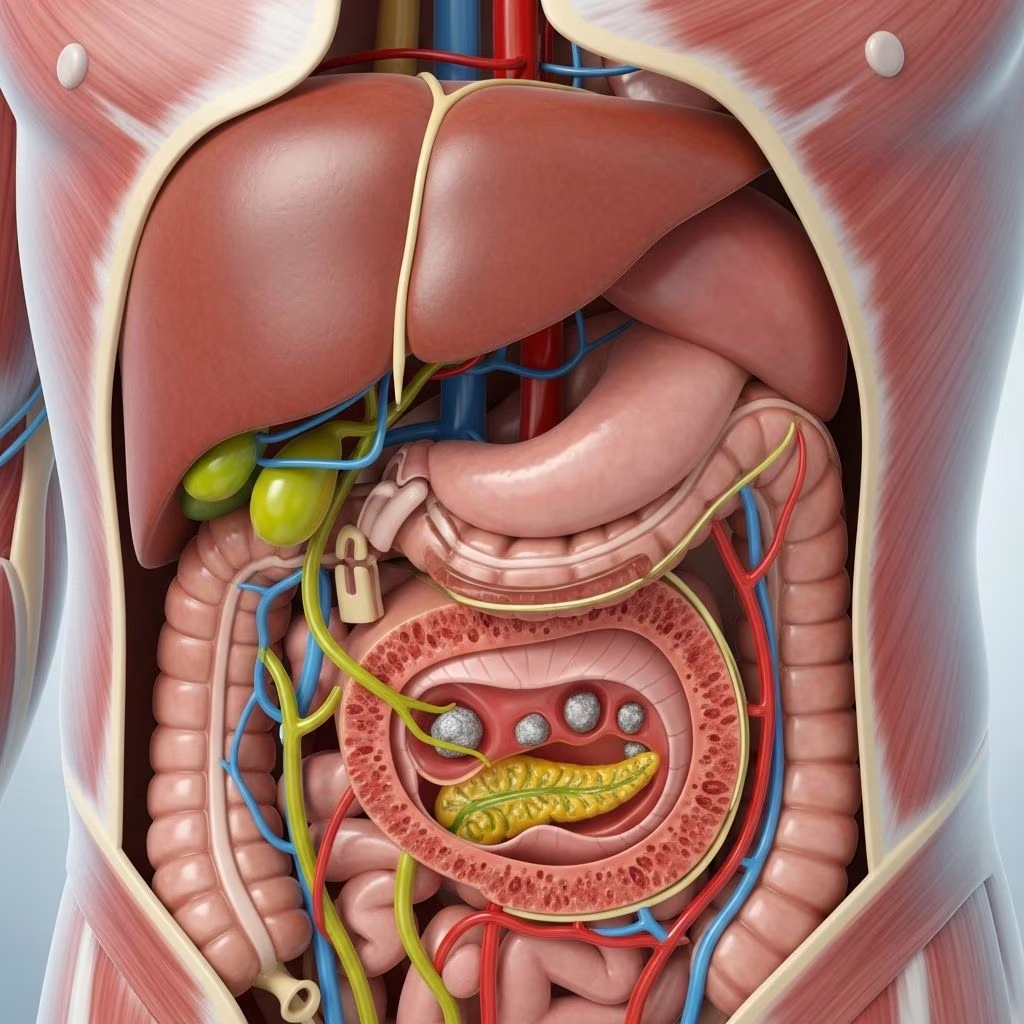
Ayurveda, often called the “science of life,” is an ancient holistic health system originating in India more than 5,000 years ago. Rooted in the belief that health depends on the harmony of mind, body, spirit, and environment, Ayurveda has stood the test of time. Today, it continues to offer a unique approach to wellness and prevention, blending ancient wisdom with contemporary health practices.
What Is Ayurveda?
Ayurveda is a Sanskrit term derived from ayur (life) and veda (knowledge or science), collectively translating to the “science of life.” Through a system that encompasses the physical, mental, and spiritual dimensions of health, Ayurveda emphasizes the balance of energies within us and our alignment with the natural world.
In the Ayurvedic view, everyone is unique, and individual health relies on personal constitution and the dynamic balance of physiological energies, environmental factors, and lifestyle choices.
- Origins: Ancient India, over 5,000 years ago.
- Focus: Promoting overall well-being, prevention, and natural healing.
- Philosophy: Health is a dynamic equilibrium between the internal self and the external environment.
Fundamental Concepts of Ayurveda
The Ayurvedic worldview is shaped by several core principles. Understanding these concepts can help you grasp its approach to health and healing.
The Five Elements (Pancha Mahabhuta)
Ayurveda describes everything in the universe, including the human body, as being composed of five fundamental elements:
- Ether (Space)
- Air
- Fire
- Water
- Earth
These elements are present in different proportions in matter, influencing individual constitution, environment, and health.
The Three Doshas: Vata, Pitta, and Kapha
From the five elements arise three basic energies, or doshas, that govern all bodily and mental functions:
- Vata Dosha (Space & Air): Controls movement, breathing, circulation, and nerve impulses.
- Pitta Dosha (Fire & Water): Regulates digestion, metabolism, and energy production.
- Kapha Dosha (Water & Earth): Maintains body structure, lubrication, and stability.
Every person inherits a distinctive combination of these three doshas, creating a unique individual constitution (prakriti).
The Concept of Balance
According to Ayurveda, good health is the result of a balanced state of the doshas, proper function of bodily tissues (dhatus), digestive fire (agni), and elimination processes (malas). Imbalance among the doshas due to lifestyle, diet, emotions, or environmental factors can lead to illness.
Ayurveda and the Science of Life
The term Ayurveda embodies a comprehensive view of living in harmony with oneself and the world. Its holistic focus includes physical, mental, emotional, and spiritual aspects of health. Ayurveda teaches that:
- Health is a balanced interplay between internal and external influences.
- The mind and senses constantly interact with the outside world, shaping well-being.
- The five senses correspond to the five elements, influencing both health and disease.
The goal is not only the absence of disease, but the attainment of sustainable happiness, longevity, and fulfillment.
Ayurvedic Diagnosis and Treatment Approaches
Ayurvedic assessment begins with evaluating a person’s unique constitution and identifying any imbalances. Practitioners consider a variety of factors, such as:
- Body type (prakriti)
- Current health status (vikriti)
- Digestive strength (agni)
- Daily routines and environmental influences
Treatment plans are then customized, targeting both symptoms and underlying causes to restore balance and promote healing.
Core Ayurvedic Therapies
Ayurvedic therapies are designed to maintain or restore equilibrium at every level of being, including body, mind, and spirit. The most common approaches include:
- Internal Purification (Panchakarma): A series of detoxification and rejuvenation therapies, consisting of five primary actions:
- Vamana (therapeutic vomiting)
- Virechana (purgation)
- Basti (medicated enemas)
- Nasya (nasal therapies)
- Rakta Moksha (bloodletting)
- Herbal Medicines: Plant-based remedies tailored to individual constitutions and conditions.
- Specialized Diet and Nutrition: Personalized food recommendations based on dosha, season, digestive strength, and local context.
- Lifestyle and Routine Adjustments: Guidance on sleep, exercise, work, relaxation, and daily habits.
- Massage and Bodywork: Oil massages (Abhyanga), herbal wraps, and steam therapies to balance doshas and rejuvenate tissues.
- Mind-Body Practices: Yoga, meditation, and breathing techniques (pranayama) for mental and emotional harmony.
Ayurveda and Nutrition
Food is considered both sustenance and medicine in Ayurveda. Dietary recommendations are highly personalized, taking into account an individual’s constitution, current balance or imbalance, season, and region.
- Six Tastes (Shad Rasa): Sweet, sour, salty, bitter, pungent, and astringent – all affect the doshas in distinct ways.
- Food Properties: Foods are classified based on qualities such as heaviness, lightness, moisture, dryness, heating, and cooling effects.
- Digestive Fire (Agni): A central focus, as strong digestion is believed to prevent disease and create vibrant health.
- Mind-Body Connection: Foods are seen to influence not just physical health, but psychological states and emotional well-being as well.
Traditional texts describe how food choices should vary with seasons, place, age, and activity, recognizing the dynamic interplay between individual and environment.
Prevention and Wellness through Ayurveda
While Ayurveda can address specific health conditions, its primary goal is prevention. Maintaining balance and harmony is emphasized as the foundation for strong immunity, resilience, and vitality. Key preventive measures include:
- Regular daily routines (dinacharya) tailored to individual doshic balance
- Seasonal routines (ritucharya)
- Balanced diet and mindful eating
- Stress management and emotional well-being through meditation, yoga, and self-care
- Detoxification practices such as Panchakarma during seasonal transitions
Ayurveda in the Modern World
With rising interest in holistic and integrative medicine, Ayurveda is experiencing renewed attention worldwide. Scientific research is exploring its principles, therapies, and effectiveness in preventing and managing chronic diseases. Modern applications include:
- Integrative care for chronic illnesses
- Personalized nutrition and lifestyle solutions
- Stress and sleep management
- Complementary use alongside conventional medicine
Global interest has prompted trans-disciplinary research and integrative models that blend Ayurvedic wisdom with modern biomedical knowledge. The holistic, individualized nature of Ayurveda—its focus on prevention, balance, and harmony—makes it a promising complement to contemporary health approaches.
Ayurveda and Scientific Inquiry
Although Ayurveda has a legacy rooted in tradition, there is a growing body of scientific and clinical research evaluating its concepts and outcomes:
- Studies on Panchakarma have indicated benefits for detoxification and improved metabolic health.
- Herbal formulations are being examined for their potential immune-modulating, anti-inflammatory, and adaptogenic effects.
- Ayurveda’s model of personalized nutrition and holistic therapies aligns with current trends in systems biology and personalized medicine.
Despite these advances, differences in philosophy and methodology often present challenges when translating Ayurvedic insights into the language of modern science. Ongoing research and open dialogue are expanding the evidence base and encouraging deeper engagement with this ancient knowledge system.
Benefits and Limitations of Ayurveda
| Benefits | Limitations |
|---|---|
|
|
Finding Qualified Ayurvedic Practitioners
If you are interested in exploring Ayurveda, it is important to consult qualified practitioners with recognized training and credentials. In some countries, Ayurveda is regulated, and registered professionals are recognized as part of the national health system. Seek out practitioners who:
- Have formal education from accredited Ayurvedic institutions
- Follow evidence-based, ethical, and individualized practice
- Communicate clearly with you and integrate care with your existing health providers
Frequently Asked Questions (FAQs)
Q: Is Ayurveda safe?
A: Ayurveda is generally safe when practiced under the guidance of qualified professionals. However, some herbal remedies may interact with conventional medicines or have side effects, so professional supervision and quality assurance are recommended.
Q: Can Ayurveda help with chronic disease?
A: Ayurveda offers preventive and supportive therapies for chronic conditions such as digestive disorders, joint problems, stress, and metabolic health. Its emphasis on lifestyle and root-cause analysis may complement conventional care.
Q: Do you need to be vegetarian to follow Ayurveda?
A: Although plant-based diets are often encouraged, Ayurveda recognizes individual needs and local traditions. Food choices are tailored to body type, age, region, and health requirements.
Q: How long does it take to see results with Ayurveda?
A: Results depend on the nature of your imbalance, adherence to suggested changes, and your unique constitution. Some people notice benefits quickly, while others see gradual improvement over weeks or months.
Q: Is Ayurveda only for prevention, or can it treat acute illnesses?
A: Ayurveda is widely used for prevention and long-term balance but also incorporates therapies for acute conditions. However, severe or emergency conditions should be addressed with appropriate conventional medical care.
Conclusion
Ayurveda’s vision of health as a personalized balance of body, mind, and spirit resonates now more than ever. Its foundational principles, adaptable practices, and growing integration into modern healthcare mark it as a powerful resource for anyone seeking holistic well-being. If you are considering Ayurvedic care, consult with qualified practitioners, communicate with your primary healthcare providers, and explore how this time-honored tradition might enrich your path to health and wellness.