Leaky gut syndrome, also known as increased intestinal permeability, has gained attention for its potential role in various digestive and systemic health issues. While research on the condition is ongoing, several supplements have shown promise in supporting the intestinal barrier and improving overall gut health. This guide reviews the leading evidence-based supplements, their mechanisms of action, scientific support, and key considerations for anyone looking to strengthen their digestive tract.
Supplements to Help Leaky Gut Syndrome
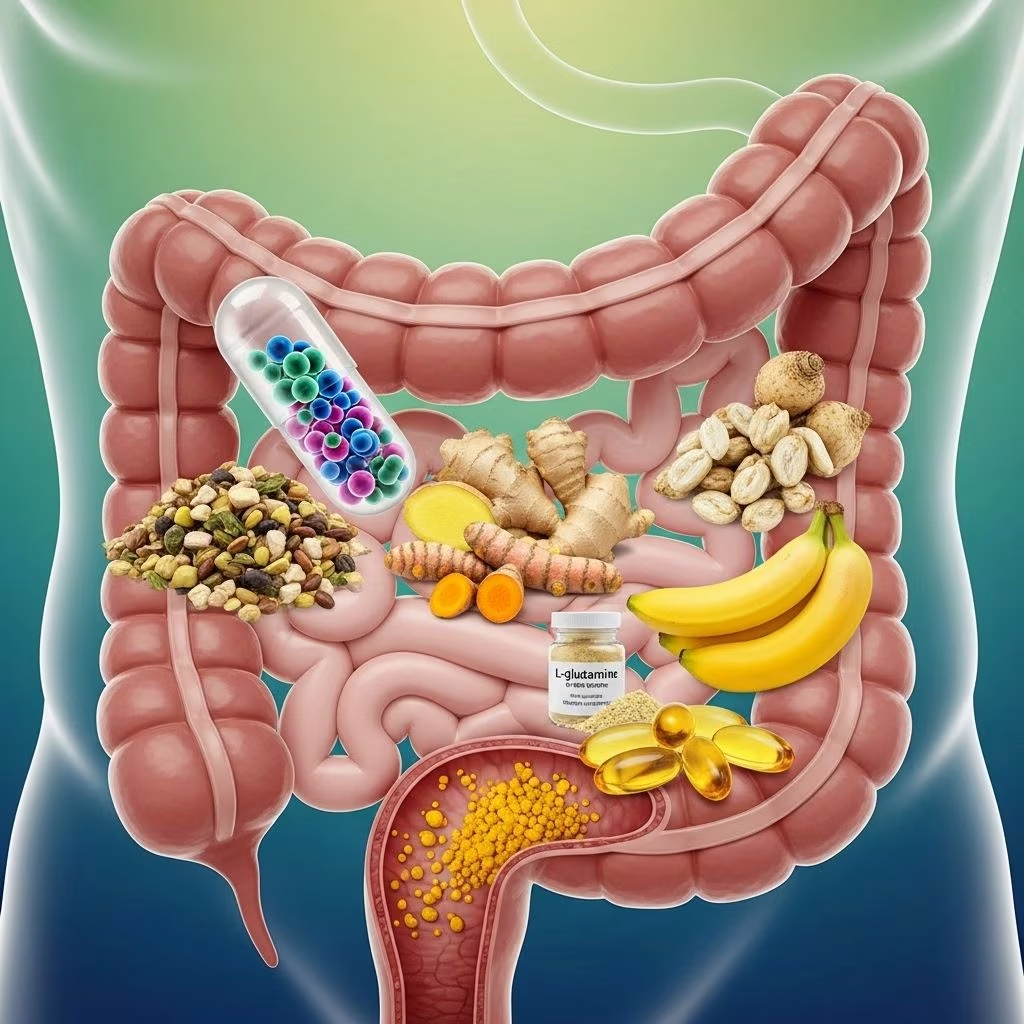
Multiple supplements have been investigated for their potential benefits in restoring intestinal barrier function and alleviating symptoms associated with leaky gut. Below, we explore prominent options backed by research.
- Zinc
- L-glutamine
- Collagen peptides
- Probiotics
- Fiber & Butyrate
- Deglycyrrhizinated Licorice (DGL)
- Curcumin
- Berberine
Zinc
Zinc is an essential trace mineral involved in numerous metabolic and immune processes. Zinc deficiency has been linked to increased intestinal permeability and compromised barrier function.
- Research shows zinc supplementation may help strengthen the gut lining, especially in people with Crohn’s disease or other gastrointestinal disorders.
- A 2015 study demonstrated zinc’s ability to modulate the tight junctions between intestinal cells, helping limit unwanted permeability.
Overall, zinc is among the best-supported supplements for promoting healthy intestinal integrity.
L-glutamine
L-glutamine is an amino acid that plays a vital role in digestive health and cellular repair.
- Helps repair and maintain the intestinal lining by supporting enterocyte (intestinal cell) growth and survival.
- Can help regulate intestinal barrier function during physical or physiological stress.
- Even low oral doses have been shown in small studies to improve gut permeability after strenuous exercise.
L-glutamine supplementation is widely regarded as safe and beneficial for those with increased gut permeability.
Collagen Peptides
Collagen peptides are hydrolyzed forms of collagen, making them more digestible and absorbable.
- Collagen provides vital structural support for tissues, including the intestinal lining.
- Studies suggest collagen peptides may help prevent the further breakdown of the gut lining and exhibit anti-inflammatory effects in the gastrointestinal tract.
Collagen, whether sourced from supplements or natural foods like bone broth, may help maintain the structural integrity of the digestive tract.
Probiotics
Probiotics are beneficial microorganisms known to support digestive and systemic health, particularly in gastrointestinal disease management.
- Probiotics improve the balance of the gut microbiome, which plays a crucial role in gut barrier function and immune regulation.
- In a 14-week clinical trial, multi-strain probiotic supplementation significantly reduced zonulin levels—a marker of increased gut leakage—especially after intense exercise.
Regular probiotic use can help promote a more resilient and balanced gut environment.
Fiber and Butyrate
Dietary fiber is foundational for digestive health and leaky gut prevention.
- Fermentable fibers are metabolized by gut bacteria into short-chain fatty acids like butyrate, which possess potent anti-inflammatory and barrier-supporting properties.
- Butyrate can stimulate mucus production and improve tight junction function in the gut lining.
Increasing fiber intake through food or supplements is a safe and effective way to support the health of your digestive system.
Deglycyrrhizinated Licorice (DGL)
DGL is a modified form of licorice root that removes glycyrrhizin, a compound with known side effects when consumed in excess.
- Licorice root naturally contains over 70 bioactive compounds.
- DGL is used to reduce inflammation, increase mucus production, and support the stomach lining without the risks associated with raw licorice.
- While promising, more clinical studies are needed to confirm its benefits specifically for leaky gut.
Curcumin
Curcumin, the active compound in turmeric, is celebrated for its anti-inflammatory and antioxidant properties.
- Poor systemic absorption may be advantageous because curcumin concentrates in the gastrointestinal tract.
- Its strong anti-inflammatory effects may explain its ability to benefit the gut lining and reduce inflammatory triggers.
Choosing a curcumin supplement formulated for enhanced absorption may offer more reliable results.
Berberine
Berberine is an alkaloid compound occurring naturally in several medicinal herbs, known for its broad therapeutic actions.
- Exhibits antioxidant, anti-inflammatory, antibacterial, and antiviral effects.
- Traditionally used in treating inflammatory bowel diseases.
- Recent animal models suggest berberine can help modulate mucus production and maintain intestinal lining integrity in the setting of gut inflammation.
While promising, further human studies will help clarify the ideal therapeutic dosing for leaky gut.
Comparison Table: Supplements for Leaky Gut
| Supplement | Main Functions | Key Evidence | Notes |
|---|---|---|---|
| Zinc | Strengthens gut barrier, immune support | Modifies tight junctions, improves permeability | Often recommended for Crohn’s disease |
| L-glutamine | Supports repair, cell growth, barrier regulation | Improves enterocyte survival, post-exercise recovery | Amino acid; safe for most adults |
| Collagen peptides | Repairs tissues, anti-inflammatory | Reduces further breakdown of lining | Bioavailable form is best |
| Probiotics | Balances microbiome, immune modulation | Lowers zonulin, improves GI flora | Multi-strain formulas preferred |
| Fiber & Butyrate | Stimulates mucus, supports flora | Increases butyrate, improves tight junctions | Dietary or supplemental sources |
| DGL | Reduces inflammation, increases mucus | Traditional gastric support | More research needed for leaky gut |
| Curcumin | Potent anti-inflammatory, antioxidant | Concentrates in GI tract | Low bioavailability; look for enhanced formulations |
| Berberine | Anti-inflammatory, modulates mucus | Promising animal studies | Traditionally used for gut issues |
Dietary Changes to Support Leaky Gut
In addition to supplements, modifying your diet can be critical for restoring gut health. Consider the following evidence-backed dietary habits:
- Increase intake of plant-based fibers through a variety of fruits, vegetables, legumes, and whole grains.
- Incorporate fermented foods (e.g., yogurt, kefir, sauerkraut) for natural probiotics.
- Limit processed foods, excess sugar, and known inflammatory foods (such as some refined oils and food additives).
- Choose anti-inflammatory herbs and spices, like turmeric and ginger, in everyday cooking.
- Drink plenty of water and consider bone broth for its collagen content.
Guidelines and Safety Considerations
Before beginning any new supplement regimen, it’s essential to consult a healthcare professional, especially for those with pre-existing conditions or those taking prescription medications. Key safety points:
- Dosage guidance: Select products from reputable brands and follow dosing recommendations.
- Interactions: Be aware of possible drug-supplement interactions; for instance, zinc can interfere with certain antibiotics, and licorice root may affect blood pressure.
- Pregnancy & children: Many supplements are not sufficiently studied for use during pregnancy or in young children.
- Not all supplements are suitable for every individual; monitor for adverse reactions and discontinue use if necessary.
Frequently Asked Questions (FAQs)
What is leaky gut syndrome?
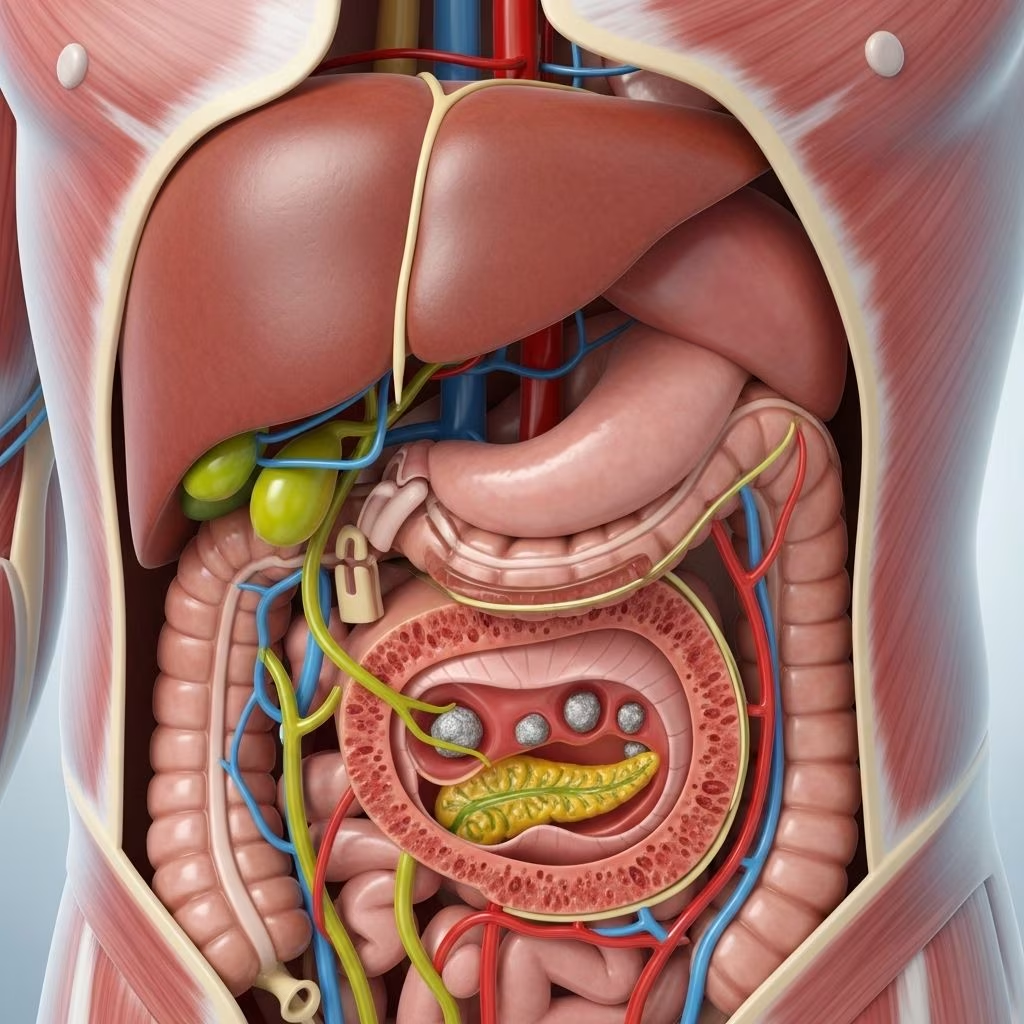
Leaky gut syndrome refers to increased intestinal permeability, where the lining of the small intestine develops gaps that allow bacteria, toxins, and undigested food particles to escape into the bloodstream. Symptoms can include digestive discomfort, fatigue, and systemic inflammation, though the condition is still under active scientific investigation.
Which supplement is the most effective for leaky gut?
No single supplement is universally considered “the best.” However, zinc, L-glutamine, and probiotics have the strongest research support for strengthening the gut lining and reducing permeability.
How long does it take to see improvement with these supplements?
Improvements may be seen in a few weeks, but healing depends on individual health status, diet, and adherence to a comprehensive treatment plan. Persistent or severe symptoms should be evaluated by a healthcare professional.
Can you heal leaky gut with diet alone?
Dietary changes—such as reducing processed foods and increasing fiber and fermented foods—are crucial and sometimes sufficient for mild cases. Supplements may provide additional support, especially for those with significant permeability or underlying GI disorders.
Are there side effects to these supplements?
Most supplements described are safe when used as directed, but some (e.g., excessive zinc or licorice) can cause side effects. Always work with a healthcare provider before starting new supplements, especially if you have chronic health conditions.
The Bottom Line
If you’re dealing with symptoms of leaky gut or have been diagnosed with the condition, research-backed supplements—including zinc, L-glutamine, collagen peptides, probiotics, fiber, deglycyrrhizinated licorice, curcumin, and berberine—may help restore intestinal barrier function and support your digestive health. Combine these with a healthy, balanced diet low in processed and inflammatory foods for best results. Always consult your healthcare provider for tailored advice and before adding new supplements to your wellness routine.
References
- https://www.healthline.com/health/digestive-health/leaky-gut-supplements
- https://www.brightlifechiro.com/10-supplements-that-provide-health-and-healing-for-leaky-gut/
- https://www.healthline.com/nutrition/leaky-gut-diet
- https://pmc.ncbi.nlm.nih.gov/articles/PMC11345991/
- https://pmc.ncbi.nlm.nih.gov/articles/PMC9862683/
- https://my.clevelandclinic.org/health/diseases/22724-leaky-gut-syndrome
- https://www.health.harvard.edu/blog/leaky-gut-what-is-it-and-what-does-it-mean-for-you-2017092212451
- https://www.medicalnewstoday.com/articles/326117
- https://www.betterhealth.vic.gov.au/health/healthyliving/gut-health