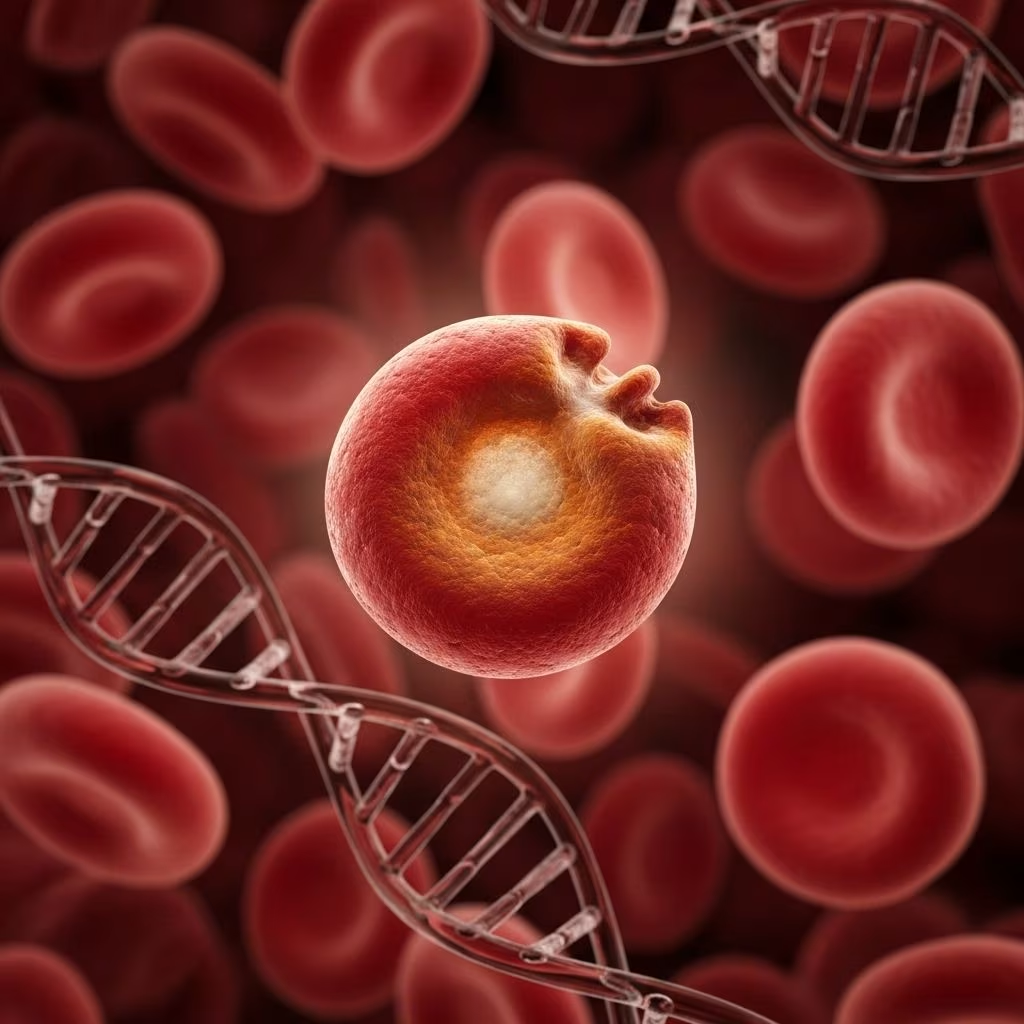
Beta thalassemia is a chronic, inherited blood disorder distinguished by reduced production or absence of beta-globin chains—a component of hemoglobin that is vital for healthy red blood cells. This causes anemia that ranges from mild to life-threatening. The disorder affects people worldwide and is particularly common in Mediterranean, Middle Eastern, African, and South Asian populations.
Advances in diagnosis, management, and treatment have greatly improved the quality of life and life expectancy for people with beta thalassemia. This comprehensive article explores the disorder’s causes, symptoms, diagnosis, treatment, and everyday considerations for patients and families.
What Is Beta Thalassemia?
Beta thalassemia is a group of congenital (present at birth) blood disorders affecting hemoglobin—the protein in red blood cells (RBCs) that carries oxygen throughout the body. Mutations in the HBB gene disrupt the normal production of beta-globin chains, leading to defective or insufficient hemoglobin. As a result, red blood cells become fragile and are destroyed more quickly, which leads to anemia (low RBC count and hemoglobin levels).
- Beta thalassemia is inherited in an autosomal recessive pattern, meaning a child must inherit one abnormal gene from each parent to have the disease.
- Carriers who have only one mutated gene (thalassemia trait/minor) usually do not experience significant symptoms.
- The specific severity of beta thalassemia depends on which mutations are present and how much beta-globin is produced.
Types of Beta Thalassemia
Beta thalassemia can be classified into several types according to genetic makeup and clinical severity:
| Type | Alternate Names | Severity | Key Features |
|---|---|---|---|
| Beta Thalassemia Major | Cooleys anemia | Severe | Develops infancy; life-threatening anemia; requires lifelong transfusions |
| Beta Thalassemia Intermedia | Moderate | Symptoms vary; may need transfusions at times | |
| Beta Thalassemia Minor | Thalassemia trait | Mild | Usually no symptoms or mild anemia |
Some rare forms, such as beta-thalassemia with additional hemoglobin mutations (e.g., E-beta thalassemia), also exist.
Beta Thalassemia Major (Cooleys Anemia)
- Presents within the first two years of life with severe anemia, poor growth, and bone changes.
- Requires regular blood transfusions and comprehensive medical care for survival.
- Untreated, it can result in death from heart failure or organ complications.
Beta Thalassemia Intermedia
- Symptoms are less severe than major.
- Some patients require transfusions, particularly during times of stress, illness, or rapid growth.
- The course and complications can vary widely.
Beta Thalassemia Minor (Trait)
- One defective beta-globin gene.
- Usually asymptomatic or has only mild anemia.
- Individuals may not realize they are carriers unless special testing is performed.
What Causes Beta Thalassemia?
Beta thalassemia is caused by mutations in the HBB gene on chromosome 11, which provides instructions for making beta-globin. Over 200 mutations can affect this gene, impacting the amount and function of beta-globin chains in varying degrees.
Inheritance follows an autosomal recessive pattern:
- Both parents must be carriers (have one abnormal gene each) for a child to inherit the most severe form.
- If both parents are carriers:
- There is a 25% chance the child will inherit both abnormal genes (beta thalassemia major).
- A 50% chance the child will be a carrier (beta thalassemia minor).
- A 25% chance the child will inherit two normal genes.
Who Is at Risk?
- Beta thalassemia occurs globally but is more common in people of Mediterranean (Italian, Greek), Middle Eastern, Southeast Asian, and African descent.
- The risk is higher if there is a family history of thalassemia.
- Carriers are often healthy but can pass the gene to offspring.
Symptoms and Signs
Symptoms depend on the type of beta thalassemia and its severity.
Beta Thalassemia Major:
- Severe, chronic anemia beginning in infancy
- Pale or yellowish skin (jaundice)
- Weakness, fatigue, and irritability
- Poor appetite and growth delays
- Bone deformities, especially in the face and skull, due to marrow expansion
- Enlarged spleen and liver (splenomegaly, hepatomegaly)
- Enlarged heart or heart failure over time
- Increased risk of infections
Beta Thalassemia Intermedia:
- Moderate anemia
- Slow growth rates
- Spleen enlargement may occur
Beta Thalassemia Minor:
- Usually asymptomatic
- Mild anemia or slightly reduced red blood cell size
- No treatment needed
Complications of Beta Thalassemia
- Iron overload: Repeated transfusions and increased absorption of dietary iron can lead to dangerous levels of iron in organs.
- Bone changes: Marrow expansion causes skeletal abnormalities in face and long bones.
- Splenomegaly: Enlarged spleen may lead to additional health issues and require surgical removal (splenectomy).
- Gallstones and jaundice: Due to rapid breakdown of red blood cells and excess bilirubin.
- Growth and development problems: Particularly in children with chronic anemia.
- Organ damage: Especially to the heart, liver, and endocrine glands from excess iron.
- Infections: Due to impaired immunity, especially post-splenectomy.
Diagnosis
Early and accurate diagnosis is vital for optimal management. Diagnostic steps usually include:
- Physical examination: Checking for signs of anemia, jaundice, and organ enlargement.
- Blood tests:
- Complete blood count (CBC): Reveals anemia and smaller than normal red blood cells (microcytosis).
- Hemoglobin electrophoresis: Identifies abnormal hemoglobin types and quantifies them.
- Serum ferritin: Checks for iron overload.
- Reticulocyte count: Measures how quickly new red cells are produced.
- Genetic testing: Detects mutations in the HBB gene for confirmation and family counseling.
- Family testing: Screening other family members for carrier status is recommended.
- Prenatal testing: Chorionic villus sampling or amniocentesis can detect the disorder before birth if both parents are carriers.
Management and Treatment Options
Beta thalassemia requires ongoing care:
Blood Transfusions
- Regular red blood cell transfusions are the mainstay for moderate and severe cases.
- Raise hemoglobin to safe levels, improve oxygen delivery, and support normal growth and activity.
- Transfusions do not cure the disease but are often required for life in thalassemia major.
- Monitor for blood-borne infections and transfusion reactions.
Iron Chelation Therapy
- Iron accumulates in organs from frequent transfusions.
- Chelation medications remove excess iron, preventing damage to the heart, liver, and pancreas.
- Options include deferoxamine (injection), deferasirox, and deferiprone (orally).
Folic Acid Supplementation
- Folate (vitamin B9) helps red blood cell production.
- Supplementation is recommended for many patients.
Surgical Treatment
- Splenectomy: Removal of the spleen may be indicated if it becomes severely enlarged or causes increased blood cell destruction.
- Risks include a higher chance of certain infections; preventive antibiotics and vaccinations are important.
Bone Marrow (Stem Cell) Transplantation
- The only established cure for beta thalassemia.
- Suitable options require a compatible donor, typically a sibling.
- Transplant carries significant risks and is usually reserved for severe cases.
Experimental and Promising Therapies
- Gene therapy: Research into modifying or correcting genetic defects is advancing with early encouraging results.
- Other novel agents aim to stimulate fetal hemoglobin (HbF) production or improve red cell survival.
Managing Complications
- Regular iron monitoring and chelation to lower risk of organ failure.
- Bone health monitoring and supplementation (calcium, vitamin D) if needed.
- Growth and development surveillance in children.
- Heart and liver function tests to detect early signs of damage.
- Vaccinations (especially for people without a spleen) and rapid treatment of infections.
- Endocrine (hormone) assessments for diabetes, thyroid, and reproductive health due to iron overload effects.
Living with Beta Thalassemia
Beta thalassemia is a lifelong condition for most patients. With modern therapies and comprehensive care, life expectancy and quality of life have improved significantly. Keys to living well with beta thalassemia include:
- Ongoing medical follow-up by a specialist familiar with thalassemia.
- Adhering to transfusion and chelation regimens.
- A healthy, nutritious diet (avoid iron supplements unless prescribed).
- Prompt attention to infections or fever.
- Staying up to date with recommended vaccinations.
- Psychosocial support and counseling for the patient and family.
- Genetic counseling for affected families who wish to have children.
Prevention and Genetic Counseling
- Beta thalassemia cannot be prevented in affected individuals, but screening and genetic counseling can significantly reduce future transmission risks.
- Carrier screening for at-risk couples enables informed reproductive choices.
- Prenatal diagnosis through chorionic villus sampling or amniocentesis can identify affected fetuses.
- Assisted reproduction options (such as preimplantation genetic diagnosis) may be considered by some families.
Research and Future Directions
- Ongoing research is rapidly expanding disease management options.
- Novel gene therapy trials are underway, aiming for a functional cure for more people.
- New drugs to increase fetal hemoglobin and mimic healthy adult red cell production are on the horizon.
Frequently Asked Questions (FAQs)
What is the life expectancy for someone with beta thalassemia?
With modern management, many patients—especially those who follow recommended transfusion and chelation protocols—can enjoy a near-normal life expectancy. Early diagnosis and ongoing comprehensive care are crucial.
Is beta thalassemia contagious?
No. Beta thalassemia is not contagious; it is a genetic condition inherited from one or both parents.
Can carriers of beta thalassemia develop health problems?
Carriers (beta thalassemia minor) are usually healthy and do not experience severe symptoms. Some may have mild anemia but generally lead normal lives.
Can beta thalassemia be cured?
The only established cure is a stem cell (bone marrow) transplant from a compatible donor. This procedure is complex and not suitable for all patients. Gene therapy offers hope for future cures.
Should people with beta thalassemia avoid iron in their diet?
Unless a physician prescribes iron, most patients should avoid iron supplements, as iron overload is a significant risk due to transfusions. Dietary iron should not be excessive.
Where to Find Support and Resources
- International Thalassemia Federation
- Cooley’s Anemia Foundation
- American Society of Hematology
- Consult local hematology clinics and patient support groups for information, education, and community support.
Key Takeaways
- Beta thalassemia is an inherited disorder causing reduced or absent production of beta-globin, leading to anemia of varying severity.
- There are three main types: major (severe), intermedia (moderate), and minor (mild/carrier).
- Management usually requires a combination of regular transfusions, iron chelation, and multidisciplinary care.
- Genetic counseling and carrier screening help prevent recurrence in at-risk families.
- With comprehensive care, most people can live healthy, productive lives.
References
- https://en.wikipedia.org/wiki/Beta_thalassemia
- https://www.webmd.com/a-to-z-guides/beta-thalassemia-overview
- https://www.merckmanuals.com/professional/hematology-and-oncology/anemias-caused-by-hemolysis/thalassemias
- https://rarediseases.info.nih.gov/diseases/871/beta-thalassemia
- https://ru.scribd.com/document/710648425/Beta-Thalassemia-Johns-Hopkins-Medicine