Most people are familiar with the recommendation to get 7-9 hours of uninterrupted sleep each night. However, this single block approach—known as monophasic sleep—is not the only way humans have rested through history. Increasing attention is being paid to biphasic sleep—the practice of dividing one’s sleep into two distinct periods within 24 hours. But what is biphasic sleep, why does it intrigue both researchers and everyday sleepers, and could it foster better rest, productivity, or well-being?
What Is Biphasic Sleep?
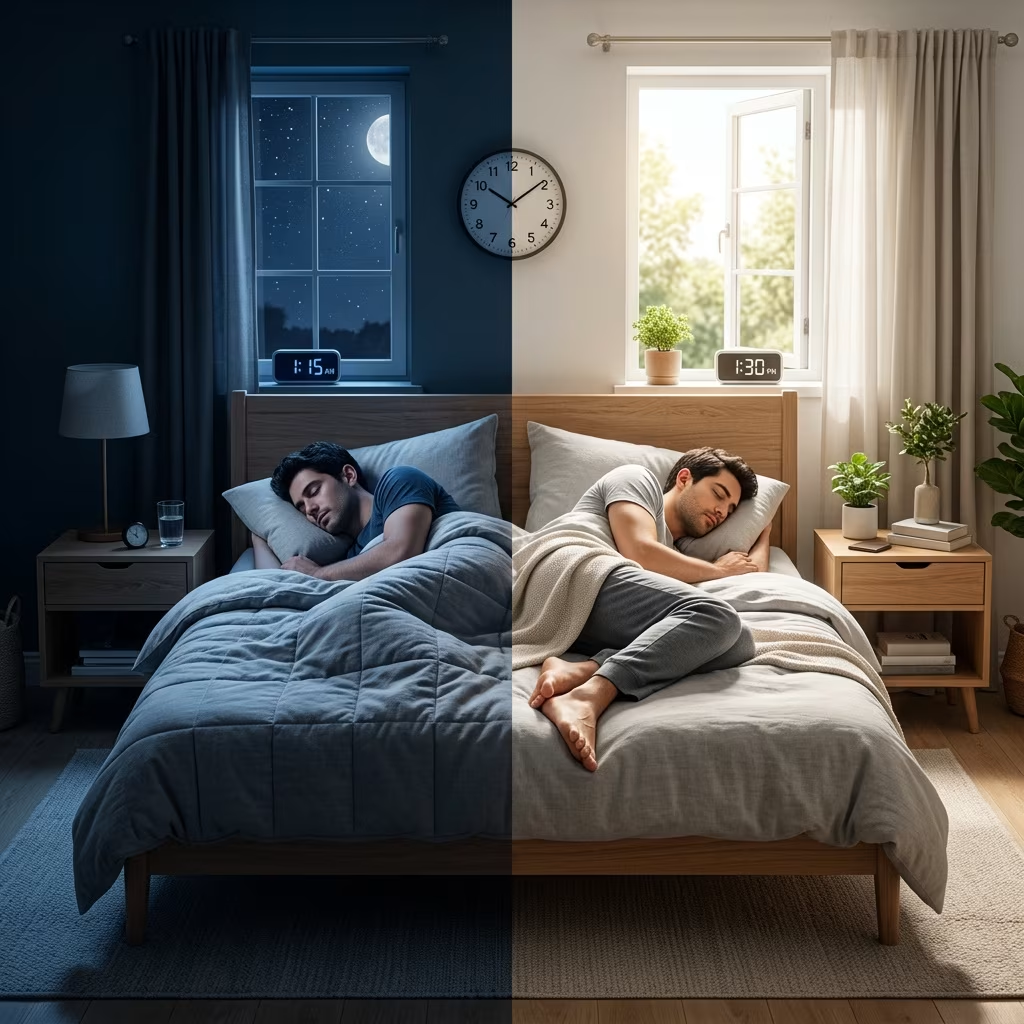
Biphasic sleep refers to a sleep pattern in which a person sleeps in two separate segments, typically dividing the recommended daily sleep allowance into two main periods. This is in contrast to monophasic sleep (a single continuous block) or polyphasic sleep (multiple short segments).
- Common biphasic patterns include a longer period at night plus a nap during the day, or splitting the night into two distinct stretches with a waking interval in between.
- Biphasic sleep is sometimes called segmented sleep when both periods occur during nighttime, often with a wakeful window around midnight.
More people today are exploring biphasic sleep for potential benefits in alertness, productivity, and work-life scheduling flexibility.
The Historical Roots of Biphasic Sleep
The concept of sleeping through the night in one uninterrupted stretch is a relatively modern construct. Historical research reveals that for much of human history—especially before the industrial revolution—most people followed a biphasic or segmented sleep pattern.
- Before widespread artificial lighting, people often went to bed after dusk, slept for several hours (“first sleep”), woke for one to three hours at night (sometimes spent reading, praying, or socializing), then returned to bed for their “second sleep” until dawn.
- This pattern has been documented in numerous cultures, including medieval Europe, as well as in traditional societies near the equator that do not have dramatic seasonal daylight fluctuations.
- Siesta cultures, such as in Spain and some parts of Latin America, also evolved a biphasic pattern involving an afternoon nap in addition to overnight sleep.
The decline of biphasic sleep coincided with the rise of electric lighting and the shift towards rigid work schedules requiring consistent, early-morning wake times.
Science and Modern Perspectives on Biphasic Sleep
While population-level sleep research has traditionally focused on monophasic sleep, modern scientific inquiry has begun to revisit biphasic patterns. Several studies indicate that dividing sleep into two segments can support cognitive function, mood regulation, and greater flexibility for people with nontraditional schedules or insomnia.
| Sleep Pattern | Description | Common in |
|---|---|---|
| Monophasic | One continuous sleep period, usually at night | Modern Western societies |
| Biphasic | Two sleep segments (e.g., night split in two, or night + nap) | Pre-industrial Europe, siesta cultures |
| Polyphasic | Three or more shorter sleep segments per 24 hours | Infants, some night-shift workers |
Research also confirms that short naps—an element of biphasic sleep—can provide measurable benefits to memory, logical reasoning, and creativity. Some sleep scientists hypothesize that for certain populations, biphasic sleep is not only natural, but possibly optimal, especially when total sleep time remains consistent with physiological needs.
Types of Biphasic Sleep Patterns
Biphasic sleep can take several forms, typically categorized as follows:
- Segmented (or split) night sleep: A nighttime routine consisting of two blocks of sleep separated by a period of wakefulness, often lasting from 30 minutes to two hours.
- Siesta model: A longer primary sleep at night paired with a midday nap, typically lasting 20-90 minutes.
The choice of model depends on individual needs, lifestyle, and cultural context.
Segmented Night Sleep Sample Schedule
- Sleep: 9:00 PM – 1:00 AM
- Wake: 1:00 AM – 2:30 AM (quiet, low-light activities)
- Sleep: 2:30 AM – 7:00 AM
Siesta Model Sample Schedule
- Night sleep: 11:00 PM – 5:30 AM
- Nap: 1:30 PM – 2:10 PM
Potential Benefits of Biphasic Sleep
The renewed interest in biphasic sleep is driven by a range of potential benefits for cognitive, emotional, and lifestyle factors. While individual results may vary, sleep researchers and anecdotal reports suggest the following:
- Improved Cognitive Function: Segmenting sleep may bolster focus, concentration, problem-solving abilities, and memory recall. Short naps, in particular, have been shown to boost learning and mental agility.
- Enhanced Productivity: Increased wakefulness and alertness between sleep segments can lead to greater productivity, especially for those with creative or demanding workloads.
- Reduced Stress: The wake interval in the segmented model can become a period for deep relaxation, meditation, or reflective activities—potentially aiding stress management.
- Improved Dream Recall and Creativity: The biphasic pattern, with its intervening wakeful period, can allow for more vivid dreams and better dream recall, a phenomenon that some people associate with special insight or creative breakthroughs.
- Flexible Scheduling: Biphasic sleep can offer more adaptability for people balancing work, parenting, study, or shift work, who may struggle with rigid 8-hour monophasic requirements.
- Emotional and Mood Benefits: Some research suggests that people who nap regularly in a biphasic pattern experience improved mood and a decrease in errors or accidents at work.
- Support for Insomnia Management: Understanding the naturalness of nighttime awakenings can help reduce sleep anxiety for people experiencing middle-of-the-night wakefulness, potentially improving overall sleep quality.
Drawbacks and Limitations of Biphasic Sleep
While biphasic sleep offers appealing potential, it does not suit everyone. There are also limitations and challenges to consider:
- Lack of robust research: Compared to monophasic sleep, large-scale longitudinal research on the effects of biphasic sleep in adults is still limited. More evidence is needed to confirm long-term safety and effectiveness for different groups.
- Work and societal constraints: Many jobs, school schedules, and social obligations assume a monophasic sleep schedule, making it impractical for some to experiment with biphasic routines.
- Potential for insufficient total sleep: If an individual reduces sleep duration in an attempt to lengthen waking periods, sleep deprivation and its negative effects can occur. Adequate cumulative sleep is essential, regardless of schedule.
- Adjustment period: Transitioning from a monophasic to a biphasic pattern may necessitate several weeks of trial-and-error as the body adapts. Some may experience transient grogginess, brain fog, or mood changes during this adaptation phase.
Who Might Benefit from Biphasic Sleep?
Biphasic sleep may be particularly suitable for:
- People with flexible work or school schedules
- Those who experience natural nighttime awakenings
- Parents of young children
- Shift workers or those with irregular hours
- Individuals seeking ways to combat midday sleepiness
- People interested in potentially increasing creative output
However, anyone considering a change to their sleep pattern—especially if they have pre-existing sleep disorders, chronic illnesses, or mental health conditions—should first consult with a healthcare provider or sleep specialist.
Tips for Trying Biphasic Sleep Safely
If you’re interested in experimenting with biphasic sleep, consider these evidence-backed and practical strategies:
- Prioritize total sleep duration: Aim for at least 7-9 hours of sleep across both segments, as recommended by sleep experts for most adults.
- Keep naps short and early: For the siesta model, a nap of 20-90 minutes in the early-to-mid afternoon is ideal to avoid disrupting nighttime sleep.
- Embrace dim light in the nighttime wake period: If following segmented night sleep, keep lighting subdued to avoid signaling daytime to your circadian rhythm.
- Engage in calm activities: During nighttime wakeful periods, try quiet activities such as reading, meditation, or journaling rather than screen time.
- Maintain consistency: Stick to regular sleep/wake times as much as possible—even on weekends—to help your body adapt.
- Track your sleep and mood: Journaling or using a sleep tracking device can help you monitor how the new routine impacts your alertness, energy, and mood.
- Consult a professional: If you have insomnia, excessive daytime sleepiness, or chronic sleep concerns, consult a sleep specialist before testing new patterns.
Biphasic Sleep vs. Polyphasic Sleep
It’s important to distinguish biphasic sleep from polyphasic sleep, which involves three or more sleep segments within 24 hours. Polyphasic sleep may sometimes occur among infants or due to certain medical conditions but is rarely advised for healthy adults—intentional reduction of total sleep typically leads to sleep deprivation, impaired cognitive performance, and increased health risks.
| Sleep Type | Segments/Day | Recommended For |
|---|---|---|
| Monophasic | 1 | Most adults |
| Biphasic | 2 | Flexible schedules, some cultures, shift workers, those with natural nighttime awakenings |
| Polyphasic | 3+ | Infants, certain health conditions (otherwise generally not recommended) |
FAQs: Frequently Asked Questions About Biphasic Sleep
Is biphasic sleep natural?
Historical and anthropological evidence suggests that biphasic sleep was the prevailing pattern for centuries before the rise of artificial lighting and modern work schedules. Today, both natural nighttime awakenings and midday napping persist in many cultures and individuals.
Will switching to biphasic sleep cure my insomnia?
Changing your sleep pattern may help some individuals better cope with nighttime wakefulness by reframing it as normal, not pathological. However, persistent insomnia deserves a medical evaluation to rule out underlying conditions.
Can I get less sleep if I sleep biphasically?
No. Regardless of how you schedule your sleep, total sleep time should meet your personal requirements (usually 7-9 hours for adults). Artificially shortening rest risks cumulative sleep debt and diminished well-being.
If I wake up for an hour at night, should I panic?
No—occasional nighttime wakefulness is common and may reflect a natural biphasic tendency. Engage in quiet, relaxing activities in low light until you feel sleepy again.
Is biphasic sleep supported by science?
Short-term studies show cognitive and mood benefits from split sleep and napping, but more research is needed on long-term health effects.
Final Thoughts
Biphasic sleep is a scientifically intriguing alternative to single-block slumber, with deep roots in human culture and promising—but as yet not fully proven—benefits for cognition, productivity, and emotional health. While it is not a cure-all and won’t suit every lifestyle, biphasic sleep presents a flexible, historically resonant option worth considering for those whose nighttime or daytime rhythms support it. As always, listen to your body, prioritize total sleep hours, and consult a sleep professional if you have significant sleep challenges.
References
- https://honeydewsleep.com/blogs/news/understanding-biphasic-sleep
- https://sleepopolis.com/education/biphasic-sleep/
- https://sleepdoctor.com/pages/health/biphasic-sleep
- https://choosemuse.com/blogs/news/could-a-biphasic-sleep-schedule-benefit-you
- https://www.sleepfoundation.org/how-sleep-works/biphasic-sleep
- https://www.healthline.com/health/biphasic-sleep