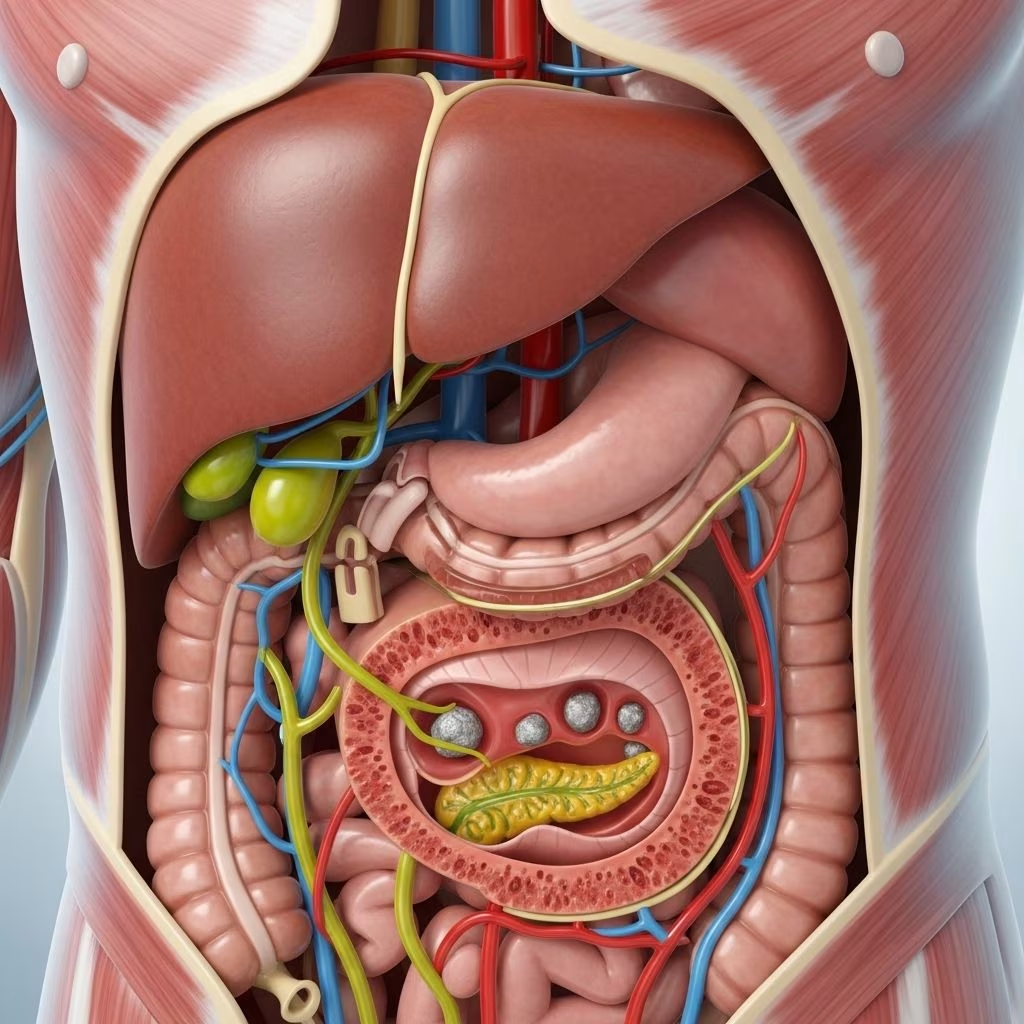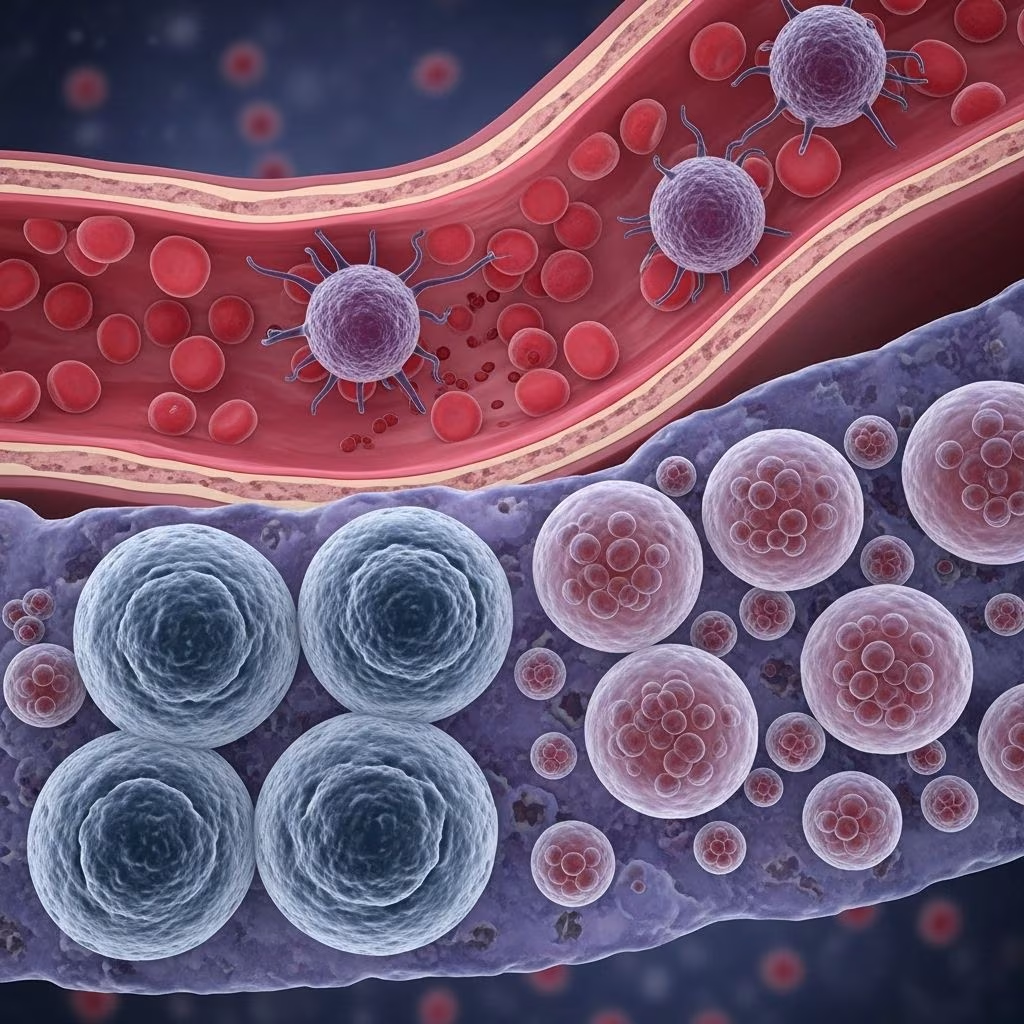
Biphenotypic acute leukemia (BAL) is a rare, aggressive cancer originating from cells showing characteristics of both major types of blood cell lineages—lymphoid and myeloid. This mixed-phenotype disease makes diagnosis and treatment more challenging compared to other forms of acute leukemia.
What Is Biphenotypic Acute Leukemia?
Leukemia is a term that refers to cancers of the blood-forming tissues, especially the bone marrow and lymphatic system. Most cases of acute leukemia are classified as either:
- Acute lymphoblastic leukemia (ALL): Originates from lymphoid cells, which mature into white blood cells called lymphocytes that help your body fight infection.
- Acute myeloid leukemia (AML): Originates from myeloid cells, which mature into granulocytes and monocytes, important types of white blood cells that also help battle infections.
However, in BAL, the cancerous cells demonstrate properties of both lymphoid and myeloid cells. This overlap is what gives the disease its “biphenotypic” designation.
According to current classification systems, some experts use the umbrella term mixed-phenotype acute leukemia (MPAL) for these cases. The World Health Organization (WHO) included this terminology in its 2008 revised criteria for leukemia classification.
Understanding the Basics: Key Cell Types
| Cell Type | Originates From | Main Function |
|---|---|---|
| Lymphoid cells | Hematopoietic stem cell → Lymphoid lineage | Develop into lymphocytes (B cells, T cells), defend against infections |
| Myeloid cells | Hematopoietic stem cell → Myeloid lineage | Develop into granulocytes and monocytes, help fight pathogens |
| Biphenotypic leukemia cells | Hematopoietic stem cell with mixed characteristics | Display markers of both lymphoid and myeloid lineages |
Causes and Risk Factors for BAL
The precise causes of biphenotypic leukemia remain under investigation. However, the disease is known to arise when mutations occur in early-stage blood-forming (hematopoietic) stem cells, causing them to display features of both cell lineages.
Known or theorized risk factors include:
- Genetic abnormalities: Specific chromosomal changes and gene mutations are common in BAL, such as the Philadelphia chromosome (t(9;22) translocation).
- Previous chemotherapy or radiation therapy: Prior cancer treatments can damage bone marrow and DNA, potentially triggering leukemia.
- Inherited conditions: Rare hereditary syndromes may increase susceptibility to acute leukemias in general.
Despite these associations, BAL most often occurs sporadically without a clearly defined cause in the majority of diagnosed individuals.
Who Is at Risk for Biphenotypic Acute Leukemia?
Both adults and children can develop BAL, but the disorder is exceedingly rare, accounting for less than 5% of all acute leukemia cases.
Some important points about risk demographics:
- No specific age group immunity: BAL can occur at any age, but some studies suggest a slightly higher incidence in adults.
- Gender: Males may be affected more often than females, although clear data are limited.
- Genetic predispositions: Those with predisposing genetic changes or underlying syndromes are at higher risk for acute leukemias, including BAL.
Symptoms of Biphenotypic Acute Leukemia
The symptoms of BAL largely resemble those of other acute leukemias and result from the replacement of healthy bone marrow with abnormal leukemia cells. This leads to impaired blood cell production and systemic effects.
Common symptoms include:
- Fatigue and weakness: Due to anemia (low red blood cell counts)
- Frequent or severe infections: From low white blood cell counts and dysfunctional immune response
- Easy bruising or bleeding: Caused by low platelet counts (thrombocytopenia)
- Unexplained weight loss
- Fever and night sweats
- Bone pain or discomfort
- Swollen lymph nodes or enlarged spleen/liver (less common; organ involvement)
Symptoms can develop rapidly, reflecting the aggressive nature of acute leukemias, and may escalate without swift intervention.
Causes: The Underlying Mechanisms
BAL results from DNA mutations in hematopoietic stem cells, but what triggers these mutations is not always known. Scientists are exploring the role of environmental exposures, prior treatments, and random genetic errors. Certain chromosomal changes, including those commonly found in AML and ALL, are especially prevalent in biphenotypic leukemia:
- Philadelphia chromosome (t(9;22)): Associated with a worse prognosis, this genetic abnormality is often found in BAL cases.
- Other cytogenetic changes: Abnormalities such as monosomy 7, t(4;11), and complex karyotypes have been identified.
Experts suspect these genetic disruptions enable cells to bypass the usual lineage commitment, manifesting the mixed phenotype that characterizes BAL.
Diagnosis: How Is Biphenotypic Acute Leukemia Identified?
Diagnosing BAL is a complicated, multi-step process requiring advanced laboratory tests to distinguish it from AML, ALL, or other ambiguous acute leukemias.
The main diagnostic steps include:
- Medical history and physical examination: Review of symptoms and overall health.
- Blood tests: Revealing abnormal blood counts or the presence of leukemia cells.
- Bone marrow aspiration and biopsy: Examination of marrow cells under a microscope for morphological and immunophenotypic characteristics.
- Immunophenotyping (flow cytometry): Identifies the specific proteins (antigens) on the surface of leukemia cells, essential for determining lineage involvement (myeloid vs. lymphoid markers).
- Cytogenetic and molecular testing: Looks for chromosomal abnormalities (e.g., Philadelphia chromosome, MLL gene rearrangements) and genetic mutations.
In the WHO classification, a diagnosis of mixed-phenotype leukemia is made when leukemia cells express markers from more than one lineage to a certain degree, according to defined scoring systems. Accurate classification is crucial for choosing an appropriate treatment strategy.
Treatment Options for Biphenotypic Acute Leukemia
Because BAL is rare and complex, there are no universally accepted treatment protocols. Most recommendations are based on small studies, expert opinion, and evolving clinical experience.
The core treatment approaches are as follows:
- Intensive chemotherapy: Regimens drawn from therapies used in either ALL, AML, or a combination of both. Recent data suggest that ALL-based regimens may be more effective in BAL than AML-based ones.
- Allogeneic stem cell transplantation (SCT): A cornerstone of management, SCT involves replacing a patient’s diseased bone marrow with healthy cells from a donor. SCT delivers the best prospects for long-term remission, especially when combined with chemotherapy.
- Targeted therapies: In some patients with specific genetic mutations (such as BCR-ABL), the addition of tyrosine kinase inhibitors (TKIs) may be recommended alongside chemotherapy to block abnormal signaling driving leukemia proliferation.
Treatment Challenges:
- BAL is more likely to relapse and be resistant to conventional therapies compared to other leukemias.
- Stem cell transplant carries substantial risks: graft-versus-host disease (GvHD), infections, and transplant complications.
Treatment plans are tailored individually, considering disease characteristics, age, overall health, and availability of a donor.
Prognosis and Outlook for People With BAL
Despite advances in diagnosis and therapy, BAL generally has a poorer outlook than other types of acute leukemia. Several factors affect the prognosis:
- Age at diagnosis (children fare better than adults)
- Overall health status
- Initial white blood cell count
- Presence of specific gene/chromosomal abnormalities (e.g., Philadelphia chromosome)
- Response to initial chemotherapy
- Access to and timing of stem cell transplant
Research highlights include:
- Among adults, median overall survival may be as low as 10 months despite treatment, though survival improves with SCT.
- Children generally have higher survival rates. One study reported a 5-year survival rate of about 77% in children with BAL, compared to 90% for those with ALL and 65–70% for AML.
- For patients undergoing stem cell transplantation, a 3-year survival rate of approximately 56% has been noted.
Long-term monitoring and supportive care remain essential, as relapses and therapy complications are frequent in BAL.
Frequently Asked Questions (FAQs)
Q: How is biphenotypic acute leukemia different from other acute leukemias?
A: BAL is a mixed leukemia that exhibits features of both lymphoid and myeloid cell lines. In standard acute leukemias, the abnormal cells come from either the myeloid or lymphoid line, not both.
Q: Is biphenotypic acute leukemia the same as mixed phenotype acute leukemia (MPAL)?
A: The terms are closely related. MPAL has become the preferred term in recent scientific guidelines, encompassing BAL as a type of leukemia that expresses both myeloid and lymphoid markers.
Q: What causes biphenotypic acute leukemia?
A: Most cases are not accompanied by a recognizable cause, though some genetic mutations and chromosomal abnormalities raise risk. The disease typically arises spontaneously due to changes in stem cell DNA.
Q: Can biphenotypic acute leukemia be cured?
A: Some patients can achieve long-term remission, especially with stem cell transplantation, but the relapse rate remains higher compared to ALL or AML.
Q: What are the key side effects of treatment?
A: Treatments can cause infection risk, bleeding, fatigue, nausea, and specific complications (such as graft-versus-host disease after transplantation). Supportive care is crucial in minimizing side effects and complications.
Key Takeaways
- Biphenotypic acute leukemia is rare, aggressive, and challenging to treat.
- Its diagnosis requires advanced laboratory tests to confirm mixed lineage involvement.
- Treatment demands specialized care, often combining chemotherapy and stem cell transplantation.
- Prognosis depends heavily on patient age, genetic abnormalities, and response to therapy.
- Children with BAL tend to have better outcomes than adults.
Resources and Support
- National Cancer Institute: Information on leukemia types, treatment, and clinical trials
- American Cancer Society: Patient resources for blood cancer
- Leukemia & Lymphoma Society: Support groups and research updates for rare leukemias
References
- https://pmc.ncbi.nlm.nih.gov/articles/PMC2704302/
- https://www.healthline.com/health/leukemia/biphenotypic-leukemia
- https://www.healthline.com/health/leukemia/mpal-leukemia
- https://www.medicalnewstoday.com/articles/mpal-leukemia
- https://pmc.ncbi.nlm.nih.gov/articles/PMC6439300/
- https://academic.oup.com/ajcp/article-abstract/94/1/54/1796596