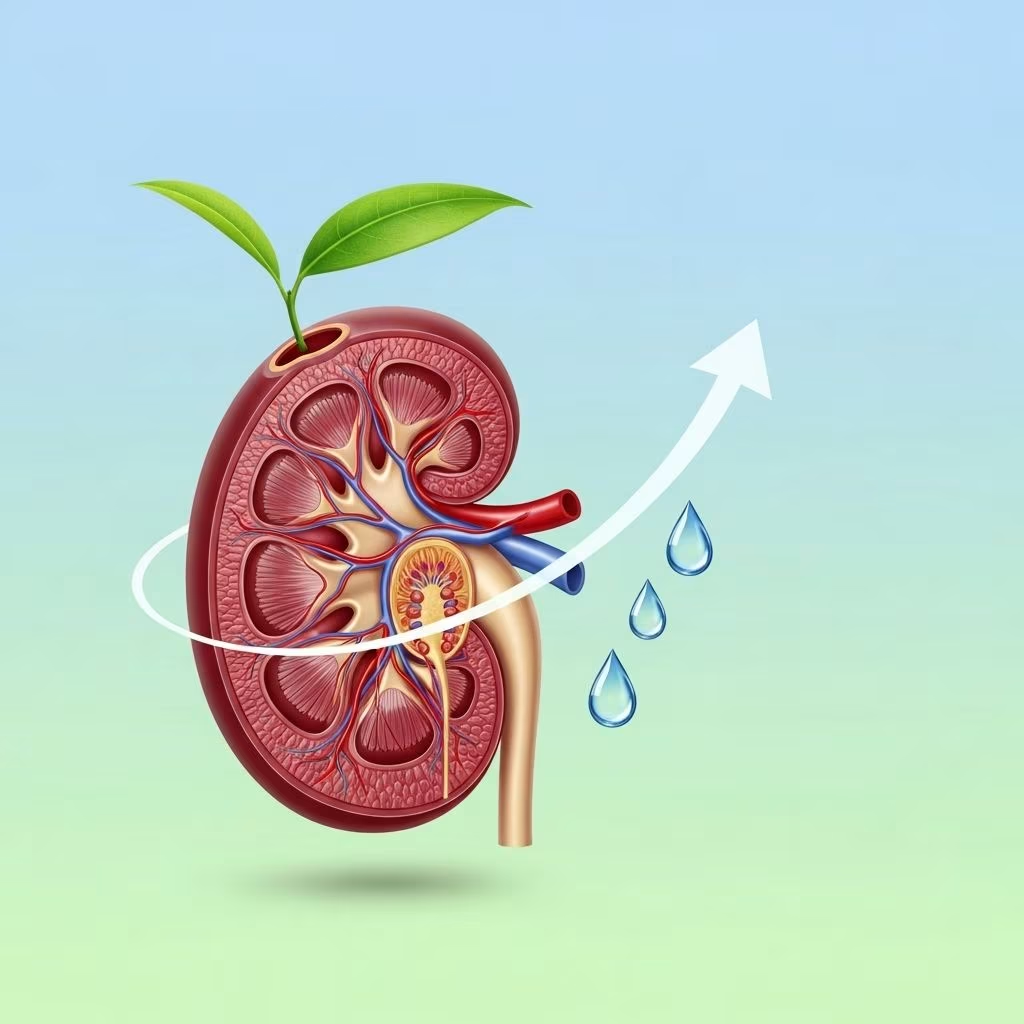
The glomerular filtration rate (GFR) is a critical marker for kidney health, used to assess how well your kidneys are filtering waste and excess fluids from your blood. Many people with chronic kidney disease (CKD), or those at risk for it, wonder if their GFR can be improved and what steps can be taken to support kidney function. This comprehensive guide explores what GFR is, whether it can be improved, and evidence-based strategies to promote kidney health.
Understanding Glomerular Filtration Rate (GFR)
GFR measures the amount of blood filtered by the glomeruli (tiny filters in the kidneys) each minute. It is considered the best overall indicator of kidney function and is usually estimated using a blood test that measures creatinine levels, along with factors like age, sex, and body size.
- Normal GFR: Over 90 mL/min (with normal kidney markers)
- Moderately reduced: 60–89 mL/min (may be normal if no other markers of kidney damage)
- CKD diagnostic threshold: Under 60 mL/min for three or more months is considered chronic kidney disease
- Kidney failure: 15 mL/min or less
GFR naturally decreases with age. However, a falling GFR can also mean worsening kidney function, especially if accompanied by symptoms or other abnormal tests.
What Causes a Low GFR?
A GFR lower than 60 mL/min may indicate chronic kidney disease (CKD). Common causes of low GFR and declining kidney function include:
- Diabetes (especially with poor blood sugar control)
- High blood pressure (hypertension)
- Glomerulonephritis (inflammation of kidney filters)
- Polycystic kidney disease and other genetic conditions
- Repeated urinary tract infections or blockages
- Certain medications or toxins
Why Is Monitoring GFR Important?
CKD often develops slowly and may not cause symptoms until late stages. Monitoring GFR allows for early detection, enabling intervention to slow progression and prevent complications.
Can GFR Be Improved?
The short answer: In some cases, GFR can improve, but in most cases of chronic kidney disease, kidney damage is considered irreversible. However, changes in certain conditions, medical interventions, and healthy lifestyle habits may help stabilize or mildly improve GFR, or at least prevent further decline.
Research on GFR Improvement
Clinical studies highlight that, while most people with CKD experience a slow decline in kidney function, a minority show stable or even improved GFR over time. For example:
- In one cohort study, approximately 15% of patients experienced a sustained increase in measured GFR, associated with improved management of blood pressure, proteinuria, and reduced metabolic complications.
- Some types of kidney damage, including acute kidney injury (AKI), may see partial or substantial functional recovery if the underlying cause is treated quickly.
- Patients with hypertensive nephropathy or well-managed glomerulonephritis may also see improvements or stabilization of kidney function.
However, not all types of nephropathy respond in this way, and patients with diabetic nephropathy or polycystic kidney disease are less likely to experience improvement.
Natural Changes in GFR
It is important to remember that GFR declines naturally with age—about 1 mL/min per year past age 40. Occasional fluctuations in GFR readings can also occur due to:
- Hydration status (dehydration can lower GFR readings)
- Acute illness, infections, or temporary medication effects
Persistent decreases over time, especially below 60 mL/min, should be evaluated by a healthcare provider for underlying chronic kidney disease.
Strategies That May Help Stabilize or Improve GFR
While reversing chronic kidney damage is generally not possible, proactive management can slow CKD progression and, in some cases, help GFR recover somewhat—especially if the cause is treatable. Focused, evidence-based steps include:
1. Managing Blood Pressure
- Keep blood pressure within your provider’s recommended range (often under 130/80 mmHg for those with CKD)
- Use medications such as ACE inhibitors or angiotensin receptor blockers (ARBs), which are kidney-protective
2. Controlling Blood Sugar
- For people with diabetes, aim for target hemoglobin A1c levels to prevent further kidney damage
- Work with a healthcare provider for a personalized diabetes management plan
3. Reducing Proteinuria
- Lowering urine protein levels (proteinuria) is associated with slower CKD progression and improved outcomes
- ACE inhibitors and ARBs can help reduce proteinuria
4. Adopting Kidney-Friendly Eating Habits
- Limit salt (sodium) intake to help control blood pressure
- Follow a plant-focused diet rich in fruits, vegetables, and whole grains, while limiting processed foods
- Discuss protein intake with your provider; some may benefit from moderate protein reduction
- Monitor potassium and phosphorus if levels begin to rise; your doctor may recommend dietary changes or restrictions
5. Managing Medications and Toxins
- Avoid nonsteroidal anti-inflammatory drugs (NSAIDs) and certain antibiotics which can worsen kidney function
- Discuss herbal supplements with your provider, as some may be risky for kidneys
6. Preventing and Managing Acute Kidney Injuries (AKI)
- Stay well hydrated, especially during illness or after exposure to contrast dyes or certain medications
- Treat infections and address any obstructive urinary tract problems promptly
Key Factors Affecting GFR Improvement
| Factor | Impact | Notes |
|---|---|---|
| Underlying cause | Highly significant | In reversible AKI or controlled hypertension, improvement possible |
| Type of kidney disease | Moderate | Greater improvement in non-diabetic, non-polycystic forms |
| Medication adherence | Moderate–High | Kidney-protective drugs stabilize function |
| Lifestyle changes | Moderate | Weight loss, smoking cessation, diet impact outcomes |
| Metabolic complications | Moderate | Improvement is linked to fewer CKD complications |
| Blood pressure and proteinuria control | High | Critical for slowing progression, possible improvement |
What to Expect if You Have a Low GFR
The impact of a low GFR depends on how low it is, symptoms, and the underlying cause. People with GFR levels between 30–59 mL/min (CKD Stages 3A and 3B) can often live normal lives, especially if their function is stable. Symptoms usually appear only when function drops below 15–30 mL/min. Regular follow-up is necessary to monitor for progression or complications.
Potential Signs and Symptoms of Worsening Kidney Function:
- Fatigue
- Swelling of legs, ankles, or feet
- Changes in urination patterns
- Itching, muscle cramps
- Nausea or decreased appetite
- Difficulty concentrating
Many individuals experience no symptoms until very late stages, making regular testing essential for those at risk.
How Is GFR Measured?
GFR is most commonly estimated (eGFR) using a formula that considers your blood creatinine, age, sex, and sometimes race and body size. In rare or complex cases, a measured GFR using special markers or isotopes may be performed.
- Blood Creatinine Test: The main component of eGFR calculation
- 24-hour urine creatinine: Sometimes used for further clarification
- Specialized tests: Used in research or to confirm unclear results
Frequently Asked Questions (FAQs)
Can CKD ever be reversed?
No, chronic kidney disease is generally considered irreversible. However, certain factors, such as controlling underlying causes and early intervention, may slow progression or lead to minor improvement in some individuals.
Can I raise my GFR with diet or exercise?
You may not be able to substantially increase GFR through diet or exercise alone, but these habits are vital for overall kidney health. Eating a balanced diet, staying physically active, and managing conditions like hypertension and diabetes all help slow disease progression.
Is a GFR under 60 always a cause for concern?
A GFR under 60 for more than three months is an indicator of chronic kidney disease, especially if accompanied by other abnormal kidney test results. However, mild reduction can be age-related in some cases. Regular monitoring and evaluation by a healthcare provider is recommended.
What causes GFR to fluctuate?
GFR can fluctuate due to hydration status, temporary illnesses, changes in blood flow, medications, and even natural biological variability. Persistent downward trends are more concerning than single abnormal lab results.
How often should I get my GFR checked?
Individuals at risk for CKD (such as those with diabetes, hypertension, or a family history) should have regular testing as advised by their healthcare provider, usually every year or more frequently if CKD is present or progressing.
Can medications improve my GFR?
Certain medications, especially ACE inhibitors and ARBs, can protect the kidneys and slow decline in GFR. They may help stabilize or marginally improve GFR by reducing proteinuria and controlling blood pressure. However, no medication can restore kidneys that are severely scarred or damaged.
Will a kidney-friendly diet help?
Following a kidney-friendly diet (low in sodium, moderate in protein, limited in processed foods) may help protect kidney function. Your healthcare team may tailor specific recommendations to your needs and lab results.
Key Takeaways for Improving and Maintaining GFR
- GFR is a crucial measure of kidney function; chronic declines typically signal CKD.
- While kidney function loss is often permanent, stabilizing and sometimes mildly improving GFR is possible in certain conditions, especially with aggressive management of blood pressure, diabetes, and lifestyle.
- Most improvements are small and depend on the type of kidney disease, baseline kidney health, and adherence to healthy habits and medications.
- Ongoing monitoring and individualized care remain essential for the best outcomes.
If you are concerned about your GFR or kidney function, speak with a nephrologist or your primary care provider for a personalized assessment and care plan. Early intervention can make a significant difference in long-term kidney health.
References
- https://pmc.ncbi.nlm.nih.gov/articles/PMC3862566/
- https://www.healthline.com/health/diabetes/glomerular-filtration-rate
- https://www.health.harvard.edu/diseases-and-conditions/weak-kidneys-pay-attention-but-dont-worry-excessively
- https://www.kidney.org/kidney-topics/can-my-gfr-get-better
- https://www.kidney.org/news-stories/can-you-improve-your-egfr-what-science-says
- https://www.medicalnewstoday.com/articles/172179
- https://www.healthline.com/health/video/ckd-stages
- https://my.clevelandclinic.org/health/diseases/15096-chronic-kidney-disease