Medically reviewed by Dr. Payal Kohli, M.D., FACC — Written by Rachel Nall, MSN, CRNA
What Is Postural Orthostatic Tachycardia Syndrome (POTS)?
Postural Orthostatic Tachycardia Syndrome (POTS) is a disorder characterized by the body’s inability to properly regulate blood flow and heart rate when moving from lying down to standing. This leads to orthostatic intolerance—a combination of symptoms that occur when upright and improve when lying down.
Common symptoms include:
- Rapid increase in heart rate (more than 30 beats per minute above baseline, or exceeding 120 bpm, within 10 minutes of standing)
- Dizziness or lightheadedness
- Fatigue
- Fainting or near-fainting (pre-syncope)
These symptoms can be disabling and significantly impact daily quality of life.
How Does POTS Affect the Heart?
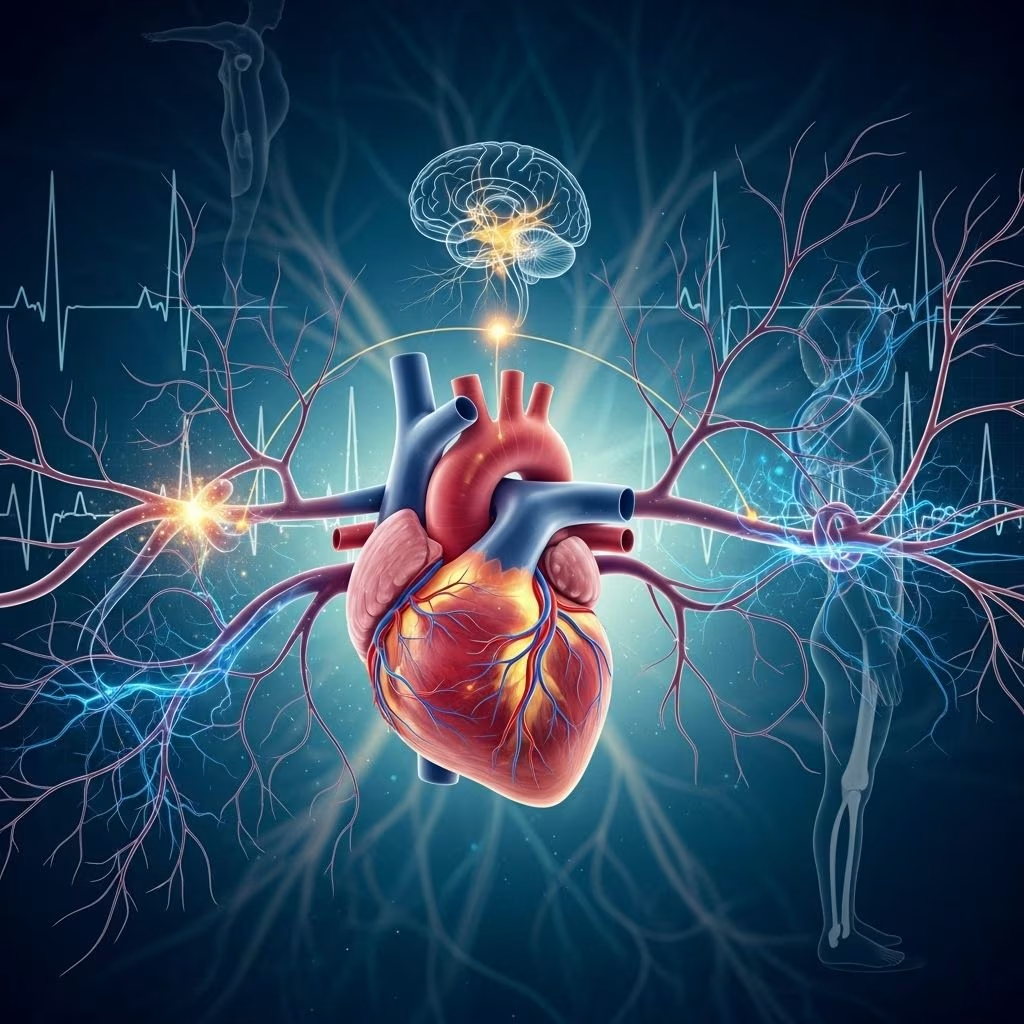
POTS primarily affects heart rate based on body position. It does not directly damage the heart muscle or structure. Instead, POTS causes an abnormal rise in heart rate when standing, which can result in symptoms that overlap with those seen in cardiac conditions.
Heart-Related Symptoms in POTS
- Palpitations (sensation of heart fluttering or racing)
- Chest pain or discomfort
- Shortness of breath (dyspnea) or exercise intolerance
- Bluish tint to extremities (cyanosis) due to poor oxygenation
It is important to note that while these symptoms may resemble those of cardiac events such as heart attacks or heart failure, they usually resolve quickly with recumbency, unlike persistent cardiac-related symptoms.
Why Do These Symptoms Happen?
POTS occurs because the body’s automatic regulation of blood flow and heart rate (autonomic nervous system) is dysfunctional. Upon standing, blood pools in the lower extremities and abdomen, reducing venous return to the heart. The body compensates by increasing heart rate, but this compensation is exaggerated in POTS.
Diagnostic tests used to evaluate suspected POTS and exclude heart disease include:
- Echocardiogram: Ultrasound to check heart structure and function
- Electrocardiogram (ECG/EKG): Measures the heart’s electrical activity
- Holter monitor: 24-hour heart rhythm recording
- Tilt-table test: Assesses changes in heart rate and blood pressure with position
These tests are vital to ensure that the heart itself is structurally and electrically normal, as required for a POTS diagnosis.
Can POTS Cause Heart Failure or Heart Disease?
| Condition | Shared Symptoms with POTS | Direct Causal Link to POTS? |
|---|---|---|
| Heart Failure | Shortness of breath, fatigue, chest discomfort, cyanosis | No proven direct link |
| Heart Disease | Palpitations, dizziness, chest pain | No proven direct link |
No evidence suggests that POTS directly causes heart failure or heart disease. While they share several symptoms—like palpitations, breathlessness, or chest pain—the mechanism and prognosis differ substantially. As Dr. Brent Goodman of the Mayo Clinic states, “POTS is not expected to contribute to or cause heart failure or other forms of heart disease.”
However, individuals with POTS can develop heart disease from other independent risk factors such as diabetes, high blood pressure, high cholesterol, or smoking. Therefore, heart health should remain a priority for people with POTS, even though their syndrome itself does not inherently raise their heart failure risk.
Why Are the Symptoms of POTS and Heart Failure Similar?
Symptoms such as fatigue, dizziness, exercise intolerance, and even a bluish color of the extremities may occur in both POTS and heart failure. Here’s why:
- POTS involves sudden increases in heart rate due to poor blood flow regulation upon standing, leading to transient symptoms that subside with rest.
- Heart failure results from the heart’s inability to efficiently pump blood, causing persistent symptoms like swelling, shortness of breath, and chronic fatigue.
The key differences lie in the duration, triggers, and response to rest. For example, while lying down quickly relieves POTS symptoms, heart failure symptoms tend to persist or worsen when lying flat (orthopnea).
What Triggers POTS Symptoms?
Common triggers for POTS episodes include:
- Rapid postural changes (standing up quickly)
- Dehydration or fluid loss
- Heat exposure
- Extended bed rest or inactivity
- Illness or infection (including post-viral states like long COVID)
When Should You Contact a Doctor?
If you experience symptoms such as a consistently racing heart, dizziness, faintness or chest pain upon standing, it is essential to seek medical evaluation. Several other conditions can mimic POTS, including:
- Anemia
- Anxiety disorders
- Thyroid disease
- Pheochromocytoma (rare adrenal tumor)
- Cardiac arrhythmias
Do not self-diagnose or ignore symptoms. Immediate medical care is warranted if you experience severe chest pain, palpitations with fainting, or new or sudden worsening of symptoms. These may suggest a serious cardiac event or another underlying disease.
POTS symptoms also overlap with post-acute sequelae of COVID-19 (PASC)/long COVID. Research continues to explore the links between viral infections and new onset or worsening of POTS-like symptoms. Always inform your doctor if you’ve had COVID-19 and are now experiencing orthostatic intolerance.
Managing POTS: Strategies and Treatment Options
Managing POTS involves a combination of lifestyle changes, symptom tracking, and—sometimes—medications. Approaches may vary depending on symptom severity and individual risk factors.
Non-Pharmacological Interventions
- Increased salt and fluid intake: Boosts blood volume to aid circulation
- Compression garments: Helps reduce blood pooling in the legs
- Physical reconditioning: Gradual exercise, especially recumbent or semi-recumbent cycling, can improve cardiovascular function over time
- Elevating the head of the bed: Reduces overnight blood volume shifts
- Avoiding triggers: Minimizing heat, dehydration, or long periods of standing
Medication Options
- Beta-blockers: Used to reduce heart rate in select cases
- Fludrocortisone: Increases blood volume
- Midodrine: Increases vascular tone and reduces pooling
- Ivabradine: Originally a heart failure drug, has shown promise in reducing POTS symptoms by controlling heart rate
Recent studies suggest ivabradine can help patients who do not respond adequately to standard measures. Ivabradine works by regulating the heart’s pacemaker activity, thus damping the overactive heart rate response seen in POTS.
How Can You Improve Heart Health if You Have POTS?
Even though POTS does not increase your risk for heart failure itself, maintaining robust cardiac health is important for everyone. Follow these best practices:
- Monitor and manage blood pressure, cholesterol, and blood sugar levels
- Exercise regularly (as tolerated, and ideally under supervision at first)
- Follow a balanced diet rich in whole grains, fruits, vegetables, lean protein, and healthy fats
- Avoid smoking and excessive alcohol
- Get routine checkups for risk factors such as hypertension, diabetes, or family history of cardiac disease
Frequently Asked Questions (FAQs)
Can POTS damage my heart over time?
There is no evidence that POTS causes permanent heart damage or leads to heart failure. Most changes are functional (due to dysautonomia) and not structural.
Is it possible to have both POTS and heart disease?
Yes, it is possible to have POTS and develop unrelated heart conditions as you age or develop other risk factors such as high blood pressure or diabetes. Your cardiologist can help differentiate these conditions.
How is POTS different from heart failure?
POTS is an issue with regulation of heart rate and blood flow upon standing. Heart failure is an inability of the heart to pump sufficient blood to meet body needs. POTS symptoms are fleeting with posture; heart failure symptoms tend to be continuous or persistent.
What should I do during a POTS episode?
If possible, lie down with legs elevated, hydrate, and avoid standing up quickly. If symptoms persist or are severe (especially with chest pain or fainting), seek urgent medical care.
Can POTS worsen after infections like COVID-19?
Some people develop or notice worsening orthostatic intolerance after viral infections, including COVID-19. The full relationship is not yet clear, but research is ongoing, and seeking care is still advised if symptoms develop.
Key Takeaways
- POTS does not cause heart failure or other heart diseases, despite overlapping symptoms.
- Both conditions share shortness of breath, palpitations, fatigue, but require different evaluation and management.
- Accurate diagnosis is essential; other causes such as anemia or anxiety must be ruled out.
- People with POTS should still look after their general heart health, especially if they have other risk factors.
- If symptoms are severe or rapidly worsening, especially with chest pain or fainting, seek urgent care.
References
- Information adapted from medically reviewed content and expert commentary at Healthline.
- Recent study findings and novel management options are referenced from UVA Health and peer-reviewed cardiac research.
References
- https://www.healthline.com/health/heart-failure/can-pots-cause-heart-failure
- https://newsroom.uvahealth.com/2025/07/31/heart-failure-drug-relieves-pots-symptoms-study-finds/
- https://news.med.virginia.edu/research/heart-failure-drug-relieves-pots-symptoms-study-finds/
- https://www.uscjournal.com/articles/narrative-review-postural-orthostatic-tachycardia-syndrome-associated-conditions-and?language_content_entity=en
- https://pmc.ncbi.nlm.nih.gov/articles/PMC4067814/
- https://www.ahajournals.org/doi/10.1161/circulationaha.112.144501
- https://www.news-medical.net/news/20210215/Existing-heart-failure-drug-may-be-effective-in-treating-postural-orthostatic-tachycardia-syndrome.aspx