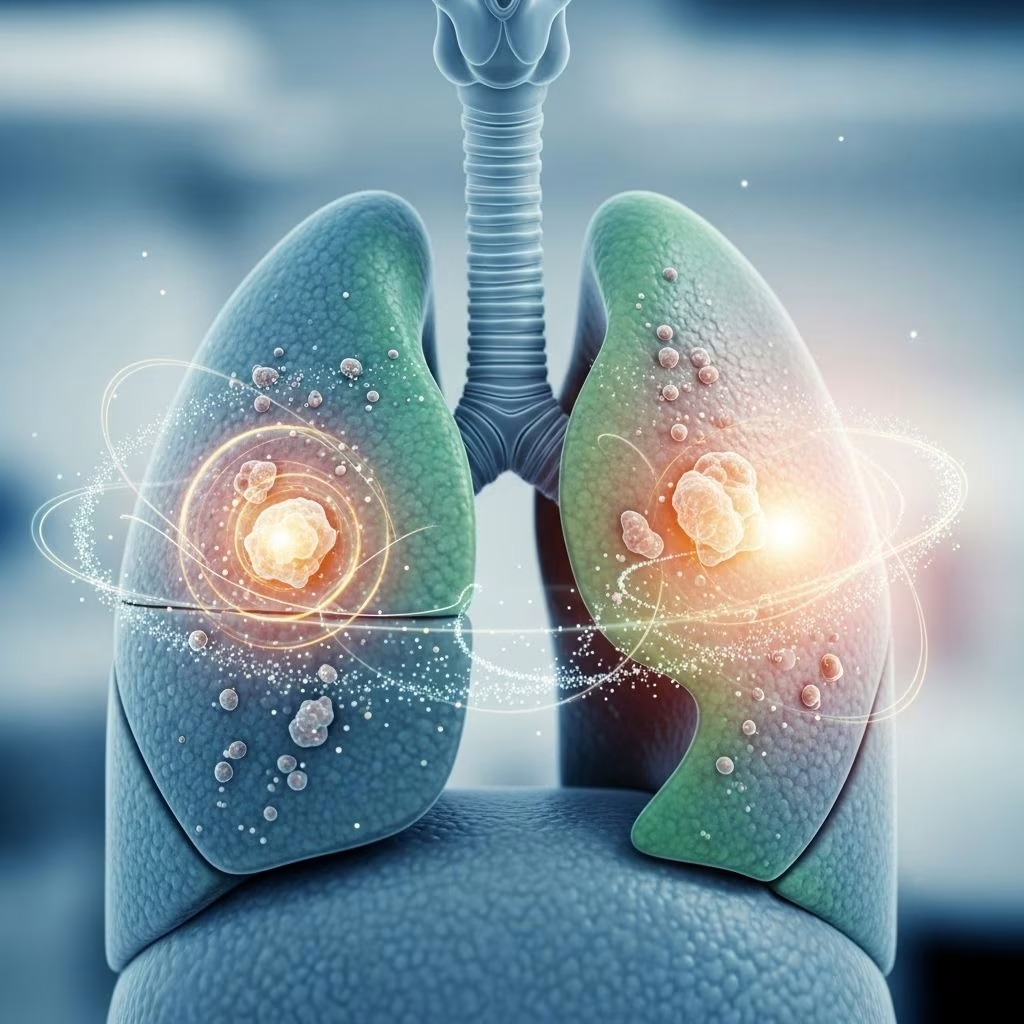
Chemotherapy remains a cornerstone of treatment for non-small cell lung cancer (NSCLC), the most common type of lung cancer. Understanding how chemotherapy fits into a treatment plan, the drugs involved, their side effects, and what to expect can help patients and caregivers feel more confident as they navigate care. This article details the role of chemotherapy in NSCLC, covering the core questions and practical information you need.
When Is Chemotherapy Used for Non-Small Cell Lung Cancer?
The use of chemotherapy for NSCLC depends on the stage of the cancer, a person’s overall health, and specific characteristics of the tumor. Oncologists may recommend chemotherapy in several scenarios:
- Before Surgery (Neoadjuvant Chemotherapy): Used to shrink tumors and make them easier to remove surgically. This may be especially helpful for tumors that are large or located in difficult spots.
- After Surgery (Adjuvant Chemotherapy): Given after surgery to kill any remaining cancer cells and help prevent the cancer from returning.
- Combined with Radiation (Chemoradiation): Chemotherapy is often coupled with radiation therapy in patients who aren’t eligible for surgery, with the aim of maximizing cancer control.
- For Advanced or Metastatic Cancer: For cancers that have spread beyond the lungs (stage IV), chemotherapy can slow progression, relieve symptoms, and improve quality of life, even if a cure is not possible.
How Does Chemotherapy Work in NSCLC?
Chemotherapy uses powerful medications that circulate throughout the body to kill rapidly dividing cells, including cancer cells. These drugs may be administered alone, in combination with each other, or alongside other treatments such as targeted therapy and immunotherapy. The primary goals of chemotherapy are to:
- Shrink tumors before surgery or radiation.
- Destroy lingering cancer cells after other treatments.
- Control or alleviate symptoms of advanced cancer.
Chemotherapy for NSCLC is most commonly delivered intravenously (through a vein), but some drugs are available in oral (pill) form.
Types of Chemotherapy Drugs for NSCLC
The following are common chemotherapy drugs and combinations used to treat non-small cell lung cancer:
- Platinum-based drugs: Cisplatin and carboplatin form the backbone of many NSCLC chemotherapy regimens.
- Antimetabolites: Pemetrexed (especially for nonsquamous NSCLC), gemcitabine.
- Taxanes: Paclitaxel, docetaxel.
- Vinca alkaloids: Vinorelbine.
Typically, a combination of two drugs is used to maximize effectiveness while balancing side effects. Drug selection depends on tumor type, patient health, previous treatments, and potential genetic mutations or markers present in the cancer.
Goals of Chemotherapy at Different Stages
| Stage of Cancer | Chemotherapy Goals |
|---|---|
| Early-stage (I, II) | Shrink tumor before surgery; destroy remaining cells after surgery to reduce recurrence risk. |
| Locally Advanced (III) | Shrink or control tumor, often with radiation, when surgery isn’t possible. |
| Advanced/Metastatic (IV) | Relieve symptoms, control spread, and prolong life. |
What to Expect When Getting Chemotherapy
Chemotherapy is typically delivered in cycles, each lasting a set number of weeks. A typical schedule may involve 1 to 3 days of drug administration followed by a rest period to allow your body to recover. The complete plan may include several cycles depending on response and tolerance.
- Most drugs are given intravenously (IV), either in the arm or via a port inserted into a blood vessel.
- Oral chemotherapy is less common but an option with some drugs.
- Treatments are usually provided in an outpatient clinic, so overnight hospital stays are rarely needed.
Common Steps in a Chemotherapy Visit
- Vital signs and general wellbeing are checked.
- Blood tests may be taken to confirm your body is ready for another cycle.
- Drugs are administered as prescribed—IV infusions can last from minutes to several hours.
- Monitoring for immediate side effects during and after infusion.
- Instructions and medication for side effects may be provided for home care.
Side Effects of Chemotherapy for NSCLC
While chemotherapy targets cancer cells, it can also damage healthy rapidly dividing cells, resulting in side effects. The type, severity, and timing of side effects vary by drugs used, individual health, and other treatments received. Common side effects include:
- Fatigue: Feeling more tired than usual.
- Low blood counts: Increased risk of infection, anemia, and bleeding due to effects on bone marrow.
- Nausea and vomiting: Modern medications can help control these symptoms.
- Hair loss: Depends on the drug; not all drugs cause it.
- Mouth sores: Irritation or ulcers in the mouth.
- Loss of appetite: Changes in taste or decreased desire to eat.
- Increased risk of infection: Due to low white blood cell counts.
Most side effects are temporary and begin to improve after treatment ends. Your healthcare team will regularly monitor your blood counts and organ function to minimize and manage side effects.
Managing and Preventing Side Effects
- Anti-nausea medications can be given before and after chemotherapy.
- Colony-stimulating factors or growth factors can help the body produce more blood cells and lower infection risk.
- Good nutrition, rest, infection control (such as hand washing), and symptom monitoring help support recovery.
- Communicate new symptoms or severe side effects promptly to your care team, as early intervention can reduce complications.
Combination Therapies: Chemoradiation, Targeted Therapy, and Immunotherapy
For many NSCLC patients, chemotherapy may be used in combination with:
- Radiation therapy: Particularly in locally advanced cases, the combination (called chemoradiation) can improve outcomes.
- Targeted therapy: For tumors with specific genetic mutations, chemotherapy might be used after or alongside targeted drugs like EGFR or ALK inhibitors.
- Immunotherapy: In certain cases, especially with advanced NSCLC, immunotherapy drugs (such as PD-1/PD-L1 inhibitors) may be combined with or follow chemotherapy to enhance the immune response against cancer cells.
The regimen chosen will depend on the individual’s disease stage, genetic profile, overall health, and discussion with a multidisciplinary cancer care team.
How Effective Is Chemotherapy for NSCLC?
The effectiveness of chemotherapy in NSCLC depends on multiple factors, including the growth rate and genetic makeup of the tumor, the patient’s overall health, and how advanced the disease is at diagnosis. Highlights include:
- In early-stage NSCLC, chemotherapy after surgery decreases the risk of the cancer coming back.
- In locally advanced disease, chemoradiation can increase survival compared to radiation therapy alone.
- For metastatic disease, chemotherapy can reduce tumor size and relieve symptoms, improving quality of life and survival, but is not usually curative.
Newer approaches integrating chemotherapy, immunotherapy, and targeted treatments continue to improve outcomes for many people with NSCLC.
Living With Chemotherapy: Tips and Expectations
- Stay hydrated to support kidney and liver function.
- Eat small, frequent meals to combat nausea and maintain weight.
- Plan for rest periods after chemotherapy sessions.
- Follow any instructions regarding infection prevention (e.g., hand hygiene, avoiding crowds during low white blood cell counts).
- Share any concerns—physical or emotional—with your care team or support groups.
Coping and Support During Treatment
- Keep a journal of symptoms and side effects to discuss at appointments.
- Consider counseling or mental health support for coping with stress or anxiety related to cancer and its treatment.
- Connect with support groups or others who have gone through similar experiences.
Frequently Asked Questions (FAQs)
Q: Will I lose my hair with chemotherapy for NSCLC?
A: Some chemotherapy drugs used in NSCLC, such as paclitaxel, can cause hair loss, but others may not. Your oncologist can tell you what to expect based on your specific regimen.
Q: How long will I need chemotherapy for my lung cancer?
A: The duration varies by cancer stage, drugs used, and treatment goals. Most chemotherapy regimens last several months, organized into cycles. Your oncologist will describe your specific schedule.
Q: Is chemotherapy the only option for NSCLC?
A: Chemotherapy is often used in combination with other treatments, such as surgery, radiation, targeted therapy, or immunotherapy. The best approach depends on the characteristics of your cancer and overall health.
Q: What are the main side effects I should report?
A: Report fever, chills, mouth sores, severe nausea/vomiting, unrelenting fatigue, or bleeding. These may signal complications needing attention.
Q: Can chemotherapy cure NSCLC?
A: In early stages, chemotherapy may help eliminate microscopic cancer cells remaining after surgery and improve cure rates. In advanced stages, it is generally used to control the disease, relieve symptoms, and extend life rather than to cure.
Takeaway
Chemotherapy is an integral part of treating many cases of non-small cell lung cancer. New drug combinations, support strategies, and integration with targeted and immunotherapies continue to improve outcomes. If you or someone you love is facing NSCLC, having open conversations with your care team and understanding the treatment plan can empower you throughout the process.
References
- https://nyulangone.org/conditions/non-small-cell-lung-cancer/treatments/chemotherapy-targeted-drugs-for-non-small-cell-lung-cancer
- https://www.cancerresearchuk.org/about-cancer/lung-cancer/treatment/chemotherapy-treatment
- https://pmc.ncbi.nlm.nih.gov/articles/PMC6609523/
- https://www.cancer.org/cancer/types/lung-cancer/treating-non-small-cell/chemotherapy.html
- https://www.cancer.gov/types/lung/patient/non-small-cell-lung-treatment-pdq
- https://www.cancer.org/cancer/types/lung-cancer/treating-non-small-cell.html
- https://www.yalemedicine.org/news/how-non-small-cell-lung-cancer-nsclc-treatment-is-improving
- https://www.youtube.com/watch?v=_5iHwyL2BzE
- https://www.mskcc.org/cancer-conditions/lung-cancer/treatment/chemotherapy-systemic-therapies