Chickpea Pasta: A Nutritious Twist on Traditional Noodles
Chickpea pasta has emerged as a popular alternative to conventional wheat-based pasta, appealing to health-conscious eaters, those with dietary restrictions, and anyone interested in diversifying their meals. This article delves into what makes chickpea pasta a standout choice, addressing its nutritional value, best brands, cooking tips, and answers to frequently asked questions.
What Is Chickpea Pasta?
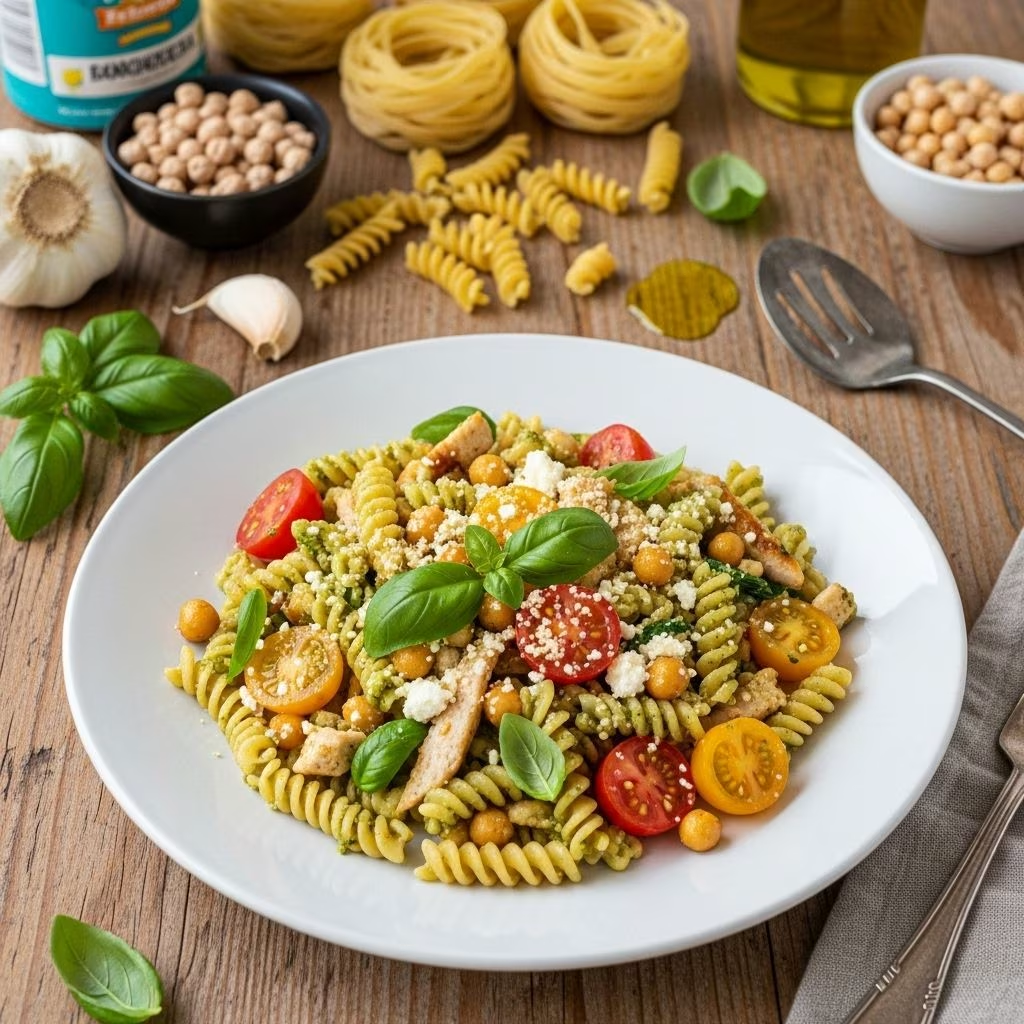
Chickpea pasta is made primarily from ground chickpeas, sometimes blended with other legumes like peas or lentils, and is processed into familiar pasta shapes: spaghetti, penne, rotini, shells, and more. Popular brands like Banza, Barilla, Explore Cuisine, and Tolerant have helped bring chickpea pasta to mainstream shelves.
- Gluten-free by nature, making it suitable for those with gluten intolerance or celiac disease.
- High in protein and fiber thanks to the legume content, offering a more balanced macronutrient profile than regular pasta.
- Rich in minerals such as iron and potassium, which support circulation and body function.
- Lower glycemic index, contributing to steadier blood sugar levels after meals.
Nutritional Profile: How Does Chickpea Pasta Compare?
| Nutrient | Chickpea Pasta (2 oz serving) | Traditional Wheat Pasta (2 oz serving) |
|---|---|---|
| Calories | ~190-210 | ~210-220 |
| Protein | 11-14g | 7g |
| Fiber | 7-8g | 3g |
| Carbohydrates | 30-35g | 35-45g |
| Iron | Higher | Lower |
| Potassium | Higher | Lower |
| Gluten | None | Contains |
Chickpea pasta generally contains double the fiber and protein of regular pasta, and up to 40% fewer carbs per serving. It is also naturally free of gluten and boasts a better profile for minerals like iron and potassium.
Health Benefits of Chickpea Pasta
- Supports Weight Management: The higher protein and fiber content help promote fullness, reducing overall calorie intake.
- Better for Blood Sugar: Lower carbohydrates and higher fiber contribute to a lower glycemic response, making it suitable for diabetics and those monitoring blood sugar levels.
- Plant-Based Nutrition: Ideal for vegetarians and vegans, it adds substantial protein without the need for animal products.
- Essential Minerals: Delivers more iron and potassium than regular pasta, supporting healthy blood and circulation.
- Gluten-Free: Safe for most people with gluten sensitivity or celiac disease, unless cross-contaminated.
Is Chickpea Pasta Low-Carb?
Chickpea pasta contains 30-35 grams of total carbs per serving, which is still substantial but up to 40% less than regular wheat pasta. While it’s not a true “low-carb” food, the fiber content lowers its impact on blood sugar, making it a reasonable choice for people seeking moderate carb alternatives.
Choosing the Healthiest Pasta – Ingredient Check
When shopping for chickpea pasta, look for simple ingredients: “chickpea flour” or “chickpeas”. Some brands add pea protein, lentil flour, or brown rice flour for texture and flavor variety. Legume-based pastas are usually the healthiest because they offer the highest protein and fiber. Avoid versions with unnecessary additives or high sodium.
- Banza – features pea protein, resulting in extra protein content per serving.
- Barilla – pure chickpea flour, making it a clean choice.
- Explore Cuisine and Tolerant – blend chickpeas with other legumes or grains.
Top Chickpea Pasta Brands to Try
- Banza Chickpea Pasta (all varieties)
- Barilla Chickpea Rotini and Spaghetti
- Explore Cuisine Organic Chickpea Fusilli
- Tolerant Organic Chickpea Penne Pasta
- Pow Pasta Chickpea Elbows
Most brands offer pasta in a variety of shapes, including penne, fusilli, rotini, elbows, and spaghetti, making it easy to fit into any pasta recipe.
How to Cook Chickpea Pasta for Best Results
Follow these cooking tips to maximize flavor, nutrition, and texture:
- 1. Boil for 6 minutes – For al dente texture, chickpea pasta generally needs less time than wheat pasta. Check the box or bag instructions, but a six-minute boil offers a firm bite and slower digestion.
- 2. Use plenty of water – Chickpea pasta releases more starch during cooking, so use extra water and stir occasionally to prevent sticking.
- 3. Drain promptly – Overcooking makes the texture mushy, so test for doneness and drain right away.
- 4. Rinse lightly (optional) – Rinsing can help prevent clumping, but it may cool the pasta quickly; toss with sauce immediately for best results.
- 5. Pair with protein-rich or veggie sauces – Chickpea pasta is filling on its own, but adding vegetables, herbs, or tomato-based sauces enhances nutrition and taste.
Sample Chickpea Pasta Recipe
Try this chickpea pasta salad in a jar for a portable, healthy meal:
- 1/4 small onion, finely chopped
- 2 tbsp red wine vinegar
- 2 tbsp olive oil
- Salt and pepper
- 1/4 cup canned chickpeas, rinsed
- 1 cup grape tomatoes, halved
- 2 tbsp kalamata olives, halved
- 1 cup cooked spiral chickpea pasta
- 1 1/2 cups baby arugula, chopped
- 2 tbsp crumbled feta cheese
Mix onion, vinegar, oil, salt, and pepper in the base of a 1-quart jar. Add chickpeas, shake gently, then layer remaining ingredients in order. When ready, flip the jar to let the dressing spread, wait 2 minutes, and enjoy a balanced, fiber-rich lunch.
Flavor and Texture: Is Chickpea Pasta Actually Tasty?
Chickpea pasta resembles traditional pasta in texture and appearance, with a slight nutty flavor. Many taste-testers find it similar to wheat pasta, especially when paired with robust sauces. Its bite is appealing, and it performs well in dishes that require structural integrity (e.g., salads, casseroles).
- Traditional pasta lovers appreciate the mouthfeel.
- Sauces, cheese, vegetables, and herbs elevate chickpea pasta without overpowering its flavor.
- No noticeable bean or earthy aftertaste for most palates.
Cost and Convenience Benefits
- Protein included – Often eliminates the need to add extra protein (beef, chicken, etc.), saving money on meal prep.
- Shelf-stable – Dry chickpea pasta lasts for months.
- Quick to cook – Ready in under 10 minutes, making weeknight dinners fast and simple.
Environmental Impact: Sustainability of Chickpea Pasta
Chickpeas are a sustainable crop, requiring less water and fertilizer compared to wheat. They also enrich soil by fixing nitrogen, reducing the need for chemical inputs. Choosing chickpea pasta supports eco-friendly agriculture and promotes plant-based eating, which generally has a lower carbon footprint.
Potential Drawbacks and Considerations
- Allergies – Those with legume allergies (peanut, soy, etc.) should exercise caution.
- Texture differences – While similar to traditional pasta, some users notice a softer or grainier texture if overcooked.
- Price – Chickpea pasta can be pricier than regular pasta but offsets cost by providing extra protein.
- Carb-conscious eating – Still significant in carbohydrates compared to zero-carb alternatives like zucchini noodles.
Frequently Asked Questions (FAQs)
Is chickpea pasta better for weight loss?
Yes. Chickpea pasta is higher in protein and fiber, which promote satiety and help control calorie intake, making it beneficial for weight management.
Is chickpea pasta safe for diabetics?
Generally yes. Its lower carbohydrate content and higher fiber result in a lower glycemic response than wheat pasta. Still, portion control and choice of sauce matter.
Does chickpea pasta contain gluten?
No. Chickpea pasta is gluten-free, provided it is not processed in facilities that handle wheat unless labeled otherwise.
How does chickpea pasta taste compared to regular pasta?
Most people find chickpea pasta comparable in texture and taste to traditional pasta, with a pleasant nutty note. Texture can become softer if overcooked.
Can I use chickpea pasta in any regular pasta recipe?
Yes! Chickpea pasta holds up well in most pasta dishes—salads, casseroles, and saucy entrees. Simply adjust cooking time to avoid mushiness.
Are all chickpea pasta brands the same?
No. Ingredient profiles (pure chickpea vs blends) and nutritional content vary. Check labels for protein, fiber, carbohydrate details, and additives.
Conclusion: Should You Switch to Chickpea Pasta?
Chickpea pasta stands out as a high-protein, high-fiber, gluten-free alternative to traditional noodles, suitable for almost any diet and offering environmental benefits. Its versatility in the kitchen, similar taste and texture, and support from major health brands make it an easy swap for those seeking better nutrition. Whether you’re managing your weight, reducing gluten, or seeking more sustainable options, chickpea pasta is a smart, tasty addition to your grocery list.