Conjunctivochalasis: Understanding the Condition
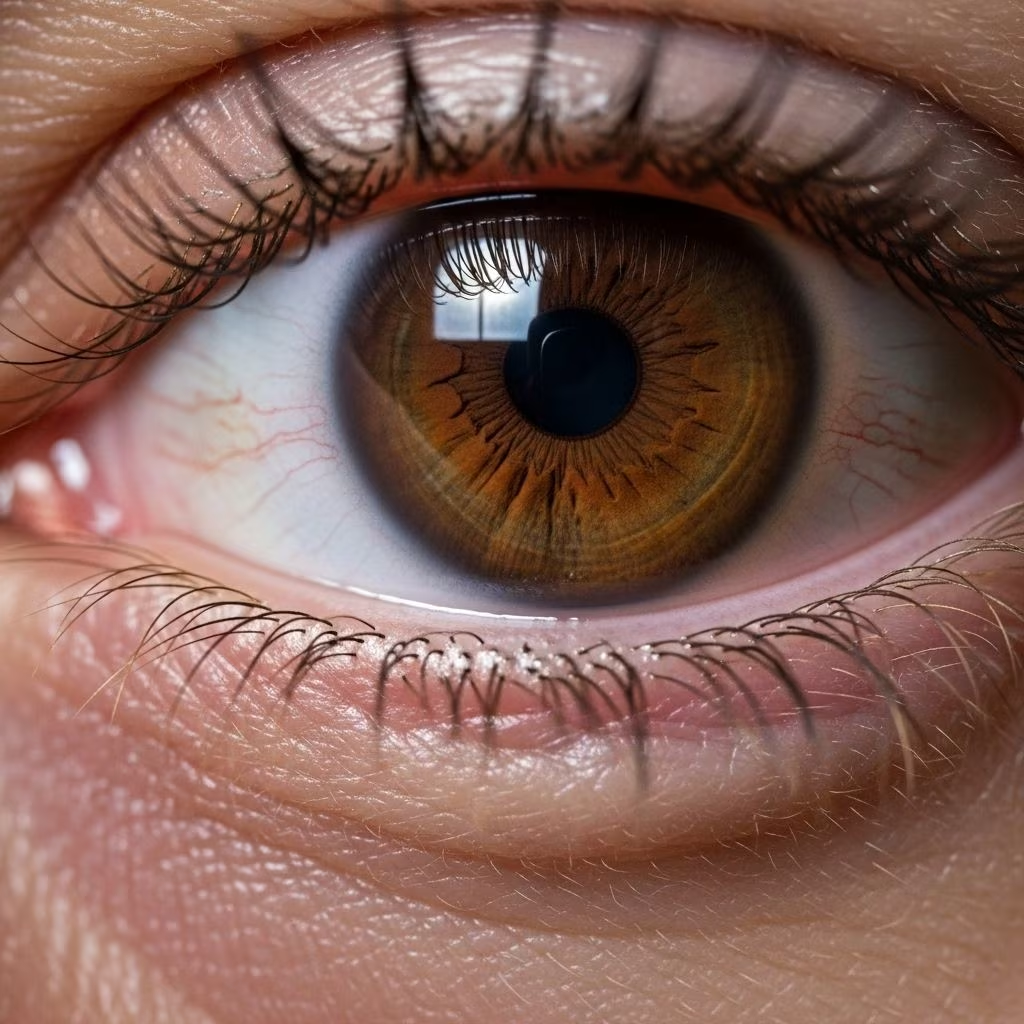
Conjunctivochalasis (frequently abbreviated as CCh) is a relatively common eye disorder characterized by loose, redundant, and non-swollen folds of the conjunctiva—the thin membrane that covers the white part of the eye and lines the inside of the eyelids. These folds typically form on the inferior bulbar conjunctiva, situated between the eyeball and the lower eyelid, and may obstruct the tear drainage and lead to uncomfortable symptoms. Despite causing significant ocular discomfort, conjunctivochalasis is often underdiagnosed, especially given its clinical similarity to dry eye syndrome.
What Is Conjunctivochalasis?
Defined originally from the Greek word “chalasis,” meaning slackening, conjunctivochalasis describes the appearance of excessive, wrinkled conjunctival tissue that bulges between the eyeball and eyelid margin. While typically non-edematous, this tissue can interfere with healthy tear distribution and drainage, giving rise to symptoms similar to dry eye or other ocular surface disorders.
Main Features
- Loose or redundant conjunctival folds
- Usually occurs on the lower (inferior) part of the eye
- Most common in older adults
- Often confused with other eye conditions, such as dry eye disease
- May affect tear flow and lead to ocular discomfort or visual problems
Causes and Risk Factors of Conjunctivochalasis
The exact reasons why conjunctivochalasis develops are not fully understood. However, research suggests that several risk factors and mechanisms contribute to the thinning and sagging of the conjunctiva:
Primary Causes
- Age-related changes: Natural thinning and stretching of conjunctival tissue occur as part of the aging process, making conjunctivochalasis substantially more prevalent in older adults.
- Breakdown of elastic fibers: Loss or degeneration of elastic fibers in the conjunctiva, often influenced by repeated friction by the eyelids during blinking, undermines the tissue’s structural integrity.
- Mechanical stress: Factors like chronic eye rubbing, excessive eyelid movement, or the use of contact lenses may accelerate conjunctival degeneration.
- Inflammation: Although inflammation isn’t always present histologically, some studies suggest localized trauma or inflammatory conditions may contribute.
Additional Risk Factors
- History of eye surgeries
- Chronic blepharitis (eyelid inflammation)
- Meibomian gland dysfunction
- Ehlers-Danlos syndrome (a rare connective tissue disorder)
- Aqueous tear deficiency
- Genetic predisposition
- Exposure to ultraviolet light
It is worth noting that conjunctivochalasis is considered a multifactorial disease, resulting from the interplay of aging, mechanical factors, environmental exposures, and possibly genetic factors.
Symptoms: How Conjunctivochalasis Affects the Eyes
The clinical presentation of conjunctivochalasis ranges from mild discomfort to significant visual disturbance.
Common Symptoms
- Foreign body sensation (feeling of something in the eye)
- Dryness, burning, or itching
- Excessive tearing or watery eyes
- Eye irritation
- Blurred or fluctuating vision, particularly when blinking
- Redness
- Matter or mucus build-up
When Is It Most Noticeable?
- Symptoms often worsen during activities that reduce blinking, such as reading or computer use.
- Dry environments or air conditioning may exacerbate discomfort.
- Symptoms can vary throughout the day.
In severe cases, conjunctivochalasis may cause significant visual disturbances, including exposure keratopathy (damage to the corneal surface) and obstruction of normal tear flow, which can ultimately affect daily activities.
Impact on Vision and Ocular Function
While conjunctivochalasis is primarily an anatomical abnormality, its impact on ocular function can be substantial—especially when the folds are large enough to disrupt tear flow.
How Conjunctivochalasis Disrupts the Tears
- Obstruction of the tear meniscus (the reservoir of tears at the eyelid margin)
- Interference with tear distribution during blinking, leading to persistent dry spots
- Decreased tear drainage, causing excessive tearing or watery eyes
- Build-up of inflammatory molecules on the eye surface due to poor drainage
Stages of Visual Impact
| Stage | Symptoms | Impact on Vision |
|---|---|---|
| Mild | Ocular discomfort | No visual loss |
| Moderate | Tear flow obstruction, intermittent blurry vision | Mild visual fluctuation |
| Severe | Exposure keratopathy, persistent tearing | Potential visual loss |
Diagnosing Conjunctivochalasis
Diagnosis of conjunctivochalasis is largely clinical and involves examination of the eye by a trained specialist. The key is to detect the characteristic non-swollen, redundant conjunctival folds usually in the lower part of the eye. However, distinguishing CCh from dry eye disease and other causes of ocular discomfort can be challenging.
Diagnostic Steps
- Patient history and symptom assessment
- Slit-lamp examination to identify visible conjunctival folds
- Tear meniscus evaluation
- Assessment for associated conditions (blepharitis, meibomian gland dysfunction, etc.)
Differential Diagnosis
- Dry eye syndrome
- Allergic conjunctivitis
- Other causes of ocular surface irritation
It is crucial for eye care providers to recognize conjunctivochalasis in order to implement effective therapies and prevent long-term damage. The presence of conjunctival folds may be subtle and often requires careful examination.
Current Approaches to Treatment
Treatment of conjunctivochalasis depends on the severity of symptoms and the degree of interference with ocular function. Management can range from observation in mild cases to medical therapy and even surgical intervention in more severe or persistent cases.
Medical Management
- Observation: Asymptomatic patients do not require active treatment; periodic monitoring is recommended.
- Lubricating eye drops or gels: First-line treatment for symptomatic cases; viscous drops may be more effective than thin tears due to better coverage over affected areas.
- Topical corticosteroids: Short courses are sometimes used to reduce inflammation.
- Nutritional supplements (when indicated): Omega-3 fatty acids and antioxidants may help overall eye health.
- Artificial tear ointments at night: Reserved for severe cases, especially if the conjunctiva is exposed during sleep.
- Patching the eyes overnight: Sometimes recommended in severe exposure cases.
Surgical Intervention
Surgical approaches are indicated when medical therapy does not provide adequate symptom relief, or if vision is compromised due to extensive conjunctival folds.
- Excision of conjunctival folds: Removal of excess tissue to restore a smooth ocular surface.
- Amniotic membrane transplantation: An advanced reconstruction technique that helps heal and regenerate the damaged conjunctiva; considered for recurrent, severe, or complex cases.
- Other techniques: Cauterization or the use of autologous serum eye drops may be employed in select circumstances.
Recent surgical advances make these procedures safer and with quicker recovery. Risks include infection, scarring, and the need for repeat interventions.
Living with Conjunctivochalasis
With appropriate management, most patients with conjunctivochalasis can achieve good control of their symptoms and maintain a healthy ocular surface. Key aspects of care include daily hygiene, using prescribed drops as recommended, and attending regular follow-ups with an eye specialist.
Self-Care Tips
- Avoid excessive eye rubbing
- Limit exposure to dry or dusty environments
- Take regular breaks during screen or reading activities
- Discuss medications and surgical options openly with your doctor
- Maintain eyelid hygiene if you have blepharitis or meibomian gland disease
Frequently Asked Questions (FAQs)
Q1: Is conjunctivochalasis the same as dry eye?
No. While both cause similar symptoms, conjunctivochalasis involves redundant conjunctival tissue, whereas dry eye syndrome is primarily due to insufficient or poor-quality tears.
Q2: Who is most at risk for conjunctivochalasis?
Older adults are most frequently affected due to age-related changes in the conjunctiva, but anyone with mechanical stress, prior eye surgeries, or chronic inflammation can be at risk.
Q3: Can conjunctivochalasis cause permanent vision loss?
In severe, untreated cases, conjunctivochalasis can lead to exposure keratopathy and subsequent visual impairment. Most cases do not progress to permanent vision loss with appropriate care.
Q4: Are there effective medications to cure conjunctivochalasis?
Medications can relieve symptoms and control inflammation, but only surgical correction removes the excess tissue causing the folds.
Q5: What is the recovery like after conjunctivochalasis surgery?
Most patients experience significant symptom improvement within weeks of surgery. Frequent follow-ups are needed, and some discomfort or mild irritation may persist temporarily.
When to See an Eye Care Specialist
If you experience chronic eye irritation, unexplained watery eyes, or symptoms of dry eye that do not resolve with standard treatment, consult an ophthalmologist for a comprehensive evaluation. Timely diagnosis and management of conjunctivochalasis can help maintain long-term eye health and clear vision.
Summary Table: Overview of Conjunctivochalasis
| Feature | Description |
|---|---|
| Definition | Loose, wrinkled conjunctival folds mainly on the lower part of the eye |
| Main Causes | Aging, breakdown of elastic tissue, mechanical stress, inflammation |
| Symptoms | Dryness, irritation, tearing, foreign body sensation, variable vision |
| Diagnosis | Clinical observation, slit-lamp exam, differentiation from dry eye |
| Medical Treatment | Lubricants, corticosteroids, ointments, patching (modest relief) |
| Surgical Treatment | Excision of folds, amniotic membrane transplantation |
| Prognosis | Good with proper management; rare progression to severe vision loss |
Key Takeaways
- Conjunctivochalasis is a common, often underdiagnosed, age-related eye condition marked by loose conjunctival folds.
- Main symptoms include chronic eye irritation, dryness, excessive tearing, and fluctuating vision.
- Diagnosis is clinical; treatment ranges from lubricants to surgery, depending on severity.
- Timely management improves comfort and protects vision.
References
- https://www.thenewyorkeyedoctor.com/conjunctivochalasis-cch-.html
- https://www.ncbi.nlm.nih.gov/books/NBK576410/
- https://www.reviewofophthalmology.com/article/how-to-manage-conjunctivochalasis
- https://eyewiki.org/Conjunctivochalasis
- https://www.medicalnewstoday.com/articles/conjunctivochalasis
- https://www.eyeworld.org/2021/recognizing-understanding-and-treating-conjunctivochalasis/
- https://watsondryeyecenter.com/service/conjunctivochalasis/
- https://pmc.ncbi.nlm.nih.gov/articles/PMC4419777/