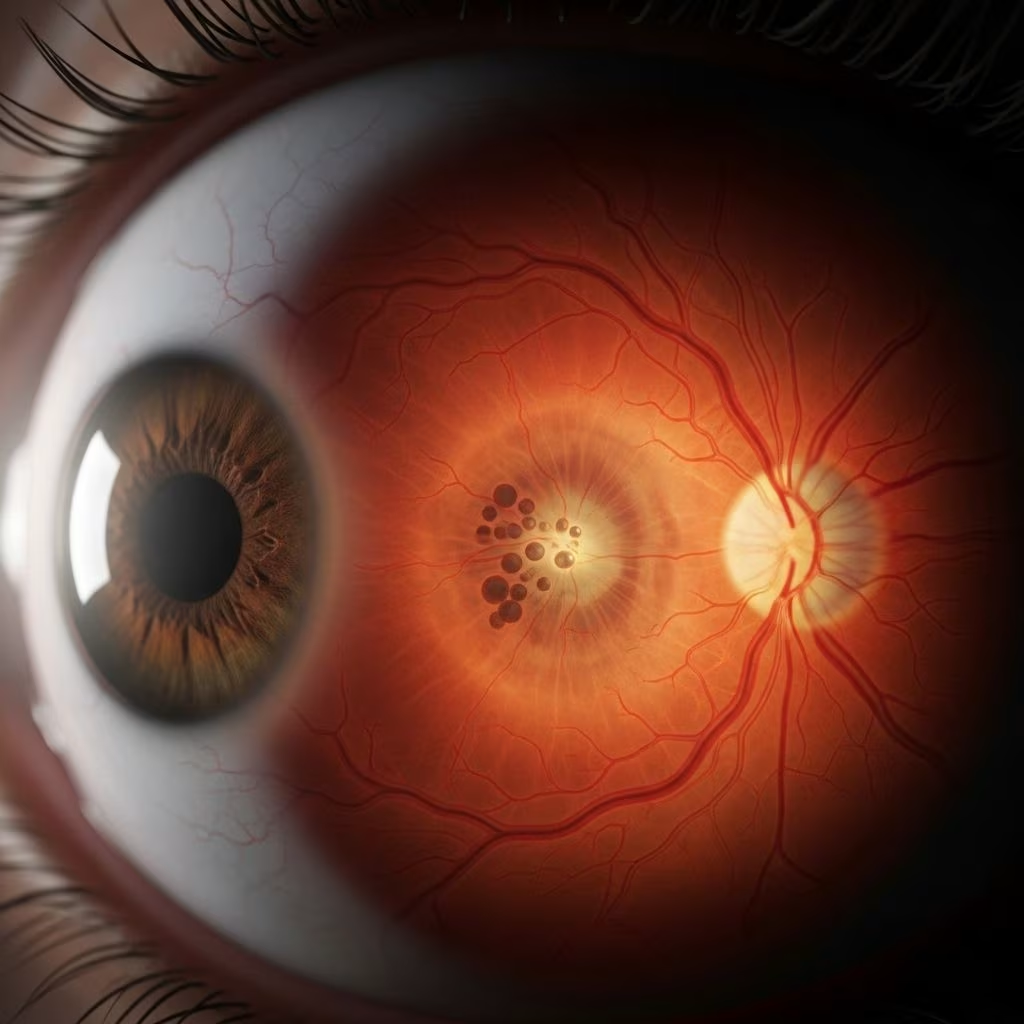
Cystoid macular degeneration (CMD) is an eye condition marked by the build-up of fluid-filled cysts in the central part of the retina, called the macula. These cysts can result in blurry central vision and reflect damage from various underlying retinal diseases. While CMD itself is not a standalone diagnosis, its presence signals an active or ongoing underlying retinal condition that demands prompt attention.
Understanding Cystoid Macular Degeneration
CMD occurs when fluid accumulates and forms cyst-like cavities in the macula—the area responsible for sharp, detailed central vision. The macula is essential for tasks such as reading, recognizing faces, and driving. Fluid build-up here disrupts the normal structure and function of the retina, leading to noticeable vision changes.
- CMD isn’t a single diagnosis: It’s a manifestation of several retinal diseases, not a disease by itself.
- Rapid vision changes: CMD often leads to blurry or distorted vision, typically with a sudden onset.
- It is commonly seen in conjunction with ocular diseases or after eye surgery.
What Conditions Can Lead to Cystoid Macular Degeneration?
Several underlying retinal and systemic conditions can result in CMD. Recognizing these is vital for diagnosis and effective management.
Main Underlying Causes
- Wet age-related macular degeneration (AMD) – A form of macular degeneration characterized by abnormal blood vessel growth and leakage under the retina.
- Retinal vein occlusion – A blockage in the veins draining blood from the retina, causing fluid back-up.
- Central serous chorioretinopathy (CSCR) – Involves fluid separation between the retina and underlying tissue, commonly affecting younger to middle-aged adults assigned male at birth.
- Diabetic retinopathy – Damage to retinal blood vessels due to diabetes, often resulting in swelling and leakage.
Shared Risk Factors
CMD shares many risk factors with cystoid macular edema (CME), another retinal swelling disorder. Key shared risk factors include:
- Retinal vein occlusion
- Uveitis (intraocular inflammation)
- Eye injury or trauma
- CME in the other eye
- Diabetes mellitus
- Recent cataract surgery
Additional Contributing Conditions
- Use of corticosteroid medications
- Autoimmune diseases (e.g., lupus)
- Hypertension (high blood pressure)
- Organ transplantation history
- Stress and certain personality types prone to anxiety
- Cushing syndrome
References
- https://www.healthline.com/health/eye-health/cystoid-macular-degeneration
- https://pubmed.ncbi.nlm.nih.gov/21570056/
- https://www.webmd.com/eye-health/what-is-cystoid-macular-edema
- https://www.healthline.com/health/macular-degeneration
- https://www.medicalnewstoday.com/articles/cystoid-macular-edema-symptoms-causes-and-treatments
- https://my.clevelandclinic.org/health/diseases/14417-cystoid-macular-edema
- https://pmc.ncbi.nlm.nih.gov/articles/PMC2699812/
- https://medlineplus.gov/maculardegeneration.html