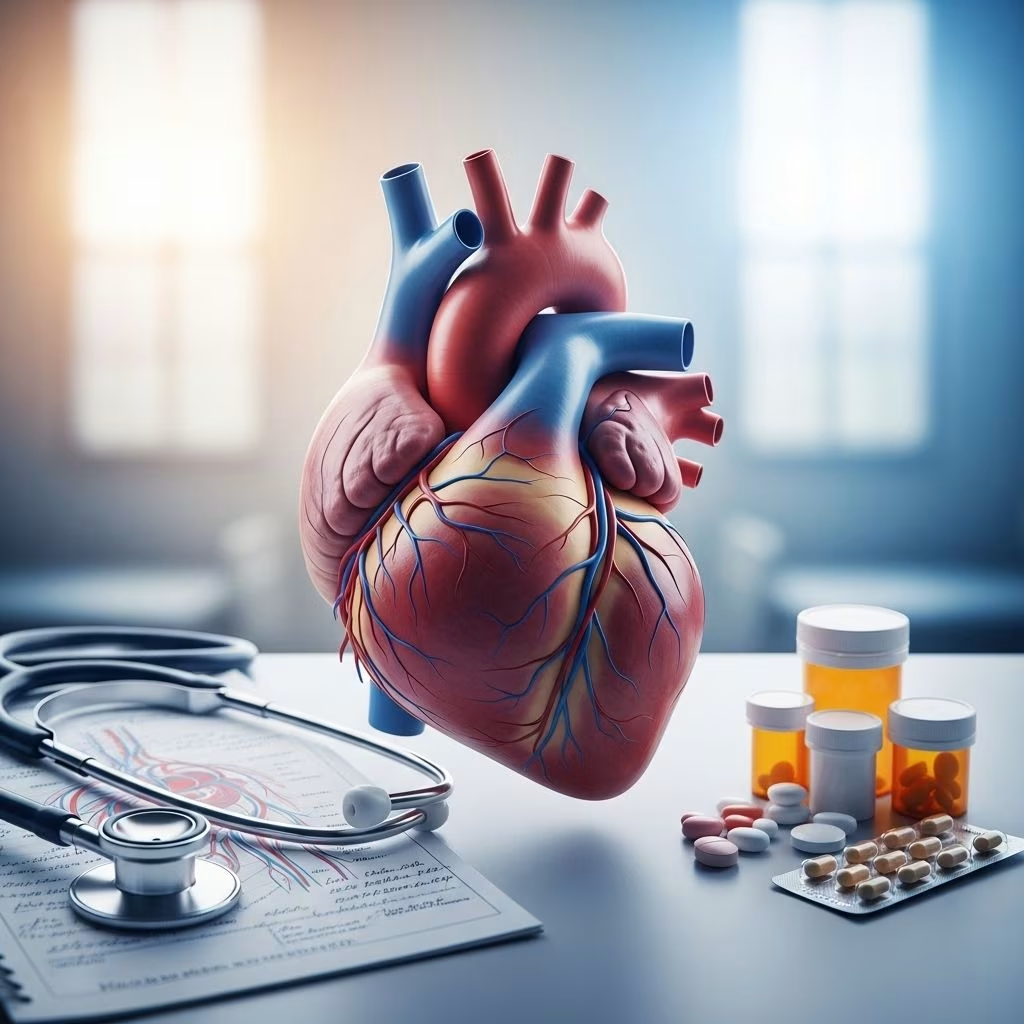
Decompensated heart failure (DHF) is a critical condition marked by a sudden or gradual worsening of heart failure symptoms, often demanding immediate medical attention. Understanding DHF—its triggers, symptoms, differences from compensated heart failure, and available treatments—empowers patients and families to act quickly and improve outcomes.
About Decompensated Heart Failure
Heart failure affects millions of adults worldwide and emerges when the heart is no longer able to pump blood effectively to meet the body’s needs. Decompensated heart failure specifically refers to an episode where these symptoms worsen significantly, leading to a medical emergency that can endanger vital organs like the lungs and kidneys.
DHF can develop in individuals with a known history of heart failure whose symptoms have suddenly deteriorated. It can also represent the first appearance of severe heart failure symptoms in people without any previous diagnosis.1
Who Is At Risk?
- Adults aged 65 and older
- Individuals with a prior diagnosis of heart failure
- People who have high blood pressure or diabetes
- Anyone with a history of heart attack or other cardiovascular disease
- Those with certain infections or inflammatory conditions affecting the heart
Since DHF threatens the function of key organs, rapid recognition and intervention are crucial.
What Causes Decompensated Heart Failure?
DHF can manifest either as a sudden and unexpected event (acute DHF) or as a gradual worsening of long-standing heart failure (chronic DHF). Common causes and triggers include:
- Heart attack (myocardial infarction): The most critical acute cause, leading to compromised heart muscle function.
- Arrhythmias: Irregular heart rhythms disrupt the efficient pumping of the heart.
- Valvular heart disease: Conditions such as mitral valve prolapse or leaky valves can precipitate DHF.
- Uncontrolled high blood pressure (hypertension): Chronic pressure overload weakens the heart muscle over time.
- Cardiomyopathy: Disease of the heart muscle further impairs the heart’s pumping ability.
- Pregnancy: Particularly in women with underlying cardiac issues or preeclampsia.
- Infections and inflammation: Viral or bacterial infections of the heart (myocarditis, endocarditis) or body-wide infections (sepsis).
- Lack of adherence to treatment: Skipping medications or dietary restrictions can trigger decompensation.
- Renal (kidney) dysfunction: Due to the close interaction between cardiac and renal systems, deterioration in kidney function often worsens heart failure symptoms.
Both new and worsening symptoms require prompt investigation to determine the underlying cause and guide treatment.
Symptoms of Decompensated Heart Failure
Shortness of breath (dyspnea) is the hallmark symptom of decompensated heart failure. It may occur suddenly, even at rest, or progressively worsen over days. Other symptoms and signs include:
- Swelling (edema): Most commonly in the legs, ankles, and feet due to fluid retention.
- Orthopnea: Trouble breathing when lying flat, often relieved by sitting up or propping up with pillows.
- Paroxysmal nocturnal dyspnea: Waking up at night gasping for air.
- Rapid, unexplained weight gain: Sign of fluid buildup in tissues.
- Nighttime coughing or wheezing, sometimes accompanied by frothy sputum.
- Fatigue and weakness: Reduced ability to exercise or perform activities of daily living.
- Loss of appetite or abdominal discomfort: From liver or gastrointestinal congestion.
- Chest discomfort or palpitations: May indicate arrhythmias or angina.
- Decreased urine output: Suggests impaired kidney function or low cardiac output.
Prompt recognition of these warning signs, especially in those already diagnosed with heart failure, can save lives.
Compensated vs. Decompensated Heart Failure
| Compensated Heart Failure | Decompensated Heart Failure |
|---|---|
| Symptoms are stable or absent due to proper management. | Symptoms worsen suddenly or gradually, often requiring hospitalization. |
| Patient can often go about daily life with minimal limitation. | Daily activities become difficult or impossible due to severe symptoms. |
| Medical treatment is working; heart failure is controlled. | Heart failure is out of control; underlying cause must be addressed urgently. |
| No urgent threat to organs. | Can cause damage to lungs, kidneys, and other organs if untreated. |
Understanding this distinction is important for patients in recognizing when to seek immediate help.
Can Decompensated Heart Failure Be Cured?
There is currently no cure for heart failure. Decompensated heart failure represents a critical exacerbation requiring rapid intervention to stabilize the patient and prevent irreversible organ damage. Treatment aims to:
- Relieve symptoms quickly
- Stabilize heart and organ function
- Address the underlying trigger (such as infection, heart attack, or medication non-adherence)
- Develop a long-term plan to reduce the risk of future decompensation
Early and aggressive management can reduce complications and improve the chances of living well with heart failure.
Treatment for Decompensated Heart Failure
Since DHF can progress rapidly and endanger multiple organs, treatment is often multi-pronged and delivered in a hospital setting.
Initial Assessment and Diagnosis
The first priority is to confirm the diagnosis and determine the severity and underlying cause of decompensation. Common tests include:
- Chest X-ray: Detects fluid in the lungs and heart size.
- Electrocardiogram (ECG): Assesses for abnormal heart rhythms (arrhythmias) or ongoing heart attack.
- Echocardiogram (ultrasound of the heart): Evaluates heart structure and pumping function.
- Blood tests: Including natriuretic peptide (BNP or NT-proBNP), kidney and liver function, electrolyte levels.
- Pulse oximetry and arterial blood gases: Measures oxygen levels.
- Other tests as needed: Such as cardiac MRI or CT scans for complicated cases.
Medications and Therapies
- Diuretics (water pills): Help remove excess fluid from the body, relieving swelling and reducing blood pressure.
- Vasodilators: Widen blood vessels, helping the heart pump more effectively and lowering high blood pressure.
- Inotropes: Medications that strengthen the heart’s squeeze in severe cases with low blood flow.
- Oxygen therapy: Delivered if blood oxygen levels are low or if patients are very short of breath.
- Pain relief and anxiety management: Especially if breathing distress is causing panic.
It’s essential for doctors to review all prior and current medications, as drug interactions can worsen heart failure.
Advanced and Surgical Options
- Cardiac resynchronization therapy (CRT): Special pacemaker used in certain cases with abnormal heart rhythms.
- Implantable cardioverter-defibrillator (ICD): Prevents dangerous arrhythmias in high-risk patients.
- Coronary artery bypass graft (CABG) surgery or angioplasty: Performed when blocked arteries contribute to heart failure.
- Valve repair or replacement: For patients with severe valve disease.
- Heart transplant: Considered in end-stage, non-responsive cases.
The choice of intervention depends on the cause and overall health status.
Monitoring and Supportive Care
- Frequent monitoring of blood pressure, heart rhythm, urine output, and oxygen levels.
- Careful management of fluid and salt intake.
- Supportive care to prevent complications like infections, kidney failure, or blood clots.
- Nutritional support and counseling.
Life Expectancy and Prognosis
The outlook for people with decompensated heart failure depends on several factors:
- Age
- Overall heart function (ejection fraction)
- Presence of other medical conditions (kidney disease, anemia, diabetes)
- How quickly treatment is started and the person’s response
- Severity of symptoms
- Adherence to long-term management plans
Acute decompensated heart failure is associated with a higher short-term risk, especially in older adults and those with multiple health problems. However, with prompt treatment, many people can stabilize and return to their previous level of function. Regular follow-up and ongoing adjustments to medications and lifestyle are critical for long-term well-being.
Prevention and Long-term Management
Managing underlying health issues and adhering to prescribed regimens can greatly reduce the risk of future decompensated episodes. Key steps include:
- Taking all medications as prescribed
- Following dietary recommendations, particularly reduced sodium intake
- Monitoring daily weight for signs of fluid retention
- Attending all scheduled medical appointments
- Addressing new or worsening symptoms promptly
- Avoiding harmful substances such as alcohol or illicit drugs
- Vaccination for influenza and pneumonia, as infections can trigger DHF
Frequently Asked Questions (FAQs)
Q: Can you recover from decompensated heart failure?
A: With prompt and appropriate treatment, many people can recover from an acute episode of decompensated heart failure back to a more stable, compensated state. However, ongoing management is needed to prevent recurrence, and some may experience a decline in baseline heart function.
Q: What is the difference between acute and chronic decompensated heart failure?
A: Acute DHF refers to a sudden worsening, while chronic DHF is a longer-term condition where symptoms may gradually increase. Both require active management, but acute DHF is more likely to require hospitalization and intensive therapy.
Q: Is decompensated heart failure fatal?
A: If not treated quickly, DHF can be life-threatening due to the risk of multi-organ damage. However, survival rates improve when care is timely and comprehensive.
Q: What should people with heart failure watch for at home?
A: Warning signs include rapid or unexplained weight gain, swelling, increasing shortness of breath (especially at rest or at night), and persistent cough. Any sudden change warrants immediate medical review.
Q: Can you exercise with decompensated heart failure?
A: Physical activity should be avoided during acute DHF. After stabilization, a supervised, tailored exercise program may be recommended as part of long-term management.
Key Takeaways
- Decompensated heart failure is a life-threatening escalation of heart failure symptoms that requires urgent attention.
- Shortness of breath, swelling, and rapid weight gain are common symptoms.
- Treatments range from medications and oxygen therapy to advanced surgical procedures in severe cases.
- Early intervention and adherence to long-term care plans are critical to improving outcomes and reducing recurrence.
References
- https://www.healthline.com/health/heart-failure/decompensated-heart-failure
- https://www.medicalnewstoday.com/articles/decompensated-heart-failure
- https://pmc.ncbi.nlm.nih.gov/articles/PMC2801958/
- https://my.clevelandclinic.org/health/diseases/21686-acute-heart-failure
- https://www.mayoclinic.org/diseases-conditions/heart-failure/symptoms-causes/syc-20373142
- https://my.clevelandclinic.org/health/diseases/17069-heart-failure-understanding-heart-failure
- https://www.ncbi.nlm.nih.gov/books/NBK430873/
- https://www.nhs.uk/conditions/heart-failure/treatment/
- https://www.thecardiologyadvisor.com/ddi/acute-heart-failure/