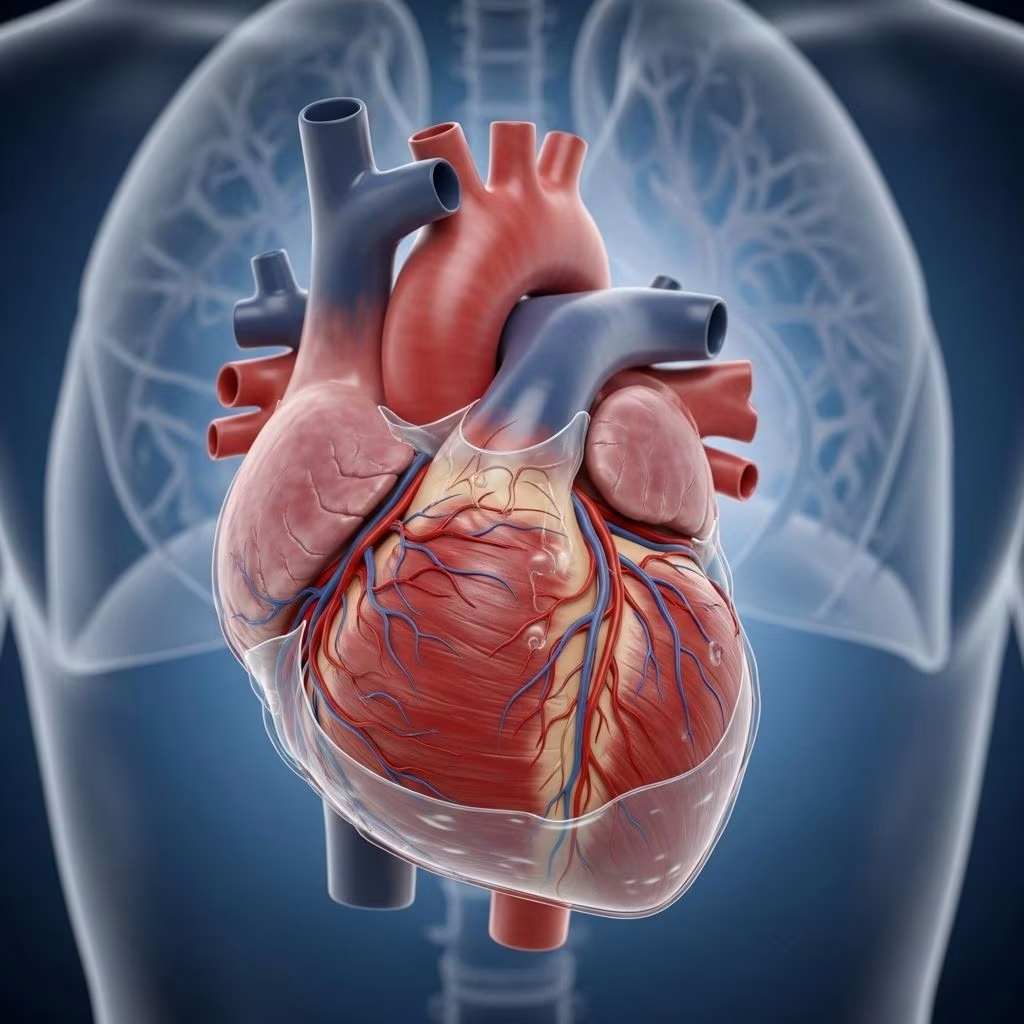
Decompensated heart failure (DHF) is a critical stage of heart failure where symptoms become severe enough to require immediate medical attention. Knowing the warning signs, understanding treatment approaches, and staying informed about outlook and prevention can make a crucial difference in quality of life for those affected.
About Decompensated Heart Failure
Heart failure is a complex clinical condition where the heart cannot pump efficiently enough to meet the body’s metabolic needs. It affects millions of adults worldwide and can occur suddenly (acute) or develop gradually (chronic) as the heart becomes weaker.
Decompensated heart failure occurs when the body can no longer cope with the effects of heart failure, leading to a sudden or gradual worsening of symptoms that demand rapid medical intervention.
- Acute decompensation may develop in people with or without a pre-existing heart failure diagnosis.
- Chronic decompensation refers to worsening in those with known heart failure, often due to additional triggers or progression.
What Causes Decompensated Heart Failure?
DHF may appear abruptly or as a deterioration in those with previously stable heart failure. Several factors may precipitate decompensation:
- Acute myocardial infarction (heart attack)
- Mitral valve prolapse or other valve disorders
- Uncontrolled high blood pressure (hypertension)
- Cardiomyopathy (weakening of the heart muscle)
- Cardiac infection or inflammation (myocarditis, endocarditis)
- Pregnancy, especially in those with underlying heart problems
- Arrhythmias (abnormal heart rhythms)
- Fever, infections, or other illnesses that increase workload on the heart
- Non-adherence to medication or dietary restrictions
Symptoms of Decompensated Heart Failure
The signs and symptoms of DHF typically reflect fluid overload, poor oxygenation, and reduced blood supply to vital organs. It’s critical to recognize these warning signals:
- Shortness of breath (Dyspnea): This is the most frequent symptom and can occur with activity, at rest, or while lying flat (orthopnea).
- Swelling (Edema): Notably in the legs, ankles, feet, and sometimes abdomen (ascites).
- Fatigue: Profound tiredness that doesn’t improve with rest.
- Nighttime respiratory issues: Such as coughing or waking up gasping for air (paroxysmal nocturnal dyspnea).
- Weight gain: Rapid and unexplained, due to fluid buildup.
- Trouble breathing when lying down (orthopnea): Improvement often seen when sitting up.
Other possible symptoms include:
- Frequent urination at night
- Decreased appetite or nausea
- Palpitations or irregular heartbeat
- Wheezing
- Mental confusion, especially in older adults
Decompensated vs. Compensated Heart Failure
| Compensated Heart Failure | Decompensated Heart Failure |
|---|---|
| Symptoms are controlled or absent with treatment | Symptoms worsen and require immediate care |
| Quality of life is relatively stable | Marked decrease in function and quality of life |
| No urgent intervention needed if stable | Urgent medical attention needed |
Diagnosis of Decompensated Heart Failure
A prompt and thorough evaluation is critical to confirm DHF, identify causes, and guide treatment. Doctors utilize the following:
- Medical history and physical examination
- Chest X-rays: Identify fluid overload and cardiac enlargement
- Electrocardiogram (ECG): Detects arrhythmias and ischemia
- Echocardiogram: Assesses heart structure and function
- Natriuretic peptide (NP) tests: Elevated in heart failure
- Electrolyte and renal function tests: Evaluate organ health
Other tests may assess for infection, anemia, or thyroid dysfunction according to individual risk factors.
Treatment of Decompensated Heart Failure
The primary aims are symptom relief, preserving organ function, and correcting underlying problems. Treatment usually begins in the hospital due to the severity of symptoms.
Medication Options
- Diuretics (“water pills”): Reduce fluid buildup, swelling, and congestive symptoms.
- Vasodilators: Dilate blood vessels, improving circulation and lowering blood pressure.
- Nitrates and IV furosemide: Common as first-line therapies, especially for pulmonary congestion.
- Positive airway pressure (CPAP/BiPAP): For significant pulmonary edema.
- Intravenous inotropes: Such as levosimendan in select cases, to improve heart contractility if first-line treatment fails.
- Oxygen therapy: To address low blood oxygen.
Non-Pharmacological Interventions
- Fluid and salt restriction: Limiting intake slows buildup of excess fluid.
- Careful monitoring: Ongoing weight, blood pressure, and symptom tracking.
- Bed rest: May be temporary during acute exacerbation to decrease work on the heart.
Severe or refractory DHF may require:
- Cardiac surgery: Such as bypass surgery or valve repair when blockages or structural heart problems are present.
- Implantable devices: Pacemakers or defibrillators for arrhythmias.
- Heart transplant: Considered in end-stage cases unresponsive to other therapies.
Considerations During Pregnancy
Pregnant individuals with DHF pose a unique challenge. Diuretics are most commonly used under close supervision, given the dual concern for maternal and fetal safety.
Managing Heart Failure Triggers
- Treat underlying infections promptly
- Control arrhythmias with appropriate medication or interventions
- Manage hypertension or diabetes aggressively
- Ensure adherence to heart failure medications and dietary recommendations
Is Decompensated Heart Failure Curable?
Currently, decompensated heart failure is not curable. However, early and effective treatment can often stabilize symptoms, prevent further organ damage, and enhance quality of life.
Chronic management with medications, lifestyle changes, and regular follow-up can also help slow disease progression.
Life Expectancy and Outlook
Prognosis depends on several factors, including age, degree of heart function impairment, overall health, comorbidities (such as kidney disease or anemia), response to treatment, and how quickly decompensation is addressed.
- Mortality rates increase with each episode of decompensation, especially when other conditions are present.
- Timely treatment and adherence to therapy improve survival and reduce readmissions.
- Prognosis may be poorer in low resource settings or where access to care is limited.
Prevention and Long-term Management
- Follow your treatment plan: Take medications as directed and attend all follow-up appointments.
- Monitor symptoms: Report any rapid weight gain, increasing breathlessness, or swelling to your healthcare provider.
- Adopt a heart-healthy lifestyle: Limit salt, maintain a healthy weight, and avoid smoking or excessive alcohol.
- Control blood pressure and diabetes: Ask your doctor about regular screening and optimal management.
Partnering closely with your healthcare team and educating yourself about your heart condition can help you recognize early warning signs and take action before severe symptoms develop.
Frequently Asked Questions (FAQs)
Q: What is the main symptom of decompensated heart failure?
A: The main and most common symptom is shortness of breath (dyspnea), which may be accompanied by swelling, fatigue, and trouble breathing when lying down.
Q: Can decompensated heart failure be cured?
A: There is currently no cure, but symptoms can often be managed and controlled through medication, lifestyle changes, and, in some cases, surgery or devices.
Q: What’s the difference between compensated and decompensated heart failure?
A: Compensated heart failure describes stable symptoms managed by treatment, while decompensated heart failure means symptoms have worsened and require emergency care.
Q: What triggers decompensated heart failure?
A: Common triggers include heart attack, inflammation, arrhythmias, infection, poorly controlled high blood pressure, and missing heart failure medications or dietary restrictions.
Q: Who is at higher risk of developing DHF?
A: Individuals with known heart failure, the elderly, those with kidney or liver issues, people with poorly controlled hypertension or diabetes, or people who have had a recent heart attack are at higher risk.
Q: How is decompensated heart failure treated during pregnancy?
A: Management in pregnancy is complex and usually centers on careful use of diuretics under the supervision of a specialist, with a focus on the safety of both mother and child.
Key Points to Remember
- Decompensated heart failure is a medical emergency presenting with worsening symptoms.
- Prompt diagnosis and targeted treatment are essential to stabilize the patient and protect organ function.
- Ongoing, tailored care can help people live longer, more active lives with heart failure.
References
- https://www.healthline.com/health/heart-failure/decompensated-heart-failure
- https://www.ecrjournal.com/articles/treatment-decompensated-heart-failure?language_content_entity=en
- https://www.medicalnewstoday.com/articles/decompensated-heart-failure
- https://my.clevelandclinic.org/health/diseases/21686-acute-heart-failure
- https://www.mayoclinic.org/diseases-conditions/heart-failure/symptoms-causes/syc-20373142
- https://my.clevelandclinic.org/health/diseases/17069-heart-failure-understanding-heart-failure
- https://www.ncbi.nlm.nih.gov/books/NBK430873/
- https://www.thecardiologyadvisor.com/ddi/acute-heart-failure/
- https://www.nhs.uk/conditions/heart-failure/