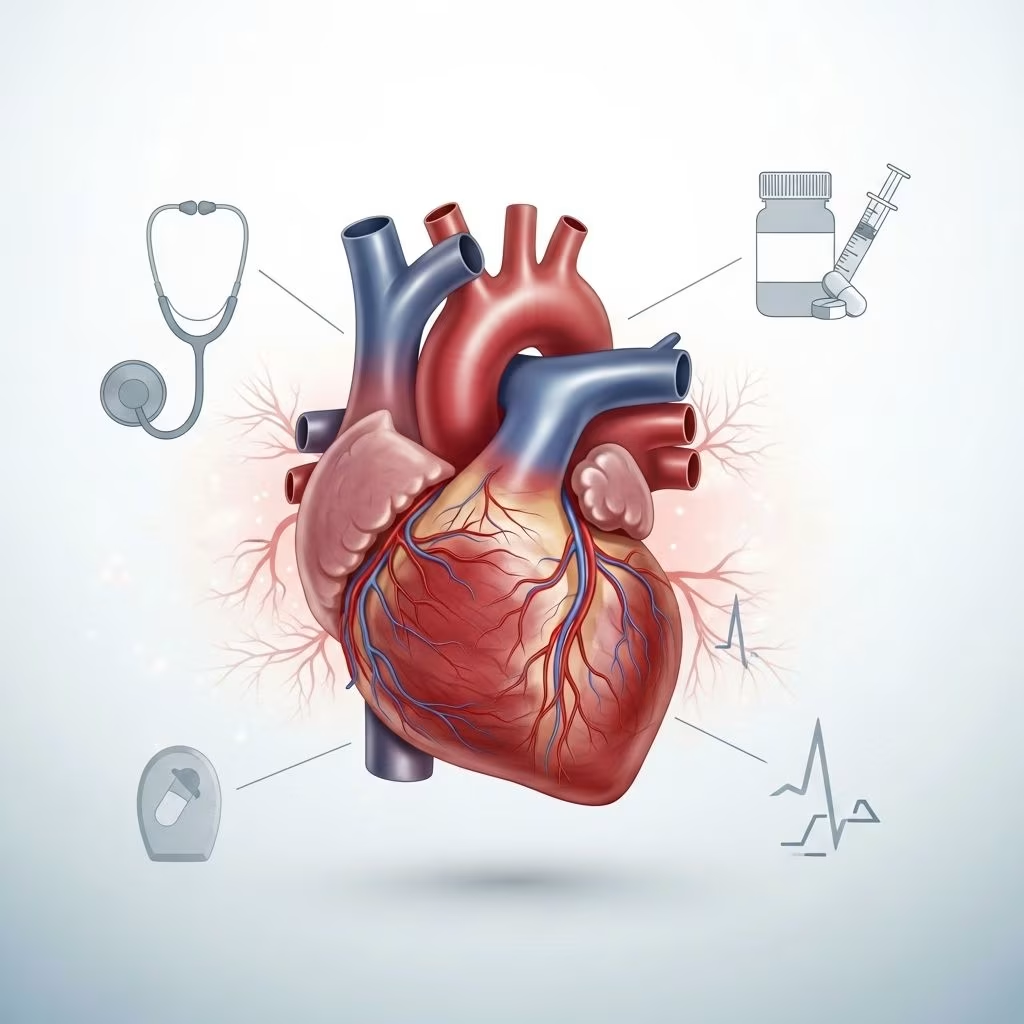
Decreased cardiac output is a clinical condition in which the heart cannot pump enough blood to meet the body’s demands. It can arise from various heart diseases, surgical complications, or acute events and, without prompt diagnosis and management, can result in life-threatening consequences. This comprehensive article explores the symptoms, diagnostic process, underlying causes, and effective management strategies for decreased cardiac output, drawing on the latest insights and clinical practices.
What Is Decreased Cardiac Output?
Decreased cardiac output describes a state where the volume of blood ejected by the heart per minute is insufficient to supply the body’s needs. The heart may be too weak, too slow, or too uncoordinated to circulate enough oxygenated blood, resulting in inadequate perfusion of vital organs. This can manifest acutely, as in shock or post-surgery, or develop gradually from chronic heart conditions.
Key Symptoms of Decreased Cardiac Output
The clinical presentation of decreased cardiac output varies depending on its cause and severity. Common symptoms include:
- Rapid heart rate (tachycardia): As the heart attempts to compensate for low output, the rate often increases.
- Low blood pressure (hypotension): The reduced volume of circulating blood results in diminished arterial pressure.
- Fatigue and weakness: Insufficient blood flow leads to reduced oxygen delivery to muscles and tissues.
- Shortness of breath (dyspnea): Particularly with physical activity, due to inadequate oxygen delivery.
- Confusion or reduced mental alertness: The brain is sensitive to changes in blood flow and oxygenation.
- Cool, clammy extremities: Blood is shunted away from peripheral tissues to prioritize vital organs.
- Oliguria or reduced urine output: The kidneys receive less perfusion, leading to decreased output.
- Chest pain: Particularly in the setting of acute cardiac events.
- Swelling (edema): Can occur if the heart’s pumping failure leads to fluid backing up into the lungs or peripheral tissues.
Common Causes and Risk Factors
A variety of cardiac and systemic conditions can cause or contribute to decreased cardiac output. The most notable include:
- Heart failure: The heart’s ability to contract is impaired, limiting the amount of blood it can pump.
- Myocardial infarction (heart attack): Loss of muscle tissue reduces pumping effectiveness.
- Arrhythmias: Abnormal heart rhythms (such as bradycardia or tachyarrhythmias) impede effective blood flow.
- Valvular heart disease: Abnormalities in heart valves disrupt normal forward flow of blood.
- Cardiomyopathy: Disease of the heart muscle can reduce contractile power.
- Fluid overload or depletion: Either too much or too little circulating blood can impair cardiac performance.
- Pulmonary disease: Decreased oxygenation can compromise cardiac function.
- Electrolyte imbalances: Disruptions in potassium, calcium, or magnesium can affect heart muscle and rhythm.
- Drug effects: Certain medications can depress heart function or impact vascular tone.
- Obstructive processes: For example, cardiac tamponade or pulmonary embolism.
How the Body Compensates
When cardiac output drops, the body initiates several compensatory mechanisms, such as increasing heart rate, constricting blood vessels (vasoconstriction), and mobilizing hormonal responses to maintain perfusion. These measures may temporarily sustain life but can become deleterious if left unchecked.
Diagnosing Decreased Cardiac Output
Accurately identifying decreased cardiac output is critical to preventing organ damage and guiding effective treatment.
Initial Assessment
Healthcare professionals evaluate a combination of symptoms, physical findings, and vital sign trends, with particular attention to:
- Blood pressure: Typically diminished in low output states.
- Heart rate: Can be high (tachycardia) or low (bradycardia) depending on the cause.
- Central venous pressure: Indicates right heart function and overall blood volume status.
- Oxygen saturation: Measured by pulse oximetry or blood gases; low oxygenation may indicate severely diminished output.
- Urine output: An indirect marker of renal perfusion and therefore cardiac output.
- Lactate levels: Elevated when tissue oxygenation is insufficient, signaling poor perfusion.
Key Diagnostic Tests
- Echocardiogram (heart ultrasound): Assesses pumping efficiency and visualizes structural abnormalities.
- Chest X-ray: Reveals heart size, contours, and signs of fluid overload.
- Electrocardiogram (ECG): Detects arrhythmias and evidence of myocardial infarction.
- Cardiac catheterization: Measures heart pressures and evaluates for blockages in coronary arteries.
- Laboratory tests: Blood counts, electrolytes, kidney function, and other biomarkers.
Management: Treating the Underlying Cause
Treatment targets the underlying cause of decreased cardiac output while supporting vital organ function. Timeliness and a tailored approach are crucial.
Acute Interventions
- Supplemental oxygen: Enhances blood oxygenation while the underlying cardiac dysfunction is corrected.
- Inotropic medications: Drugs such as dobutamine or milrinone improve the strength of heart contractions.
- Vasopressor medications: Agents like norepinephrine or dopamine support blood pressure by constricting blood vessels.
- Vasodilators: When indicated, drugs like nitroglycerin reduce cardiac workload by dilating vessels.
- Mechanical support devices: Ventricular assist devices (VADs) or intra-aortic balloon pumps temporarily boost cardiac output in severe cases.
- Correction of fluid status: Careful administration of fluids or, when overloaded, diuretics.
Specific Treatments by Cause
| Cause | Treatment Approach |
|---|---|
| Acute Myocardial Infarction | Immediate reperfusion with percutaneous intervention or thrombolysis; antiplatelet therapy |
| Cardiac Tamponade | Urgent pericardiocentesis to relieve pressure |
| Bradycardia | Atropine, pacing, treating underlying metabolic or drug causes |
| Arrhythmias | Electrical cardioversion, antiarrhythmic medications, or ablation (as indicated) |
| Pulmonary Embolism | Thrombolytic therapy or surgical embolectomy |
Therapy must be individualized to the patient’s presentation and comorbidities. Collaborative management by a multidisciplinary healthcare team—often involving cardiologists, critical care specialists, and nurses—is key.
Monitoring and Ongoing Care
- Continuous monitoring of heart rate and blood pressure is standard in critical care settings.
- Hemodynamic monitoring may include invasive measurements (e.g., pulmonary artery catheters) for complex or unstable patients.
- Blood tests (such as lactate, renal function, and electrolytes) help track response to interventions and identify complications early.
- ECG and imaging studies are repeated as necessary to assess progress and guide therapy.
- Adjustment of medication doses and supportive measures occurs based on daily clinical evaluation.
Nursing Considerations and Care Plans
Nurses play a pivotal role in early identification and ongoing management of decreased cardiac output. Comprehensive care plans often include the following elements:
- Assessment: Monitoring for changes in pain, consciousness, vital signs, and evidence of decreased perfusion.
- Interventions:
- Helping the patient rest and avoid unnecessary exertion
- Administration of prescribed medications—including nitrates, inotropes, or vasopressors
- Positioning to maximize comfort and cardiac efficiency (e.g., semi-Fowler’s position)
- Educating patients and families about symptoms to watch for and when to seek help
- Expected outcomes: Maintaining adequate cardiac output, normalizing vital signs, and preventing complications such as end organ damage.
Preventing and Reducing Risks
Several strategies can reduce the risk of decreased cardiac output or improve outcomes:
- Timely treatment of underlying heart conditions
- Routine management of high blood pressure, diabetes, and cholesterol
- Lifestyle interventions—maintaining healthy diet, exercising regularly, avoiding smoking and excessive alcohol
- Regular medical follow-up, especially if you have cardiac risk factors or a history of heart disease
- Immediate attention to new or worsening symptoms
Frequently Asked Questions (FAQs)
What is the prognosis for someone with decreased cardiac output?
Prognosis depends on the underlying cause and how quickly treatment is initiated. With prompt, appropriate care, many cases can be reversed or stabilized, but chronic or severe cases may require long-term management.
How can decreased cardiac output be detected early?
Early signs like shortness of breath, fatigue, confusion, or a rapid or irregular pulse should prompt medical evaluation. Regular checkups and monitoring are essential for people with known heart issues.
Can lifestyle changes improve cardiac output?
Yes. Regular physical activity, a heart-healthy diet, adequate sleep, and management of blood pressure, diabetes, and cholesterol contribute to better heart function and can help prevent or limit decreased cardiac output.
Is decreased cardiac output always related to heart disease?
Most commonly, yes, but other conditions—such as severe infections (sepsis), trauma, or prolonged bleeding—can also produce low output states by disrupting the heart’s ability to pump or reducing blood volume.
What are the possible complications of untreated decreased cardiac output?
Without intervention, decreased cardiac output can rapidly lead to organ damage, shock, kidney failure, brain dysfunction, and death due to inadequate tissue oxygenation.
Key Takeaways
- Decreased cardiac output is a serious condition that compromises the delivery of oxygenated blood to organs and tissues.
- Common symptoms include fatigue, rapid heart rate, low blood pressure, confusion, and cold extremities.
- Timely diagnosis and targeted treatment of the underlying cause are essential for recovery and survival.
- Multidisciplinary care and ongoing monitoring are necessary to optimize outcomes and minimize complications.
- Risk reduction relies on controlling heart disease risk factors and prompt action when warning symptoms occur.
References
- https://nurseslabs.com/decreased-cardiac-output/
- https://www.healthline.com/health/heart-disease/decreased-cardiac-output-symptoms
- https://www.cancertherapyadvisor.com/home/decision-support-in-medicine/critical-care-medicine/low-cardiac-output/
- https://www.nursetogether.com/decreased-cardiac-output-nursing-diagnosis-care-plan/
- https://my.clevelandclinic.org/health/diagnostics/23344-cardiac-output
- https://www.ncbi.nlm.nih.gov/books/NBK470455/
- https://pmc.ncbi.nlm.nih.gov/articles/PMC9901357/
- https://www.mayoclinic.org/diseases-conditions/heart-failure/symptoms-causes/syc-20373142
- https://www.columbiadoctors.org/health-library/article/heart-failure-compensation-heart-body/
- https://simplenursing.com/decreased-cardiac-output-nursing-diagnosis/