Diabetic retinopathy stands as a leading cause of vision loss worldwide, especially for people living with diabetes. A critical aspect of preventing severe consequences is timely and accurate diagnosis. Among available diagnostic tools, the 4-2-1 rule serves as a cornerstone for identifying severe cases of diabetic retinopathy, guiding both classification and management strategies.
What Is Diabetic Retinopathy?
Diabetic retinopathy is an eye disease that occurs due to the chronic effects of high blood sugar levels associated with diabetes. The disease develops when the tiny blood vessels in the retina—found at the back of the eye—are damaged. As the retina’s principal function is to process visual information and send images to the brain, damage can lead to vision changes and, if untreated, permanent vision loss.
- Prevalence: About 30% of people with diabetes develop diabetic retinopathy during their lifetime.
- At-risk groups: The condition more often affects males and non-Hispanic Black individuals.
- Symptom onset: Early stages often cause no symptoms, making routine eye exams crucial for detection.
If left untreated, diabetic retinopathy can silently progress to a stage where vision changes become permanent and irreversible, underscoring the importance of awareness and proactive care.
Stages of Diabetic Retinopathy
The progression of diabetic retinopathy is divided into four main stages, each marked by increasingly severe complications and retinal changes. Regular assessment by eye care professionals helps track disease progression and guides when to initiate active treatment.
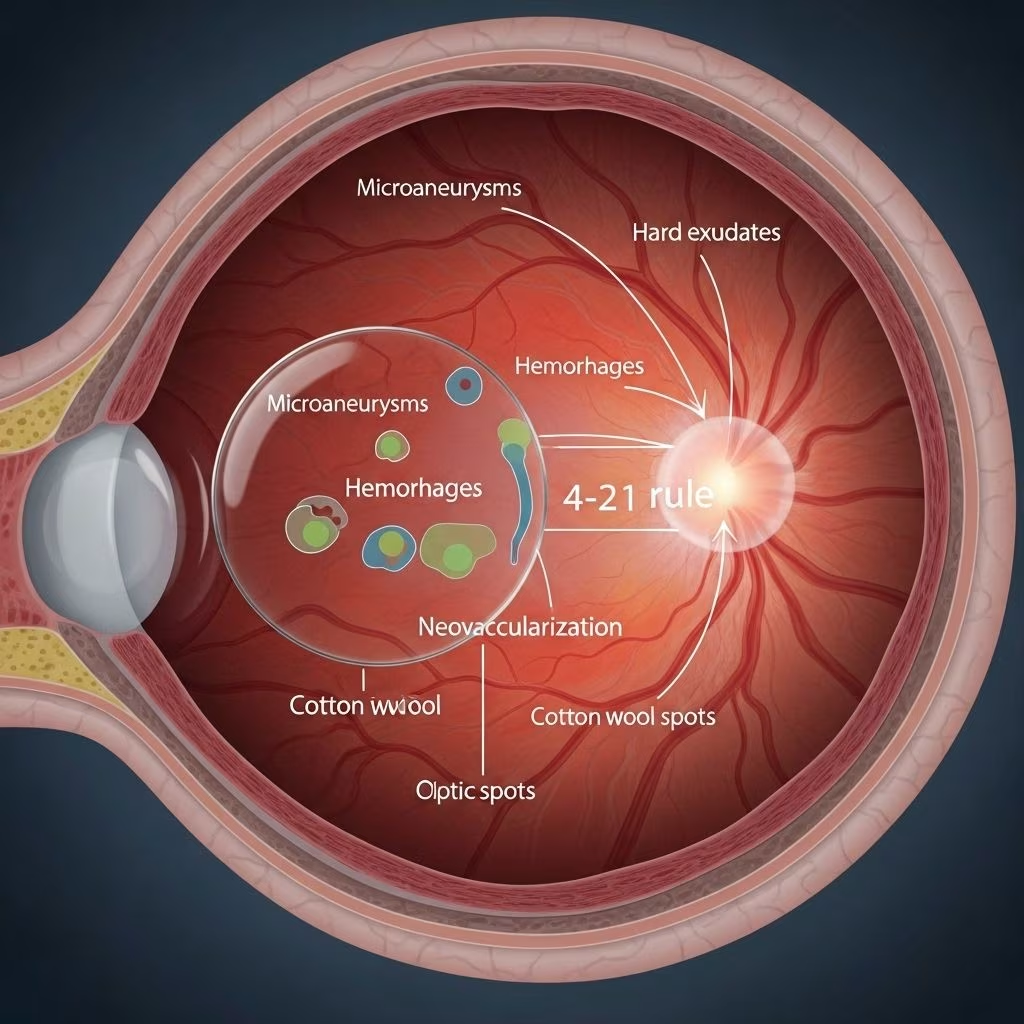
- Mild Nonproliferative Diabetic Retinopathy (NPDR): Characterized primarily by the presence of tiny bulges in blood vessels known as microaneurysms.
- Moderate Nonproliferative Diabetic Retinopathy: Progression includes increased swelling, blood vessel blockage, and early leaks of blood or fluid into the retina.
- Severe Nonproliferative Diabetic Retinopathy: Defined using the 4-2-1 rule, this stage results from significant blood vessel damage and is associated with a high risk of further progression.
- Proliferative Diabetic Retinopathy (PDR): Advanced stage where abnormal new blood vessels proliferate on the surface of the retina, often leading to retinal detachment or severe bleeding.
Why Is Early Detection So Important?
The earliest stages of diabetic retinopathy generally do not present visual symptoms. This means that damage may be occurring long before it is noticed. Regular annual dilated eye examinations are recommended for all people with diabetes, as these allow doctors to inspect the blood vessels of the retina in detail, identifying issues early and allowing for timely management.
What is the 4-2-1 Rule?
The 4-2-1 rule is an evidence-based clinical guideline that helps doctors identify severe nonproliferative diabetic retinopathy (NPDR), which is a critical juncture in disease progression. Accurate application of this rule prevents unnecessary delays in treatment and helps preserve vision.
The rule is named for its three criteria, assessed across the four quadrants of the retina:
- 4 quadrants show severe hemorrhages (bleeding) or microaneurysms.
- 2 or more quadrants show significant venous beading (blood vessels that appear irregularly wider or ‘beaded’).
- 1 or more quadrants have prominent intraretinal microvascular abnormalities (IRMAs), which are abnormal blood vessel formations within the retina.
If a patient meets any one of these criteria, they are diagnosed with severe NPDR. When two or more criteria are met, the diagnosis is classified as very severe NPDR, indicating an even greater risk for progression to proliferative diabetic retinopathy and urgent follow-up and management.
How Do Doctors Use the 4-2-1 Rule?
Doctors use dilated eye exams and imaging techniques such as fundus photography or fluorescein angiography to visualize the retina and evaluate blood vessel changes. The 4-2-1 rule guides classification as follows:
| Criterion | Retinal Finding | Severity Assessment |
|---|---|---|
| 4 quadrants | Severe hemorrhages or microaneurysms | Qualifies for severe NPDR |
| 2 or more quadrants | Venous beading | Qualifies for severe NPDR |
| 1 or more quadrants | Prominent IRMA (intraretinal microvascular abnormalities) | Qualifies for severe NPDR |
| 2 or more criteria | Any combination of the above | Very severe NPDR |
This classification is used universally to guide not just diagnosis, but also the necessary follow-up interval and urgency of specialist referral.
What Happens After a Severe NPDR Diagnosis?
If the 4-2-1 rule is met and severe NPDR is diagnosed, the following steps are essential to prevent further progression:
- Regular eye examinations: More frequent eye checks (typically every 2-4 months) are needed to track changes and identify transition to proliferative disease early.
- Report symptoms promptly: Any changes in vision—such as blurriness, floaters, or areas of darkness—should be reported immediately to a healthcare provider.
Monitoring is vital because severe NPDR can rapidly escalate to proliferative diabetic retinopathy, where the risk of irreversible vision loss is significantly increased.
Treatment Options for Diabetic Retinopathy
Treatment depends largely on the stage and severity of retinopathy:
- Mild or moderate NPDR: Regular monitoring and optimized blood sugar, blood pressure, and cholesterol management. No immediate treatment is usually necessary.
- Severe NPDR or PDR: Active intervention may be recommended, especially to prevent further loss of vision.
Common Treatment Modalities
- Anti-VEGF Injections: Medications injected directly into the eye to inhibit vascular endothelial growth factor (VEGF), thereby reducing abnormal blood vessel growth and leakage.
- Laser Photocoagulation: Uses targeted laser energy to seal leaking or abnormal retinal blood vessels, a mainstay for preventing further damage.
- Vitrectomy: Surgical removal of the vitreous gel to clear blood from the eye and repair retinal damage, often indicated in advanced cases.
These treatments can dramatically decrease the risk of vision loss when disease is caught at an appropriate stage. Early and consistent management of blood sugar levels, blood pressure, and cholesterol remains foundational for minimizing disease advancement.
Self-Care and Prevention
While medical and surgical treatments are important for severe stages, lifestyle modifications and coordinated care play a fundamental role in preventing retinopathy development and slow its progression:
- Maintain optimal blood glucose levels through a balanced diet and medications as prescribed.
- Monitor and control blood pressure and cholesterol for overall vascular health.
- Have regular, annual dilated eye exams for early detection—even if you have no visual symptoms.
Frequently Asked Questions (FAQs)
What is the 4-2-1 rule in diabetic retinopathy?
The 4-2-1 rule is a diagnostic guideline used to identify severe nonproliferative diabetic retinopathy. It is based on the number and type of abnormal findings present within the four quadrants of the retina, specifically hemorrhages, venous beading, and IRMAs.
Who is most at risk of developing diabetic retinopathy?
People with diabetes—especially those who have longstanding or poorly controlled blood sugar—face the highest risk. Additional risk factors include high blood pressure, high cholesterol, and a family history of eye disease. The condition is more prevalent in males and non-Hispanic Black individuals.
Can diabetic retinopathy be reversed?
While early stages may be halted or even partially reversed with improved blood sugar, blood pressure, and cholesterol management, advanced stages require medical or surgical intervention. Early detection remains key to successful outcomes.
Is it possible to have diabetic retinopathy and not know it?
Yes. Early stages often do not present any symptoms. Routine, annual dilated eye exams are critical for those with diabetes in order to detect damage before vision changes occur.
What should I do if diagnosed with severe NPDR?
Follow your eye care provider’s recommendations for frequent eye exams, promptly report any vision changes, and maintain strict control of your blood sugar, blood pressure, and cholesterol to reduce risk progression to advanced disease.
Summary
The 4-2-1 rule is a vital clinical tool for diagnosing and classifying severe nonproliferative diabetic retinopathy, informing treatment strategies aimed at preserving vision. Through regular eye examinations, attention to systemic health, and prompt specialist referral when necessary, people living with diabetes can significantly reduce their risk of vision loss. Understanding the 4-2-1 rule empowers patients and clinicians alike to take proactive steps in managing eye health in the context of diabetes.
References
- https://www.healthline.com/health/diabetes/421-rule-diabetic-retinopathy
- https://www.reviewofoptometry.com/article/diabetic-retinopathy-by-the-numbers
- https://www.medicalnewstoday.com/articles/diabetic-retinopathy-grading
- https://www.ncbi.nlm.nih.gov/books/NBK560805/
- https://eyewiki.org/Diabetic_Retinopathy
- https://pmc.ncbi.nlm.nih.gov/articles/PMC3874488/
- https://webeye.ophth.uiowa.edu/eyeforum/tutorials/diabetic-retinopathy-med-students/Classification.htm
- https://eyerounds.org/tutorials/Diabetic-Retinopathy-Med-Students/index.htm