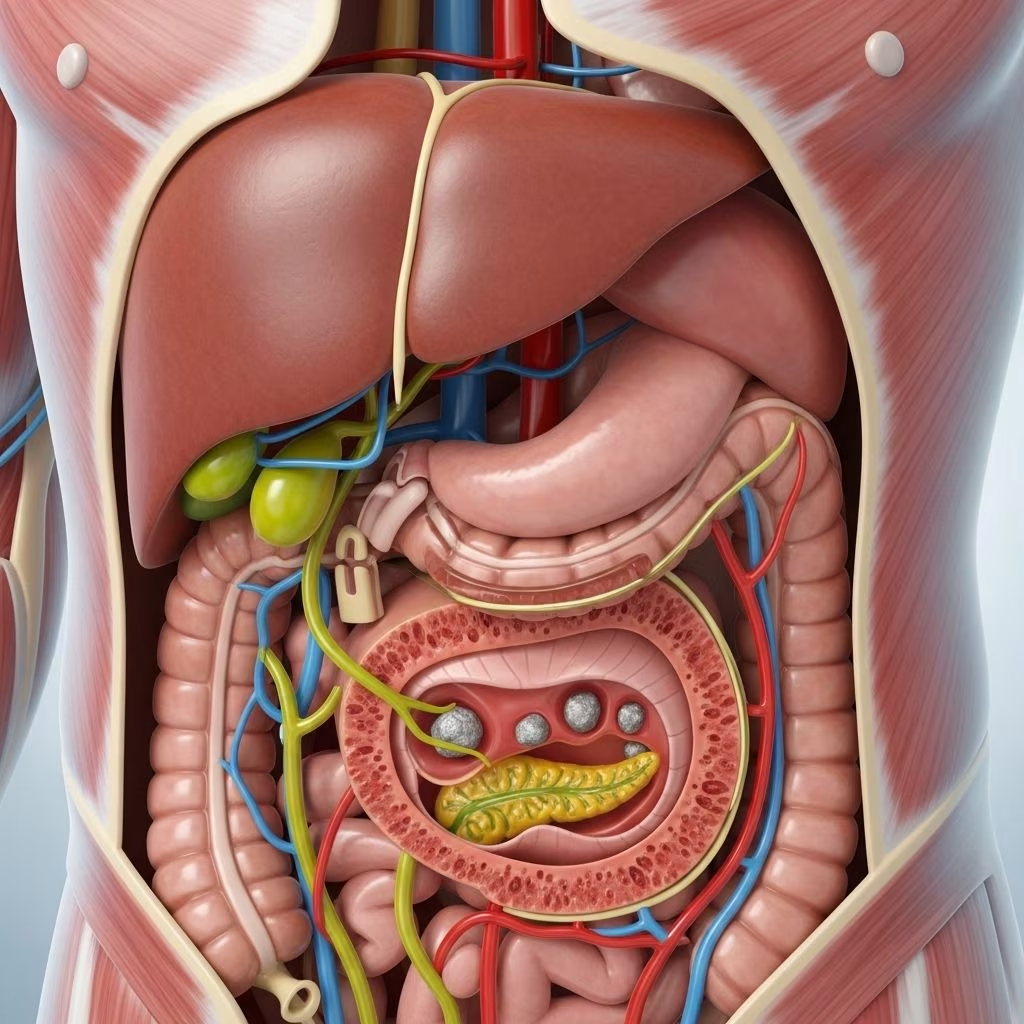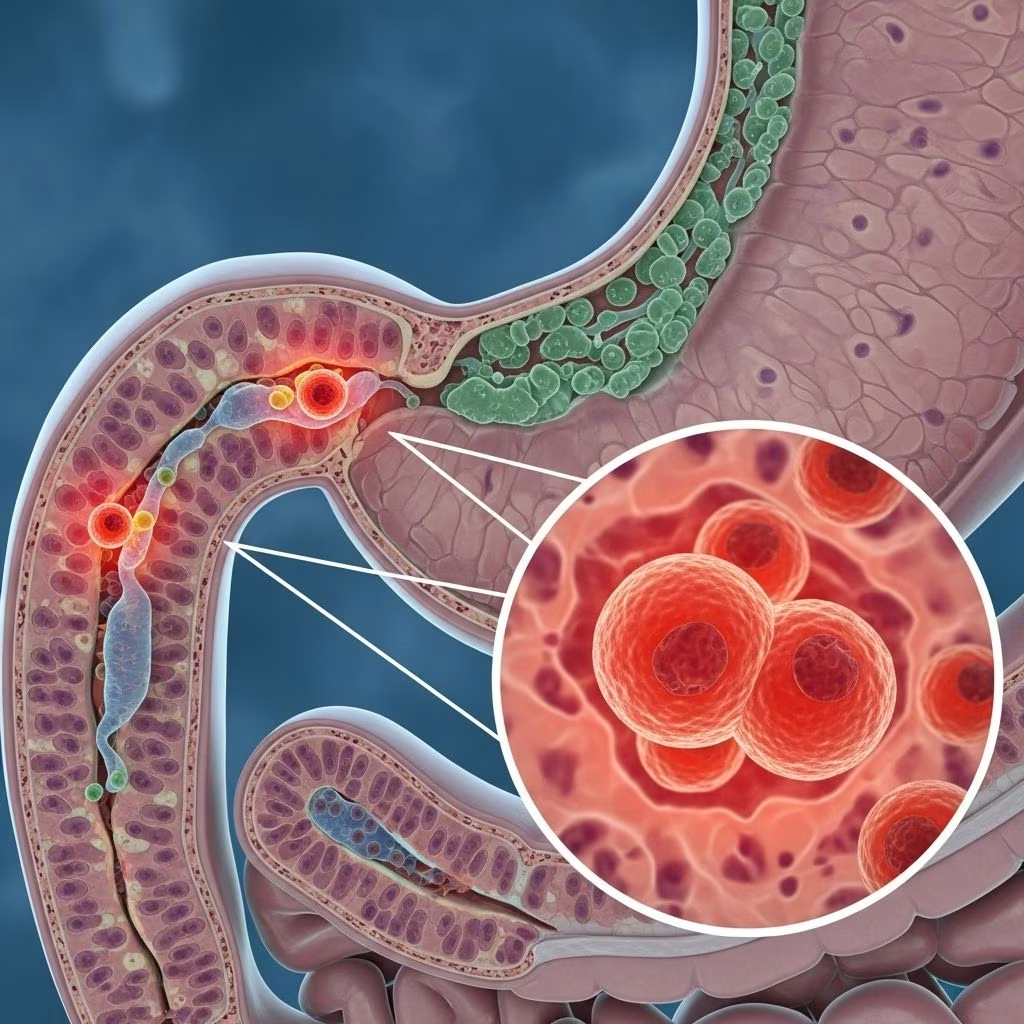
Eosinophilic gastroenteritis (EGE) is a rare and often misunderstood condition that affects the digestive tract. While its symptoms can overlap with many other gastrointestinal disorders, EGE’s unique hallmark is the abnormal accumulation of eosinophils—a type of white blood cell—in different layers or parts of the gastrointestinal (GI) tract. This accumulation leads to chronic digestive tract inflammation and presents a variety of symptoms, which can make diagnosis and management challenging and nuanced.
What is Eosinophilic Gastroenteritis?
Eosinophilic gastroenteritis is a disorder in which unusually high numbers of eosinophils infiltrate the lining of the stomach and small intestine. These immune cells, integral for fighting certain infections and involved in allergic responses, trigger inflammation when they accumulate, causing tissue damage and digestive symptoms.
- Chronic condition: EGE is persistent and can have periods of flare-up and remission.
- Disease spectrum: It can affect the stomach (gastritis), small intestine (enteritis), or both (gastroenteritis). Severity and affected locations can vary widely between individuals.
- EGE is distinct from but related to other eosinophilic gastrointestinal diseases (EGIDs), such as eosinophilic esophagitis (EoE).
Main Causes and Risk Factors
The precise cause of eosinophilic gastroenteritis is not well understood. However, the following factors play significant roles:
- Immune response: EGE is thought to have an immune-mediated basis, often associated with allergies.
- Allergies: Many patients with EGE have a history of food intolerance, food allergies, or atopic conditions like asthma and eczema.
- Genetic susceptibility: Emerging research suggests a genetic predisposition to eosinophilic GI diseases.
- Environmental exposures and familial clustering may also increase risk, though definitive sources have not been determined.
Common Symptoms
Symptoms can vary based on which section and layer of the GI tract is involved. The three main forms are restricted by location: mucosal, muscular, and serosal. However, several symptoms are common:
- Abdominal pain (from mild to severe)
- Nausea and/or vomiting
- Chronic diarrhea
- Weight loss and difficulty eating
- Abdominal bloating and cramps
- Fatigue and/or anemia
- Poor growth in children and infants
- Persistent digestive discomfort
Symptoms typically develop gradually and are often mistaken for other GI conditions. In rare cases, fluid accumulation (ascites) in the abdomen or intestinal blockage can occur.
Who Gets Eosinophilic Gastroenteritis?
- EGE can affect people of any age and gender but is most commonly diagnosed in adults between 30 and 50 years old.
- It can appear in children, especially in those with a family history of allergies or eosinophilic disorders.
How is Eosinophilic Gastroenteritis Diagnosed?
Diagnosis requires careful evaluation and exclusion of other common gastrointestinal diseases such as celiac disease, inflammatory bowel disease, or infections.
Stepwise Diagnostic Approach
- Detailed Medical History and Physical Examination
Clinicians look for clues such as allergies, atopic disease history, and chronic or fluctuating digestive symptoms. - Laboratory Investigations
- Blood tests may reveal eosinophilia (elevated eosinophil count), anemia, or low protein levels.
- Stool samples help exclude infections or other inflammatory GI diseases.
- Endoscopy and Biopsy
- Upper endoscopy (esophagogastroduodenoscopy) is crucial to directly observe the stomach and intestines.
- Multiple tissue biopsies are taken from the lining of the stomach and small intestine.
- The presence of high numbers of eosinophils confirms the diagnosis.
- Imaging Studies
Abdominal ultrasound, CT, or MRI scans may detect wall thickening or fluid collection, especially in deeper layers.
Differential Diagnosis
It is essential to rule out other causes of GI eosinophilia, such as parasitic infections, drug reactions, and hypereosinophilic syndromes.
Understanding Types of EGE
Eosinophilic gastroenteritis can be classified based on the GI tract layers involved:
| Type | Layer Affected | Typical Symptoms |
|---|---|---|
| Mucosal | Lining (mucosa) of stomach and intestines | Abdominal pain, diarrhea, malabsorption, anemia |
| Muscular | Muscular layer of digestive tract wall | Intestinal obstruction, cramping, vomiting |
| Serosal | Outermost layer (serosa) of the GI tract | Fluid accumulation (ascites), abdominal pain |
Treatment and Management
Since there is no definitive cure for EGE, treatment goals focus on relieving symptoms, reducing inflammation, and improving quality of life.
Dietary Therapy
- First-line approach: Dietary modification—especially the elimination of triggering foods—is often the first step.
- Food allergy testing (skin prick or blood IgE tests) may help identify possible triggers.
- Types of elimination diets:
- Targeted Elimination Diet (TED): Only foods proven or suspected to trigger allergies are removed.
- Empiric Elimination Diet: Several common allergens (such as dairy, wheat, eggs, soy, nuts, and seafood) are eliminated, then gradually reintroduced.
- Elemental Diet: In severe cases, a nutritionally complete liquid formula is used. This is rarely continued long-term due to taste and practicality issues.
- Diet therapy is best supervised by an experienced dietitian or nutritionist to prevent malnutrition.
Medications
- Corticosteroids: The mainstay of drug therapy. These reduce inflammation and immune activity. Common drugs include prednisone, prednisolone, budesonide, or fluticasone.
- Oral corticosteroids induce symptom relief in up to 90% of EGE patients, although long-term use carries potential side effects.
- Antihistamines: Sometimes used to control histamine-related immune responses, though evidence is limited.
- Mast Cell Stabilizers: Drugs that stabilize immune cells to prevent excessive inflammation.
- Proton pump inhibitors (PPIs): Useful if acid reflux symptoms are present. They lower gastric acid production.
- Other immune modulators: Rarely, drugs that suppress the immune system more broadly may be recommended in severe or steroid-dependent cases.
- Antibiotics: Certain antibiotics like clarithromycin may be used if H. pylori infection is identified, and the medication can also modulate immune responses.
Nutritional Support
- Supplements: Iron, vitamins, or protein supplements may be needed if malabsorption or weight loss is severe.
- In rare, severe cases, nutritional support through feeding tubes may be required temporarily.
Surgical Intervention
- Surgery is rarely indicated. It may be necessary only in extreme cases, such as persistent intestinal blockage due to disease-related scarring.
Living With Eosinophilic Gastroenteritis
Eosinophilic gastroenteritis is a chronic condition—symptoms may wax and wane, but a thoughtful, individualized approach can help most people manage symptoms effectively.
- Regular follow-up with a multidisciplinary team—including a gastroenterologist, allergist, and dietitian—optimizes management.
- Ongoing communication and tracking of symptoms can help adjust therapy for the best results.
Frequently Asked Questions (FAQs)
Q: Is eosinophilic gastroenteritis a lifelong illness?
A: EGE is typically a chronic disease that can persist for years or even throughout life. Symptom intensity may change, and some people experience long periods of remission with proper management.
Q: Can eosinophilic gastroenteritis be cured permanently?
A: There is currently no cure. However, symptoms can often be controlled using dietary changes and medications, allowing for a good quality of life.
Q: How is EGE different from eosinophilic esophagitis (EoE)?
A: While both involve eosinophil build-up, EoE is limited to the esophagus, whereas EGE involves the stomach and/or small intestine and can present with broader digestive symptoms.
Q: What dietary changes are most helpful?
A: Diets that eliminate triggering allergens—often identified with specialist support—are highly effective for mucosal-predominant EGE. Empiric or elemental diets are sometimes tried when triggers are not known.
Q: Should patients with EGE receive regular checkups?
A: Yes. Monitoring is important to track nutrition, control inflammation, and adjust therapies as needed.
Takeaway: Proactive Care for EGE
Eosinophilic gastroenteritis remains a complex and individualized disorder. Though chronic, it can be managed effectively with:
- Collaborative care between specialists
- Personalized dietary therapy and regular nutrition evaluation
- Thoughtful use of medications—especially corticosteroids and, when appropriate, other immune modulators
- Regular review of symptoms and laboratory monitoring
Researchers continue to pursue better understanding and treatments for EGE. With proper support and proactive care, most people living with eosinophilic gastroenteritis can achieve significant symptom relief and live active, healthy lives.
References
- https://iffgd.org/gi-disorders/eosinophilic-gastroenteritis/
- https://www.healthline.com/health/digestive-health/eosinophilic-gastroenteritis
- https://www.medicalnewstoday.com/articles/eosinophilic-gastroenteritis
- https://pmc.ncbi.nlm.nih.gov/articles/PMC5095570/
- https://rarediseases.org/rare-diseases/eosinophilic-gastroenteritis/
- https://www.ncbi.nlm.nih.gov/books/NBK547729/
- https://www.cincinnatichildrens.org/health/e/eosinophilic-gastritis
- https://mednexus.org/doi/10.1097/CM9.0000000000002511