Eyelash Extensions: Pros, Cons, Risks, and Safety Tips
Eyelash extensions have become a popular beauty trend for many seeking longer, fuller lashes without the daily application of mascara. While they can save time and offer customizable enhancement to your natural look, it’s crucial to weigh their benefits against the potential risks and understand proper safety and maintenance practices before committing to the procedure.
What Are Eyelash Extensions?
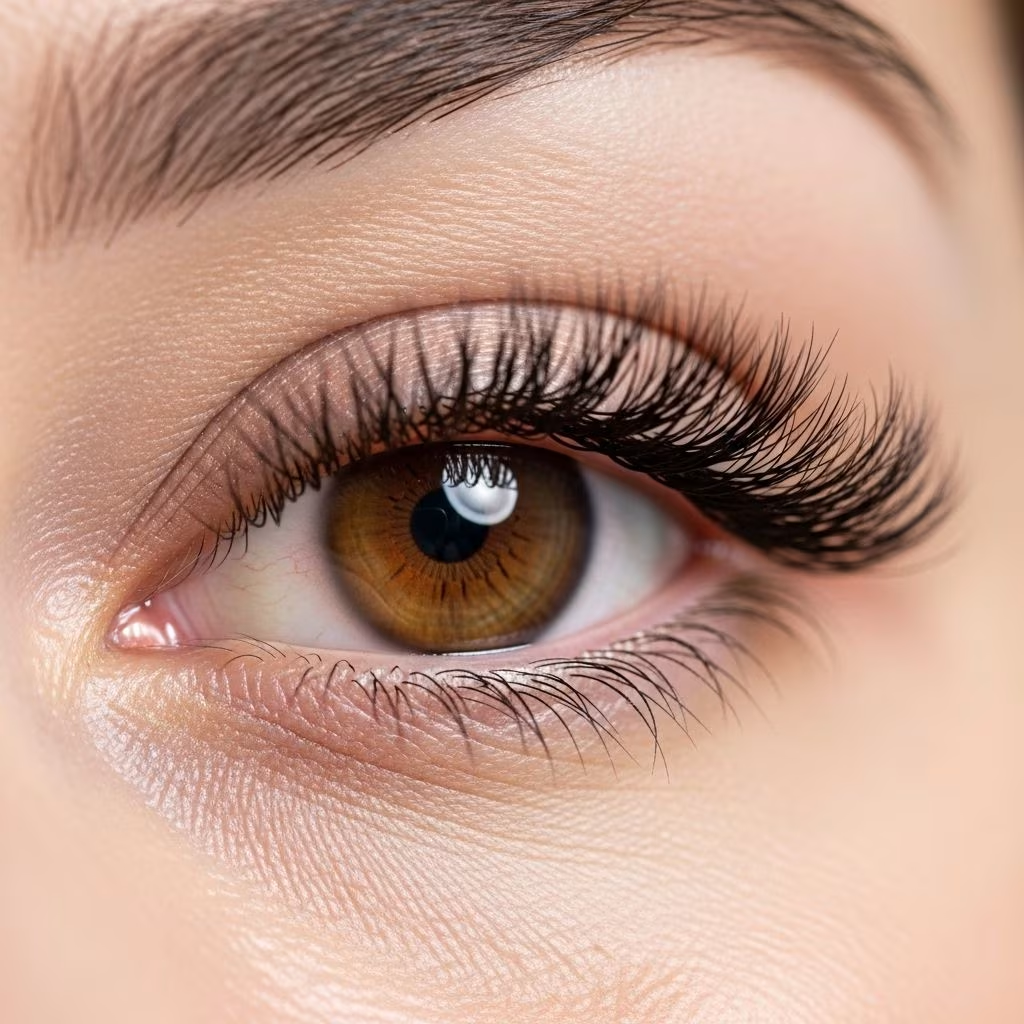
Eyelash extensions are semi-permanent fibers—typically made from synthetic or natural materials—professionally attached to your natural eyelashes using a specialized adhesive. The procedure aims to enhance lash length, curl, and thickness for several weeks at a time.
- Material Options: Silk, mink, synthetic, or hybrid fibers.
- Customizable Appearance: Choose your preferred length, curl, and fullness.
- Semi-permanent: They last anywhere from 2–6 weeks, depending on care and natural lash shedding cycles.
Benefits of Eyelash Extensions
Eyelash extensions offer notable advantages for those desiring fuller, longer lashes with minimal daily effort.
- Elimination of Daily Mascara: No need for mascara application or removal; wake up with voluminous lashes each day.
- Time-Saving Routine: Reduces time spent on makeup, especially in the morning.
- Customizable Options: Extensions can be tailored for length, curl, and thickness to suit individual style preferences.
- Enhanced Volume and Length: Results in more prominent, fluttery lashes for a glamorous appearance.
- Natural, Seamless Appearance: High-quality extensions mimic natural lashes closely, so the look is subtle and elegant.
| Benefit | Explanation |
|---|---|
| Eliminates Mascara | No daily need to apply or remove mascara. |
| Time-Saving | Shortens daily makeup and cleansing routines. |
| Customizable | Select length, thickness, and curl to suit personal style. |
| Long-Lasting | Results last 2–6 weeks (with maintenance). |
| Natural Look | High-quality extensions blend with natural lashes. |
Potential Risks and Downsides of Eyelash Extensions
While eyelash extensions offer convenience and aesthetic enhancement, they also carry certain risks and disadvantages.
- Eye Infection: Unsanitary application conditions or contaminated tools can cause eye infections or conjunctivitis.
- Allergic Reaction: Adhesive glues may cause skin irritation, stinging, burning, or severe swelling, especially those containing formaldehyde or latex.
- Natural Lash Damage: The added weight and stress can weaken or break natural lashes; incorrect application may lead to permanent lash loss.
- Temporary or Permanent Lash Loss: Extensions may accelerate lash shedding or, in rare cases, cause permanent loss.
- Skin Irritation and Discomfort: Redness, swelling, itching, and pain around the eyelid area can occur.
- Maintenance Requirement: Extensions need regular refills every few weeks and careful aftercare.
- Cost: Application and periodic refills can be expensive, especially compared to false lashes.
- Not Suitable for All Skin Types: Individuals with certain skin conditions should consult a doctor before proceeding.
Common Symptoms and Signs of Complications
- Stinging or burning sensation in the eyes
- Bloodshot or reddened eyes
- Severe swelling of eyelids
- Itching or rash around the eyes
- Pain or discomfort
- Temporary or permanent loss of eyelashes
Expert Safety Guidelines Before Getting Extensions
Minimize risks and optimize results by following these safety recommendations:
- Choose a certified, licensed professional (cosmetologist or aesthetician).
- Confirm use of clinical-grade, formaldehyde-free adhesive; avoid nail glue or adhesives containing latex (especially if allergic).
- Request an ingredient list for all chemicals and perform a patch test if you have sensitive skin or past allergic reactions.
- Ensure the procedure takes place in a clean, sterilized environment with proper hygiene protocols.
- Ask for clean towels or bedding and confirm that instruments and hands are sanitized before the procedure.
- Avoid the procedure if you have active eye or skin infections/irritations unless cleared by a healthcare provider.
Who Should Avoid Eyelash Extensions?
While many people tolerate eyelash extensions well, certain groups should exercise greater caution or avoid them without medical advice:
- Individuals with active eye infections or recent surgery
- Those with skin conditions like eczema or severe allergies
- Anyone with a known allergy to adhesives or latex
- People undergoing dermatological treatment around the eyes
- Individuals with a history of severe eyelid reactions
If uncertain, always consult with your doctor or dermatologist before scheduling an appointment.
Longevity: How Long Can Eyelash Extensions Last?
Eyelash extensions generally last between 2–6 weeks, depending on your natural lash cycle, makeup and cleansing habits, and maintenance routine. Extensions fall out with natural lash shedding and may look uneven after several weeks; periodic refills can help maintain a uniform appearance.
- Average touch-up interval: Every 2–3 weeks
- Complete replacement needed after 4–6 weeks
Maintenance Tips for Healthy Eyelash Extensions
Proper aftercare is key for prolonging extension life, avoiding infections, and protecting your natural lashes.
- Avoid getting your lashes wet for the first 24–48 hours after application.
- Refrain from using oil-based cleansers, creams, and makeup removers (they weaken the glue).
- Gently clean your lashes with approved lash cleansers every few days.
- Do not rub your eyes or pull at the extensions.
- Avoid heated eyelash curlers or mascara formulated for traditional lashes.
- Use a clean spoolie brush to gently comb lashes and keep them detangled.
- Schedule regular touch-ups with your lash technician every 2–3 weeks.
- If you experience persistent redness, swelling, or discomfort, remove the extensions and seek medical attention.
Cost Considerations
Budgeting is important as extensions require an initial investment and ongoing upkeep.
- Initial full set: $120–$300 or more (varies by location, technician, and desired style)
- Refills: $50–$150 every 2–3 weeks
- Additional products: Specialized cleansers, brushes, and aftercare items
False lashes are more affordable (<$20 per pair), but they lack the longevity and convenience of extensions.
Eyelash Extensions vs. False Lashes: Quick Comparison
| Feature | Eyelash Extensions | False Lashes |
|---|---|---|
| Longevity | 2–6 weeks (with maintenance) | 1 day; reusable but temporary |
| Cost | High (regular touch-ups required) | Low (per set; easy to replace) |
| Application | Professional, takes 1–2 hours | Self-applied, quick |
| Natural Look | Customizable, seamless | Can be dramatic or subtle |
| Risks | Infection, irritation, lash loss | Lash glue allergy, less risk than extensions |
Alternatives to Eyelash Extensions
If you’re not ready to commit or are concerned about potential risks, consider these alternatives:
- False Strip Lashes: Affordable, reusable, can be applied and removed daily.
- Magnetic Lashes: Use magnets instead of glue, reducing allergic potential.
- Lash-Boosting Mascara: Special formulas to thicken and lengthen lashes each day.
- Lash Growth Serums: Formulated to increase length and thickness naturally over time (consult a physician for recommendations).
Frequently Asked Questions (FAQs) About Eyelash Extensions
Q: Can eyelash extensions cause permanent lash loss?
A: Rarely, but improper application or removal and repeated damage can potentially lead to permanent lash loss. Always use reputable professionals and avoid heavy or oversized extensions.
Q: How do I know if I’m allergic to lash adhesives?
A: Ask your technician for a patch test using the adhesive on your skin (usually arm or behind the ear) and wait 48 hours to observe for redness, swelling, or itching before having the full procedure.
Q: How can I prevent infections or complications?
A: Insist on proper hygiene, sterilized instruments, a licensed technician, and formaldehyde-free adhesives. Follow recommended aftercare, avoid touching lashes, and keep the area clean.
Q: How often should eyelash extensions be replaced?
A: Refills are generally needed every 2–3 weeks. After 4–6 weeks, a full replacement may be necessary as extensions shed along with your natural lashes.
Q: What should I do if I experience irritation after getting extensions?
A: Remove the extensions immediately if you have severe swelling, itching, or eye discomfort, and consult a physician. Prompt removal minimizes the risk of lasting damage or infection.
Final Thoughts: Making an Informed Choice
Eyelash extensions offer beautiful, convenient, and customizable lash enhancements. However, understanding the pros and cons, following safety guidelines, and considering medical or skin conditions is essential to minimize risks and maintain eye health. Consult with professionals, prioritize hygiene, and weigh the costs and maintenance needs against your lifestyle and budget. When in doubt, explore alternatives until you can ensure a safe, satisfying experience.
References
- https://www.healthkart.com/connect/pros-and-cons-of-eyelash-extensions/
- https://frenchielashes.com.au/can-eyelash-extensions-damage-your-eyelashes/
- https://www.revitalash.com/blogs/lash/eyelash-extensions-vs-false-lashes-what-to-know
- https://www.healthline.com/health/eye-health/eyelash-extensions-pros-and-cons
- https://www.webmd.com/eye-health/eyelash-extensions-and-eyelash-growth-serum
- https://www.cosmopolitan.com/style-beauty/beauty/a3915095/eyelash-extensions-for-beginners/
- https://drjiwani.ca/eyelash-extensions-pros-and-cons/