Fall Prevention Exercises: Strength and Balance Strategies for Seniors
Falls remain one of the leading causes of injury among older adults, often resulting in reduced mobility, loss of independence, and a decline in overall health and confidence. Proactive measures, such as regular strength and balance exercises, can significantly reduce the likelihood of falls and help seniors maintain an active and fulfilling lifestyle. This comprehensive guide explores the key exercises supported by experts at Johns Hopkins Medicine, practical advice for safe participation, and answers frequently asked questions surrounding fall prevention.
Why Focusing on Fall Prevention Matters
- Falls are common: Nearly one in three adults aged 65 and older experiences a fall each year.
- Severe consequences: Falls can lead to serious injuries such as fractures, head trauma, and hospitalization.
- Loss of independence: Injurious falls may reduce one’s ability to live independently and affect long-term health outcomes.
- Preventable with exercise: Regular strength and balance exercises are well-proven strategies for reducing the risk of falls and improving well-being.
Expert-Recommended Fall Prevention Exercises
Before starting any new exercise routine, consult your physician or physical therapist to ensure that your chosen exercises are appropriate for your health and mobility level.
1. Sit-to-Stand Exercise
The sit-to-stand exercise is a core movement that targets leg strength and improves balance, making it highly effective for fall prevention.
- Use a sturdy chair with arms, positioned on a flat surface to prevent sliding.
- Sit comfortably with feet flat on the ground, scooting forward until your hips are near the seat’s edge.
- Lean forward, shifting weight over your toes; then, slowly rise to a stable standing position using your legs for power.
- Return to sitting slowly and under control.
Tip: Initially, use your hands on the chair arms for assistance. As you progress, work to perform the movement without using your arms. For greater challenge, hold hand weights. Cease if you experience pain and consult your healthcare provider.
| Step | Instructions | Benefits |
|---|---|---|
| 1. Positioning | Sit forward in the chair, feet flat, sturdy chair with arms | Ensures safety, prepares for correct movement |
| 2. Movement | Lean forward, stand up slowly, then sit down slowly | Strengthens legs, improves functional mobility |
| 3. Repetition | Repeat 10 times, rest, progress over time | Builds endurance and strength |
2. Standing Balance Progressions
Balance exercises can be performed at home with minimal equipment. Always practice near a sturdy surface, such as a countertop, and consider having someone nearby if you feel unsteady.
- Beginner: Feet Shoulder-Width Apart
- Stand with feet shoulder-width apart, hands lightly resting on a solid surface.
- Try to let go and balance without support, starting with 10 seconds and progressing up to 30 seconds.
- Intermediate: Feet Together
- Stand with feet touching together, hands available to steady.
- Lift hands and balance as long as possible, progressing from 10 to 30 seconds.
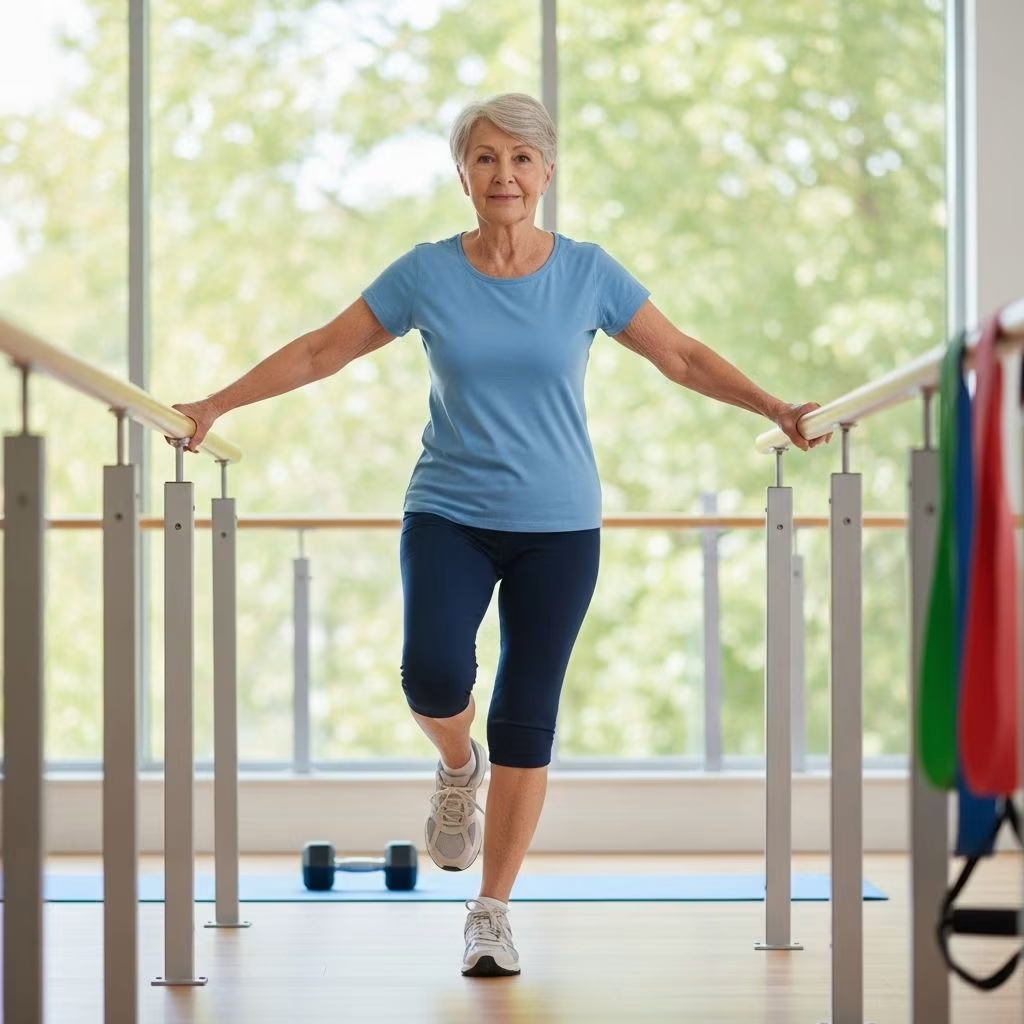
- Advanced: Single-Leg Stance
- Stand holding a surface, lift one foot off the ground.
- Attempt to balance without holding on, aiming for 10–30 seconds per leg.
- Practice both legs to ensure equal strength and stability.
- Expert: Eyes Closed
- Repeat the above positions with eyes closed for increased challenge.
- Hold for 10 seconds, progressing to 30 seconds as stability improves.
Progress safely: Increase difficulty only as you are able to maintain steady balance for 30 seconds on each level. Always keep safety first and discontinue if you feel unsafe or unstable.
3. Toe Stand Exercise
Toe stands (calf raises) are great for building lower leg strength and enhancing balance.
- Stand behind a solid chair or counter, back straight, knees slightly bent.
- Hold onto the chair for support.
- Rise up slowly onto your tiptoes as high as possible, then lower back down gently.
- Repeat 10–15 times for a set, adjust as strength improves.
Best Practices for Safe and Effective Exercise
- Consult your doctor or physical therapist before starting, especially if you feel unsteady or have a health condition.
- Wear supportive, non-slip footwear and use stable equipment.
- Keep floors clear of clutter and ensure adequate lighting.
- Always have a sturdy surface within reach when practicing balance exercises.
- Listen to your body and stop immediately if you feel pain, dizziness, or discomfort.
How Do These Exercises Prevent Falls?
Strength and balance training helps improve stability, muscle tone, and proprioception (your body’s sense of position and movement). Enhanced leg strength enables quicker, surer reactions to tripping or instability, while improved balance reduces the likelihood of stumbles. Consistency and gradual progression are key—the more regularly these exercises are performed, the greater the benefit.
Sample Weekly Fall Prevention Exercise Routine
| Day | Exercise | Sets & Repetitions |
|---|---|---|
| Monday | Sit-to-Stand, Toe Stand | 10 reps (each), 2 sets per day |
| Tuesday | Balance Progressions (feet apart, together) | Hold 10–30 seconds, 3 reps per position |
| Wednesday | Sit-to-Stand with hand weights, Single-Leg Balance | 10 reps (Sit-to-Stand), 10 seconds/leg |
| Thursday | Toe Stand, Eyes Closed Balance | 15 reps (Toe Stand), 10 seconds/position |
| Friday | Sit-to-Stand, Balance Progressions | 10 reps (Sit-to-Stand), 30 seconds/position |
| Saturday | Toe Stand, Single-Leg Balance | 15 reps (Toe Stand), 30 seconds/leg |
| Sunday | Rest or Gentle Stretching | Focus on recovery & flexibility |
Extra Tips for Fall Prevention
- Stay physically active: Regular movement preserves muscle mass and flexibility.
- Review medication side effects: Some medications can affect balance; consult your healthcare provider regularly.
- Check vision and hearing: Good sensory function reduces fall risk.
- Remove home hazards: Ensure rugs, cords, and clutter do not cause tripping.
- Install assistive devices: Consider handrails, grab bars, and raised toilet seats where needed.
- Maintain hydration and nutrition: Dehydration and poor diet can impact strength and alertness.
Frequently Asked Questions (FAQs)
Q: How often should I do these exercises?
A: Aim for at least two to three times per week. Consistency is vital for building lasting strength and balance. Progress gradually as your confidence and stability improve.
Q: What if I feel pain or discomfort while performing these exercises?
A: Stop immediately and consult your doctor or physical therapist. Pain is a signal to reassess technique, intensity, or appropriateness of the exercise.
Q: Can fall prevention exercises help with other health goals?
A: Yes. In addition to reducing risk of falling, these exercises support cardiovascular health, maintain bone density, support weight management, and improve overall mobility.
Q: Do I need special equipment?
A: Most exercises require only a sturdy chair or countertop. Optional hand weights add resistance as you advance, and supportive shoes enhance safety.
Q: What should I do if I have a history of falls or balance problems?
A: Consult your healthcare provider for a tailored exercise plan. Supervised physical therapy may be recommended to guide safe and effective progress.
Q: Can beginners safely try these exercises at home?
A: Yes, most can be done at home. Ensure a safe environment, work near a sturdy support, and have someone nearby if needed.
Q: Are these exercises suitable for people with chronic conditions?
A: Many fall prevention exercises are adaptable for various conditions, but always consult with a medical professional before starting.
Additional Resources
- Johns Hopkins Rehabilitation Network: Offers expert advice and customized exercise programs for seniors.
- Local physical therapy clinics: Can provide assessment and guidance tailored to your needs.
- Community senior centers: Often host group exercise classes focused on balance and strength training.
Embracing a regular routine of fall prevention exercises empowers older adults to maintain autonomy, minimize risk, and confidently enjoy day-to-day life. Begin slowly, celebrate progress, and seek professional advice as needed to ensure exercises remain safe, effective, and rewarding.
References
- https://www.aavl-blind-seniors.org/sites/default/files/media/FP-Exercise-from-Johns-Hopkins.doc
- https://www.youtube.com/watch?v=q3faZkO4gbc
- https://northbridgecommunities.com/blog-post/exercises-for-seniors-to-help-prevent-falls-and-stay-independent/
- https://countrysideneurology.com/physical-therapy-exercises-for-fall-prevention/
- https://www.youtube.com/playlist?list=PL5B5801D2EB722FA9