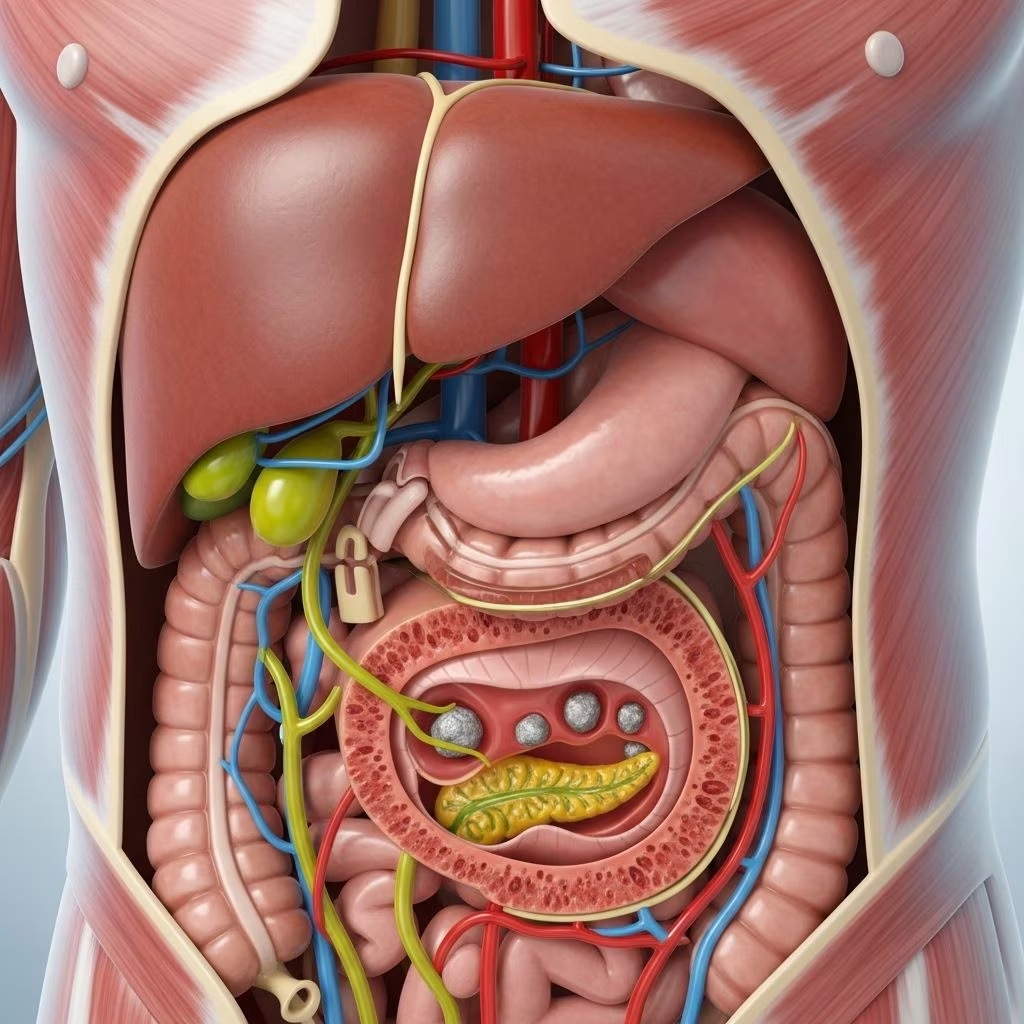
Chronic kidney disease (CKD) is a progressive health condition that impacts millions worldwide, affecting the kidneys’ ability to filter waste and balance fluids. Nutrition becomes a vital part of treatment at every stage, yet navigating dietary recommendations can be challenging. One of the most valuable resources for anyone with CKD is an experienced registered dietitian (RD), who can craft individualized eating plans, help with complex choices, and empower patients to take charge of their health. This article explains how you can advocate for working with a renal dietitian, details the benefits, and highlights practical steps for getting the support you need.
Understanding Chronic Kidney Disease and Its Challenges
Chronic kidney disease progresses through stages, each of which increases the risk of complications such as fluid imbalances, toxins accumulating in the body, and disturbances in minerals including sodium, potassium, and phosphorus. As CKD advances, so does the complexity of recommended dietary modifications, making routine nutritional counseling even more essential.
- In early stages, lifestyle changes—especially diet—can slow disease progression.
- At later stages, including dialysis, the goals shift to managing symptoms, avoiding malnutrition, and maintaining day-to-day quality of life.
- People with CKD may also have other health concerns such as diabetes, heart disease, or high blood pressure, further complicating dietary needs.
Why Nutrition Counseling is Critical for CKD
Dietary guidance isn’t one-size-fits-all for CKD. Eating too much or too little of key nutrients—protein, sodium, potassium, phosphorus, fluids—can have severe consequences. Self-managing these aspects without expert guidance may lead to confusion and unnecessary restrictions that harm health or quality of life.
- Managing key nutrients: Proper diet can help slow CKD progression, reduce stress on the kidneys, control blood pressure, and improve overall wellbeing.
- Improving symptom management: Expert advice can limit swelling, fatigue, or complications from imbalanced minerals.
- Avoiding nutritional deficiencies: Fear of symptoms may lead some to avoid too many foods, risking malnourishment or gaps in essential nutrients.
The Role of a Registered Dietitian in Kidney Disease
A registered dietitian is a credentialed food and nutrition expert with specialized training to design medical nutrition therapy for complex conditions like CKD. RDs who are especially trained in kidney health are often called renal dietitians. Their expertise goes far beyond simply telling you what not to eat—they:
- Individually assess your nutrition needs based on CKD stage, lab values, and comorbidities.
- Develop customized, flexible eating plans that take into account culture, preferences, and lifestyle.
- Help you navigate misinformation, diet trends, and online myths (such as blanket bans on whole grains or plant foods).
- Guide you in reading food labels, managing meal preparation, and dining out with confidence.
- Monitor progress and adapt plans as CKD or other health conditions change over time.
Key Benefits of Working with a Renal Dietitian
- Personalized care—not all patients need the same dietary restrictions; individualization promotes safety and satisfaction.
- Latest best practices—dietitians are current on the evolving science of renal nutrition, such as the increasing acceptance of plant-based foods in CKD.
- Support for emotional health—good food is part of culture and enjoyment; RDs support both nourishment and pleasure in eating.
How Nutrition Recommendations Have Evolved in CKD Care
Historically, CKD diets were restrictive and bland, emphasizing plain white rice, low-potassium vegetables, and avoidance of whole grains, nuts, seeds, and legumes. The focus was on reducing risks of high potassium and phosphorus almost across the board.
Current research and clinical guidelines now recommend more colorful, plant-forward eating patterns, such as the Mediterranean diet, unless individual lab values or symptoms dictate further restrictions. Many whole grains, fruits, and vegetables can now be part of a CKD-friendly plan when personalized and guided by a dietitian.
“The new renal diet is not all-or-nothing. It encourages more plant foods from a variety of sources and limits additives, especially those containing phosphorus and potassium. Animal proteins—especially red meats—are limited, though not universally excluded.”
| Nutrient | Old Approach | Current Recommendations |
|---|---|---|
| Protein | Very restricted for all | Individualized based on stage; higher if on dialysis |
| Potassium/Phosphorus | Avoid most high sources | Tailored based on labs; many plant foods now allowed |
| Grains & Legumes | Often avoided | Whole grains, lentils, and beans can often be included |
| Additives | Not emphasized | Avoid foods with phosphorus and potassium additives |
| Plant Focus | Limited fruits and vegetables | More fruits, vegetables, and plant proteins recommended |
Common Barriers to Accessing a Registered Dietitian—and How to Overcome Them
Many people with CKD never receive nutrition counseling from a renal dietitian, often due to lack of provider referral, limited insurance coverage, or simply not knowing to ask. Yet expert guidance can significantly affect kidney health outcomes and overall well-being.
Not Being Offered a Referral
Some clinics may not routinely refer CKD patients to an RD, especially in early disease stages. Reasons include limited time during appointments, lack of awareness about the value of nutrition counseling, or insurance coverage constraints.
Take Action
- Be proactive. Ask your nephrologist or primary care provider directly for a referral to a renal dietitian.
- Explain any dietary challenges you’re experiencing or recent changes in labs or symptoms to highlight your need.
- If your doctor isn’t aware of a local specialist, use national directories from organizations like the Academy of Nutrition and Dietetics or National Kidney Foundation to find registered dietitians experienced in CKD nutrition.
Insurance and Cost Concerns
Insurance coverage for medical nutrition therapy (MNT) varies. Medicare Part B covers MNT from a registered dietitian for patients with CKD stages 3–5 who are not yet on dialysis. Many private insurers also provide some coverage, though requirements and referral procedures differ.
Take Action
- Before scheduling, check your insurance benefits for “medical nutrition therapy” for kidney disease.
- Ask your dietitian or nephrology clinic about any out-of-pocket costs or payment assistance programs.
- If you lack insurance coverage, nonprofit kidney disease organizations may provide free or low-cost dietary counseling resources.
Lack of Awareness
Some patients may not know how much diet matters at every CKD stage or feel discouraged by the perceived complexity or taste limitations of traditional “renal diets.”
Take Action
- Learn about the newer, more flexible approaches to CKD nutrition that can make eating enjoyable and nutritious.
- Request educational materials from your care team, the National Kidney Foundation, or reputable organizations.
How to Communicate Your Needs: Tips for Advocacy
- Prepare for your appointment. Make a list of dietary challenges, symptoms, or recent lab shifts you’ve experienced. Note questions about foods you miss or cultural needs.
- Be clear about your goals. Explain if you want to prevent further progression, avoid symptoms, or return joy to eating.
- Request a referral. Politely but directly ask, “Can I work with a registered dietitian who specializes in kidney disease?”
- Emphasize the evidence. Cite guidelines or explain that early intervention by a dietitian can slow disease progression and improve quality of life.
- Persist if necessary. If the provider is hesitant, request additional information or consider seeking a second opinion from a nephrology clinic or patient support group.
What to Expect During Your First Visit with a Renal Dietitian
Your initial meeting with a dietitian will be comprehensive and patient-centered. Here’s how the process usually goes:
- Medical and lifestyle assessment: The RD will ask about your kidney function, other conditions, current medications, pain points, and goals.
- Dietary recall: You’ll discuss your typical eating habits, favorite foods, dislikes, food allergies, and cultural considerations.
- Lab interpretation: Your latest blood test results (potassium, phosphorus, sodium, urea, creatinine, protein) guide specific dietary recommendations.
- Collaborative meal planning: Together you’ll set practical, enjoyable changes that fit your needs—prioritizing sustainable choices over rigid restrictions.
- Ongoing support: The RD will suggest follow-up appointments to adapt your plan as your health, lifestyle, or lab values change.
When to See a Renal Dietitian: Signs It’s Time
While dietitians benefit anyone with CKD, you should especially seek care if you:
- Have newly diagnosed CKD (any stage), or your disease has recently progressed
- Receive dialysis or are preparing for renal replacement therapy
- Notice new or worsening symptoms such as swelling, fatigue, nausea, loss of appetite, or unplanned weight changes
- Have other health conditions (e.g., diabetes, cardiovascular disease) that require special dietary coordination
- Struggle to plan meals, observe dietary restrictions, or find enjoyable food options
- Want to make long-term lifestyle changes to enhance overall well-being
Frequently Asked Questions (FAQs)
Q: Why can’t I just follow general nutrition advice or use online CKD meal plans?
A: General advice may not account for your health, medications, or lab values. A registered dietitian customizes plans for you, avoiding unnecessary restrictions or risks.
Q: Do I need to avoid all whole grains, nuts, and legumes if I have CKD?
A: No. Many people with CKD, especially in earlier stages, can safely eat a variety of plant foods. A dietitian will tailor these according to your potassium and phosphorus levels.
Q: Is seeing a dietitian covered by insurance?
A: Medicare covers medical nutrition therapy for people with CKD (stages 3–5, not on dialysis). Private insurance often does as well, but benefits can vary. Ask your provider about coverage before booking.
Q: Will a renal diet be bland or restrictive?
A: Modern CKD diets are more flexible, flavorful, and varied than older approaches. Your registered dietitian will help you include foods you love, manage symptoms, and maintain your quality of life.
Where to Find a Kidney-Specialized Registered Dietitian
- Ask your nephrologist or primary care physician for a referral
- Search the Academy of Nutrition and Dietetics’ “Find an Expert” database
- Visit the National Kidney Foundation for more resources and provider directories
- Connect with local hospitals or kidney programs that offer dedicated renal dietary support
Takeaway: Advocating for Nutrition Support is an Investment in Your Health
Working with a registered dietitian should be a routine part of CKD care, beginning at diagnosis and evolving alongside your health needs. By advocating for this support, you equip yourself with the knowledge and tools to slow disease progression, manage symptoms, and enjoy a good quality of life. Don’t hesitate to speak up and ask for the nutrition care you deserve—your kidneys and your overall wellbeing will benefit in both the short and long run.
References
- https://www.healthline.com/nutrition/foods-to-avoid-with-kidney-disease
- https://pmc.ncbi.nlm.nih.gov/articles/PMC7460905/
- https://medlineplus.gov/ency/article/002442.htm
- https://www.youtube.com/watch?v=XUnRopZmYJs
- https://www.youtube.com/watch?v=cRL2Qq4sUZg
- https://www.healthline.com/health/kidney-disease
- https://www.healthline.com/health/video/foods-to-avoid-with-kidney-disease
- https://www.medicalnewstoday.com/articles/172179
- https://www.kidney.org/kidney-topics/nutrition-and-kidney-disease-stages-1-5-not-dialysis