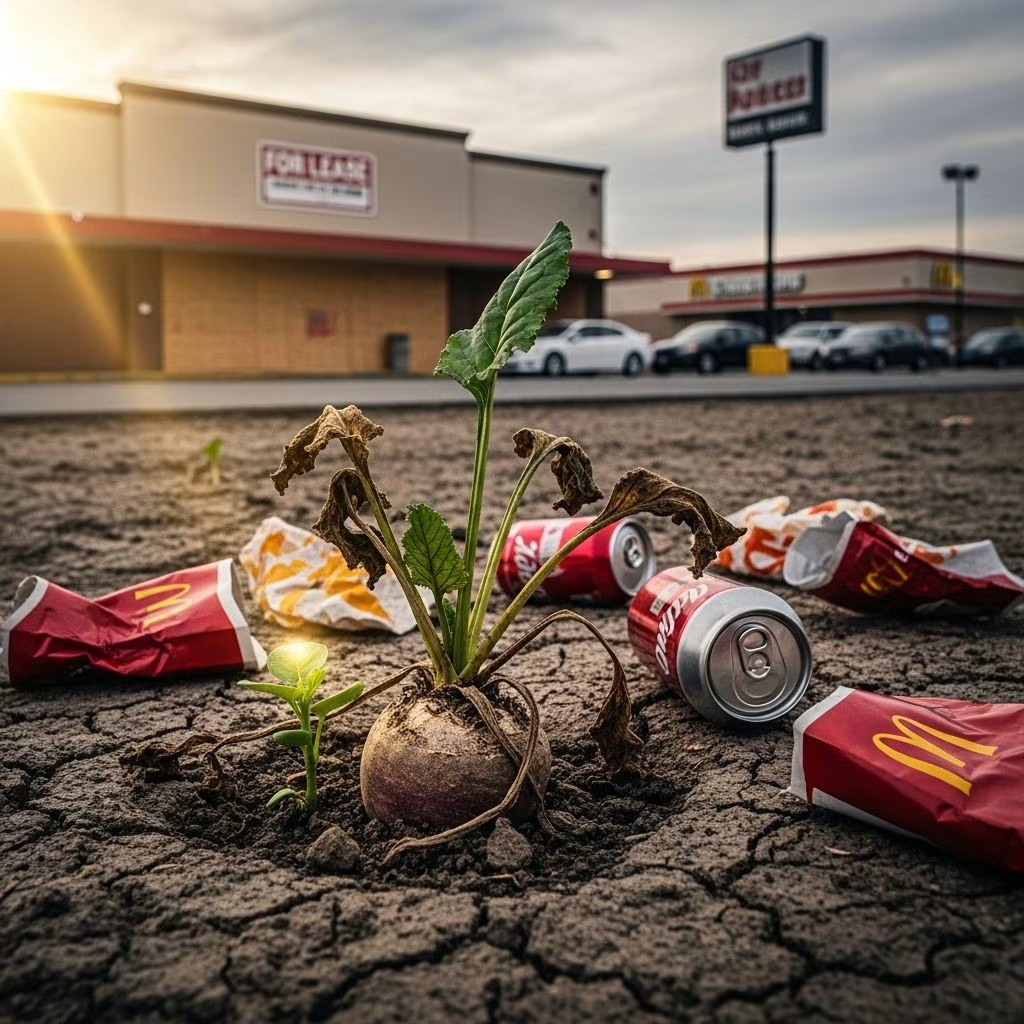
Managing diabetes is challenging under any circumstance, but living in a food desert can make it profoundly more difficult. Food deserts—areas with limited access to affordable and nutritious food—are prevalent in low-income, often historically marginalized communities. For individuals with diabetes, these barriers can significantly impact their ability to manage their condition, posing risks that extend beyond physical health to emotional and financial well-being.
What is a Food Desert?
A food desert refers to a geographic area where residents have restricted access to healthy, affordable food options, particularly fresh fruits, vegetables, and whole grains. These deserts are often found in urban neighborhoods and rural towns that lack supermarkets or grocery stores, resulting in a reliance on fast-food outlets and corner stores that stock mostly processed, unhealthy products.
- Residents typically have to travel long distances to reach supermarkets or stores with fresh, healthy foods.
- The most accessible foods in these areas often include processed snacks, sugary drinks, and fast food.
- Food deserts are most common in under-resourced and marginalized communities.
Understanding Food Insecurity and Diabetes
Food insecurity is the lack of consistent access to enough food for a healthy and active life. In food deserts, this insecurity is intertwined with limited options for nutritious, affordable food—directly impacting people living with diabetes and those at risk for prediabetes.
- Individuals may need to make difficult decisions between purchasing food or vital medications.
- Diabetes complications can hinder a person’s ability to earn steady income, compounding food insecurity.
- Black Americans and other minorities disproportionately experience food insecurity alongside higher diabetes and hypertension rates.
How Food Deserts Affect Diabetes Management
Living in a food desert increases the risk of developing type 2 diabetes and makes effective management of the condition much harder. Healthy eating is foundational to diabetes care, but this becomes nearly impossible when nutritious options are either unavailable or unaffordable.
- Limited access to fresh produce forces reliance on processed foods high in sugar, salt, and unhealthy fats.
- Poor diet quality contributes to blood sugar fluctuations, increased risk of complications, and the onset of chronic diseases like obesity and heart disease.
- Lack of available whole grains, lean proteins, and low-fat dairy undermines efforts to maintain a balanced diet.
The Impact on Individuals and Families
The effects of food deserts on diabetes go beyond nutrition. People and families living in these areas face unique obstacles:
- Financial strain: Some must choose between paying for fresh food and vital diabetes medications.
- Limited mobility: Lack of reliable transportation makes reaching more distant grocery stores challenging.
- Children at risk: Children growing up in food deserts face higher risks for chronic conditions like obesity, diabetes, and heart disease due to lifelong exposure to unhealthy foods and poor dietary habits.
- Cultural considerations: Decades of reliance on government-issued “commodity foods”—often high in sugar, salt, and fat—have shifted dietary norms, particularly in Indigenous and Black communities, embedding these products into local culture.
Nutrition Education and Its Role
A significant lack of nutrition education exists in food deserts. Even where healthier foods are available, residents may lack knowledge about healthy choices, meal planning, and diabetes management. This knowledge gap perpetuates unhealthy eating and increases vulnerability to diabetes complications.
- Community organizations and schools often lack the resources to provide consistent nutrition education.
- Dietitians working in underserved areas note that education, combined with improved access, is vital for long-term change.
Practical Strategies for Living with Diabetes in a Food Desert
Despite these barriers, individuals and families can take meaningful steps toward better diabetes management. Here are actionable tips, many of which are recommended by registered dietitians who serve food-insecure communities:
- Seek Out Community Programs: Many areas have free or reduced-cost nutrition and healthcare programs that offer meal planning advice, connect people with assistance programs, and provide guidance on healthier shopping on a budget.
- Utilize Food Assistance: Investigate eligibility for SNAP (Supplemental Nutrition Assistance Program), food banks, and local food pantries. Senior centers and faith-based organizations often provide meals and groceries as well.
- Shop Smart at Dollar Stores: While selection can be limited, many dollar stores carry bread, popcorn, pretzels, shelf-stable milk, canned vegetables, and other slightly healthier options. Check which stores accept EBT cards.
- Prioritize Shelf-Stable Whole Foods: Look for frozen and canned fruits and vegetables without added sugars or salt. Stock up on whole grains (brown rice, oats, whole wheat flour) and protein options like canned fish or beans, which offer affordable nutrition and longer shelf life.
- Grow Your Own Food: If possible, try to grow a small garden—however modest. Gardening empowers families to access fresh produce and teaches children healthy food habits.
- Plan Meals for the Week: Even with limited resources, planning meals around what is affordable and available can help reduce waste and improve diet quality.
Community-Level Challenges and Solutions
Eliminating food deserts is a daunting challenge that extends beyond adding grocery stores. Systemic issues—such as poverty, lack of transportation, and historical disinvestment—require coordinated solutions from multiple sectors.
Barriers to Overcoming Food Deserts:
- Opening a full-scale grocery store in a low-income neighborhood often isn’t profitable for large chains.
- Many areas lack adequate public transportation needed to reach quality retailers.
- Persistent poverty makes even “affordable” foods out of reach for many.
- Water and electricity shortages (common in some rural and Native communities) limit the feasibility of food storage and preparation.
Innovative Community Solutions:
- Mobile produce markets: Farm trucks and vans bring fresh fruits and vegetables directly to underserved communities.
- Pop-up markets and urban gardens: Temporary markets and community gardens reclaim vacant lots, providing fresh produce and communal space for education and empowerment.
- Food co-ops: Community-owned cooperatives pool resources to increase buying power and stock healthier options.
- Nonprofit programs: Some organizations purchase surplus produce from farmers and distribute it in food deserts, occasionally for free or at a nominal cost.
Policy and Systemic Approaches
Broader change requires government and private sector collaboration—orchestrating policy shifts to expand food assistance, incentivize new grocery stores, and support transportation infrastructure. Among the most promising approaches are:
- Financial incentives for retailers: Government grants and tax breaks can encourage grocers to establish outlets in underserved areas.
- Nutrition education funding: Schools and healthcare providers that serve food desert populations need dedicated funding for nutrition education and diabetes prevention programs.
- Improved food assistance access: Expanding SNAP, WIC, and similar programs helps bridge the gap for families.
- Partnerships with local farmers: Direct relationships between communities and growers help distribute fresh produce more equitably.
Living with Diabetes in a Food Desert: Stories and Hope
Despite the overwhelming challenges, individuals and communities demonstrate resilience and ingenuity. Some people manage to grow small home or community gardens. Others come together to create mutual aid groups, pooling resources to purchase healthier foods. Local nutritionists offer creative cooking classes, teaching how to make the best use of shelf-stable and canned foods.
The road to eliminating food deserts is long, and solutions are complex. But with each community program, urban garden, and advocacy group, new seeds of hope are planted—literally and figuratively. Every healthy meal in a food desert is an act of resistance and a step toward better health.
Frequently Asked Questions (FAQs)
Q: What exactly is a food desert?
A: A food desert is typically defined as an area where residents have limited access to affordable, healthy foods such as fresh fruits, vegetables, and whole grains, usually due to a lack of supermarkets or grocery stores within convenient traveling distance.
Q: How do food deserts increase the risk of diabetes?
A: Food deserts foster dependence on processed, high-calorie foods, which are typically high in sugar, salt, and unhealthy fat—major contributors to the development and poor management of diabetes.
Q: What are some cost-effective foods for people with diabetes living in food deserts?
A: Shelf-stable healthy options include canned beans, fish (in water), frozen or canned vegetables and fruits with no added sugars or salt, whole grains (oats, brown rice), and low-salt popcorn. Shopping at dollar stores for these items can stretch limited budgets.
Q: Are there community resources that can help?
A: Yes. Many cities have nutrition education programs, food banks, mobile markets, and government assistance like SNAP and WIC. Local community and faith-based organizations also provide support.
Q: What long-term solutions are needed to end food deserts?
A: Solutions include increasing access to supermarkets, supporting urban gardens, investing in local transport, expanding food assistance programs, and providing nutrition education—requiring cooperation across government, nonprofits, and the private sector.
Key Takeaways
- Living with diabetes in a food desert amplifies the challenge of maintaining a healthy diet due to limited access to affordable, nutritious foods.
- Food insecurity is linked to higher rates of type 2 diabetes, obesity, and other chronic diseases.
- Practical strategies, such as seeking out community resources and making the most of shelf-stable healthy foods, can help mitigate some challenges.
- Community and policy solutions—urban gardens, mobile markets, improved food assistance, and nutrition education—are critical for lasting change.
Additional Resources
- American Diabetes Association: Resources and advocacy for people living with diabetes.
- Feeding America: Nationwide network of food banks and food assistance programs.
- USDA Food Access Research Atlas: Interactive map to find food deserts and resources nationwide.
- Local community health clinics: Many offer free or low-cost nutrition counseling and diabetes education.
References
- https://beyondtype1.org/the-impact-of-food-deserts-on-diabetes/
- https://www.healthline.com/nutrition/food-deserts
- https://www.medicalnewstoday.com/articles/cutting-ultra-processed-food-consumption-could-lower-type-2-diabetes-risk
- https://pmc.ncbi.nlm.nih.gov/articles/PMC4218969/
- https://www.medicalnewstoday.com/articles/what-are-food-deserts
- https://www.cdc.gov/diabetes/healthy-eating/diabetes-food-insecurity.html
- https://pmc.ncbi.nlm.nih.gov/articles/PMC5961388/