LASIK (Laser-Assisted In Situ Keratomileusis) is one of the most commonly performed procedures for correcting vision problems such as myopia, hyperopia, and astigmatism. Many people considering the surgery ask the crucial question: How long do LASIK results last? This comprehensive guide explains the permanence of LASIK, factors that affect its longevity, what to expect as your eyes age, common side effects, potential complications, and how enhancements work.
What Is LASIK and How Does It Work?
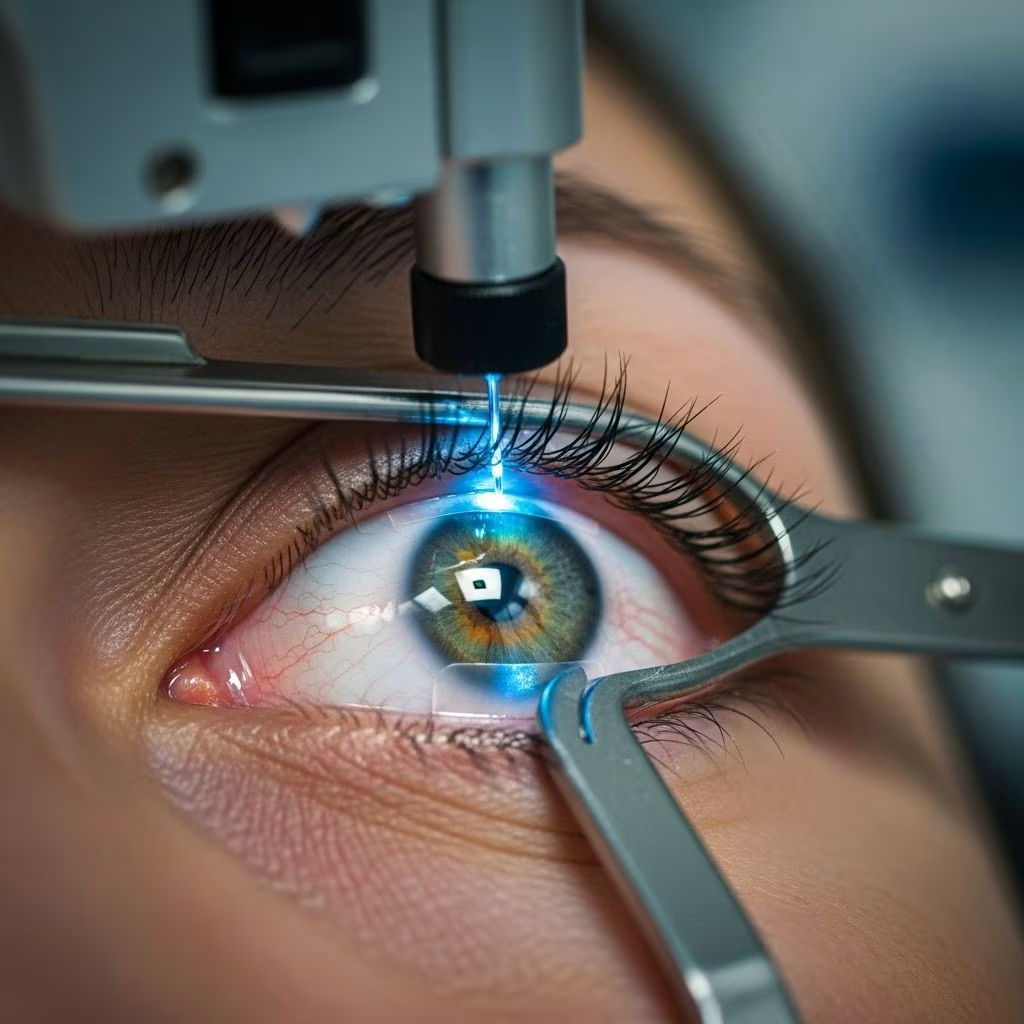
LASIK is a surgical procedure that involves using a laser to reshape the cornea—the clear, dome-shaped surface at the front of your eye. This reshaping helps light entering the eye to be properly focused onto the retina, resulting in clearer vision without reliance on glasses or contact lenses. The procedure is quick, typically painless, and can vastly improve quality of life for those with refractive errors.
How Long Do LASIK Results Last?
LASIK permanently reshapes the cornea to correct refractive errors. For most people, these results are enduring, often providing stable vision for at least 10 to 20 years or even longer. Many studies and clinical reports confirm that the effects of the surgery do not wear off over time, as the corneal tissue remains altered after the procedure. Over 90% of patients achieve 20/20 vision or better after LASIK and maintain it for decades.
- The majority of patients enjoy stable vision for many years.
- Only a small percentage (roughly 1% per year) may require an enhancement or touch-up as time passes.
- LASIK does not prevent natural, age-related changes within the eye.
- Most patients never need a repeated procedure, although enhancements are available for those whose vision regresses or changes.
Does LASIK Wear Off?
LASIK is considered a permanent procedure because the laser physically alters the corneal shape. The correction itself does not wear off. However, natural changes in the eye—especially those linked to aging—can cause vision to change years after surgery. If you experience significant blurring or a return of your previous prescription, it is usually due to age-related factors, not because the effects of LASIK have ‘worn off’.
Longevity and Stability of LASIK Results
Long-term studies have shown that most people maintain the benefits of LASIK for over a decade:
- One comprehensive study found that the majority of patients retained stable vision for more than 10 years post-surgery.
- Only a minority needed additional corrective procedures, primarily due to natural eye changes, not LASIK regression itself.
- LASIK is considered one of the most predictable and stable vision correction surgeries available today.
Factors That Affect How Long LASIK Lasts
While LASIK results are permanent in terms of corneal reshaping, several factors can influence how long you enjoy clear vision:
- Age at the time of surgery: People who undergo LASIK before their vision prescription stabilizes, typically before age 20-21, are at a slightly higher risk of regression.
- Degree of refractive error: Individuals with high levels of myopia or hyperopia may experience more gradual changes over time.
- Genetics and eye health: Some people’s eyes change more as they age, regardless of LASIK.
- Underlying eye conditions: Other diseases, such as cataracts or glaucoma, develop independently from LASIK and can affect vision quality as you age.
The Role of Aging and Presbyopia
Aging impacts everyone’s eyes eventually, regardless of LASIK. Around age 40, most people begin to develop presbyopia—the age-related loss of ability to focus on close objects. LASIK does not prevent or cure presbyopia because it only reshapes the cornea, not the internal lens, which becomes less flexible over time.
- Even after LASIK, most people will need reading glasses or other solutions for near vision as they age.
- Presbyopia typically affects everyone, even those who have had perfect vision their entire lives.
Solutions for Presbyopia After LASIK
Advancements in LASIK have led to options for addressing presbyopia:
- Monovision LASIK: One eye is corrected for distance and the other for near vision. This reduces reliance on reading glasses for many patients.
- Blended vision or multifocal LASIK: Some surgeons offer techniques that try to expand the range of focus to accommodate both near and far vision.
- Other surgical solutions: After presbyopia sets in, procedures like lens replacement can further refine vision if desired.
Enhancements and Touch-Ups
For the minority of patients who experience vision changes after LASIK, “enhancement” or “touch-up” procedures can refine the vision correction:
- Enhancements usually involve a similar laser reshaping to address small regression or new refractive errors.
- The need for enhancements is typically low—less than 5% of patients may require a touch-up in their lifetime.
- Most enhancements, when needed, are performed years after the original surgery.
Typical Short-Term and Long-Term Side Effects
Like any surgery, LASIK carries some risk. Most side effects are short-term, but some may be long-lasting or permanent, especially in rare cases.
Common Short-Term Side Effects
- Dry eyes: Occurs in the first six months post-surgery—typically managed with eye drops or other therapies.
- Glare, halos, or double vision: Most common at night; these usually improve over weeks or months.
- Light sensitivity: Often temporary but can persist in rare cases.
Possible Long-Term Side Effects and Complications
- Persistent dry eye syndrome: A small percentage might have long-term dryness.
- Night vision issues: Some may see halos around lights when driving at night, although this is rare.
- Regression: Vision shifting slightly back toward the original prescription. This is uncommon and can often be retreated.
- Corneal ectasia: A rare condition where the cornea becomes thin and bulges, leading to distorted vision. Surgical intervention may be required.
- Infection or flap problems: Rare but possible in any eye surgery.
- Vision loss: Severe or permanent vision loss from LASIK is extremely rare.
Comparing LASIK Outcomes Over Time
| Time Since Procedure | Expected Vision Quality | Potential Issues |
|---|---|---|
| 0–6 Months | Adjusting, mild fluctuations | Dry eyes, halos, glare, sensitivity |
| 6 Months–5 Years | Stable, clear vision | Rarely minor touch-up needed |
| 5–20 Years | Consistently clear for most | Aging changes, possible new prescriptions |
| 20+ Years | May need reading glasses (presbyopia) | Rare regression, natural aging |
Who Is a Good Candidate for LASIK Longevity?
Those most likely to enjoy long-lasting LASIK results typically have:
- Stable vision prescription for at least 1–2 years before surgery
- Healthy corneas with enough thickness
- No significant eye diseases or frequently changing prescriptions
- Realistic expectations about age-related changes like presbyopia
Ways to Maximize LASIK Success and Longevity
- Choose a reputable, experienced LASIK surgeon
- Undergo thorough pre-surgical screening to ensure eligibility
- Follow all pre- and post-operative care instructions carefully
- Attend all scheduled follow-up appointments for optimal healing and to catch any issues early
- Maintain routine eye exams as you age, regardless of LASIK
LASIK vs. Other Vision Correction Procedures
| Procedure | Longevity | Addresses Presbyopia? | Common Enhancements? |
|---|---|---|---|
| LASIK | 10–20+ years, often lifelong for distance vision | No, but monovision techniques available | Rare touch-up (5% or less over a lifetime) |
| PRK | Similar to LASIK | No | Similar enhancement rate |
| Lens replacement | Lifelong | Yes, with multifocal/advanced lenses | Rarely needed |
| Contacts/Glasses | Prescription changes over time | Addressed by changing lenses | N/A (no surgery) |
Is LASIK Right For Me?
While most people enjoy dramatic and enduring improvements in vision, LASIK is not for everyone. It is critical to have a complete consultation with a qualified eye care professional who will evaluate your unique eyes and medical history. Having realistic expectations about the long-term effects is equally vital; LASIK provides permanent vision correction for common refractive errors but will not halt the inevitable changes associated with aging.
Frequently Asked Questions (FAQs)
Q: How long will my vision stay clear after LASIK?
A: Most patients will have clear, stable vision for 10 to 20 years, often much longer. The correction is permanent, but natural aging may necessitate reading glasses later in life.
Q: Can my vision get worse after LASIK?
A: While significant regression is uncommon, vision can change over time due to aging (especially presbyopia or developing cataracts). For some, a minor enhancement may be recommended, but most never need a second procedure.
Q: Does LASIK cure presbyopia?
A: No. LASIK corrects distance vision by reshaping the cornea but does not affect the eye’s lens. Most people still need reading glasses as they age, though monovision LASIK can help reduce dependence on them.
Q: Is LASIK safe over the long term?
A: LASIK is considered highly safe and effective, with serious complications being rare. Short-term and long-term side effects, when they occur, are generally mild and treatable.
Q: Will I need an enhancement after LASIK?
A: Very few patients need enhancements—less than 5% over a lifetime. These are usually simple and correct minor vision changes.
Q: How soon can I expect to see final results after LASIK?
A: Most people see a dramatic improvement in vision within 24 to 48 hours, with final stabilization over a few weeks to months as the eyes heal.
Key Takeaways
- LASIK is a permanent vision correction for most people, with the majority maintaining clear vision for decades.
- Normal aging cannot be stopped by LASIK, so presbyopia and other age-related eye changes may still occur, possibly requiring reading glasses or other solutions later in life.
- Most side effects are mild and short-lived, and severe complications are rare.
- Choosing a reputable surgeon and following post-procedure care recommendations maximize your chance of lifelong clear vision.
Consult with your eye care professional to determine the most appropriate vision correction option for your needs and to set realistic expectations for the long-term outcomes of LASIK.
References
- https://www.dellorusso.com/blog/long-term-effects-laser-eye-surgery/
- https://www.clearvisioncenter.com/2024/09/10/long-term-safety-of-lasik-a-comprehensive-overview/
- https://ophthalmology.wustl.edu/does-lasik-last-forever-understanding-the-longevity-of-lasik-results/
- https://www.mayoclinic.org/tests-procedures/lasik-eye-surgery/about/pac-20384774
- https://www.nvisioncenters.com/lasik/long-term-effects/
- https://pubmed.ncbi.nlm.nih.gov/34241701/