How Many Wives Did King David Have? An In-Depth Biblical Exploration
King David, one of the most prominent figures in the Old Testament, is often remembered for his military feats, poetic psalms, and complex personal life. Among the intricate details of his legacy is his marital history, which is both expansive and significant for biblical study. This article dives deep into the wives of King David mentioned in the Bible, their backgrounds, roles, and the broader implications of their stories.
Who Were King David’s Wives and What Were They Known For?
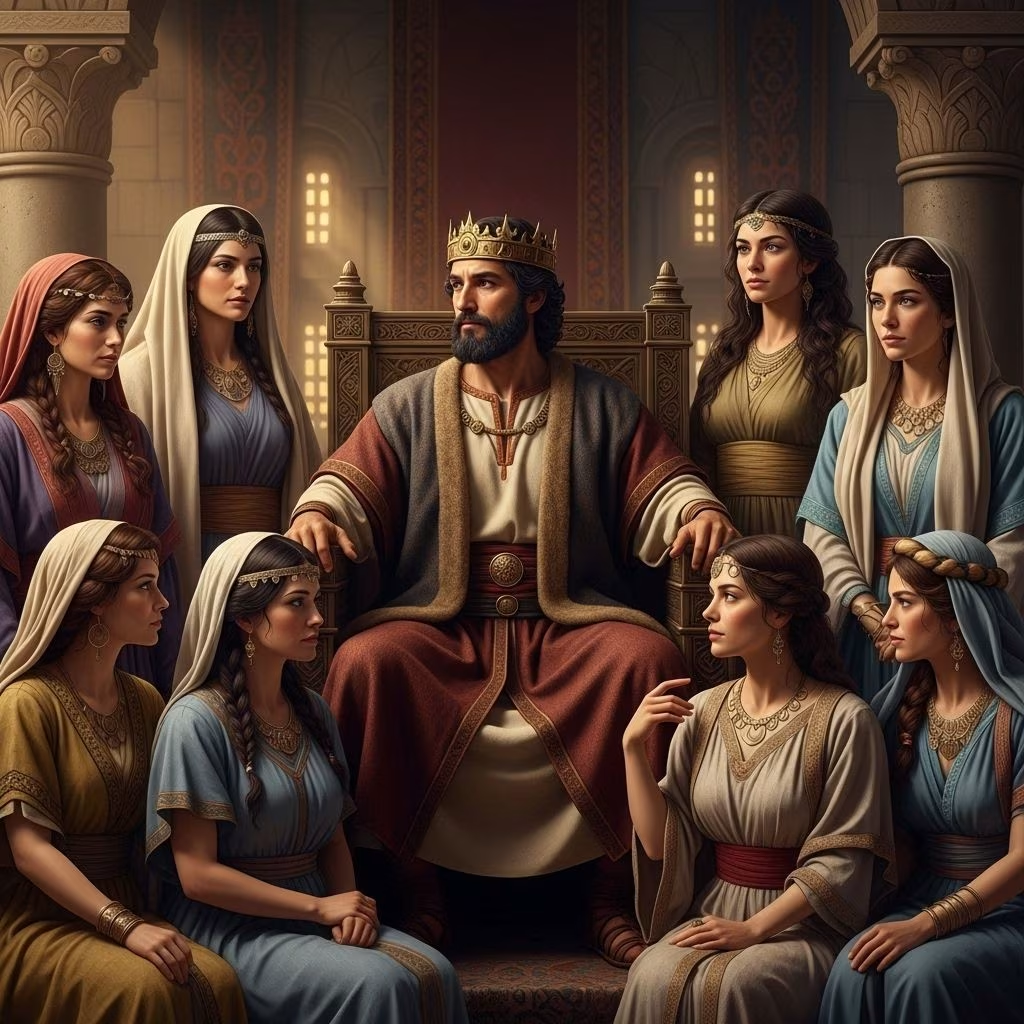
The Bible names eight women as wives of King David in the books of 1 Samuel, 2 Samuel, and 1 Chronicles. These are:
- Michal – daughter of King Saul
- Abigail – widow of Nabal of Carmel
- Ahinoam – of Jezreel
- Maacah – daughter of Talmai, king of Geshur
- Haggith
- Abital
- Eglah
- Bathsheba – widow of Uriah the Hittite
While these eight are named, biblical texts also indicate David had other wives and many concubines whose names and details remain undisclosed (see 2 Samuel 5:13-16, 1 Chronicles 14:3-5). For many, only sparse details are recorded, often related to the sons they bore or a key event in David’s life.
The List of King David’s Named Wives
| Wife | Background and Story | Children |
|---|---|---|
| Michal | Daughter of Saul, won by David as a reward for defeating Philistines. She loved David, helped him escape Saul’s wrath. Later given to another man, then restored to David after he became king. Rebuked David for his behavior before the Ark, remained childless. | None |
| Abigail | Widow of Nabal, married David after her husband’s death. Known for her intelligence and discernment, she interceded and prevented David from bloodshed. Had at least one son, Chileab. | Chileab (aka Daniel) |
| Ahinoam | Of Jezreel, often listed before Abigail when wives are mentioned, suggesting prominence. Mother of David’s eldest son, Amnon. Both she and Abigail were rescued from Amalekite captivity. | Amnon |
| Maacah | Daughter of Talmai, king of Geshur. Likely married for political alliance. Mother of Absalom and Tamar. | Absalom, Tamar |
| Haggith | Very little is mentioned except as mother of Adonijah. | Adonijah |
| Abital | Known only by name; bore son Shephatiah. | Shephatiah |
| Eglah | Details are scarce; mother of Ithream. | Ithream |
| Bathsheba | Originally the wife of Uriah the Hittite. Her relationship with David began under tragic circumstances. Mother of Solomon and Nathan. | Solomon, Nathan |
Concubines and Other Wives
Beyond his named wives, David had other wives and at least ten concubines, as cited in 2 Samuel 15:16 and 1 Chronicles 3:9. Their children and identities, however, are often not listed, as biblical genealogies tend to focus on notable offspring or events. Concubinage and polygamy, though culturally acceptable in David’s time, often led to complicated family dynamics and political intrigue later in David’s reign.
Deep Dive: The Stories of David’s Named Wives
Michal: The First Wife and Saul’s Daughter
Michal stands out as the only woman whose love for her husband is explicitly mentioned in scripture. Her story is both romantic and tragic:
- David paid a double dowry for Michal, presenting Saul with 200 Philistine foreskins (1 Samuel 18:20-27).
- She saved David from Saul’s murder plot, helping him escape (1 Samuel 19:11-17).
- Out of anger at her loyalty, Saul gave Michal to another man, Paltiel.
- After David became king, he reclaimed Michal (2 Samuel 3:12-16).
- She later despised David for his enthusiastic worship, resulting in lifelong childlessness (2 Samuel 6:14-23).
Abigail: The Diplomatic Widow
Abigail was intelligent and diplomatic, known for her intervention that prevented bloodshed when her first husband Nabal insulted David. After Nabal’s death, David married Abigail. She gave birth to Chileab (or Daniel), who lived in relative obscurity compared to David’s other sons. Abigail’s legacy is her wisdom and her prominent role in David’s journey (1 Samuel 25).
Ahinoam: Of Jezreel and Mother of Amnon
Ahinoam is listed early among David’s wives. The order may imply she was preferred. She was the mother of Amnon, David’s eldest son, who would later be embroiled in a tragic scandal within David’s house (2 Samuel 3:2; 1 Chronicles 3:1). Both Ahinoam and Abigail were captured and rescued during the Amalekite raid (1 Samuel 30:5, 18).
Maacah: Political Alliance and Tragic Offspring
David likely married Maacah as a political alliance—she was the daughter of Talmai, king of Geshur. She bore Absalom and Tamar, whose stories encapsulate both the glory and tragedy of David’s family life, with Absalom’s later rebellion and Tamar’s suffering (2 Samuel 3:3).
Other Named Wives: Haggith, Abital, Eglah
- Haggith: Known primarily as Adonijah’s mother.
- Abital: Bore Shephatiah.
- Eglah: Mother of Ithream.
Their stories remain largely unelaborated, with their significance tied more to their sons than personal narrative.
Bathsheba: Scandal, Sorrow, and Wisdom
Bathsheba’s story is among the most famous:
- Initially married to Uriah the Hittite, Bathsheba became David’s wife after a series of tragic events instigated by David himself (2 Samuel 11).
- Her first child with David died. She later bore Solomon and Nathan.
- Became a key figure in court politics, securing Solomon’s succession (1 Kings 1).
What Can We Learn from David’s Marital History?
David’s complex family life reveals more than just historical details—it reflects spiritual, personal, and political realities of ancient Israel:
- Love, loyalty, and betrayal run throughout, especially in Michal’s and Bathsheba’s stories.
- Political marriages like Maacah’s highlight the intersection of personal and dynastic goals.
- Wisdom and mediation, especially exemplified by Abigail, often avert disaster.
- The presence of multiple wives and concubines set the stage for later family strife, rivalry, and eventual political instability, as seen in Absalom’s revolt and Adonijah’s attempts to seize the throne.
Scripture’s seeming omission of certain spouses suggests a focus on those whose children or actions bore significance for Israel’s history. David’s many wives shaped his family, his legacy, and the very lines of succession that defined the Jewish monarchy. Their differing backgrounds—royal, political, and otherwise—paint a picture of David’s wide-reaching influence and the human consequences of leadership in the ancient world.
Frequently Asked Questions (FAQ)
Q: How many wives did King David have in total?
King David is named as having eight wives in scripture, but the Bible indicates he had additional wives and multiple concubines whose names and details are not recorded.
Q: Why did King David have so many wives?
Polygamy was culturally acceptable in ancient Israel, especially for political and dynastic reasons. Marriages often secured alliances, provided heirs, or, as in Abigail’s case, protected widows.
Q: Did all of David’s wives have children?
No, for example, Michal remained childless. The Bible primarily records sons born to some wives; for others, there are no records of children.
Q: What was the significance of Bathsheba’s marriage to David?
Bathsheba’s marriage was marked by scandal but later she became influential as Solomon’s mother, playing a pivotal role in securing his succession to the throne.
Q: Are there lessons to draw from the stories of David’s wives?
David’s marriages reflect the intricate blend of love, politics, tragedy, and divine sovereignty in biblical history. The stories warn of the consequences of polygamy, personal failings, and highlight virtue through characters like Abigail.
Further Reflections and Biblical Citations
- 1 Samuel 18, 19, 25: Stories of Michal and Abigail
- 2 Samuel 3, 5, 11, 12: Lists of wives and their sons, Bathsheba’s account
- 1 Chronicles 3, 14: Genealogies naming David’s wives and children
- 1 Kings 1: Bathsheba’s influence in Solomon’s succession
For those interested in biblical genealogy or the intersection of personal and political life in Scripture, the marriages of King David remain a rich and instructive study, reflecting both God’s working through imperfect people and the enduring influence of David’s line.
Key Takeaways
- David had eight wives named in the Bible; several others are mentioned but not named.
- Political alliances, family dynamics, and personal failings are pivotal in understanding David’s legacy.
- Stories of wives like Michal, Abigail, and Bathsheba have shaped biblical history and theology.
- The complexities of David’s marriages set the stage for succeeding generations and significant biblical events.
References
- https://www.neverthirsty.org/bible-qa/qa-archives/question/wives-king-david/
- https://godsverse.org/en/exploring-the-lives-of-davids-wives-in-the-bible/
- https://www.biblestudytools.com/bible-study/topical-studies/how-many-wives-did-king-david-have-and-what-do-we-know-about-them.html
- https://www.crosswalk.com/faith/bible-study/who-were-davids-wives-and-why-should-we-know-their-names.html
- https://www.gotquestions.org/wives-King-David.html