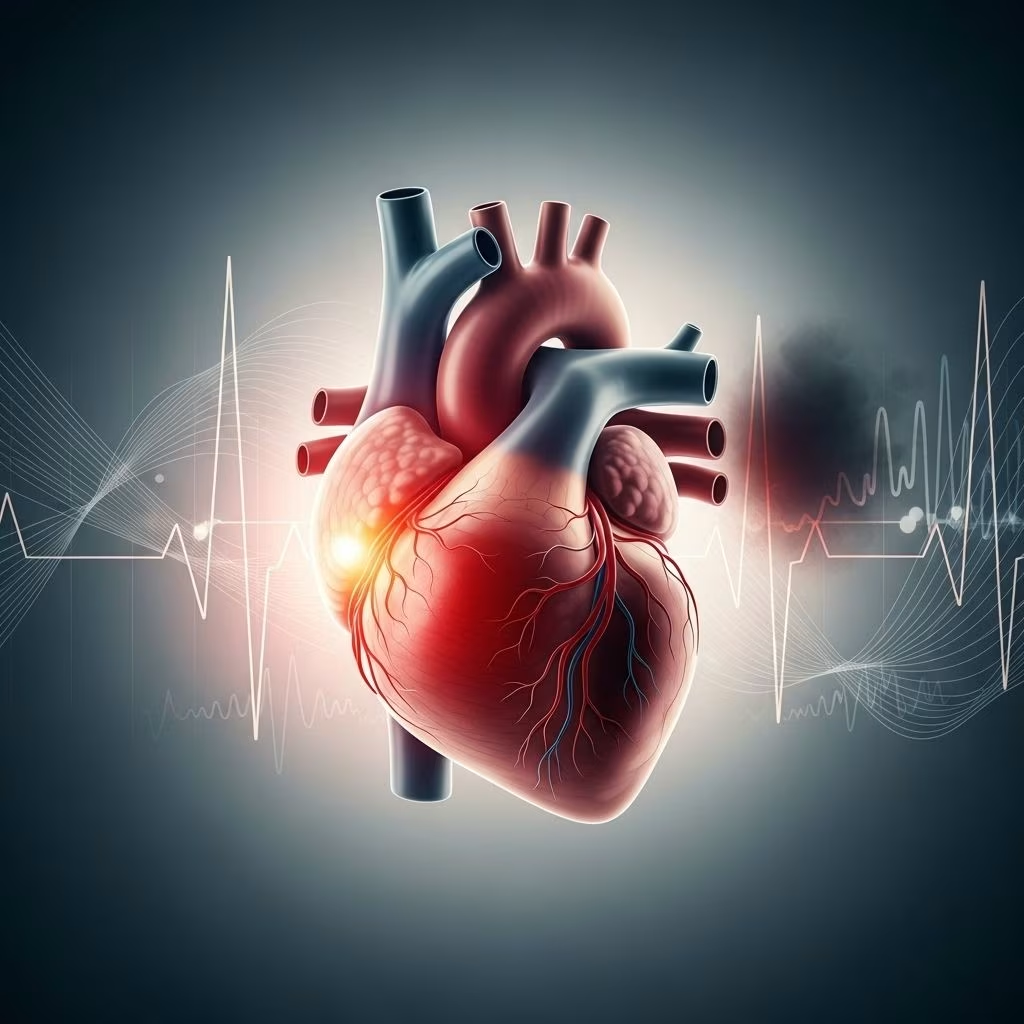
Obesity is a significant public health concern worldwide and a well-established risk factor for a wide spectrum of heart-related issues. Beyond increasing the likelihood of heart disease, extra body weight can affect heart rate, blood pressure, heart rhythm, and overall heart function. Understanding these connections is crucial for anyone seeking to protect or improve their cardiovascular health, especially if they have obesity.
What is Heart Rate and Why Is It Important?
Heart rate refers to the number of times your heart beats per minute (bpm). A healthy adult generally has a resting heart rate between 60 and 100 bpm. Factors like physical fitness, age, and stress levels can influence your typical heart rate, but persistent deviations from this range often signal underlying health issues—including those influenced by obesity.
How Does Obesity Affect Heart Rate?
Research consistently shows that people with obesity tend to have a higher resting heart rate compared to individuals of healthy weight. Several physiological mechanisms explain this connection:
- Increased Blood Volume: Excess body fat increases the total amount of blood circulating in the body. This means the heart has to work harder to pump blood, prompting it to beat more frequently.
- Autonomic Nervous System Changes: Obesity often contributes to greater sympathetic nervous system (“fight or flight”) activity and reduced parasympathetic (“rest and digest”) activity. This imbalance raises resting heart rate and impairs the body’s ability to recover after physical exertion.
- Altered Cardiac Function: Structural heart changes, such as thickening of the heart muscle (particularly the left ventricle), develop in response to greater workload, further influencing heart rate and rhythm.
These physiological changes mean that the heart rate in people with obesity may not only start higher but also stay elevated for longer after exercise, signaling a connection to increased cardiovascular risk.
The Link Between Obesity, Heart Rate Recovery, and Heart Disease
One especially important marker of heart health is how quickly the heart rate “recovers” or slows down after exercise. Delayed heart rate recovery—often seen in individuals with obesity—signals impaired autonomic function and is associated with a higher risk of cardiovascular events and mortality.
- Impaired Recovery: People with obesity often exhibit a slower drop in heart rate after activity, which can point to reduced baroreceptor sensitivity and overall impaired autonomic regulation.
- QT Interval Prolongation: Studies have shown that the QT interval (the section of the heart’s electrical cycle involved in repolarization) tends to be longer in individuals with obesity. A prolonged QT interval increases the risk for dangerous arrhythmias and sudden cardiac death.
Recognizing these patterns can help clinicians and individuals track risk and take proactive steps toward improving heart health.
Obesity and Increased Cardiovascular Risks
Obesity has been linked to several direct and indirect cardiovascular risks. The following are the most pronounced:
- Atherosclerosis: Excess fat—particularly around the abdomen—promotes inflammation and insulin resistance. These conditions encourage the buildup of sticky arterial plaque, narrowing blood vessels and increasing the risk of heart attacks and strokes.
- Higher Blood Pressure: More fat tissue demands more oxygen and nutrients, which means the heart must pump out more blood. Over time, this extra work causes blood pressure to rise, leading to arterial stiffening and higher risk of heart failure, coronary artery disease, and peripheral vascular disease.
- Arrhythmias: Obesity can cause structural changes in the heart, especially around the atria, which can disrupt normal signaling and lead to arrhythmias like atrial fibrillation (AFib). Research suggests that up to one-fifth of all AFib cases may be attributable to obesity.
- Heart Failure: Chronic overwork can cause the heart’s chambers, particularly the left ventricle, to enlarge and eventually become weakened, leading to heart failure.
| Condition | How Obesity Contributes |
|---|---|
| Atherosclerosis | Increases inflammation and promotes plaque buildup in arteries. |
| High Blood Pressure | Raises blood volume and vascular resistance, making the heart work harder. |
| Arrhythmias | Structural and electrical changes in the heart due to fat accumulation and inflammation. |
| Heart Failure | Chronic strain causes weakening and enlargement of the heart muscle. |
How Is Maximal Heart Rate Affected in Obesity?
Maximal heart rate (MHR) is the highest rate at which your heart can beat during maximal exertion. MHR is often estimated using formulas like “220 minus age” for safe exercise prescription. However, research suggests that traditional equations may not be fully accurate for people with overweight or obesity. Physiological differences—including higher resting heart rate and altered autonomic function—should be considered when designing exercise programs for individuals with obesity.
Body Fat Distribution and Its Role in Heart Disease Risk
Not all patterns of weight gain carry the same risk for heart disease. Central or abdominal obesity—as measured by waist circumference—is more predictive of heart problems than overall BMI.
- People who carry more weight around their midsection tend to have greater insulin resistance and inflammation.
- Apple-shaped individuals have heightened vulnerability to high blood pressure, arterial plaque, and metabolic syndrome.
The Importance of Monitoring Heart Rate in People with Obesity
Routine monitoring of heart rate in people with obesity provides valuable insights into cardiovascular function:
- Baseline Monitoring: A persistently elevated heart rate can be a signal of increased sympathetic activity and cardiovascular strain.
- Recovery Tracking: Observing how quickly your heart rate drops after physical activity offers clues about your autonomic balance and overall heart health.
- Rhythm Regularity: Unusual palpitations, skipped beats, or fluttering sensations may indicate arrhythmias and merit medical attention.
ECG (electrocardiogram) testing can help doctors identify early electrical changes in the heart—such as QT interval prolongation—and prompt more tailored interventions for individuals with obesity at risk for cardiac events.
Other Factors Linking Obesity and Heart Health
Along with direct cardiac impacts, obesity is often accompanied by additional conditions that further increase cardiovascular risk:
- Type 2 Diabetes: Insulin resistance accelerates atherosclerosis development.
- Obstructive Sleep Apnea: Common in obesity, sleep apnea leads to repeated surges in blood pressure and strains the heart overnight.
- Chronic Inflammation: Extra fat tissue—especially visceral fat—produces inflammatory molecules that damage blood vessels and promote plaque buildup.
Steps to Improve Heart Health if You Have Obesity
While the connection between excess weight and heart disease risk is clear, numerous steps can help mitigate these risks and promote cardiovascular well-being.
- Gradual, Sustainable Weight Loss: Even modest weight reduction (5-10% of body weight) can lower resting heart rate, improve blood pressure, and decrease harmful inflammation.
- Regular Physical Activity: Aim for at least 150 minutes of moderate-intensity exercise per week. Even short walks count—what matters most is consistent movement.
- Heart-Healthy Diet: Emphasize fruits, vegetables, whole grains, lean proteins, and healthy fats while limiting processed foods, sugar, and excess salt.
- Manage Other Health Conditions: Control blood pressure, cholesterol, and blood sugar with the support of your healthcare team.
- Regular Medical Check-Ups: Screen for arrhythmias, hypertension, and early signs of atherosclerosis, especially if you have a family history of heart disease.
Takeaway: Prevention and Proactive Care Matter
Maintaining a healthy weight is one of the most effective ways to protect your heart. However, it’s never too late to start making heart-healthy changes—starting wherever you are, with small, consistent improvements.
Your healthcare provider can help you set realistic goals and monitor your progress. Collaborative care and consistent self-monitoring, including tracking your heart rate and symptoms, is key to reducing long-term cardiovascular risk.
Frequently Asked Questions (FAQs)
Q: Why does obesity increase resting heart rate?
A: Carrying extra body fat increases blood volume and metabolic demands, causing the heart to beat faster to supply tissues with oxygen and nutrients.
Q: Is a higher heart rate always an indicator of heart disease if I have obesity?
A: While a higher resting heart rate is common in individuals with obesity, it does not always mean you have heart disease. However, it indicates your heart must work harder, and over time, this may contribute to elevated risk. It’s wise to monitor your rate and consult your physician for regular heart health screenings.
Q: Can losing weight really improve my heart health?
A: Yes. Even modest weight loss can help lower resting heart rate, reduce blood pressure, decrease inflammation, and improve your cholesterol levels—leading to a substantially lower risk for heart disease.
Q: What is the best way to monitor heart health if I have obesity?
A: Keep track of your resting and recovery heart rate, watch for symptoms like unexpected palpitations or chest pain, and schedule regular check-ups including blood pressure, blood sugar, and cholesterol panels. Your doctor may also recommend an ECG to assess heart rhythm and electrical function.
Q: Are some types of obesity more dangerous for the heart?
A: Yes. Central or abdominal obesity (excess weight mainly around your middle) is linked to higher heart disease risk compared to weight stored in other areas.
References
- “Effect of Obesity on Cardiovascular Responses…” PMC
- “Heart Disease and Obesity: What the Research Shows” Healthline
- “Maximal Heart Rate Prediction in Adults that are Overweight or Obese” PMC
References
- https://pmc.ncbi.nlm.nih.gov/articles/PMC7652132/
- https://www.healthline.com/health/heart-disease/heart-disease-and-obesity
- https://pmc.ncbi.nlm.nih.gov/articles/PMC3081386/
- https://www.medicalnewstoday.com/articles/326002
- https://www.medicalnewstoday.com/articles/heart-rate-recovery
- https://www.health.harvard.edu/staying-healthy/the-truth-about-fats-bad-and-good
- https://www.webmd.com
- https://www.sleepfoundation.org/nutrition
- https://blog.lafitness.com/tag/weight-loss-2/page/4/