Ill-fitting glasses are more than an annoyance—they can disrupt your vision, cause persistent discomfort, and impact your day-to-day confidence. Learning to make modest adjustments to your glasses at home can save time and provide immediate relief. Yet, it’s important to approach these fixes carefully to avoid damaging your eyewear, or worse, affecting your vision. This comprehensive guide covers when and how to adjust your glasses, step-by-step instructions for fixing common issues, and when to know it’s best to call a professional for repairs.
Why the Fit of Your Glasses Matters
Properly fitted eyeglasses are crucial for both comfort and optimal vision. Poorly adjusted frames can result in:
- Distorted vision due to misalignment of lenses with your eyes
- Headaches and eye strain
- Discomfort behind the ears or on the nose
- Frequent slippage or loose fit, distracting you during daily activities
When your glasses fit perfectly, the top of the rim should not rise above your eyebrows and your eyes should be centered behind the lenses. Comfortable, well-adjusted glasses enhance your clarity of sight, your focus at work, and your overall well-being.
Inspecting the Fit: Where to Start
Before making any adjustment, assess how your glasses currently sit on your face. Stand in front of a mirror and check for the following signs:
- Are the lenses parallel with your eyes?
- Is one side higher or lower than the other?
- Do the frames rest comfortably on the bridge of your nose?
- Are the temples (arms) resting evenly on your ears?
- Is there any pressure point behind your ears or on your nose?
If your glasses appear off-center, slip, or dig into your skin, it’s time to make minor adjustments or seek professional help.
Step-by-Step: Adjusting Your Glasses at Home
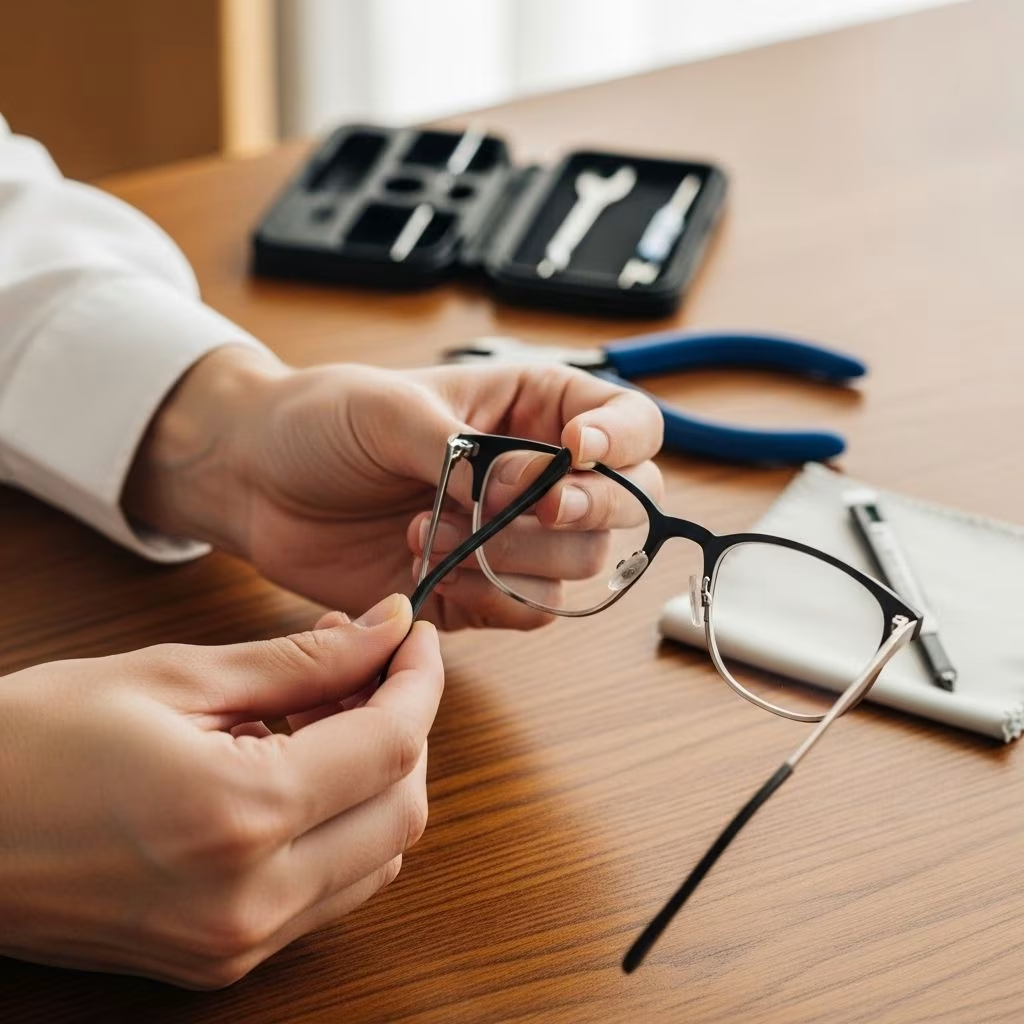
You can often resolve common fit issues with a few careful steps and simple tools. However, always proceed with patience and caution, as exerting too much force can snap the frames or damage the lenses.
Basic Tools You’ll Need
- Tiny screwdriver (usually included in eyeglass repair kits)
- A clean, soft towel or workspace
- Warm water or steam for plastic frames
- Tweezers (for handling small screws or nose pads)
How to Adjust Crooked Glasses
Crooked glasses are usually caused by one temple being bent higher or lower than the other. To fix this:
- Place your glasses on a flat surface so the bottom of the rims rest evenly. This helps you spot if one side is not touching the surface.
- If a temple doesn’t touch the table, it should be bent downward. If one rim is lifted off, the opposite temple needs to go upward.
- For plastic frames: Carefully warm the temple by holding it over a steaming pot or under warm running water for 30 seconds. Quickly and gently adjust the angle. Do not use flames or hairdryers to avoid lens damage.
- For metal frames: Minor adjustments can often be made without heat. If needed, warm them in your hands or with mild steam. Gently bend the temple while holding the hinge end steady.
- Check your progress by placing the glasses back on the flat surface after each adjustment.
Tip: Always make small, gradual changes and stop if you feel resistance. Forcing the frame may snap it or make the problem worse.
Fixing Problems at the Temples
Temples (the arms) should rest comfortably over your ears without pinching or sliding off. Here’s how to fix common temple problems:
- If the glasses slide down: Bend the temple’s ends slightly inward to create a gentle hook behind your ears.
- If they feel tight or pinch: Carefully bend the temples outward in small increments.
- For frames sitting loosely on one side: Make slight bends to even the angle so the glasses rest evenly and comfortably.
Again, heat is useful for plastic temples—use warm water rather than dry heat or flames. Metal temples can also be gently adjusted, but apply light pressure.
Tightening Hinges and Frame Screws
Loose hinges are another common culprit behind wobbly or misaligned glasses. Most glasses use tiny screws to anchor the temples and nose bridge.
- Lay your glasses on a soft towel and use a precision screwdriver to tighten any loose screws.
- Be careful not to over-tighten, as this could strip the screw or damage the frame.
- If a screw is missing, check if your repair kit has a spare or purchase a matching replacement.
- Occasionally, adding a dab of clear nail polish or a small drop of superglue can keep a stubborn screw secure—but only as a last resort and never near the lenses.
Adjusting Nose Pads
Many glasses come with adjustable nose pads for extra comfort and stability. Adjustments can help improve both the fit and the clarity of your vision:
- If glasses sit too high or low: Widen or narrow the nose pads using your fingers or tweezers so that your frames sit at the proper height.
- If your nose feels pinched: Gently bend the pads outward.
- If glasses slide or feel loose: Move the pads closer together.
Always handle nose pads delicately, as rough adjustments can break the tiny arms holding them in place.
Adjusting Children’s Glasses
Kids are particularly tough on their glasses. Proper fit is even more important for children, as persistent discomfort can make them less likely to wear their glasses consistently. To adjust children’s glasses:
- Ensure the frames do not slide down the nose during play or study.
- Check that temples sit securely but comfortably around the ears.
- Confirm nose pads (if present) are snug but not tight, and adjust as needed.
- Always encourage children to report if their glasses hurt or feel uncomfortable, and check for red marks or indentations routinely.
Consider choosing more flexible or durable frame materials for kids to reduce breakage risk.
When Should You See a Professional for Glasses Adjustment?
While many minor adjustments can be safely performed at home, there are situations when it’s best to leave the work to an eye care professional.
| Adjustment | DIY at Home | Professional Required |
|---|---|---|
| Slight bends of temples and nose pads | Yes | No |
| Broken frames or major misalignment | No | Yes |
| Deep scratches on lenses | No | Yes |
| Specialty frame repairs (rimless, titanium, etc.) | No | Yes |
If you encounter significant resistance when trying to adjust your frame, or if the issue involves a break or crack, visit an optical shop. Professionals have specialized tools and expertise to perform these repairs safely and accurately.
The Importance of a Proper Eyeglass Fit
Besides immediate comfort and improved appearance, correct adjustment of your eyewear has long-term benefits:
- Optimal vision clarity by ensuring your eyes align with the lens’s optical center
- Prevention of chronic headaches and eyestrain
- Reduced risk of the glasses slipping or falling during daily activities
- Increased safety and productivity for both adults and children
For those with high prescriptions or complex lens designs, proper fit is even more essential to avoid visual distortion and maintain comfort throughout the day.
Eyeglass Maintenance Tips
- Regularly inspect for loose screws, bent temples, and shifted nose pads.
- Clean your glasses with a microfiber cloth and lens-safe cleaner to prevent scratches.
- Store glasses in a hard case when not in use to minimize accidents.
- Avoid bending frames unnecessarily during removal or cleaning.
- Schedule periodic checkups at your optometrist’s office, especially for children or those with frequent fit issues.
Frequently Asked Questions (FAQs)
Q: Is it safe to adjust my glasses at home?
A: Minor adjustments to plastic or metal arms and nose pads are usually safe if performed carefully. For complex frames or any situation where the frame resists adjustment, see a professional to avoid breakage.
Q: How often should I check the fit of my glasses?
A: Assess the fit every few months, or sooner if you notice slippage, discomfort, or changes in your prescription or facial shape.
Q: Can I use a hairdryer to heat my plastic frames?
A: No, direct heat from a hairdryer can damage lenses and frame finishes. Always use warm water or steam to gently heat plastic parts before making adjustments.
Q: What if my glasses are too tight behind the ears?
A: Carefully bend the temple arms outward after warming if they are plastic. For persistent pressure or discomfort, visit your optician.
Q: Should children’s glasses be adjusted differently?
A: Frame fit for children should be checked more frequently due to rapid growth and active lifestyles. Ensure adjustments promote consistent wearing and do not leave marks or pinching.
Key Takeaways
- Correctly fitted glasses prevent discomfort and keep your vision sharp.
- Many small adjustments can be safely done at home using the right tools and gentle technique.
- If resistance is felt, extensive repairs are needed, or the frame is specialty/expensive, seek professional help.
- Regular maintenance and prompt attention to ill-fitting glasses enhance both optical performance and eye health.
References
- https://www.healthline.com/health/eye-health/how-to-adjust-glasses
- https://www.medicalnewstoday.com/articles/302550
- https://www.uoosd.com/importance-of-eyewear-adjustments
- https://www.2020mag.com/article/the-well-adjusted-frame
- https://www.healthline.com/health/eye-health/vision-correction
- https://www.odwire.org/community/threads/how-to-safely-adjust-your-own-glasses-healthline.149241/
- https://www.youtube.com/watch?v=szyjbaPBCC0
- https://www.webmd.com/eye-health/bifocal-progressive-lenses-adjustment
- https://my.clevelandclinic.org/health/treatments/eyeglasses