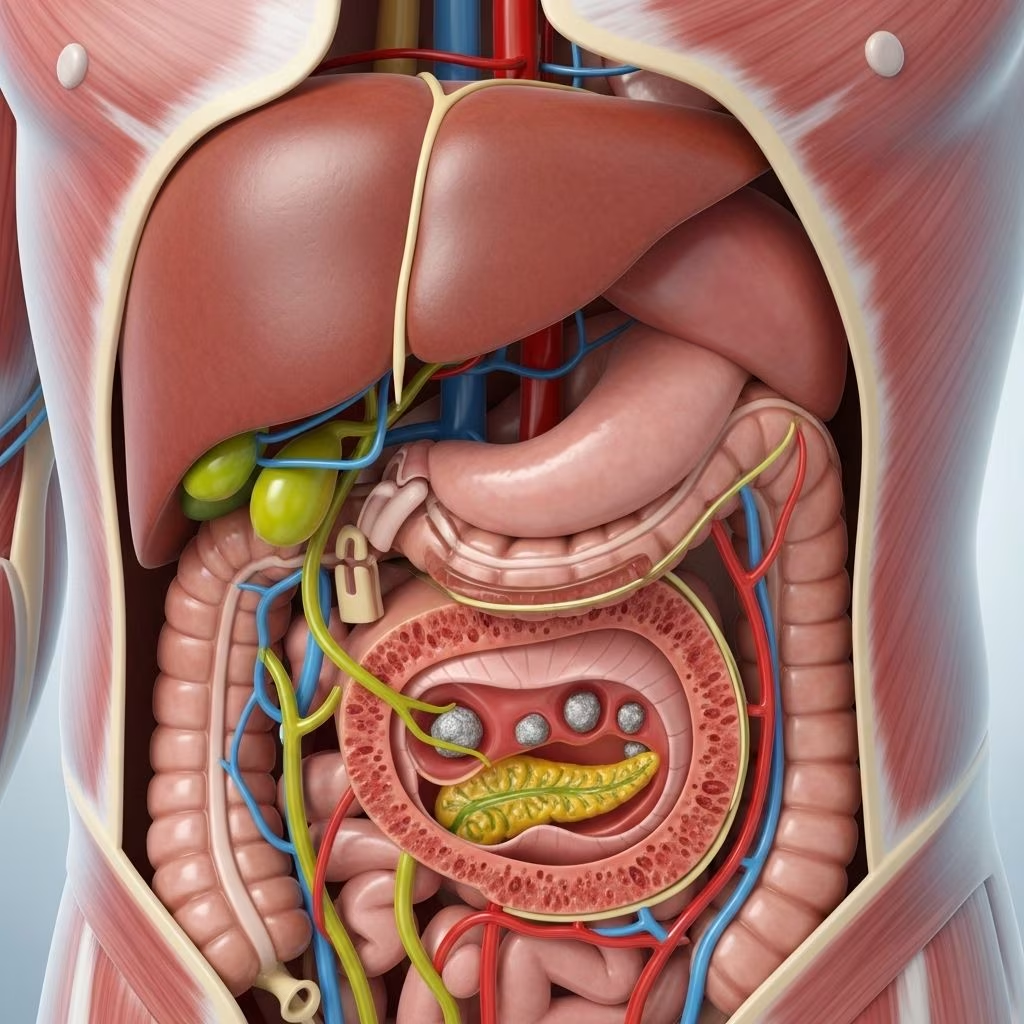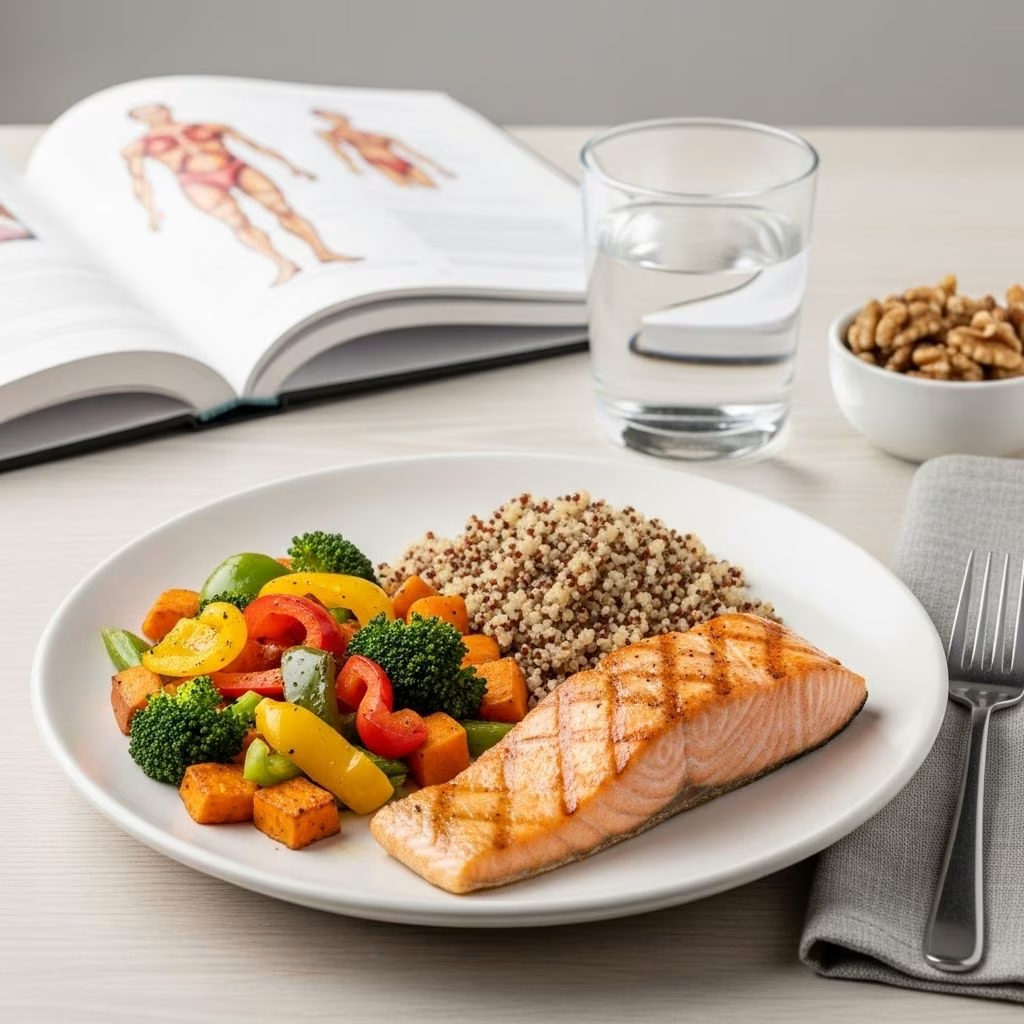
While much of the conversation around diabetes management focuses on weight loss, many people with diabetes—especially type 1, those newly diagnosed, or those facing unintentional weight loss—find themselves needing to gain weight. Doing so presents unique challenges, as it requires increasing calorie intake without destabilizing blood sugar control. This comprehensive guide explains how to gain weight with diabetes through smart nutrition choices, structured meal planning, lifestyle strategies, and collaboration with healthcare professionals.
Why Can Weight Gain Be Difficult with Diabetes?
For some individuals with diabetes, especially those using insulin therapy or experiencing complications that affect appetite or digestion, maintaining or gaining weight can be challenging. This difficulty may arise due to:
- Increased urinary glucose loss: Poorly controlled blood sugar can lead to greater glucose (and calories) lost in urine, promoting weight loss.
- Appetite suppression: Some medications, stress, or related medical issues may reduce hunger.
- Digestive disorders: Conditions such as gastroparesis (slow stomach emptying) can make eating and nutrient absorption more difficult.
- Unintentional weight loss: This can occur due to a hyperactive metabolism, infection, or other underlying causes.
If you’ve noticed unexplained weight loss, it’s important to address this with your healthcare team, as it may signal uncontrolled blood sugar or other complications.
Why Might People with Diabetes Need to Gain Weight?
Several circumstances may require healthy weight gain:
- After a new diabetes diagnosis: Weight loss is common before diagnosis, often due to excess glucose leaving the body through urine.
- Unintentional weight loss: Illness, stress, or medication side effects may decrease appetite and body mass.
- Digestive complications: Diabetes-related conditions like gastroparesis make it harder to maintain weight.
- Other health conditions: Hyperthyroidism, infection, or cancer can cause weight loss independent of diabetes.
Gaining weight appropriately can help improve energy, immunity, and overall well-being, but must be done in a way that does not disrupt diabetes management.
Essential Considerations for Gaining Weight with Diabetes
Unlike simply eating more, healthy weight gain in diabetes demands careful planning to:
- Prevent blood sugar spikes or crashes.
- Ensure a balanced intake of nutrients—not just calories.
- Avoid unhealthy weight gain that increases the risk of heart disease, fatty liver, or further complications.
Work Closely with Your Healthcare Team
Always speak to your doctor, certified diabetes educator, or registered dietitian before significantly changing your diet or activity. They can tailor advice to your needs, help adjust medications if necessary, and monitor your progress safely.
Safe and Effective Strategies for Gaining Weight
1. Consume More Calories Than You Burn
Weight gain fundamentally requires a calorie surplus: eating more calories than you expend. However, the quality and timing of those calories are crucial for diabetes management.
2. Choose Nutrient-Dense, High-Calorie Foods
Focus on foods rich in nutrients and calories, which can help boost intake without excessive volume. Avoid heavily processed foods and those high in sugar or unhealthy fats, which may disrupt blood sugar and provide little nutritional value.
- Healthy fats: Avocados, nuts, seeds, nut butters, olives, plant-based oils (olive, canola, walnut oil).
- Full-fat dairy: Whole milk, Greek yogurt, cheese.
- Protein sources: Eggs, fatty fish (salmon, sardines), poultry, tofu, legumes.
- Whole grains: Brown rice, quinoa, oats, whole wheat bread.
These foods provide calories as well as vitamins, minerals, and fiber to support overall health.
3. Distribute Carbohydrates Carefully
People with diabetes should avoid rapid increases in carbohydrate intake, as this can cause blood sugar spikes. Instead:
- Favor whole, fiber-rich carbohydrate sources (whole grains, starchy vegetables, legumes).
- Monitor your total carbohydrate intake per meal and snack to avoid exceeding your target range.
- Spread carbohydrates evenly throughout the day rather than consuming large amounts at once.
Work with your healthcare team to determine the appropriate carbohydrate goal and adjust your medications as needed.
4. Add Healthy Snacks Between Meals
Eating small, frequent meals and snacks can add calories without overwhelming your digestive system or causing sharp blood sugar fluctuations. Try adding snacks such as:
- Nut butter on whole grain toast
- Greek yogurt with seeds or fruit
- Cheese with crackers
- Smoothies with full-fat dairy, fruit, and nut butter
5. Drink Calories Wisely
Liquids are often easier to consume than large solid meals, especially if you have appetite issues. Nutrient-packed drinks like homemade shakes and smoothies can add calories. However, avoid sugary sodas, sweetened teas, or juices, as these rapidly increase blood sugar. Instead choose:
- Milk or fortified plant-based milks
- Protein shakes with added nut butter and fruit
- Blended soups (with healthy fats and proteins)
6. Increase Calorie Density without Increasing Sugar
You can add calories to foods without causing blood sugar spikes by mixing in healthy fats and proteins. For example:
- Add olive oil or avocado to salads and sandwiches.
- Stir nut butters into oatmeal or smoothies.
- Add shredded cheese or eggs to casseroles and vegetables.
7. Exercise for Muscle Gain
Engage in resistance training or strength exercises, as these promote muscle mass and can help manage blood sugar levels. Exercise also stimulates appetite and enhances insulin sensitivity, assisting both weight gain and diabetes management. Always check with your provider before starting a new exercise routine.
Sample High-Calorie, Diabetes-Friendly Meal Plan
| Meal | Example Foods | Tips |
|---|---|---|
| Breakfast | 2 slices whole grain toast with avocado & poached eggs; Greek yogurt & berries | Add olive oil or cheese for calories |
| Snack | Trail mix (nuts, seeds, dried fruit); banana smoothie with milk and nut butter | Aim for protein and healthy fat |
| Lunch | Chicken salad sandwich (whole grain bread), carrot sticks, hummus | Use mayonnaise, avocado, or pesto in salad |
| Snack | Cottage cheese with sliced peach; whole grain crackers | Pair carb with protein |
| Dinner | Baked salmon, brown rice, roasted vegetables with olive oil, small salad | Add nuts, seeds or cheese to salad |
| Bedtime Snack | Full-fat yogurt or smoothie; nut butter on whole grain cracker | Prevents overnight blood sugar lows |
This table provides only general ideas. Individual calorie and carbohydrate needs vary widely—consult your registered dietitian to develop a plan tailored to you.
Best Foods for Healthy Weight Gain with Diabetes
- Nuts and nut butters: Almonds, walnuts, peanut butter, sunflower butter.
- Healthy oils: Olive, avocado, and canola oil (for drizzling on cooked vegetables, mixing into dips, or baking).
- Full-fat dairy: Cheese, Greek yogurt, cottage cheese, milk (if not contraindicated by cholesterol).
- Whole grains: Brown rice, barley, quinoa, oats.
- Lean proteins: Eggs, poultry, fish, legumes (beans, lentils), tofu.
- Starchy vegetables: Sweet potatoes, corn, peas.
- Avocados: High calorie, packed with heart-healthy fats.
- Fruits: Berries, bananas, mango (watch portions to stay within carbohydrate guidelines).
Foods to Limit or Avoid
- Highly processed snacks with added sugar (cookies, cakes, pastries).
- Soda, juice, sweetened drinks.
- Sugary breakfast cereals.
- Foods high in saturated and trans fats (fried foods, fatty cuts of meat, butter-heavy dishes).
- Poor-quality packaged foods with little nutrition.
These foods may lead to spikes in blood sugar without supporting healthy weight gain.
When to Consult Your Healthcare Team
If you are struggling to gain weight, or if you experience any of the following, consult your doctor, endocrinologist, or registered dietitian:
- Persistent or unexplained weight loss.
- Frequent low or high blood sugar episodes.
- Digestive issues (nausea, feeling full quickly, diarrhea).
- Foot pain, infections, or slow-healing wounds.
Your healthcare providers may:
- Review medication dosages.
- Screen for thyroid or digestive disorders.
- Develop or revise an individualized meal plan.
- Coordinate with other specialists as needed.
Frequently Asked Questions (FAQs)
Q: Is it safe to eat more carbohydrates to gain weight with diabetes?
A: While carbohydrates provide calories, excessive intake—especially of refined carbs—can destabilize blood sugar. Focus on adding healthy fats and proteins, and work with your healthcare team to determine appropriate carbohydrate targets.
Q: Can insulin therapy cause weight gain?
A: Yes, insulin therapy can sometimes lead to weight gain. This happens because insulin helps cells absorb glucose, which can then be stored as fat if not used for energy. It’s important not to reduce your insulin dose without medical advice, since poorly controlled diabetes poses greater risks. Discuss any weight changes with your healthcare provider to find the right management approach.
Q: What are healthy high-calorie snacks for people with diabetes?
A: Good choices include Greek yogurt with nuts, cheese and whole grain crackers, smoothies made with nut butter and milk, hard-boiled eggs, or avocado on whole grain toast.
Q: Do certain medical conditions make it harder to gain weight with diabetes?
A: Yes. Gastrointestinal issues (like gastroparesis), infections, metabolic disorders (such as overactive thyroid), or emotional stress can impact appetite and weight. If you have ongoing difficulty maintaining weight, consult your healthcare team for further evaluation.
Q: How fast should I try to gain weight?
A: Aim for gradual weight gain, typically 0.5-1 pound (0.2–0.45 kg) per week. Rapid changes can disrupt blood sugar control or increase risk for fat gain rather than muscle. Your provider can help set realistic and safe goals.
Key Takeaways for Healthy Weight Gain with Diabetes
- Gaining weight with diabetes is possible, but it requires planning, monitoring, and expert guidance to ensure blood sugar remains well-managed.
- Focus on nutrient-dense, calorie-rich foods rather than simply increasing overall food intake.
- Eat regularly and include healthy snacks if needed.
- Prioritize healthy fats, proteins, and whole food sources of carbohydrates.
- Monitor your blood sugar more frequently when making dietary changes and adjust medications only in consultation with your provider.
- Seek professional support if you experience persistent weight loss, appetite changes, or difficulty managing blood sugar.
By following these strategies and working closely with your healthcare team, you can gain weight safely and enjoy better health with diabetes.
References
- https://www.medicalnewstoday.com/articles/325328
- https://www.medicalnewstoday.com/articles/322061
- https://www.healthline.com/health/diabetes/tips-for-managing-insulin-weight-gain
- https://www.healthline.com/health/video/unintentional-weight-gain
- https://www.healthline.com/health/video/18-foods-to-gain-weight
- https://www.chp.gov.hk/en/static/80037.html
- https://www.cedars-sinai.org/newsroom/healthline-health-experts-on-using-mounjaro-for-weight-loss/
- https://www.uc.edu/news/articles/legacy/healthnews/2008/05/uc-health-line–popular-diets-might-not-be-the-best-prescription-for-long-term-health.html
- https://www.healthline.com/health/video/diabetes-nutrition-101