Hyperbaric Oxygen Therapy for Wound Healing
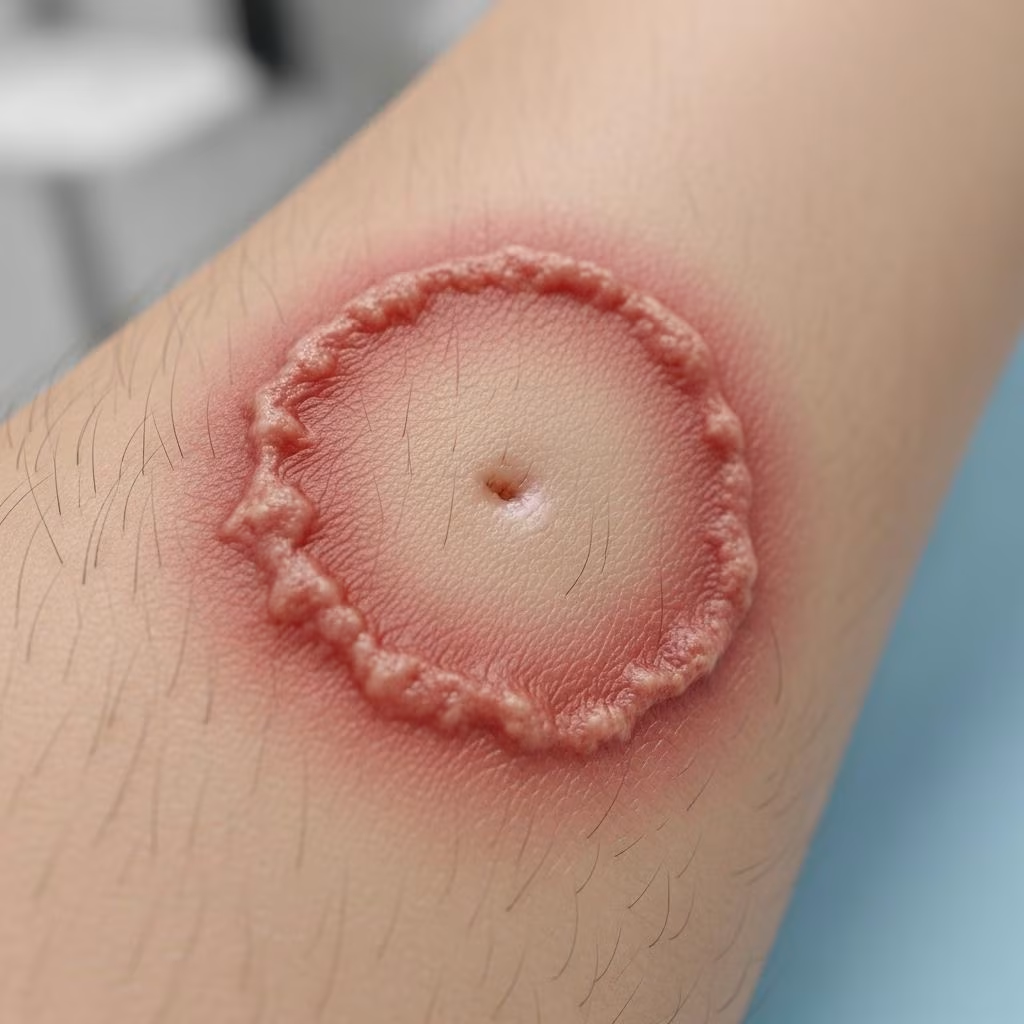
Chronic wounds can be frustrating and even life-altering. When typical wound care fails to close stubborn or slow-healing wounds, hyperbaric oxygen therapy (HBOT) offers hope. By utilizing pure oxygen in a pressurized chamber, HBOT delivers oxygen-rich plasma to tissues starved by injury or disease, effectively jumpstarting healing where other therapies fall short.
What Is Hyperbaric Oxygen Therapy (HBOT)?
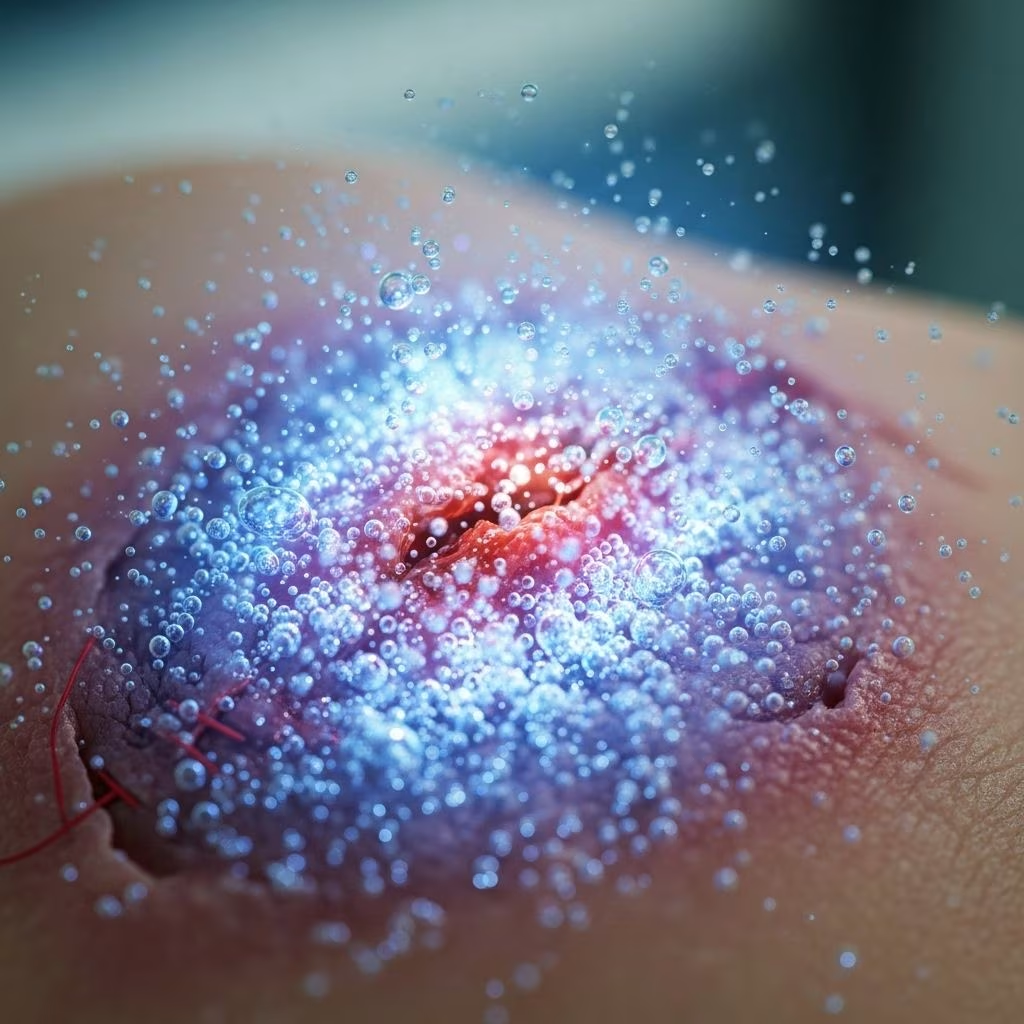
Hyperbaric Oxygen Therapy is a medical treatment in which a patient breathes 100% oxygen in a chamber where atmospheric pressure is carefully increased above normal levels. This process allows oxygen to dissolve more effectively into the blood plasma, significantly raising the amount of oxygen delivered to the body’s tissues, especially those starved by damaged blood vessels.
- How it works: The patient enters either a monoplane or multiperson chamber.
- Once inside, pure oxygen is provided at increased atmospheric pressure, often 1.5–3 times the normal air pressure.
- Sessions generally last from 60 to 120 minutes depending on the protocol and wound severity.
HBOT is both a standalone wound therapy and frequently an integral part of multidisciplinary wound care plans, especially for wounds that resist routine treatments.
How HBOT Helps Wounds Heal
HBOT’s primary benefit is elevated oxygen levels in tissues, but its therapeutic power extends far beyond mere oxygenation. Here’s how HBOT creates optimal conditions for healing chronic wounds:
- Restores Oxygen to Injured Tissues: Wounds damage small blood vessels and create swelling that restricts oxygen. HBOT drives oxygen-rich plasma to areas with poor circulation, aiding cell survival and repair.
- Promotes Growth of New Tissues and Blood Vessels: Increased oxygen encourages the body to build new capillaries and connective tissue, laying the foundation for lasting healing.
- Reduces Swelling and Inflammation: By limiting harmful fluid buildup, HBOT eases inflammation and enhances nutrient delivery.
- Strengthens the Immune System: Extra oxygen helps white blood cells fight infection by enabling them to kill bacteria more efficiently.
- Stimulates Growth Factors and Stem Cells: HBOT triggers the release of substances that support tissue growth, cell regeneration, and angiogenesis (the formation of new blood vessels).
- Supports Antibiotic Action: Research shows that HBOT has an antimicrobial effect and can enhance the effectiveness of certain antibiotics.
Together, these mechanisms allow HBOT to address the multifaceted challenges of chronic wounds, especially those where oxygen deprivation slows the body’s normal repair processes.
Candidates for Hyperbaric Oxygen Therapy
HBOT is typically recommended for patients whose wounds:
- Have not responded to standard wound care methods
- Show signs of chronic infection, poor vascular supply, or slow healing
- Occur in the context of medical conditions that compromise blood flow or immune function (e.g., diabetes or radiation damage)
Specific wound types that may benefit from HBOT include:
- Diabetic foot ulcers
- Chronic refractory osteomyelitis (persistent bone infection)
- Radiation tissue injury (from cancer therapy)
- Burn injuries and crush injuries
- Problematic skin grafts or flaps
- Non-healing surgical wounds and traumatic injuries
- Certain severe infections (eg, necrotizing soft-tissue infections)
Discussing options with a wound care specialist is essential for individualized evaluation and to determine whether HBOT might benefit your specific wound and circumstances.
Types of Hyperbaric Oxygen Chambers
HBOT is performed in two main types of chambers, each serving different clinical settings and patient needs:
- Monoplace Chambers: Designed for a single patient. The entire chamber is pressurized with 100% oxygen.
- Multiplace Chambers: Larger, allowing several patients to receive therapy simultaneously. Patients breathe pure oxygen through masks or hoods while the chamber is pressurized with air.
Both types deliver medical-grade oxygen at therapeutic pressures, monitored and adjusted by trained professionals for safety and optimal outcomes.
What to Expect During HBOT Sessions
Understanding the HBOT process helps patients feel at ease and make informed decisions. Here is an overview of what a typical HBOT session includes:
- Preparation: Before each session, clinical staff will check your health status, advise you on what clothing to wear, and explain the procedure.
- Session: You’ll be placed inside the chamber, and pressurization will begin. You may feel fullness in your ears as the pressure increases (similar to flying in an airplane); swallowing or yawning relieves this sensation.
- Breathing oxygen: Throughout the session, you will breathe pure oxygen in the chamber for 60–120 minutes.
- Monitoring: Clinicians carefully monitor your response and ensure safety and comfort throughout the session.
- Aftercare: Once the session ends, pressure is returned to normal, and you’re guided outside. Most patients return to daily activities soon thereafter.
How Many Sessions Are Needed?
The number of HBOT sessions is tailored to each patient’s wound type, medical history, and how the wound responds to therapy. While acute conditions may improve in a handful of sessions, chronic or severe wounds may require 20, 30, or even more sessions for optimal results.
- Sessions are often conducted daily, five days a week.
- Treatment duration and frequency are continually adjusted as wound healing progresses.
- Your wound care team will create a plan that fits both your healing needs and life circumstances.
Potential Risks and Side Effects
HBOT is considered safe when performed by trained professionals. Like any medical procedure, it has potential risks, though severe complications are rare. Common side effects include:
- Ear barotrauma (discomfort or injury from pressure changes)
- Temporary vision changes (often resolving after therapy is complete)
- Sinus discomfort
- Rarely, oxygen toxicity (with symptoms such as lightheadedness or seizures)
Staff will monitor carefully to ensure your safety and address any side effects promptly.
Is HBOT Right for You?
The decision to use HBOT depends on the nature of your wound, overall health, and previous treatments tried. HBOT offers particular promise for patients with chronic wounds where standard care has failed, or who are at high risk for amputation or serious complications.
- Comprehensive approach: HBOT is usually not a stand-alone cure. It brings the greatest benefit as one part of a tailored wound management plan—including good nutrition, advanced dressings, infection control, and, if needed, debridement (removal of dead tissue).
- Individual assessment: Candidacy for HBOT is determined by a specialized care team; together they review the specifics of your case to ensure the therapy is likely to help.
Frequently Asked Questions about HBOT for Wound Healing
What is hyperbaric oxygen therapy, and how does it accelerate wound healing?
Hyperbaric oxygen therapy (HBOT) is a specialized treatment where you breathe pure oxygen in a pressurized chamber. The increased pressure boosts the oxygen-carrying capacity of your blood, allowing oxygen-rich plasma to nourish damaged tissues, fight infections, reduce swelling, and speed healing in wounds stalled by oxygen deprivation.
What kinds of wounds are typically treated with HBOT?
HBOT is commonly used for diabetic foot ulcers, radiation injuries, chronic bone infections (osteomyelitis), complicated grafts or flaps, burn injuries, crush injuries, and some severe infections. Your doctor can determine if HBOT is suitable for your condition.
How does the experience feel? Is HBOT uncomfortable or painful?
Most patients find HBOT sessions peaceful and relaxing. The primary sensation you may notice is mild ear pressure as the chamber is pressurized—similar to ascending or descending in an airplane. This is easily relieved by yawning or swallowing.
Are there any risks or side effects of HBOT?
Minor ear or sinus pressure is common. Temporary changes in vision can occur. Rarely, oxygen toxicity is possible but closely monitored by the care team. Most patients complete HBOT with minimal discomfort or side effects.
How soon will I see results from HBOT?
The timeframe varies depending on wound type, location, and severity. Some patients notice reduced pain, swelling, or visible healing after several sessions, but others require weeks of therapy for maximum benefit. Your healing progress will be evaluated throughout your treatment plan and adjusted as necessary.
Quick Facts: HBOT for Wound Healing
- HBOT increases tissue oxygen by more than 10 times the usual level.
- It is a proven therapy for stubborn wounds, especially when other treatments have failed.
- HBOT supports immune function and helps the body fight off chronic infections in wounds.
- Each treatment plan is personalized, with patient safety as the top priority.
- HBOT is most effective as part of a comprehensive wound management approach.
Table: Wounds Commonly Treated with HBOT
| Type of Wound | Typical Cause | HBOT Benefit |
|---|---|---|
| Diabetic Foot Ulcers | Poor circulation due to diabetes | Reduces risk of amputation, accelerates healing |
| Chronic Osteomyelitis | Persistent bone infection | Improves infection control, promotes bone healing |
| Radiation Injuries | Delayed effects of cancer therapy | Restores oxygen, reduces tissue breakdown |
| Burns / Crush Injuries | Trauma causing severe tissue damage | Reduces swelling, supports cell repair |
| Skin Grafts / Flaps | Poor attachment or blood supply | Improves survival and integration of tissue |
Conclusion: The Role of HBOT in Modern Wound Care
When wounds refuse to heal, patients often feel frustration, anxiety, and uncertainty about their future. Hyperbaric oxygen therapy is a scientifically validated option that gives wounds the vital oxygen they need to recover—enabling tissue repair, fighting infection, and restoring hope. As part of a personalized, multidisciplinary wound care program, HBOT can be a game-changer, offering relief when other treatments have failed.
Frequently Asked Questions (FAQs)
Q: Who cannot receive HBOT?
HBOT is not suitable for everyone; it may be contraindicated for patients with certain lung diseases, uncontrolled high fevers, severe heart failure, or untreated pneumothorax (collapsed lung). Your healthcare provider will perform a detailed assessment to ensure safety and appropriateness.
Q: Does HBOT cure all wounds?
No single treatment guarantees cure for all wound types. HBOT is most beneficial for specific chronic and hard-to-heal wounds, particularly those linked to poor blood flow or infection. Successful healing depends on an individualized approach.
Q: Is HBOT painful?
Most patients do not find HBOT painful. The sensation is often compared to changing altitude in an airplane, with mild ear fullness being the most common side effect.
Q: How much does HBOT cost, and is it covered by insurance?
The cost of HBOT varies based on the number of sessions and region. Many insurance plans (including Medicare) cover HBOT for approved medical indications. Always check with your provider and insurance carrier for details.
Q: Can I continue my regular medications during HBOT?
Generally, yes. However, always inform your care team about any medications you are taking, as some may need adjustment during treatment.
References
- https://owccenter.com/implementing-hyperbaric-oxygen-therapy-hbot-protocols/
- https://www.hh-bayarea.com/hbot-blog-oakland/2020/12/22/hbot-amp-wound-healing
- https://cutiscareusa.com/hyperbaric-oxygen-therapy-the-advanced-therapy-everyone-needs-to-know-about/
- https://pmc.ncbi.nlm.nih.gov/articles/PMC8884396/
- https://pure.johnshopkins.edu/en/publications/hyperbaric-oxygen-therapy-a-brief-history-and-review-of-its-benef-3
- https://pamhealth.com/resources/hyperbaric-oxygen-therapy-wound-healing-and-more/