If you suffer from irritable bowel syndrome (IBS) and also find yourself reaching for tissues during allergy season, you may have noticed a peculiar overlap: your gastrointestinal symptoms often seem to worsen when your nose is stuffy and your eyes are itchy. Recent studies have begun to uncover a possible connection between IBS and allergic conditions like allergic rhinitis (hay fever), suggesting that your gut and your allergies may be more closely linked than previously thought.
Understanding Irritable Bowel Syndrome (IBS)
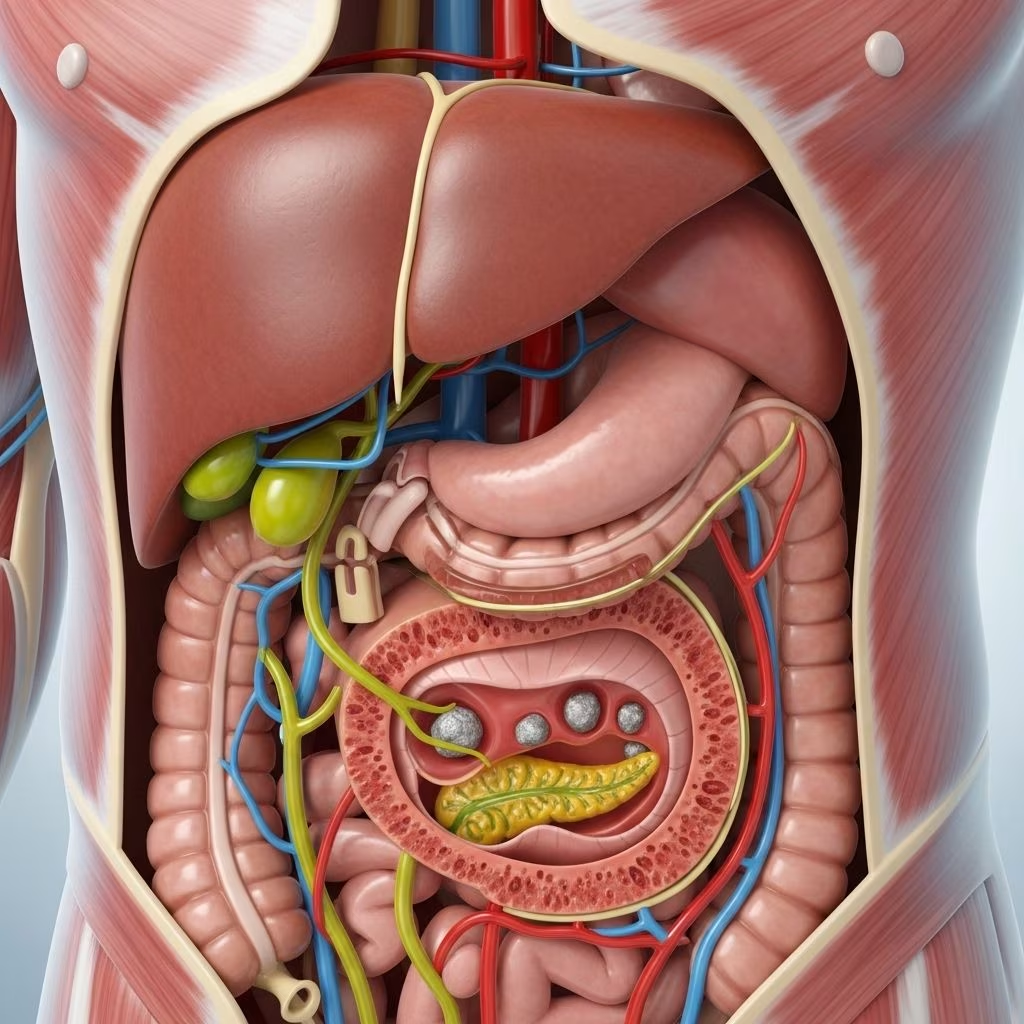
Irritable bowel syndrome is a functional gastrointestinal disorder characterized by a variety of troublesome symptoms that may come and go or persist over time. The disorder is caused by problems in the communication between the brain and the gut, and it doesn’t show up as visible damage on standard medical tests.
- Typical IBS symptoms:
- Diarrhea
- Cramping
- Abdominal pain
- Constipation
- Bloating
- Gas
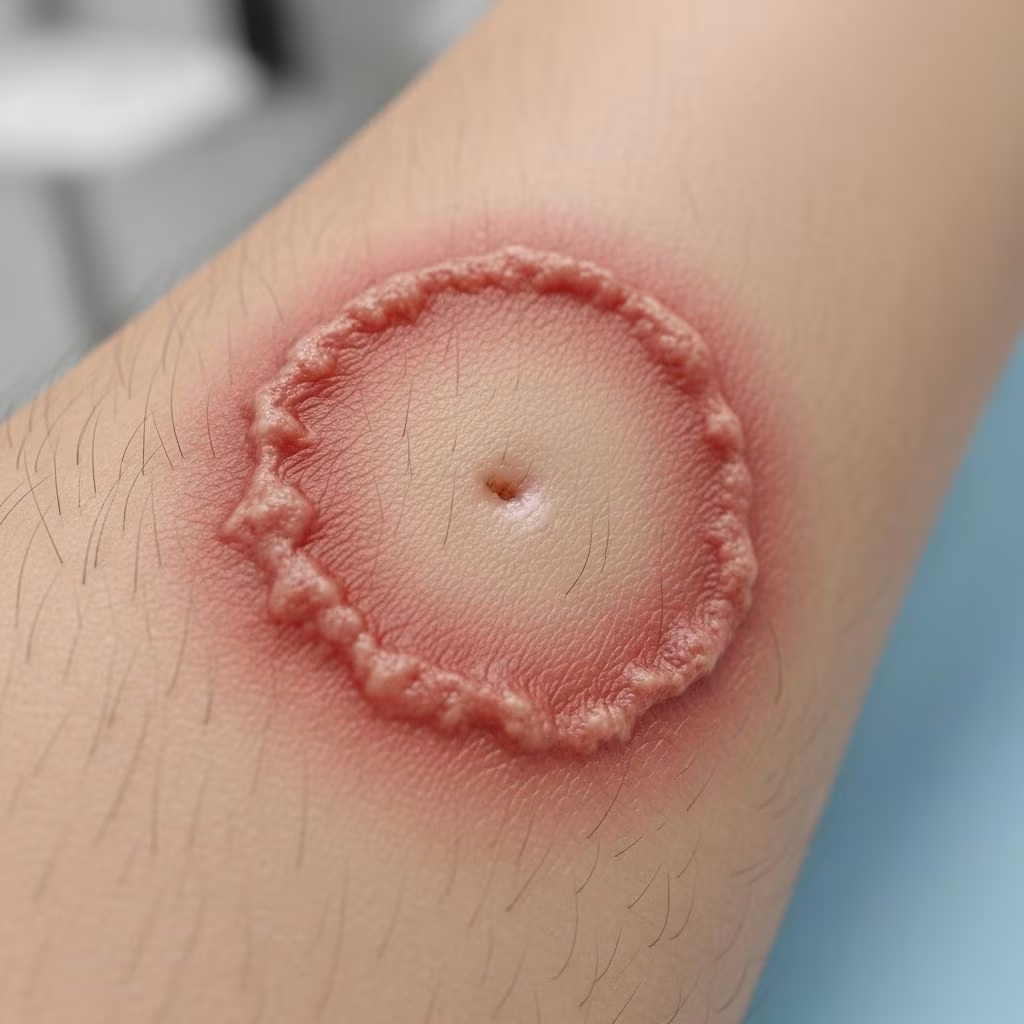
Some researchers have identified a subgroup termed atopic IBS for individuals who show both typical IBS symptoms and allergic manifestations. These manifestations could include a stuffy nose, itchy or watery eyes, hives, and other skin reactions.
What Is Allergic Rhinitis (Hay Fever) and What Causes a Stuffy Nose?
Allergic rhinitis, commonly referred to as hay fever, is an allergic reaction that primarily affects the nasal passages. It is triggered when the immune system overreacts to otherwise harmless airborne substances called aeroallergens.
- Common triggers for allergic rhinitis:
- Pollen (from trees, grasses, weeds)
- Dust and dust mites
- Cockroaches
- Pet dander
- Mold spores
When an individual with allergies encounters these triggers, the immune system releases histamine, resulting in symptoms such as:
- Nasal congestion (stuffy nose)
- Runny nose
- Sneezing
- Sinus pain
- Itchy or watery eyes
- Itchy or sore throat (often from postnasal drip)
- Coughing
- Wheezing
- Difficulty breathing
Interestingly, because aeroallergens can be inhaled or sometimes ingested, they may also interact with other parts of the body, including the digestive tract.
Is There a Connection Between IBS and a Stuffy Nose?
The interplay between the gut and the immune system is incredibly complex. While the exact mechanisms linking IBS and allergic rhinitis are not yet fully understood, several factors suggest an association:
- Mast cells (a kind of white blood cell involved in allergic reactions) are found in both the gut and connective tissue. When activated by allergens, they release histamine, which can trigger both nasal and gastrointestinal symptoms.
- Aeroallergens that are inhaled can sometimes reach the digestive tract when swallowed, possibly provoking an immune response or triggering IBS symptoms in susceptible individuals.
- Food allergies and sensitivities are known to worsen both IBS and allergic symptoms, pointing to overlapping pathways.
Clinical studies also support a connection:
- A 2018 study linked allergic symptoms (including hives and rhinitis) to severe IBS-D (IBS with diarrhea).
- A 2020 review found that children with allergies were more likely to develop IBS as adults.
- Earlier research (2008) reported that adults with allergies had a higher incidence of IBS and led researchers to suggest the possible classification of an atopic IBS subgroup.
How Mast Cells May Provide the Link
Mast cells play a central role in allergic reactions by releasing histamine and other mediators. In the gut, this can result in increased motility, spasm, and discomfort—all hallmark symptoms of IBS. Their activation can be induced both by food allergens and even by inhaled aeroallergens that eventually reach the intestinal lining.
Who Is at Risk? Overlap and Symptom Patterns
Certain populations appear to be more vulnerable to the overlap between IBS and allergies. These include:
- Individuals with a personal or family history of allergies (hay fever, eczema, asthma)
- People with diagnosed IBS-D, as research suggests they are more likely to have allergic comorbidities
- Those with more severe seasonal allergies, whose gastrointestinal symptoms worsen during peak allergy periods
During times of higher allergen exposure (like pollen season), some individuals with IBS—especially IBS-D—report increased frequency and severity of lower GI symptoms, including abdominal pain, distention, and changes in stool consistency.
Symptoms: When Allergies and IBS Flare Together
| IBS Symptoms | Allergic Rhinitis Symptoms | Overlap Symptoms (Atopic IBS) |
|---|---|---|
| Abdominal pain | Stuffy nose | Worsened abdominal pain during allergy season |
| Diarrhea or constipation | Itchy or watery eyes | Gastrointestinal upset alongside runny nose or sneezing |
| Bloating and gas | Sneezing, sinus pain | IBS symptoms flare with seasonal allergy exposure |
| Cramping | Cough, sore throat | Histamine-driven reactions in both gut and nose |
Treatment Strategies for IBS and Allergic Rhinitis
Because IBS and allergic rhinitis involve different bodily systems and mechanisms, their treatments are generally distinct. However, managing both successfully often means identifying common triggers.
Steps for Managing Both Conditions
- Identify and eliminate triggers:
- For hay fever: Track pollen counts, avoid outdoor activities during high counts, and use air purifiers or vacuum cleaners with HEPA filters.
- For IBS: Work with your doctor or dietitian to identify potential food triggers such as gluten, dairy, or high-FODMAP foods.
- Utilize targeted medications:
- For Allergic Rhinitis: Antihistamines, decongestants, steroid nasal sprays, nasal saline irrigation, eye drops for itching, and allergy shots.
- For IBS: Over-the-counter antidiarrheals, laxatives, fiber supplements, anticholinergic medications for spasms, tricyclic antidepressants for pain, and prescription IBS drugs like linaclotide (for IBS-C).
- Consider overlap treatments: If you suspect histamine is a common driver, discuss with your healthcare provider whether antihistamines or mast cell stabilizers may help control both IBS and allergic symptoms.
It is essential to avoid self-medicating or making significant dietary or medication changes without consulting a healthcare professional, as symptom overlap can make management complex.
Living with IBS and Allergic Rhinitis: Practical Tips
- Maintain a symptom diary to record patterns in food intake, allergen exposure, and symptoms. This can help both you and your healthcare provider identify links and tailor your management plan.
- Manage stress, as both IBS and allergies can flare with increased stress levels. Techniques like yoga, meditation, or counseling may be helpful.
- Consider environmental modifications such as using air filters, washing bedding regularly, and keeping windows closed during pollen season.
- Stay hydrated and support nasal health with saline rinses to minimize the impact of sinus congestion on overall well-being.
- Stay in touch with your care team to adjust strategies as symptoms and seasons change.
When to See a Doctor
- If you experience persistent gastrointestinal issues along with worsening allergic symptoms, see your healthcare provider for further evaluation.
- Unexplained weight loss, fever, or blood in the stool are signs that need immediate medical attention.
- Ask your doctor if a referral to an allergist or gastroenterologist is appropriate for your situation.
Frequently Asked Questions (FAQs)
Q: Can treating my allergies help improve my IBS symptoms?
A: For some individuals, especially those with clear overlap between allergy flares and IBS symptoms, effective allergy treatment may help decrease gastrointestinal symptom frequency or severity. However, more research is needed, and results can vary from person to person.
Q: Are there specific foods that worsen both IBS and allergies?
A: Some foods, particularly those high in FODMAPs, gluten, or dairy, can trigger IBS symptoms. In people with food allergies or intolerances, these foods may also worsen allergic rhinitis or skin reactions. Personalized elimination diets should be done under medical supervision.
Q: Is there a single medication that treats both IBS and allergies?
A: Medications such as antihistamines may help with allergic rhinitis and could also reduce histamine-mediated IBS symptoms in some individuals. However, treatments must be tailored, and not everyone benefits from the same approach.
Q: Do children with allergies have a higher risk of developing IBS?
A: Yes, studies have shown that children with allergies are more likely to develop IBS as adults compared to those without allergies.
Q: What is the best way to manage IBS during allergy season?
A: Monitor symptoms closely, minimize exposure to known allergens, adhere to IBS dietary recommendations, and communicate regularly with your care team to adjust treatments as needed.
Key Takeaways
- IBS and allergic rhinitis can co-exist, and their symptoms may worsen at the same time, especially during peak allergy seasons.
- Mast cells, a type of immune cell activated during allergic reactions, may be a shared link between the gut and the respiratory tract.
- An integrated management approach targeting both gastrointestinal and allergic symptoms yields the best quality of life for affected individuals.
If you experience worsening IBS symptoms during allergy flare-ups, consult your healthcare provider for an individualized diagnosis and management plan.
References
- https://www.healthline.com/health/irritable-bowel-syndrome/ibs-and-allergic-rhinitis
- https://www.frontiersin.org/journals/allergy/articles/10.3389/falgy.2025.1568595/full
- https://www.healthline.com/health/allergic-rhinitis
- https://pmc.ncbi.nlm.nih.gov/articles/PMC12163863/
- https://onlinelibrary.wiley.com/doi/10.1111/nmo.70108?af=R
- https://pmc.ncbi.nlm.nih.gov/articles/PMC10999842/
- https://www.jnmjournal.org/journal/view.html?uid=1912&vmd=Full