Is Holding In Farts Safe? Effects, Myths, and Digestive Health
Farting—sometimes called flatulence—is a completely natural part of human digestion. Gas builds up in the digestive system as a result of normal processes, and everyone releases it through their bottom—whether they want to admit it or not. This article explores the science behind holding in farts, the possible side effects, and what every adult needs to know about this often embarrassing, but essential, body function.
Contents
- Introduction to Flatulence
- Is Holding in Farts Bad for You?
- Side Effects of Holding in Farts
- What Happens When You Hold in a Fart?
- Other Concerns and Myths
- Farting and Digestive Health
- Managing Excessive Gas
- Frequently Asked Questions
Introduction to Flatulence
Flatulence refers to the passage of gas from the digestive system through the rectum. It is a vital process for eliminating the buildup of gases that occur during digestion and after swallowing air while eating or drinking. Several lifestyle factors—like smoking, using a straw, consuming hard-to-digest foods, stress, and medical conditions—can increase the frequency or severity of gas production and release. On average, most adults fart five to 23 times per day, though the number varies widely depending on diet, stress, and overall digestive health.
What Causes Gas Formation?
- Swallowing air while eating, drinking, smoking, or using a straw
- Bacterial fermentation of carbohydrates and fiber in the large intestine
- Dietary choices, especially foods that are hard to digest
- Constipation and slowed bowel movements
- Digestive disorders like irritable bowel syndrome or food intolerances
Why Is Farting Important?
Farting is the body’s natural way to expel excess gas. If gas isn’t released, it can build up in the intestines and cause discomfort, bloating, and sometimes pain. Letting it out maintains balance and relieves the pressure caused by fermentation and gas accumulation.
Is Holding in Farts Bad for You?
While everyone has found themselves trying not to fart—whether at work, school, or in social situations—research suggests that suppressing flatulence is not ideal for health. The scientific evidence is limited, but the consensus is clear: holding in farts leads to short-term discomfort and may be associated with longer-term risks under certain circumstances.
Short-Term Effects
- Pain: Immediate cramps or aching in the abdomen
- Bloating: Noticeable swelling and a feeling of fullness
- Indigestion: Difficulty digesting food leading to more discomfort
- Heartburn: Occasionally, trapped gas increases stomach pressure, contributing to reflux
Long-Term Possibilities
Historically, some experts linked regular suppression of farts to developing diverticulitis, a condition involving inflammation or infection of small pouches (diverticula) that can form in the digestive tract. Though this link was first discussed in the 1970s, modern research does not conclusively support the idea. Still, chronic habits that increase internal pressure may contribute to overall digestive stress.
Can Holding in Farts Be Deadly?
There is no evidence that retaining gas could be fatal. The discomfort or pain can be severe, but holding in farts will not kill you.
Side Effects of Holding in Farts
When you suppress the urge to fart, you tighten your anal sphincter muscles (similar to resisting a bowel movement). Initially, this prevents gas from escaping, but the pressure inside increases, aggravating discomfort and stress levels.
- Bloating and swelling: Held gas pushes against your intestinal walls, causing fullness and discomfort.
- Belching: Swallowed air that is not expelled through the rectum can increase the likelihood of burping.
- Pain and cramping: As gas builds, it may lead to spasms or cramps in your lower belly.
- Increased stress: Physical discomfort can make you anxious or embarrassed, exacerbating symptoms.
- Diverticulitis risk: Air pockets occasionally form along the tract, suspected of contributing to diverticulitis if infected; evidence is inconclusive.
What Happens When You Hold in a Fart?
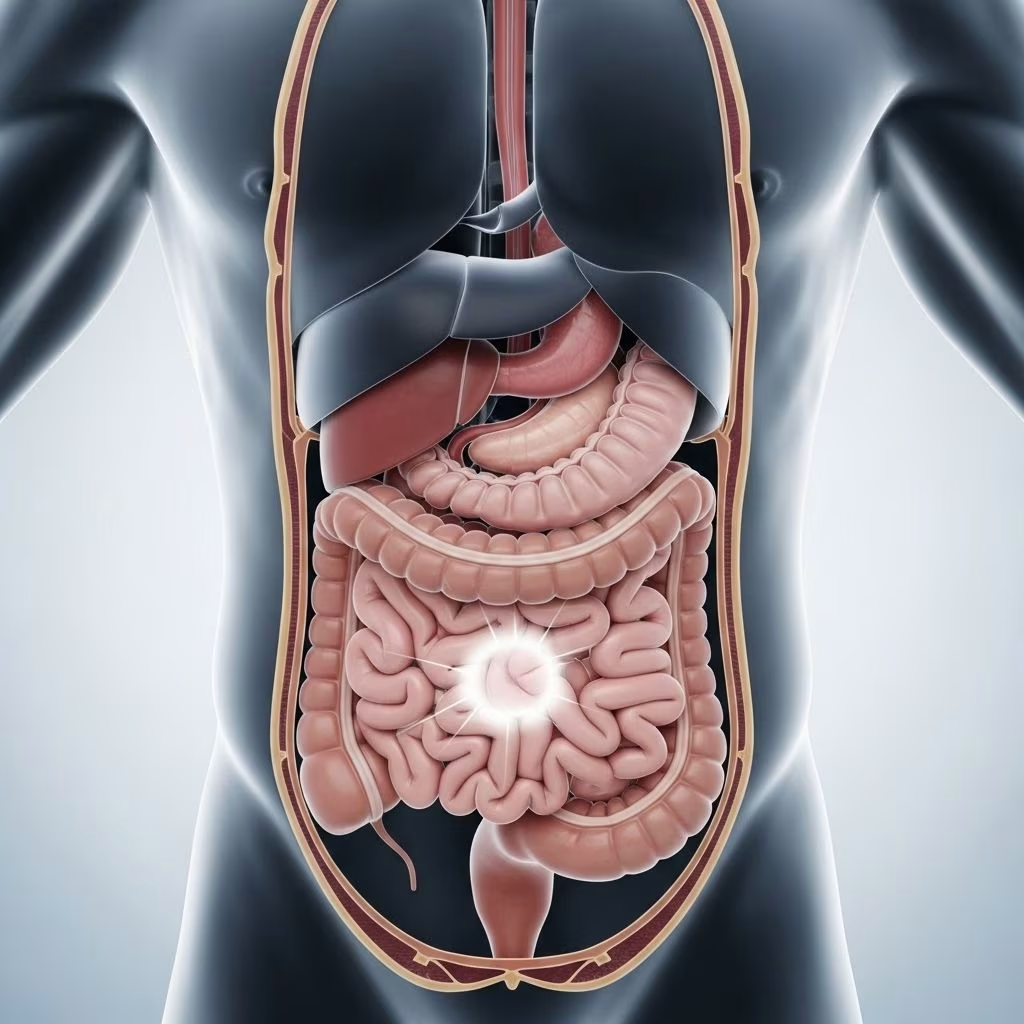
Normally, gas moves from the intestines to the rectum and out through the anus. If you clench your buttocks and sphincter muscles, some gas can be held in for a while. The pressure increases, and you might notice gurgling or bubbling sensations as the gas attempts to find a route out.
Some of this gas is reabsorbed into your bloodstream and is eventually released when you exhale—meaning a small portion of the gas makes its way out via the lungs, although the majority remains until released as a fart or burp.
| Outcome | Description |
|---|---|
| Abdominal pain | Cramps and aches due to high pressure from unreleased gas |
| Bloating and swelling | Feeling full, distended abdomen |
| Burping | Swallowed air redirected upward as a belch |
| Exhaled gas | Very small amounts reabsorbed and expelled via lungs when exhaling |
| Diverticulitis (rare, theoretical) | Inflammation in colon pouches, not proven linked to holding in farts |
Other Concerns and Common Myths
Can Gas Leak Out of Your Mouth If You Hold in a Fart?
Some people wonder whether suppressed flatulence could result in gas leaking from the mouth. While some gas can be absorbed from the gut wall, travel to the lungs, and be expelled as you breathe, this is not the dramatic ‘mouth fart’ some imagine—and you won’t taste it.
Does Farting Spread Illness?
- Farting cannot spread illnesses like pinkeye, viruses, or giardia unless actual fecal particles are involved—which is not typical.
- Flatulence consists of gas, not solid matter, and does not carry the pathogens necessary to transmit these infections.
Does Farting in Someone’s Mouth Cause Harm?
This is a popular yet unfounded myth. Medical experts clarify that farting does not transmit illness if flatus is inhaled or directed at someone’s mouth, unless actual fecal matter is present.
Can You Taste a Fart That Escapes Through Your Mouth?
No—you cannot taste such gas. The odor of flatulence comes from sulfur compounds created by intestinal bacteria; those do not enter the bloodstream and make their way to the mouth.
Farting and Digestive Health
Passing gas is a signal that your digestive system is functioning as expected. While the frequency, odor, and characteristics of farts can vary based on diet, stress, and health, excessive farting or chronic discomfort may indicate an underlying problem. Digestive systems exposed to new foods, dietary changes (like going vegetarian/vegan), or medical conditions (such as IBS or food intolerances) tend to produce more gas temporarily.
- High-fiber foods often lead to more gas
- Carbohydrate-rich diets can increase intestinal gas production
- Protein and fats do not typically cause excess gas, though some can intensify odor
Managing Excessive Gas and Prevention
If you notice frequent or excessive farting along with symptoms like pain, bloating, or digestive distress, you might want to consult a healthcare professional. Most health issues related to farting are mild and transient, but attention is warranted with persistent trouble.
Simple Prevention Tips
- Eat slowly to prevent swallowing excess air
- Avoid carbonated drinks and chewing gum
- Limit high-fiber foods if experiencing excess gas
- Address constipation and regularize bowel habits
- Reduce stress, which can impact gut function
- Consider talking to your doctor for persistent digestive issues
How To Hold In a Fart (If You Must)
- Tighten your anal sphincter (similar to resisting a bowel movement)
- Clench your buttocks to add extra muscle control
- Shift positions discreetly to reduce pressure
- Go to a private space for release if possible
Remember, holding gas for too long increases internal pressure, making eventual release more forceful and less controllable.
When Farting Is a Problem
- If excessive farting is accompanied by pain, vomiting, unexplained weight loss, or major changes in bowel habits
- If digestive discomfort interferes with daily life
- If symptoms persist after dietary or lifestyle changes
These situations may warrant medical assessment for underlying digestive conditions.
Frequently Asked Questions (FAQs)
Q: How often is it normal to fart?
A: Most adults fart between five and 23 times per day, depending on diet, stress, and overall gut health.
Q: Can holding in farts cause long-term health problems?
A: Research is limited, but long-term risks such as diverticulitis are unproven and rare. Short-term effects like pain and bloating are more common.
Q: Will holding in a fart make it leak out of my mouth?
A: Some gas is reabsorbed and released when you exhale, but it is odorless and tasteless—no actual ‘mouth fart’ occurs.
Q: Is farting ever dangerous?
A: Not typically. If you experience persistent pain, severe bloating, or other digestive issues, consult a healthcare provider.
Q: Can you prevent excessive farting?
A: Yes—dietary changes, slow eating, stress management, and medical advice can help control excessive gas production.
Summary
Farting is an essential and healthy process. Holding in farts can lead to short-term discomfort like pain and bloating, and while some myths abound about dangerous consequences, most are untrue. Listening to your body, managing your diet, and addressing excessive symptoms with professional help are key for maintaining digestive wellness and comfort.