Kaposi sarcoma (KS) is a complex and uncommon type of cancer that primarily affects the skin, the lining of blood vessels, and lymphatic vessels. This detailed guide explores its defining characteristics, symptoms, causes, risk factors, diagnostic approaches, and current treatment strategies.
What Is Kaposi Sarcoma?
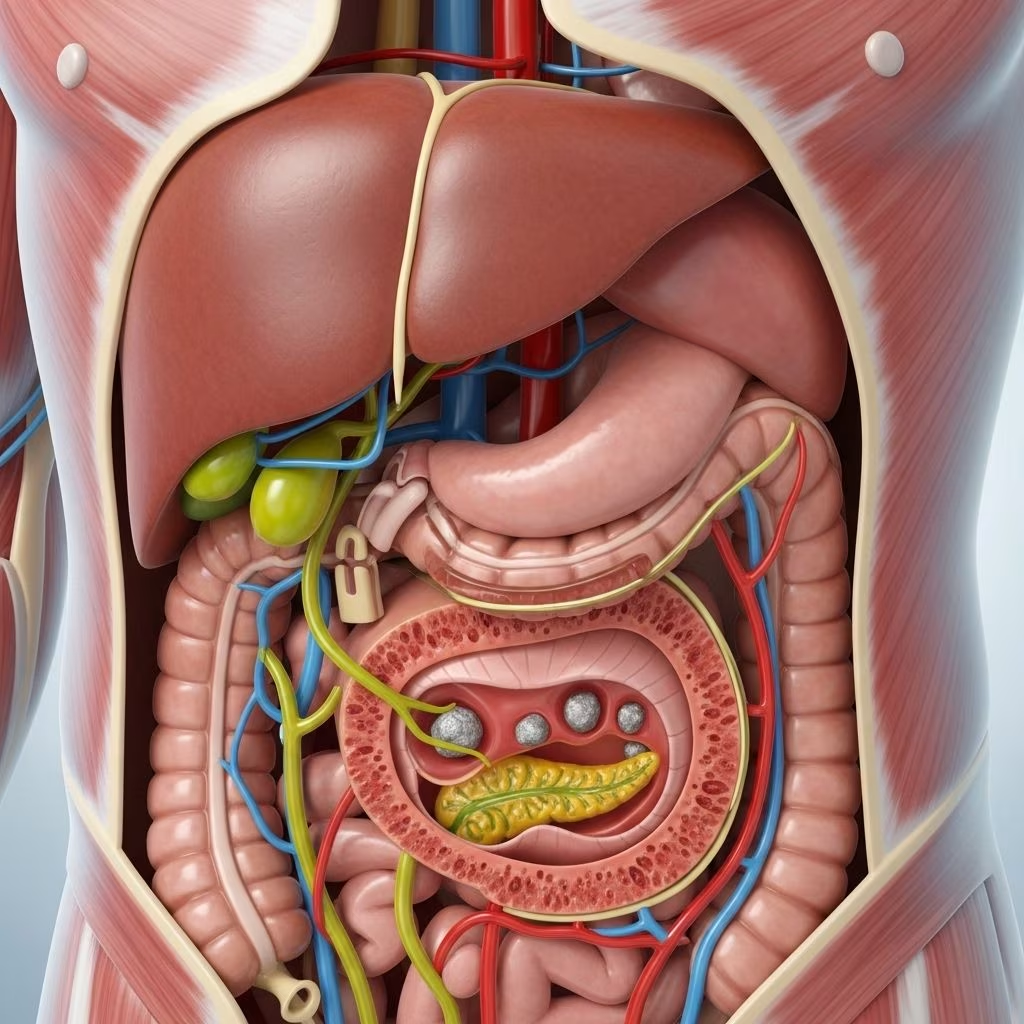
Kaposi sarcoma (KS) is a rare cancer of the connective tissue marked by the abnormal growth of blood vessel cells. The disease most frequently causes tumors (lesions) on the skin, but these lesions may also develop on internal organs, such as the mouth, lymph nodes, gastrointestinal tract, or lungs. KS can cause complications ranging from skin discoloration to serious organ involvement, depending on its type and progression.
Types of Kaposi Sarcoma
There are several clinically recognized types of Kaposi sarcoma, each associated with different risk factors and populations:
- AIDS-related (Epidemic) Kaposi Sarcoma: The most common type in developed countries, occurring in people living with HIV/AIDS. The immunodeficiency in AIDS allows KS-causing viruses to thrive, leading to extensive lesions.
- Classic (Mediterranean) Kaposi Sarcoma: Typically occurs in older men of Mediterranean, Eastern European, or Middle Eastern descent, often progressing slowly and remaining confined to the skin of the lower limbs.
- Transplant-associated (Iatrogenic) Kaposi Sarcoma: Develops in patients receiving immunosuppressive therapy following organ transplantation, as their weakened immune systems are less able to control latent viral infections.
- Endemic (African) Kaposi Sarcoma: Seen in young adults and children in sub-Saharan Africa. This form may be aggressive and frequently affects internal organs.
Causes and Risk Factors
Causes
The primary cause of all forms of Kaposi sarcoma is infection with human herpesvirus 8 (HHV-8), also known as Kaposi sarcoma-associated herpesvirus (KSHV). Transmission typically occurs through saliva; less commonly, it may spread through blood or sexual contact.
- HHV-8 infection alone is generally not enough to cause the disease; most people with the virus never develop KS.
- The risk becomes significant when the immune system is compromised, due to HIV infection, organ transplantation, or certain age-related declines in immunity.
Risk Factors
- HIV/AIDS: KS is one of the most common cancers among people with untreated HIV/AIDS, due to severe immune suppression.
- Organ transplantation: Immunosuppressive therapies increase KS risk by impairing the body’s ability to control HHV-8.
- Genetic background: Individuals of Mediterranean, Eastern European, Middle Eastern, or sub-Saharan African descent are at higher risk for certain types.
- Older age: Classic KS is most often seen in adults aged 50–70 years.
- Geographic location: Endemic in parts of Africa and the Mediterranean basin.
Symptoms and Clinical Manifestations
The signs and symptoms of Kaposi sarcoma depend on which parts of the body are affected and the type of KS:
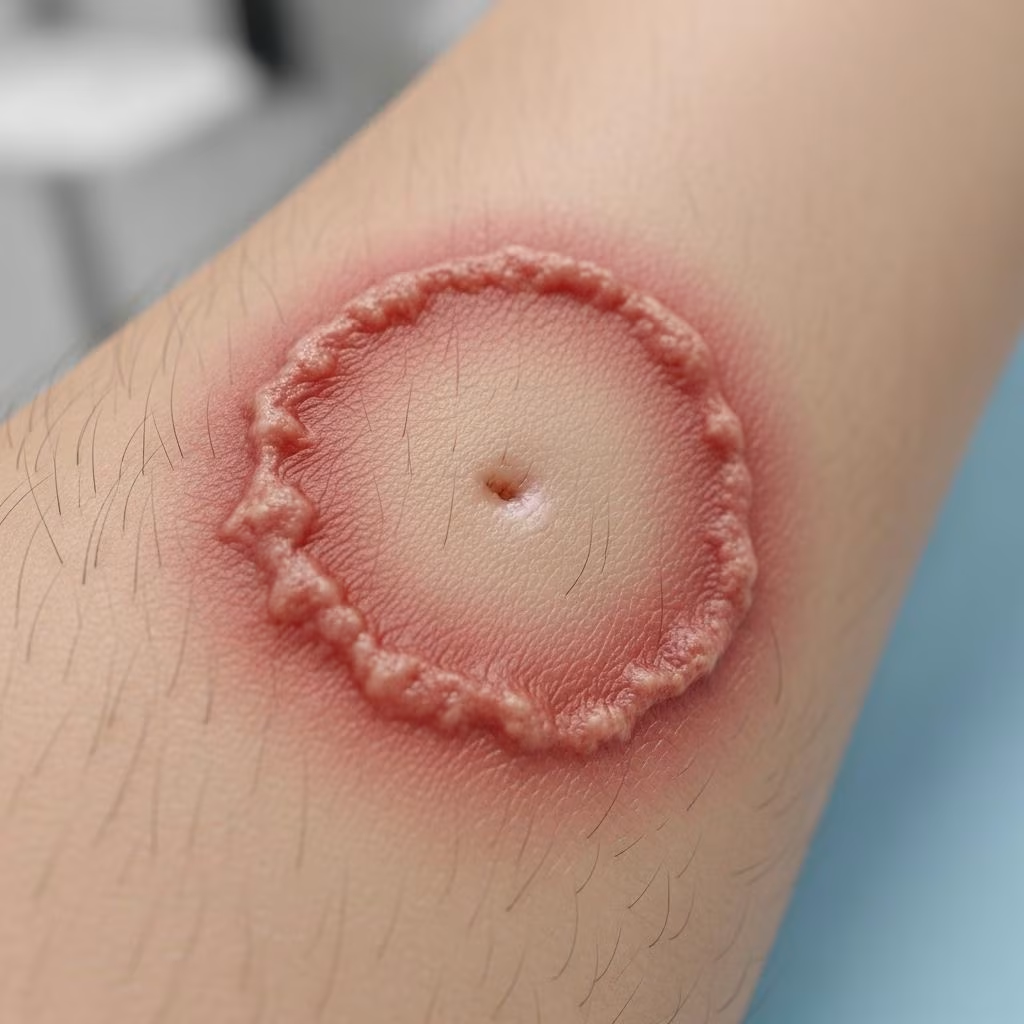
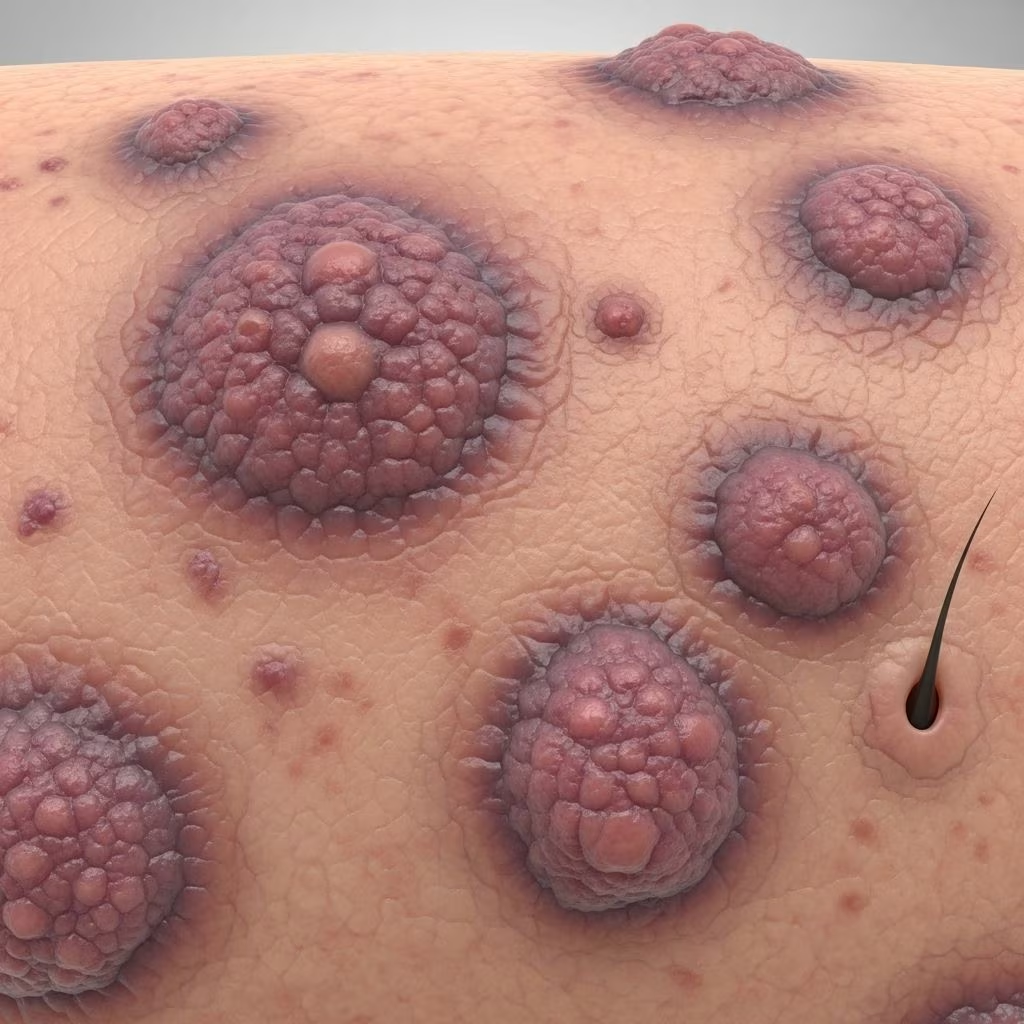
- Skin lesions: The most common finding. Lesions may appear reddish, purple, or brown, and can be flat or raised. They often develop on the legs, face, or arms, but can appear anywhere on the body, including the genitals or inside the mouth.
- Edema (Swelling): If lesions cause lymphatic blockage or damage, swelling may occur, especially in the lower limbs.
- Visceral lesions: KS can involve internal organs such as the digestive tract, liver, or lungs. Symptoms may include abdominal pain, diarrhea, coughing, difficulty breathing, gastrointestinal bleeding, or unexplained weight loss. Visceral disease can sometimes be difficult to detect until advanced.
- Rare complications: Advanced or aggressive KS may lead to further immunosuppression, chronic infections, or secondary cancers such as non-Hodgkin lymphoma.
Visual Features of Skin Lesions
- Patches, plaques, or nodules that are painless and vary in color from pink to dark purple or brown
- Lesions can enlarge over time and develop into ulcerated or bleeding growths
- Multiple skin lesions are common, either scattered or localized to an area
When to Seek Medical Attention
If you notice unexplained skin changes, such as unusual colored spots or lumps, persistent edema, mouth sores, or gastrointestinal symptoms like blood in stools or persistent stomach pain, consult a healthcare provider. Early detection is crucial, especially for immunocompromised individuals.
How Is Kaposi Sarcoma Diagnosed?
Diagnosis typically requires a combination of the following:
- Physical examination: Detailed assessment of skin, mouth, and lymph nodes for typical KS lesions
- Biopsy: Laboratory analysis of a sample from a lesion confirms the diagnosis by demonstrating the characteristic spindle cells and abnormal vascular spaces.
- Imaging studies: Chest X-rays, CT scans, or endoscopy may be used if internal organ involvement is suspected.
- Laboratory tests: Blood tests may help evaluate immune function, especially CD4 cell counts in HIV-positive individuals, and check for HHV-8 infection.
Staging of Kaposi Sarcoma
The extent and aggressiveness of the disease guide decisions regarding therapy and prognosis. Several staging systems exist, including specialized criteria for AIDS-associated KS:
- Tumor burden: Number, size, and location of lesions (skin only, mucosal surfaces, or visceral involvement)
- Immune status: Especially relevant for AIDS-related KS; measured by CD4 cell counts.
- Systemic illness: Presence of symptoms like fever, night sweats, or weight loss.
Classic KS tends to run a more indolent course, while AIDS-associated and endemic forms can be more aggressive.
Treatment of Kaposi Sarcoma
The optimal treatment strategy is influenced by the type and stage of KS, the patient’s immune status, and the extent of disease. Goals include controlling symptoms, slowing progression, and minimizing treatment-related side effects.
Main Treatment Modalities
- Highly Active Antiretroviral Therapy (HAART): For AIDS-related KS, restoring immune function with antiretroviral therapy significantly reduces KS incidence, halts progression, and may even cause lesions to regress in many cases.
- Local therapies: Suitable for limited, non-aggressive cutaneous KS lesions; options include:
- Cryotherapy (freezing)
- Surgical excision
- Intralesional chemotherapy (injecting drugs directly into lesions)
- Radiation therapy, particularly effective for localized areas or symptomatic lesions
- Systemic therapies: Needed for extensive, rapidly progressing, or visceral disease; may include:
- Chemotherapy (e.g., liposomal doxorubicin, paclitaxel)
- Immunotherapy (interferon-alpha, mostly for selected cases)
- Reduction or modification of immunosuppressive medications in transplant patients, if feasible
Monitoring and Supportive Care
- Regular monitoring: Surveillance for new lesions, symptom changes, or evidence of internal involvement.
- Supportive therapies: Managing swelling, skin care, infection prevention, and addressing psychosocial needs.
Prognosis and Outlook
The outlook for Kaposi sarcoma depends on the patient’s immune status, the extent of disease, the type of KS, and the response to therapy. For many people with HIV/AIDS, the introduction of antiretroviral therapy has significantly improved survival and reduced KS incidence and recurrence. Classic KS may remain stable for years without causing major problems, while aggressive forms require close management.
Prevention and Risk Reduction
- HIV prevention: Practicing safe sex, avoiding needle sharing, and early HIV detection and treatment are key to reducing AIDS-related KS risk.
- Careful use of immunosuppressants: Organ transplant recipients should be closely monitored for early signs of KS, and immunosuppression should be balanced to prevent opportunistic malignancies without risking organ rejection.
- Education and awareness: Targeted programs in high-risk geographic regions help prevent HHV-8 transmission.
Living with Kaposi Sarcoma
A diagnosis of Kaposi sarcoma can be challenging for patients and their families. Emotional and psychological support, regular medical follow-ups, and informed discussions with healthcare providers are critical for optimal outcomes.
Integrating medical treatment with social and psychological support services ensures the best quality of life for those managing Kaposi sarcoma and other chronic illnesses.
Frequently Asked Questions (FAQs)
What is the most common symptom of Kaposi sarcoma?
The most common symptom is the development of purple, red, or brown skin lesions that can be flat or raised and are often painless.
What virus causes Kaposi sarcoma?
Kaposi sarcoma is caused by human herpesvirus 8 (HHV-8), which often remains dormant unless the immune system becomes compromised.
Can Kaposi sarcoma be cured?
There is no definitive cure, but effective treatment—especially with antiretroviral therapy in AIDS-related cases—can achieve good disease control. Many skin lesions resolve, and progression may be halted.
Is Kaposi sarcoma always associated with HIV?
No, not all Kaposi sarcoma cases are linked to HIV. Classic, endemic, and transplant-associated types occur independently of HIV infection.
How can I lower my risk of Kaposi sarcoma?
Maintain a healthy immune system by avoiding known risks for HIV, seeking prompt treatment for immunodeficiency, and following your healthcare provider’s advice if you take immunosuppressive medications.
| Type | Primary At-Risk Population | Typical Features | Geographic/Other Factors |
|---|---|---|---|
| AIDS-Related (Epidemic) | Individuals with HIV/AIDS | Multifocal, aggressive, rapid progression possible | Worldwide, especially in areas with high HIV prevalence |
| Classic (Mediterranean) | Older men, Mediterranean/Eastern European descent | Slow-growing, limited to lower legs/feet | Mediterranean basin, Eastern Europe |
| Transplant-Associated (Iatrogenic) | Organ transplant recipients | Variable, can regress with reduced immunosuppression | Depends on organ transplant program prevalence |
| Endemic (African) | Young adults/children in sub-Saharan Africa | Potentially aggressive, visceral involvement | Sub-Saharan Africa |
Key Takeaways
- Kaposi sarcoma is a rare cancer with several distinct forms, all linked to infection with human herpesvirus 8 (HHV-8).
- Risk is highest among people with compromised immune systems, particularly those with untreated HIV/AIDS or on immunosuppressive therapy.
- Symptoms range from skin lesions to involvement of internal organs; diagnosis requires biopsy and sometimes imaging.
- Treatment is tailored to disease type, extent, and immune status, with antiretroviral therapy substantially improving outcomes in AIDS-related KS.
References
- https://www.mayoclinic.org/diseases-conditions/kaposis-sarcoma/symptoms-causes/syc-20577303
- https://www.cancer.gov/types/soft-tissue-sarcoma/hp/kaposi-treatment-pdq
- https://www.hopkinsguides.com/hopkins/view/Johns_Hopkins_HIV_Guide/545113/all/Kaposi’s_sarcoma
- https://www.hopkinsguides.com/hopkins/view/Johns_Hopkins_ABX_Guide/540271/all/HHV_8?q=HHV-8
- https://hivinfo.nih.gov/hiv-source/hiv-related-conditions/cancer/kaposi-sarcoma