What to Know About a Combined Kidney and Pancreas Transplant
Combined kidney and pancreas transplantation is a vital surgical procedure that offers hope and improved quality of life for individuals with chronic kidney disease, often as a result of diabetes. This comprehensive guide addresses key aspects of the treatment, indications, procedure, recovery, risks, long-term outlook, and frequently asked questions.
Overview
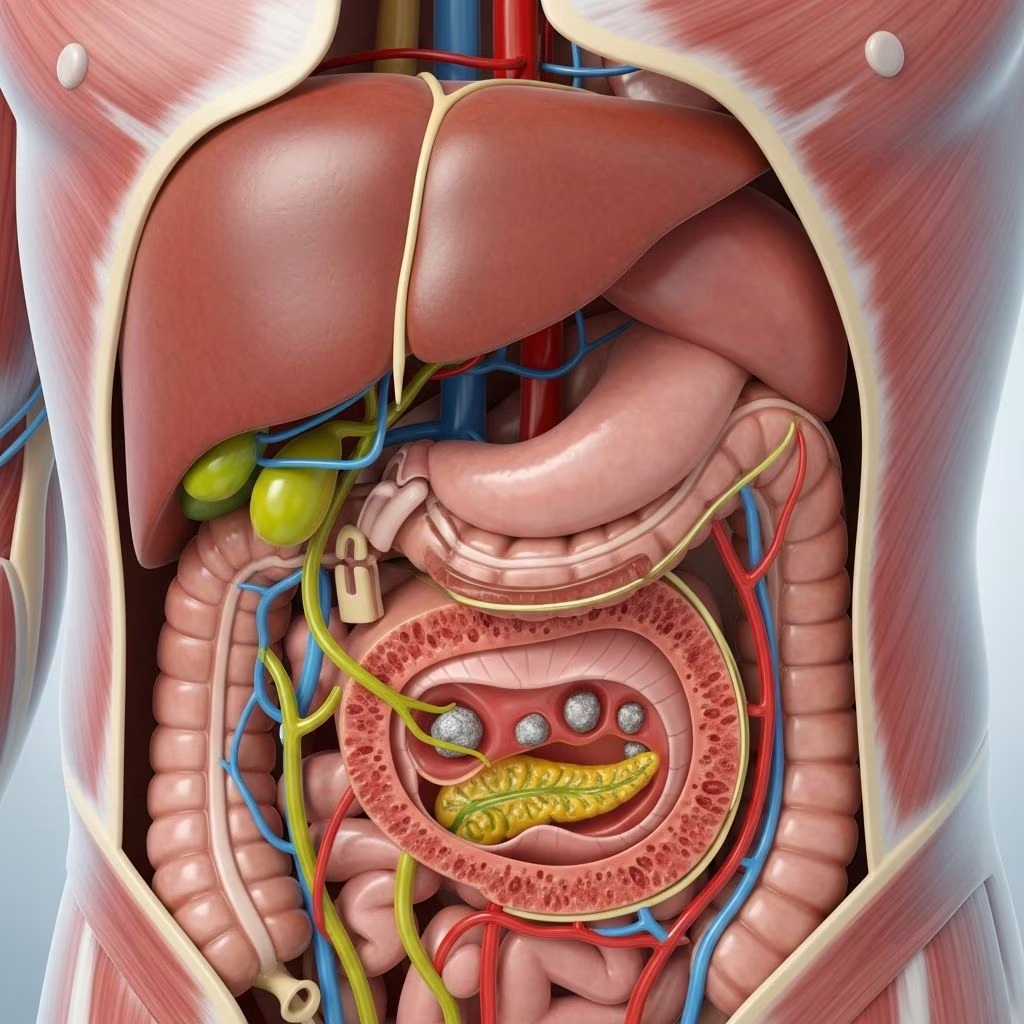
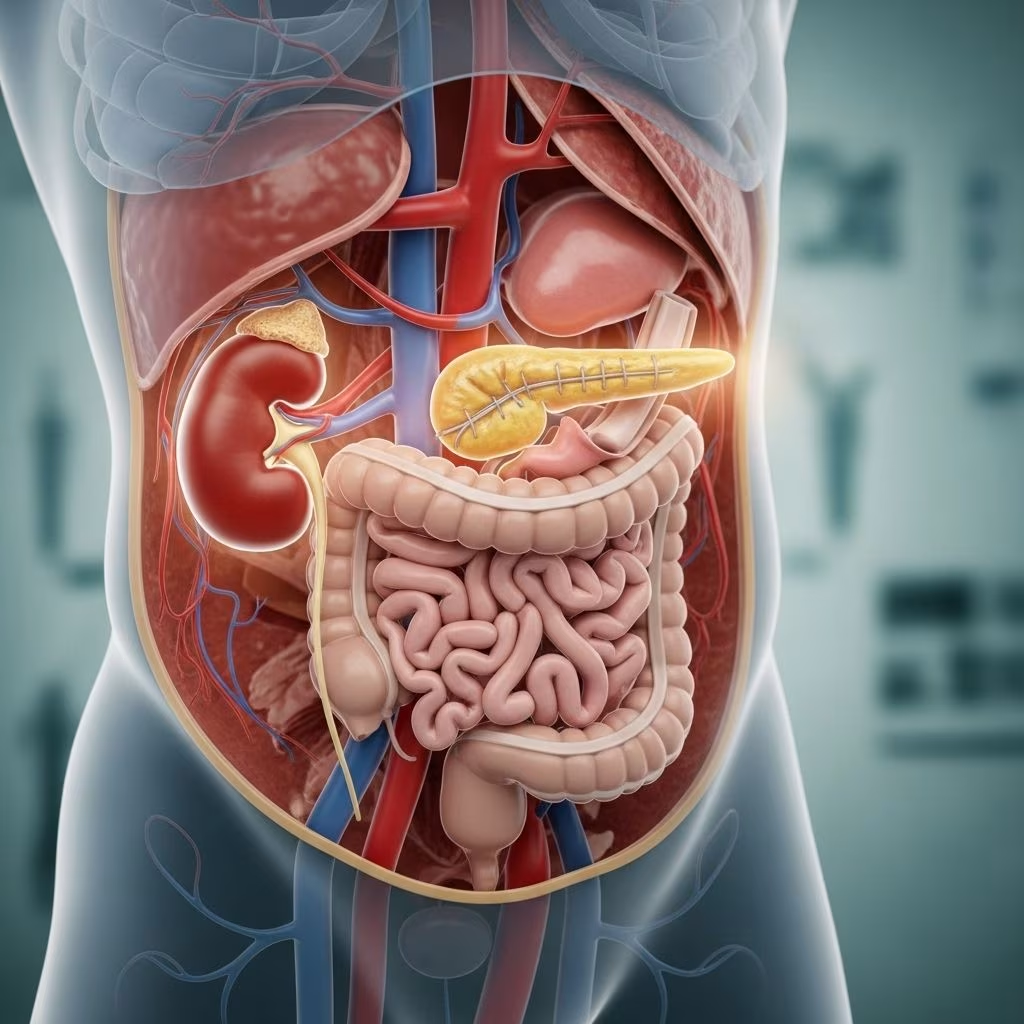
The kidneys filter waste and toxins from your blood, maintaining overall bodily function and health. The pancreas, located behind the stomach, produces essential hormones like insulin, which help regulate glucose metabolism and aid in digestion. When both organs fail, often due to diabetes, a combined transplant is considered. This approach, often referred to as a simultaneous pancreas-kidney (SPK) transplant, replaces both organs in a single surgical operation.
- Kidney transplant restores filtering function and eliminates the need for dialysis.
- Pancreas transplant can restore normal blood sugar regulation, potentially eliminating dependence on insulin injections.
Who Are Candidates for Kidney-Pancreas Transplant?
The combined transplant is most frequently recommended for:
- People with type 1 diabetes who have developed chronic kidney disease or end-stage renal failure.
- Occasionally, individuals with type 2 diabetes and severe kidney impairment may also be candidates, though this is rare.
- Most often, both organs come from a deceased donor due to the logistics and medical requirements.
- A living kidney donor may sometimes be matched, but living donor pancreas transplantation is not typically performed in SPK procedures.
Eligibility criteria may include:
- Diagnosis of type 1 diabetes requiring insulin therapy.
- Presence of end-stage kidney disease, often defined by the need for regular dialysis or severely reduced kidney function.
- Other health factors such as age, cardiovascular health, and absence of contraindications to major surgery.
- An assessment together by a multidisciplinary transplant team.
| Condition | Typical Eligibility |
|---|---|
| Type 1 Diabetes + End-stage Renal Failure | Strongly eligible for SPK transplant |
| Type 2 Diabetes + Kidney Failure | Rarely eligible |
| Chronic Kidney Disease (non-diabetic) | Usually not eligible for pancreas transplant |
| Previous Kidney Transplant | Candidates for “pancreas after kidney” transplant |
How Does the Procedure Work?
The transplant surgery involves the removal of both donor organs and their implantation into the recipient. The native kidneys and pancreas are often left in place unless specifically indicated.
- The procedure usually takes 5 to 8 hours when performed together.
- Surgeons position the kidney in the left side of the lower abdomen, and the pancreas on the right.
- Blood vessels from the donor organs are carefully attached to the recipient’s iliac vessels using advanced microvascular techniques. For the pancreas, a special “Y” graft is used to handle its dual arterial supply.
- A section of the donor’s duodenum (the upper part of the small intestine) is also transplanted with the pancreas. This segment is joined to the recipient’s intestine to allow drainage of pancreatic enzymes.
- Immunosuppressive therapy begins prior to surgery to reduce the risk of organ rejection.
Types of Transplant Approaches
- Simultaneous Pancreas-Kidney Transplant (SPK): Most common; both organs from the same deceased donor.
- Pancreas After Kidney Transplant (PAK): For those receiving a kidney transplant first and pancreas transplant later.
- Pancreas Transplant Alone: For patients with severe diabetic complications but preserved kidney function.
Recovery After a Kidney-Pancreas Transplant
Recovery process is a critical aspect of transplant success:
- Hospital stay lasts on average one to two weeks.
- Most strenuous recovery occurs in the first three months.
- Recipients must take immunosuppressive medications for life to prevent organ rejection.
- Lifelong regular follow-ups and laboratory testing monitor organ function and medication side effects.
The initial weeks often require frequent monitoring for:
- Signs of organ rejection (abdominal pain, fever, swelling)
- Infection
- Complications with wound healing
- Medication side effects
Gradually, most patients regain strength and resume normal activities. Many experience dramatic improvements in their overall health and freedom from both insulin dependence and dialysis.
Potential Risks and Complications
A kidney-pancreas transplant is a major operation with several risks:
- Organ rejection despite immunosuppressive therapy
- Infection due to suppressed immunity
- Surgical complications: bleeding, blood clots, delayed graft function
- Metabolic complications, such as imbalanced blood sugar levels
- Vascular complications connected to the grafts
- Urinary or digestive complications if the kidneys or pancreas do not function properly
| Risk | Description | Likelihood |
|---|---|---|
| Rejection | Recipient’s immune system attacks graft | Moderate; controlled by drugs |
| Infection | Due to lifelong immunosuppression | High; ongoing management required |
| Blood Clots | Can block blood flow to new organs | Low to moderate |
| Surgical Complications | Bleeding, leakage, delayed function | Low; managed with care |
Long-Term Outlook
The prognosis for kidney-pancreas transplant recipients is favorable:
- Five-year survival rate approaches 90%.
- Many patients achieve insulin independence and no longer require dialysis.
- Improved quality of life, energy levels, and freedom from glucose monitoring and renal restrictions.
- Transplant can slow the progression of vascular diseases and improve complications from diabetes, such as neuropathy and retinopathy.
Consistent follow-up care ensures continued organ function and early detection of potential complications. Advances in medical technology continue to enhance post-transplant care and outcomes.
Key Benefits of Transplant
- Restoration of normal kidney and pancreas function
- Elimination or significant reduction in insulin and dialysis dependence
- Improved vascular health and reduced progression of diabetes-related complications
Frequently Asked Questions (FAQs)
What is the difference between SPK and PAK transplants?
SPK stands for simultaneous pancreas-kidney transplant, where both organs are transplanted together from the same donor. PAK, or pancreas after kidney transplant, refers to a pancreas transplant performed after a previous kidney transplant, which may have come from a different donor.
Who cannot receive a kidney-pancreas transplant?
Candidates must meet strict health criteria. Individuals with active infections, cancer, advanced cardiovascular disease, or other serious complications may not be eligible.
What is the typical recovery timeline?
The first few weeks post-transplant are the most intensive. Most recipients spend 1–2 weeks in the hospital and 2–3 months regaining full strength. Long-term recovery involves lifelong medication and regular follow-up.
How long do transplanted organs typically last?
Many combined transplants function well for 10–20 years or longer, depending on individual health, adherence to therapy, and medical advances.
Do recipients still need insulin or dialysis after transplant?
Most recipients achieve insulin independence and discontinue dialysis, although exceptions occur if complications arise.
Are living donors used for these procedures?
Kidneys are sometimes available from living donors. However, pancreas transplantation typically relies on deceased donors due to the complexity of the procedure and organ requirements.
What are the key risks to remember?
Risks include organ rejection, infection, surgical complications, and medication side effects. These are carefully managed by specialized transplant teams.
What are the most common reasons for transplant failure?
Rejection by the immune system, infection, or vascular complications can cause failure, underlining the importance of lifelong monitoring and medication adherence.
Summary
Combined kidney and pancreas transplantation offers renewed health, independence from insulin and dialysis, and significantly improved quality of life for people facing severe diabetes and kidney failure. Eligibility requires careful medical evaluation, and the procedure involves sophisticated surgical skills and lifelong follow-up. Understanding risks, benefits, and long-term outlook is essential for prospective patients and caregivers.
References
- https://www.froedtert.com/stories/improving-quality-life-kidney-and-pancreas-transplant
- https://www.healthline.com/health/kidney-disease/kidney-pancreatic-transplant
- https://www.ncbi.nlm.nih.gov/books/NBK562338/
- https://www.healthline.com/health-news/type-1-diabetes-the-benefits-and-limitations-of-a-pancreas-transplant
- https://physicians.dukehealth.org/articles/successful-outcomes-simultaneous-pancreas-kidney-transplant
- https://www.emoryhealthcare.org/centers-programs/pancreas-transplant-program/about
- https://www.revistanefrologia.com/en-kidneypancreas-transplantation-an-excellent-articulo-S2013251423001426
- https://www.bidmc.org/centers-and-departments/transplant-institute/pancreas-transplant/who-needs-a-pancreas-transplant
- https://utswmed.org/medblog/pancreas-kidney-transplant/
- https://www.uchealth.org/services/transplant-services/kidney-and-pancreas-transplant/