Kidney Failure After Heart Surgery: Causes, Risks, Prevention, and Treatment
Heart surgery is crucial for many people with cardiac problems, but it can sometimes result in complications affecting other organs, particularly the kidneys. Kidney failure—more specifically, acute kidney injury (AKI)—is one of the most common and serious complications after cardiovascular surgery. This article explores the causes of kidney failure after heart surgery, identifies risk factors, describes symptoms and diagnostic methods, discusses prevention and treatment strategies, and provides answers to frequently asked questions.
What Is Kidney Failure After Heart Surgery?
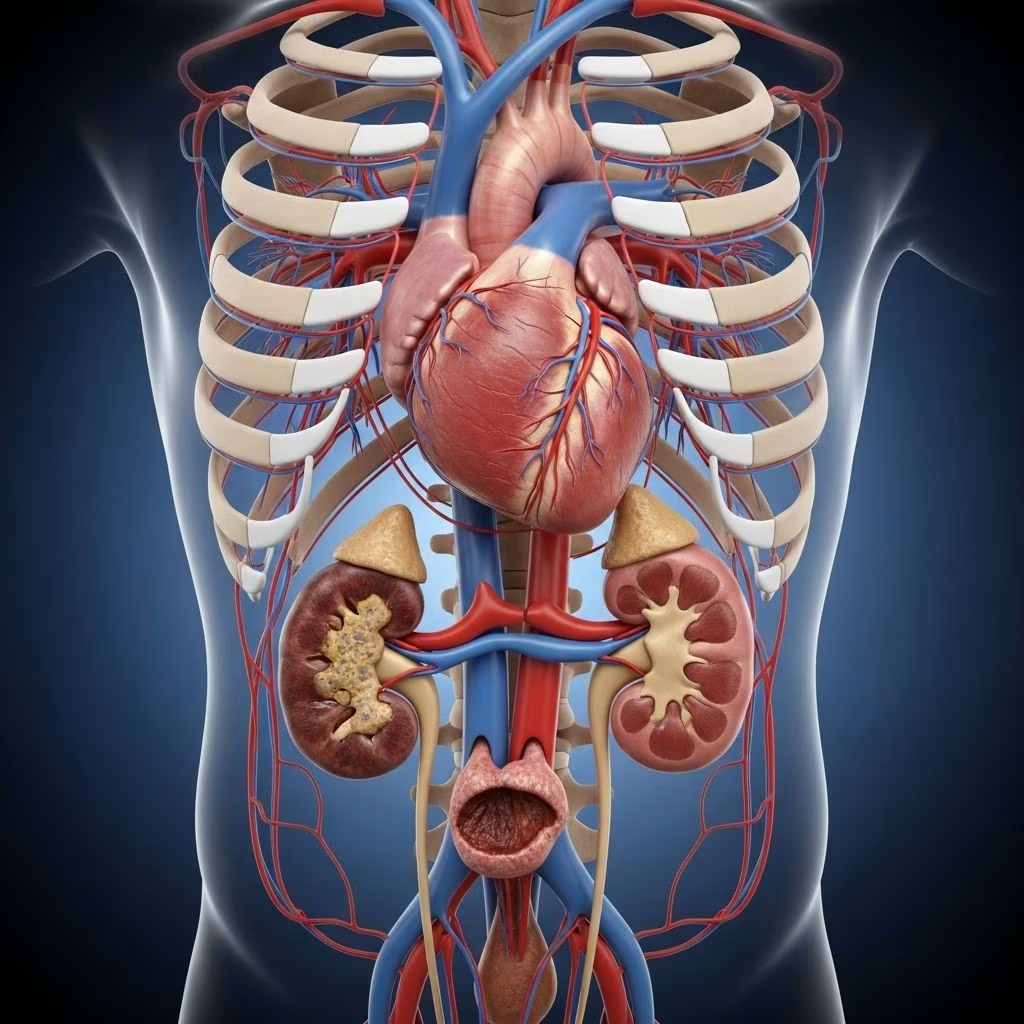
Kidney failure after heart surgery refers to a sudden loss of the kidneys’ ability to filter waste and excess fluids from the blood following procedures such as coronary artery bypass grafting (CABG), valve repair, or other cardiac interventions. Most often, this manifests as acute kidney injury (AKI), which ranges in severity from mild impairment that resolves with treatment to severe dysfunction that may require dialysis or could become chronic kidney disease (CKD).
- AKI occurs in 5% to 42% of heart surgery cases, depending on criteria and population factors.
- About one-third of cardiac surgery patients requiring a heart-lung machine experience AKI, with up to 6% needing dialysis.
- Heart-lung machines are often used during cardiac surgery, temporarily taking on the job of the heart and lungs and increasing the risk of renal complications.
Why Does Kidney Failure Occur After Heart Surgery?
Several mechanisms contribute to kidney injury during cardiac surgery:
- Low Oxygen Supply: Heart-lung machines can reduce blood flow and oxygen delivery to the kidneys, causing tissue inflammation, cell death, and scarring. Ongoing oxygen deprivation after surgery prolongs kidney damage.
- Inflammatory Response: The procedure triggers systemic inflammation due to tissue injury, circulating toxins, and the effects of artificial circuits.
- Direct Cellular Injury: Ischemia (lack of blood/oxygen) followed by reperfusion (restoration of blood) can damage kidney cells.
- Other Factors: Medications, pre-existing renal disease, low blood pressure, bleeding, and infections can worsen kidney stress.
Risk Factors for Kidney Failure After Heart Surgery
Certain patients are at higher risk for developing kidney problems after cardiac surgery. The most recognized risk factors include:
- Age: Older adults are more susceptible to AKI due to decreased renal reserve.
- Pre-existing kidney disease: Patients with chronic kidney disease (CKD) have higher postoperative mortality and risk for further dysfunction.
- Diabetes: Diabetic patients have a greater likelihood of complications due to microvascular changes.
- Hypertension: Chronic high blood pressure damages blood vessels in the kidneys, reducing their resilience.
- Peripheral vascular disease: Impaired circulation increases susceptibility to ischemic injury.
- Left ventricular dysfunction: Poor heart pumping limits kidney perfusion.
- Complex or lengthy surgeries: Greater surgical time and complexity raise risk.
- Low blood pressure during/after surgery: Hypotension decreases kidney perfusion.
- Use of certain medications: Nephrotoxic drugs, contrast agents, and some antibiotics can increase risk.
Symptoms and Signs of Kidney Failure After Heart Surgery
If kidney function declines postoperatively, symptoms may develop rapidly and include:
- Reduced urine output (oliguria or anuria)
- Fluid retention: Swelling in legs, ankles, or face
- Nausea and vomiting
- Shortness of breath: Fluid accumulation in lungs
- Fatigue, confusion, or brain fog
- Irregular heartbeat: Elevated potassium levels may affect heart rhythm
- Chest pain: Associated with pericarditis (fluid around heart)
- High blood pressure: Worsening hypertension due to fluid overload
It is important to note that symptoms may not appear until kidney function declines significantly, so close monitoring and testing are advised after heart surgery.
Diagnosis: How Is Kidney Failure Detected After Heart Surgery?
Diagnosis of AKI or kidney failure after heart surgery involves a combination of clinical assessment and laboratory tests. The following approaches are commonly used:
- Blood tests: Increase in creatinine and blood urea nitrogen (BUN) are indicators of impaired kidney function.
- Urine output measurement: Monitoring hourly and daily urine volume helps detect problems early.
- Estimated GFR: Calculation based on creatinine and patient factors provides a more accurate assessment of renal filtration capacity.
- Urinalysis: Looks for protein, blood, or abnormal cells in urine.
- Imaging: Ultrasound may evaluate kidney size, structure, or detect obstructions or other causes.
| Test Name | Purpose |
|---|---|
| Serum Creatinine | Measures kidney filtration |
| BUN (Blood Urea Nitrogen) | Indicates nitrogen waste buildup |
| Urine Output | Shows acute changes in function |
| eGFR | Standardizes filtration assessment |
| Urinalysis | Detects abnormalities |
| Ultrasound | Visualizes anatomical issues |
Potential Long-Term Effects of Kidney Injury After Heart Surgery
Even mild or transient AKI after cardiac surgery may evolve into chronic kidney disease (CKD). This progression can seriously impact quality and expectancy of life. Key concerns include:
- Chronic kidney disease: Persistent loss of kidney function over months or years, sometimes requiring ongoing monitoring or dialysis.
- End-stage renal disease (ESRD): The most advanced stage, requiring permanent dialysis or transplantation.
- Higher risk of cardiovascular events: Patients with CKD are more susceptible to heart attacks, stroke, and death.
Stage and progression depend on the initial injury, patient profile, and management.
Prevention: Strategies to Lower the Risk of Kidney Failure After Heart Surgery
Although not all kidney injuries after heart surgery can be prevented, risk can be reduced by careful preoperative planning and perioperative care:
- Pre-surgical assessment: Evaluate baseline kidney function and risk factors.
- Optimize hydration: Maintaining adequate blood volume may protect kidneys during surgery.
- Minimize nephrotoxic drugs: Carefully select medications and avoid contrast agents if possible.
- Close postoperative monitoring: Regular checks for urine output, blood labs, and hemodynamic status.
- Blood pressure and perfusion management: Avoid prolonged hypotension during and after surgery.
- Treat underlying conditions: Diabetes, hypertension, and heart failure management lower AKI risk.
- Early intervention: Rapid response when kidney injury is suspected can limit severity and duration.
Treatment Options for Kidney Failure After Heart Surgery
Treatment of AKI or renal failure after cardiac surgery depends on severity:
- Mild cases: Fluid and electrolyte management, adjusting medications, and supportive care may restore function.
- Severe cases: May require renal replacement therapy (dialysis), particularly if waste products, fluids, or electrolytes become dangerously abnormal.
- Continuous renal replacement therapies (CRRT): Slowly filter blood and manage fluids in critically ill patients.
- Treating underlying causes: Address infections, bleeding, or heart function issues contributing to kidney decline.
- Preventing complications: Manage fluid overload, electrolyte disturbances, and reduce risk of further organ damage.
Recovery depends on overall health, promptness of care, severity of injury, and whether complications develop.
Outcomes and Prognosis
Acute kidney injury after cardiac surgery is associated with:
- Increased short-term mortality: AKI can raise risk of death up to 8-fold during hospitalization.
- Prolonged ICU/hospital stay: Patients with renal complications often need intensive monitoring and care.
- Long-term higher mortality: Even after recovery, risk of heart-related and overall death is elevated, particularly for those with moderate to severe AKI or pre-existing CKD.
- Transition to chronic kidney disease: Ongoing renal dysfunction post-surgery may require long-term nephrology follow-up.
Early detection and management are crucial for improving outcomes.
Frequently Asked Questions (FAQs)
Q: Which heart surgeries most commonly cause kidney failure?
A: Procedures involving the heart-lung machine, such as coronary artery bypass grafting and valve replacement, are linked to higher risk, though any major cardiac surgery could be involved.
Q: Does mild acute kidney injury always become chronic kidney disease?
A: Not always. While even mild AKI increases risk, prompt management and recovery may restore normal function. However, continued monitoring is needed as progression to CKD is possible.
Q: Who is most likely to develop kidney complications after heart surgery?
A: Adults with advanced age, pre-existing kidney disease, diabetes, high blood pressure, or vascular disease face the highest risk.
Q: Can kidney failure after heart surgery be prevented?
A: While not all cases can be avoided, risk can be reduced with good perioperative care, risk factor modification, and rapid intervention at the first sign of kidney distress.
Q: What are long-term consequences for survivors?
A: Survivors of postoperative AKI or renal failure are more prone to chronic kidney disease, future cardiac events, and overall higher risk of mortality. Ongoing follow-up and kidney care are crucial.
Summary: Key Points to Remember
- Kidney failure after heart surgery is one of the most common and severe complications, especially with use of heart-lung machines.
- Risk factors include age, existing kidney disease, diabetes, hypertension, and other vascular problems.
- Early detection and intervention are essential for preventing long-term damage and complications.
- Preoperative risk evaluation, optimized perioperative management, and post-surgical monitoring remain vital steps in reducing incidence and severity of AKI after cardiac procedures.
References
- https://florey.edu.au/news/2025/04/understanding-why-the-kidneys-are-injured-after-cardiac-surgery/
- https://pmc.ncbi.nlm.nih.gov/articles/PMC3487575/
- https://pmc.ncbi.nlm.nih.gov/articles/PMC8305357/
- https://www.ccjm.org/content/85/7/559
- https://www.healthline.com/health/acute-kidney-failure
- https://www.medicalnewstoday.com/articles/172179
- https://consultqd.clevelandclinic.org/models-using-basic-blood-tests-predict-acute-kidney-injury-after-cardiac-surgery
- https://www.healthline.com/health/video/ckd-stages