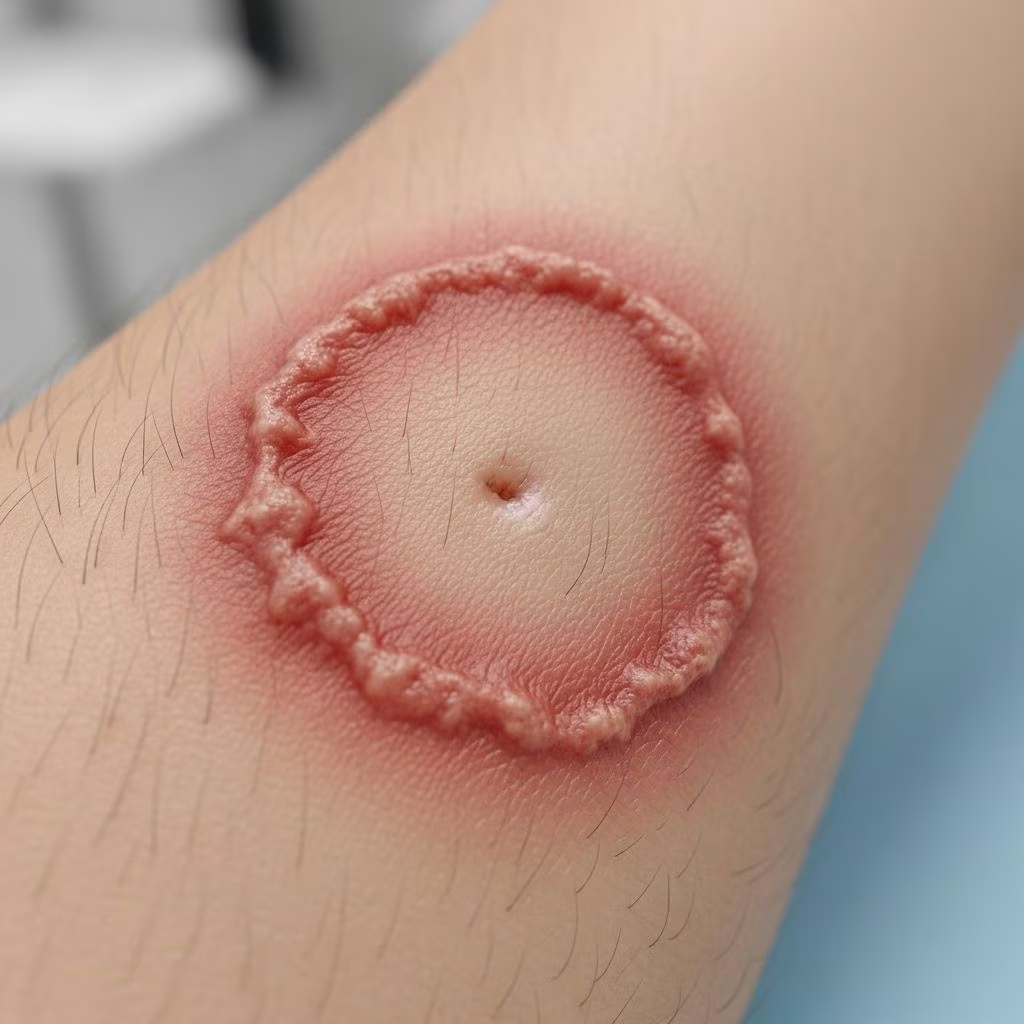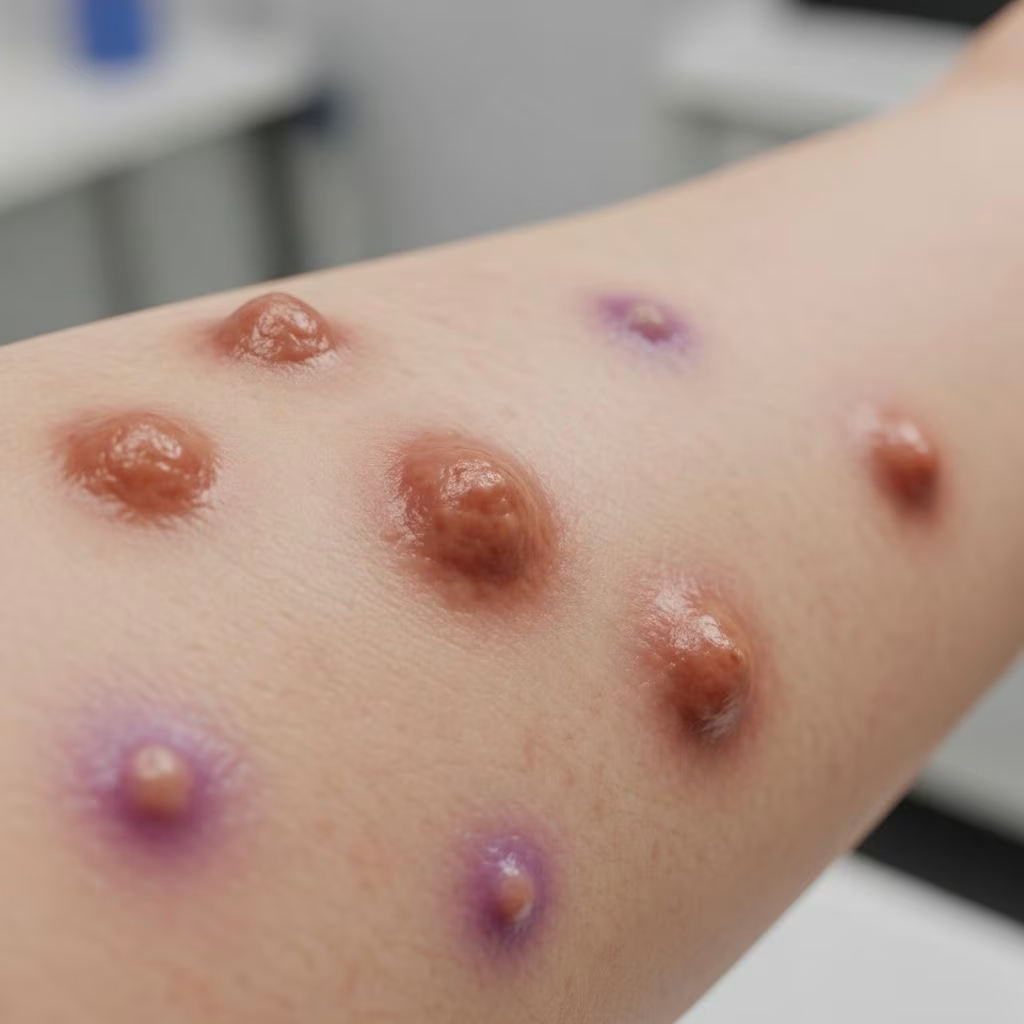
Leukemia cutis is a rare but notable skin complication that arises when leukemia cells enter the skin, producing lesions and discolored patches. While uncommon, this condition may be the first visible sign of leukemia for some people and often signals a more advanced stage of the disease. This article delves into what leukemia cutis is, how it forms, its symptoms, diagnosis, treatment, and prognosis, along with answers to common questions.
What Is Leukemia Cutis?
Leukemia cutis refers to the direct infiltration of malignant leukocytes (white blood cells) or their precursors into the skin, resulting in clinically identifiable cutaneous lesions. The term “cutis” itself means skin or dermis. Unlike most forms of leukemia, which primarily affect the blood and bone marrow, leukemia cutis signals that abnormal white blood cells have moved beyond the vascular system and have formed clusters in layers of the skin.
This rare entity is seen in roughly 3% of leukemia patients and can affect adults and children alike. Its presence often suggests that leukemia is at an advanced stage and may have spread to other organs.
Key Points About Leukemia Cutis
- Infiltration of leukemia cells into the skin tissue.
- Lesions are often the first sign of leukemia in rare cases.
- May indicate advanced leukemia or involvement of other organs.
- Requires differentiation from other common leukemia-related skin changes.
How Does Leukemia Cutis Differ from Other Leukemia-Related Skin Changes?
Skin issues in people with leukemia can arise for several reasons besides cutaneous infiltration by leukemic cells. These include:
- Petechiae: Tiny, red or purple dots due to bleeding under the skin from low platelet counts.
- Acute myelogenous leukemia (AML) rash: Non-specific rashes related to low immunity or infection.
- Bruising: Due to fragile blood vessels from platelet deficiency.
- Chloroma (granulocytic sarcoma): Tumor-like masses composed of myeloid leukemia cells in tissues.
Unlike leukemia cutis, these conditions do not result from direct skin invasion by leukemic cells. Diagnosing leukemia cutis is crucial for effective treatment and prognosis.
Symptoms: Recognizing Leukemia Cutis
Leukemia cutis can present a highly variable picture, sometimes mimicking other skin disorders. Some individuals may develop lesions before a leukemia diagnosis, but for most, these appear later in the disease course.
Common Symptom Characteristics
- Patches, nodules, or papules on the skin, often solid or rubbery to touch
- Colors ranging from red, brown, yellow, gray, blue, or purple (more common in children)
- Lesions may be painless, though some can be itchy or tender
- Lesions can appear anywhere but are common on the trunk, extremities, and sometimes face or scalp
- Multiple lesions or patches are possible
Appearance Table: Typical Skin Manifestations
| Type of Lesion | Appearance | Location | Frequency |
|---|---|---|---|
| Papules/Nodules | Firm, raised, erythematous to violaceous | Trunk, limbs, face | Most common (up to 60%) |
| Plaques | Flat, raised, discolored patches | Anywhere | Common |
| Ulcers | Open sores, sometimes painful | Localized or scattered | Less common |
| Generalized Eruptions | Widespread red or purplish rash | Widespread | Rare |
Other Symptoms
- Sometimes lesions are asymptomatic (no physical discomfort)
- They could become purpuric (bleeding into the skin) in those with low platelets
- Unusual presentation may resemble psoriasis, ulcers, or dermatitis
- May appear at sites of previous injury, surgery, or infection
Causes and Risk Factors
The underlying cause of leukemia cutis is the spread and infiltration of leukemic cells from the bloodstream into the skin. However, the specific mechanisms behind this infiltration are not fully established. Research highlights the possible role of:
- Chemokine receptors and adhesion molecules (which guide cells to migrate into the skin)
- Genetic factors associated with certain leukemia types
- Advanced or aggressive forms of leukemia
- Immune system dysfunction due to leukemia
Who Is Most at Risk?
- Leukemia cutis can occur with any leukemia type but is most frequently seen in:
- Acute Myeloid Leukemia (AML)
- Chronic Lymphocytic Leukemia (CLL)
- Chronic Myeloid Leukemia (CML)
- Acute Lymphoblastic Leukemia (ALL)
- Prolymphocytic Leukemia
- Occurs more frequently in adults, but children can also be affected.
- May be more common in relapsed or refractory cases, when leukemia returns or does not respond to treatment.
Leukemia Cutis vs. Aleukemic Leukemia Cutis
In rare instances, leukemic skin lesions may present before evidence of leukemia is found in the blood or bone marrow—this is called aleukemic leukemia cutis.
Diagnosis: How Is Leukemia Cutis Identified?
Leukemia cutis can be difficult to distinguish from other skin problems. An accurate and timely diagnosis is vital, as its presence affects treatment planning and prognosis.
Diagnostic Approach
- Clinical Examination: Skin lesions assessed for size, distribution, color, and morphology.
- Skin Biopsy: Definitive diagnosis relies on a skin biopsy, where a sample is examined under a microscope to confirm infiltration of leukemic cells.
- Immunophenotyping: Specialized tests using antibodies to identify cell surface markers, helping differentiate leukemic cells from other causes.
- Blood Tests and Bone Marrow Biopsy: Support the diagnosis of systemic leukemia.
Special care is needed to rule out infections, drug reactions, or other causes of similar lesions, ensuring leukemia cutis is not mistaken for unrelated skin diseases.
Treatment Options for Leukemia Cutis
Treatment for leukemia cutis targets both the underlying leukemia and localized skin involvement. Management generally involves therapies for systemic leukemia, but specific options may depend on the leukemia type, severity, and patient’s overall health.
Main Treatment Strategies
- Systemic Chemotherapy: Often the first-line treatment. Medications to eradicate leukemia cells throughout the body are critical to controlling the disease and resolving skin lesions. This may involve induction chemotherapy (initial, high-dose phase).
- Stem Cell or Bone Marrow Transplant: Used for certain leukemia types or when chemotherapy is insufficient. Offers the best chance for sustained remission in eligible patients.
- Radiation Therapy: Localized skin radiation may be used to shrink or eradicate persistent, painful, or widespread lesions, especially for palliative purposes or if other treatments are not effective.
- Topical Therapies: Steroid creams or lidocaine may be used to relieve localized symptoms (itching, discomfort), though they do not treat the underlying leukemia.
- Antimicrobials: Antibiotic or antiviral medicines can be prescribed to prevent or treat skin infections, particularly if the skin barrier is compromised.
- Surgical Options: Rarely, surgery may be considered for easily accessible and bothersome solitary lesions.
Emerging and Experimental Treatments
- New chemotherapeutic agents: Drugs such as Annamycin, used for treating AML that is resistant to other treatments, show promise in some patients. Clinical trials continue to evaluate their safety and efficacy.
- Targeted therapies and immunotherapies are in research.
Prognosis and Outlook
The development of leukemia cutis generally indicates aggressive or advanced disease. Historically, its presence has been associated with a poorer prognosis, especially for patients with relapsed or refractory leukemia.
Statistics and Outcomes
- A study found a five-year survival rate of 8.6% among AML patients with leukemia cutis, compared to 28.3% among those with AML but no skin involvement.
- Outcomes can vary based on age, leukemia subtype, response to treatment, and overall health.
- Early detection and management of systemic leukemia are crucial for improving outcomes.
New treatments and clinical trials offer hope for better outcomes in the future, with some patients experiencing remission even after skin involvement.
Living with Leukemia Cutis
Receiving a diagnosis of leukemia cutis can be distressing. Besides working closely with oncology teams on disease management, it is important to focus on:
- Protecting skin from trauma, infection, and sunlight.
- Practicing good personal hygiene to minimize infection risk.
- Communicating any new or worsening skin symptoms to healthcare providers promptly.
- Seeking support from counselors or peer groups for emotional wellness.
Frequently Asked Questions (FAQs)
What are the early signs of leukemia cutis?
Early signs often include patches, nodules, or papules of various colors (red, brown, gray, purple) that may be slightly raised, firm, and sometimes painless. Skin lesions may appear anywhere but are commonly seen on the torso, arms, or legs.
Can leukemia cutis be the first symptom of leukemia?
Although uncommon, in rare cases leukemia cutis may be the first manifestation of undiagnosed leukemia. Most often, though, it develops later as the leukemia progresses.
Is leukemia cutis contagious?
No, leukemia cutis is not contagious. It results from the infiltration of cancer cells into the skin and cannot be spread to others.
Does leukemia cutis always mean advanced cancer?
While it often occurs in advanced stages, leukemia cutis may occasionally present early, particularly in aleukemic forms, but typically it signals a more serious or aggressive progression.
What should someone do if they notice new skin changes while having leukemia?
Any new, persistent, or unusual skin lesion in a person with leukemia warrants immediate medical attention. Timely diagnosis and tailored management are important for improving outcomes.
When to See a Doctor
If you have been diagnosed with leukemia or are undergoing treatment, promptly report any new, persistent, or unusual skin lesions, especially if they change in color, size, or are accompanied by other symptoms such as fever, pain, or signs of infection.
Summary and Takeaways
- Leukemia cutis is a rare but significant complication in leukemia, marked by the infiltration of cancerous white blood cells into the skin.
- Symptoms vary and may resemble other skin conditions, making diagnosis challenging.
- Treatment focuses on systemic control of leukemia, with additional supportive or localized therapies as needed.
- Its presence often signals a more advanced or aggressive stage of leukemia, and may impact prognosis.
- Ongoing research and new therapies offer hope for improved outcomes in those affected by leukemia cutis.
Regular monitoring, prompt medical attention for skin changes, and comprehensive care remain vital for individuals living with leukemia and its rare complications like leukemia cutis.
References
- https://www.healthline.com/health/leukemia/leukemia-cutis
- https://pmc.ncbi.nlm.nih.gov/articles/PMC10670312/
- https://en.wikipedia.org/wiki/Leukemia_cutis
- https://www.myleukemiateam.com/resources/leukemia-cutis-an-overview
- https://resources.healthgrades.com/right-care/leukemia/leukemia-cutis
- https://www.ncbi.nlm.nih.gov/books/NBK541136/
- https://dermnetnz.org/topics/leukaemia-cutis
- https://www.leukaemiacare.org.uk/support-and-information/latest-from-leukaemia-care/blog/leukaemia-cutis/