If you have recently suffered a heart attack or have been diagnosed with a weakened heart, your healthcare provider may have discussed the use of a wearable defibrillator—a device often referred to as a life vest. This technology offers temporary yet continuous protection against the risk of sudden cardiac arrest (SCA), especially for high-risk individuals. Understanding how these vests work, who benefits, and what to expect from living with such a device can help empower patients and their loved ones to make informed decisions about post-heart attack care.
What Is a Life Vest for Heart Attack?
A life vest—properly called a wearable cardioverter defibrillator (WCD)—is a non-invasive, external device designed to monitor your heart rhythm around the clock and deliver life-saving shocks if a dangerous heart rhythm (such as ventricular fibrillation or ventricular tachycardia) is detected. The most widely used product is the LifeVest by Zoll, which received FDA approval in 2001 and is often prescribed for short-term protection before a permanent implantable defibrillator decision is made.
Unlike implantable cardioverter defibrillators (ICDs), which are surgically placed beneath the skin, a life vest is worn externally and can be removed for bathing or as directed by your healthcare provider. Its primary aim is to provide immediate intervention for SCA in people who are at increased risk but may not yet qualify for, or be able to tolerate, a permanent ICD.
How Does a Life Vest Work?
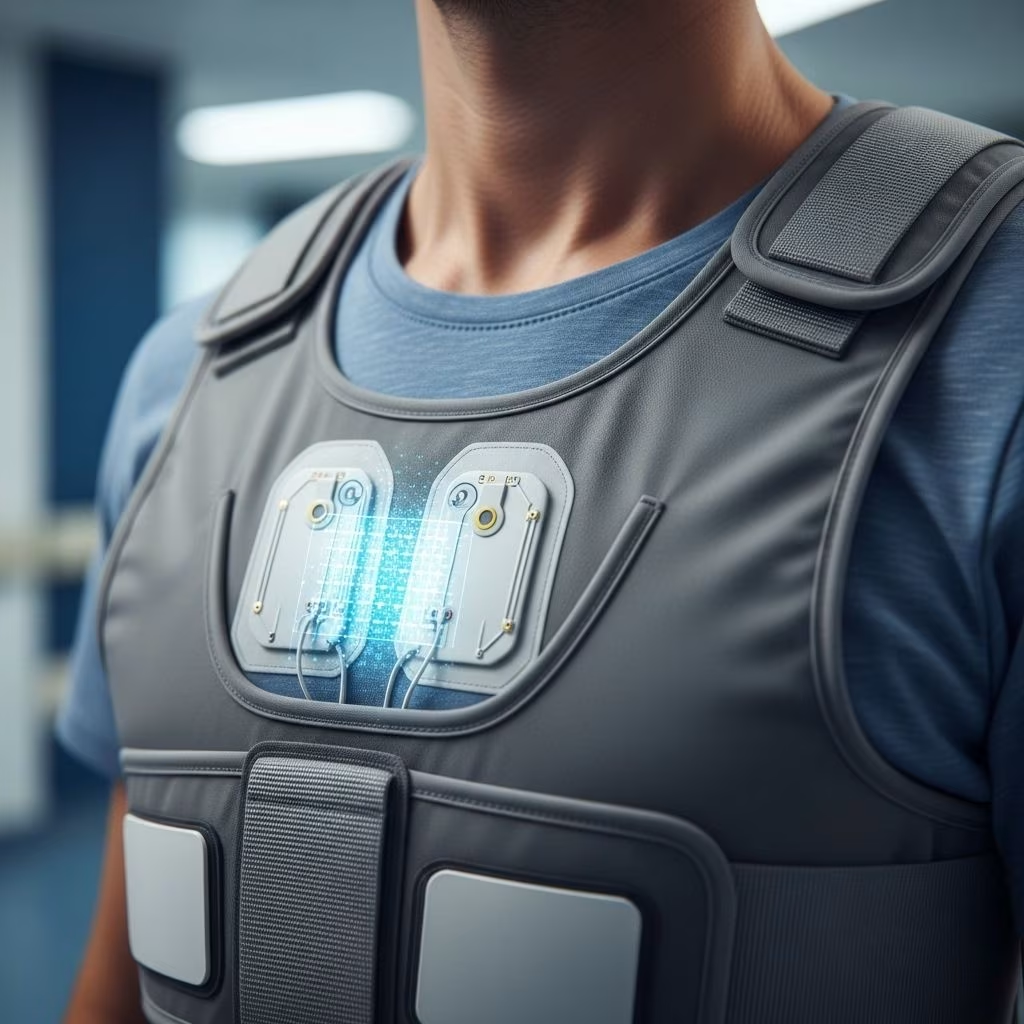
The life vest continuously monitors your heart’s electrical activity using sensors embedded in the garment. If a life-threatening abnormal rhythm is detected, the device initiates a series of alarms to alert you and those nearby. If you are conscious, you can press response buttons to delay or stop the shock in case of a false alarm. If you do not respond, the device warns bystanders to stand clear and then delivers a controlled electric shock directly through therapy pads integrated into the vest.
- Continuous monitoring: The system records your heart’s electrical signals 24/7, even while you sleep.
- Alarms and intervention: On detecting a dangerous rhythm, the vest alerts you with alarms, giving you less than a minute to respond if conscious.
- Automatic shock delivery: If you do not respond (are unconscious), the life vest delivers a therapeutic shock to help restore normal rhythm.
- Autonomous operation: The device does not require a bystander’s intervention, contrasting with traditional AEDs that need someone present to initiate the shock.
The typical time from arrhythmia detection to shock delivery is about one minute. The entire process is automatic, offering protection even during sleep or when you’re alone.
Components of a Life Vest
A standard wearable defibrillator system consists of several interconnected parts, all critical for its function:
- Garment: A lightweight, adjustable vest worn directly against the skin, often under regular clothing. It holds the rest of the system in position.
- Electrode Belt:
- ECG Electrodes: Continuously monitor heart electrical activity.
- Therapy Pads: Positioned to deliver an electric shock when needed.
- Vibration Box: Notifies the wearer of an impending shock.
- Cable and Connector: Integrates the electronics and ensures reliable function.
- Monitor/Controller: A small device often worn at waist level, housing the battery and user interface for data storage, alarms, and event reporting.
Who Needs a Life Vest?
Not every person who has had a heart attack requires a wearable defibrillator. Life vests are typically prescribed to individuals with a significant risk of sudden cardiac arrest, especially if:
- You have recently suffered a heart attack and your heart’s pumping ability (ejection fraction) is low (typically ≤35%).
- You are diagnosed with new or worsening heart failure.
- You have a history of lethal heart rhythm disturbances but are awaiting further evaluation or treatment.
- You are not immediately eligible for a permanent ICD, often due to recent heart damage or temporary medical contraindications.
- Your physician recommends a period of observation before deciding on long-term device placement.
The decision to prescribe a life vest is highly individualized and based on your specific risk profile, clinical history, and the likelihood of heart recovery over the coming weeks or months.
How Does Wearing a Life Vest Feel? (Patient Experience)
Most people find that wearing a life vest is straightforward, but it does require a commitment to daily use. Here’s what patients can expect:
- Wearing the device: The vest is worn under clothes and must be worn at all times, except during activities like bathing (unless otherwise instructed).
- Daily routine: Most regular activities—including walking, sitting, and sleeping—can be performed while wearing the device.
- Alarms and shocks: While alarms may seem unsettling at first, they are vital for warning users and bystanders before any shock is delivered.
- Battery management: Batteries must be changed daily and charged separately; patients are typically provided with backup batteries.
- Discrete design: The garment is designed to be as discrete as possible and fits under most clothing.
Some users may notice skin irritation or mild discomfort due to prolonged contact, especially in warm or humid weather. Good skin care and regular maintenance help minimize these issues.
How Long Do People Wear Life Vests?
The duration for which a life vest is worn varies. Most patients use the device for several weeks to a few months, typically until their heart function improves or until a permanent therapy decision (such as ICD implantation) can be made. Rarely, patients may require a life vest for longer periods, depending on their recovery and ongoing risk.
Who Should Not Use a Life Vest?
- Individuals who cannot consistently wear the device as prescribed (because of cognitive, physical, or practical challenges).
- People with severe skin conditions or allergies that are exacerbated by prolonged contact with the garment materials.
- Patients instructed otherwise by their healthcare provider due to specific medical reasons.
It is also important to note that the device is not designed to treat all heart conditions, and it cannot guarantee prevention of every possible cardiac event.
Pros and Cons of a Life Vest
| Pros | Cons |
|---|---|
|
|
How Effective Are Life Vests?
Clinical studies have shown high success rates for wearable defibrillators. According to recent research, the LifeVest had a 99% success rate in treating ventricular tachycardia/ventricular fibrillation events. In most cases, only one shock was needed to restore a normal heartbeat. The rapid detection and intervention capabilities of wearable defibrillators make them a critical tool in protecting high-risk individuals during vulnerable periods following heart injury or attack.
Comparison: Life Vest vs. Implantable ICD vs. AED
| Device | How It’s Used | Who Operates It | Surgical Implantation | Continuous Protection |
|---|---|---|---|---|
| Life Vest (WCD) | Worn externally under clothing | Automated by device itself | No | Yes (when worn) |
| Implantable ICD | Implanted surgically under the skin | Automated by device itself | Yes | Yes |
| Automated External Defibrillator (AED) | Applied externally in emergencies | Bystander or emergency responder | No | No (requires witness) |
Daily Living and Care Tips for Life Vest Users
- Follow your provider’s instructions: Proper fit and consistent use are essential. Ask questions if you are unsure about when or how to wear your life vest.
- Maintain device hygiene: Clean the garment regularly as directed. Check skin daily for irritation.
- Charge batteries daily: Keep at least one charged spare battery on hand at all times.
- Prepare for emergencies: Teach close contacts how to recognize alarms and avoid touching you during a shock.
- Keep track of symptoms: Record any symptoms, shocks, or device alerts and report them promptly to your care team.
Alternatives to a Life Vest
- Implantable Cardioverter Defibrillator (ICD): A permanent device surgically placed under the skin, offering long-term protection for those with ongoing high risk.
- Hospital monitoring: Prolonged hospital stays may be recommended for certain patients who require continuous observation in controlled settings.
- No device: For some, risk may be managed with lifestyle, medication, and regular follow-up rather than a device.
Your healthcare provider will consider your overall health, preferences, and medical profile to recommend the most appropriate option for your needs.
Frequently Asked Questions (FAQs)
Q: What do I do if the life vest alarm sounds?
If the alarm goes off, stay calm. If you are conscious and believe it is a false alarm, you can press the response buttons to stop the shock. If you feel unwell, sit or lie down and prepare for the shock to be delivered. Make sure others do not touch you after the warning alarm.
Q: Can I remove the vest to shower or bathe?
You will need to remove the device before showering, bathing, or swimming. The manufacturer and your healthcare team will give specific instructions about when the device can be safely removed and how to replace it afterward.
Q: Does the shock hurt?
If you are unconscious at the time of shock, you will not feel pain. If you are awake, you may feel startled or experience discomfort, but this is brief and is life-saving treatment in a critical situation.
Q: Is it safe to sleep while wearing the life vest?
Yes, the device is designed to be worn even while sleeping and is effective in delivering a shock regardless of your activity when a dangerous rhythm is detected.
Q: Is a life vest a permanent device?
No, wearable defibrillators are always intended for short-term use while your risk is being assessed or you are awaiting a possible permanent solution like an ICD.
Q: Will life vests interfere with my daily activities?
Most daily activities can continue as normal, but some activities (such as swimming, contact sports, or other high-intensity movements) may need to be modified. Your care team will provide personalized recommendations.
When to Seek Medical Advice
- If you experience a shock from the device, call your healthcare provider right away, even if you feel fine afterward.
- If you experience multiple device alarms, repeated shocks, or ongoing symptoms (such as chest pain, breathlessness, or fainting), seek emergency medical attention.
- If you have concerns about your skin, device fit, or function, contact your provider promptly.
Takeaway: Protecting Your Heart After a Heart Attack
Sudden cardiac arrest is a leading cause of death among individuals with recent heart injury or severely weakened heart muscle. Wearable defibrillators offer an important bridge of protection, helping patients remain safe and confident during early recovery or while awaiting long-term solutions. If you’re at risk or have been advised to use a life vest, discuss your questions and concerns with your healthcare provider to ensure optimal, personalized care.
References
- https://www.riversideonline.com/en/about/newscenter/heart-and-vascular/lifevest-can-be-a-lifesaver-for-patients-with-heart-trouble
- https://www.medicalnewstoday.com/articles/lifevest-heart-failure
- https://my.clevelandclinic.org/health/treatments/17173-lifevest
- https://www.va.gov/files/2021-11/LifeVestPatientEducationBooklet508.pdf
- https://www.healthline.com/health/heart-attack/life-vest-for-heart-attack
- https://www.healthline.com/health-news/weighted-vest-training-weight-loss-fitness-trend
- https://pmc.ncbi.nlm.nih.gov/articles/PMC8126431/
- https://cardiac.zoll.com/patients/lifevest
- https://cardiac.zoll.com/patients/lifevest/what-is-sudden-cardiac-death
- https://www.youtube.com/watch?v=r1S7GO89T3U