Low Testosterone and Brain Fog: Understanding the Connection
Testosterone is widely recognized as a key sex hormone in men, playing a central role in sexual desire, muscle growth, and overall vitality. Recent research, however, is illuminating its influence far beyond the bedroom—including its role in brain health, cognition, and mental clarity. This article explores whether low testosterone might be causing brain fog or memory problems, the science behind hormonal effects on the brain, symptoms and risk factors, therapy options, and frequently asked questions.
Testosterone in the Brain: How Does It Work?
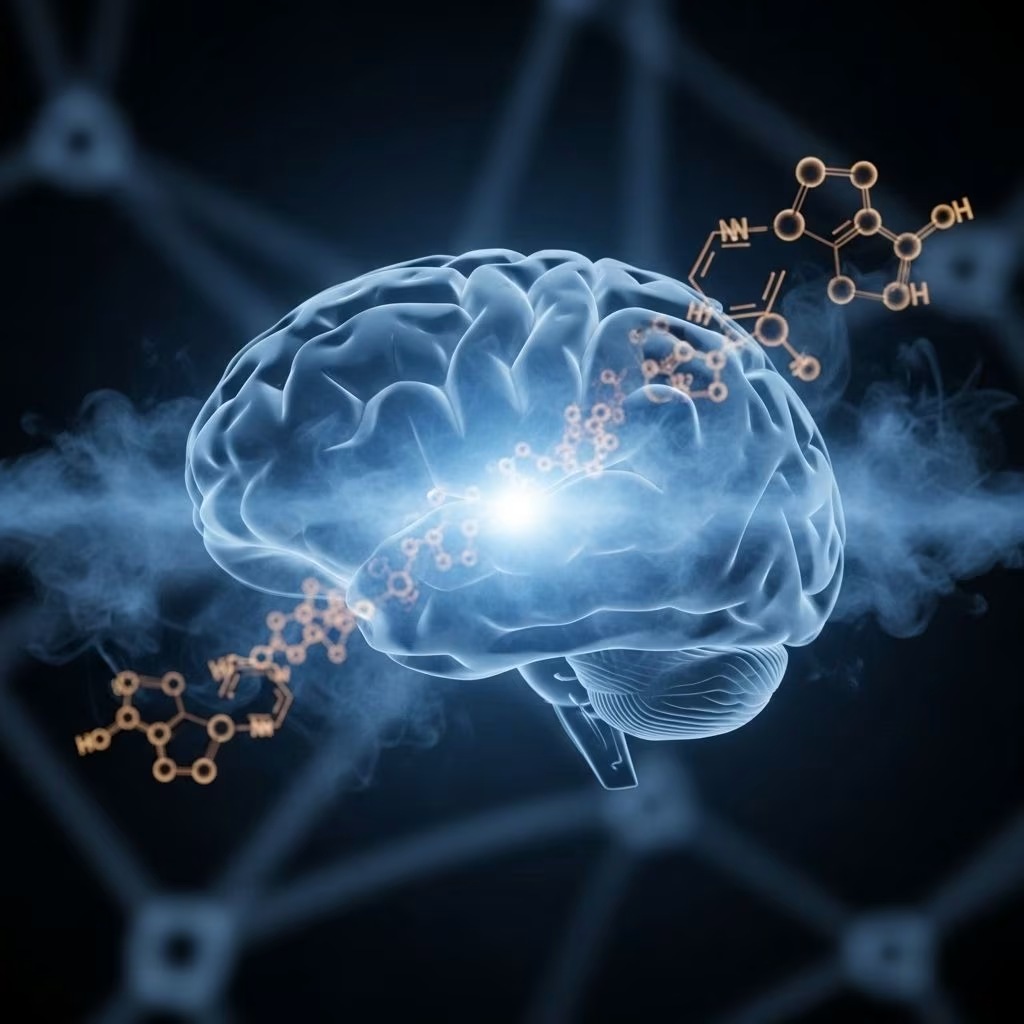
Testosterone is classified as an androgen—a hormone crucial for male development. Its impact on the brain is increasingly recognized thanks to the discovery of androgen receptors within brain cells. These receptors act like switches, activating different brain functions when bound to testosterone.
Key ways testosterone influences brain health:
- Blood-Brain Barrier Penetration: Testosterone can cross the blood-brain barrier, impacting neural function directly.
- Neuroprotection: Evidence suggests testosterone helps delay death of nerve cells, enhances regrowth after damage, and reduces the effects of injuries. It also provides anti-inflammatory support to brain tissue.
- Cognitive Function Links: While research is ongoing, testosterone appears to influence thinking, learning, and mood in ways researchers are still mapping out.
In summary: Testosterone is not just critical for male physical traits—it may serve as a protector of brain health, helping maintain sharp thinking and emotional well-being as you age.
Can Low Testosterone Cause Brain Fog, Memory Loss, or Other Mental Issues?
Brain fog—characterized by confusion, poor concentration, and forgetfulness—is a common complaint among men with low testosterone. The risk of cognitive decline rises naturally with age, just as testosterone levels drop, fueling questions about their connection.
Research highlights:
- Some studies show that men with lower testosterone report poorer memory and thinking skills than peers with higher levels.
- Low testosterone is most widely known for causing sexual dysfunction and fatigue, yet it may also underlie more subtle changes like increased irritability, depression, and loss of mental clarity.
- In older men, declining testosterone is often linked with age-associated memory impairment. In contrast, higher testosterone in younger males may sometimes reduce performance on certain thinking tasks.
- Low testosterone is likely one of several factors influencing cognitive changes, alongside sleep habits, diet, and psychological stress.
Though smaller studies suggest a pattern—low testosterone correlates with difficulty focusing, remembering, or making decisions—much remains unclear about the exact mechanisms involved.
Common Symptoms of Low Testosterone Affecting Mental Health
Often, the symptoms of low testosterone creep up gradually and can be mistaken for ordinary aging or lifestyle factors. Recognizing them can help clarify whether hormone levels are influencing your mental state.
- Fatigue and Low Energy: Persistent tiredness can stem from low testosterone, making daily tasks feel more difficult.
- Brain Fog: Difficulty concentrating, slow thinking, and forgetfulness are hallmark signs.
- Memory Loss: Problems recalling names, dates, or tasks may become more frequent.
- Irritability and Mood Changes: Increased frustration, anxiety, or low mood—sometimes progressing to full-blown depression—can arise.
- Loss of Motivation: Feeling uninterested or disconnected from personal interests or relationships.
- Physical Weakness: Reduced muscle strength and endurance often accompany the mental symptoms.
- Sleep Issues: Insomnia or restless sleep patterns may further disrupt cognitive health.
If you experience these symptoms, a testosterone test can help determine whether low hormone levels are a contributing factor.
Table: Symptoms of Low Testosterone Affecting the Brain
| Symptom | Description |
|---|---|
| Brain Fog | Confusion, slow thinking, poor concentration |
| Memory Loss | Difficulty recalling names, events, or new information |
| Fatigue | Persistent tiredness or lack of energy |
| Mood Disturbances | Irritability, sadness, anxiety, depression |
| Reduced Motivation | Apathy or lack of interest in activities |
Testosterone Therapy: Does It Help Memory & Focus?
With the rising awareness of low testosterone’s impacts, many men are turning to testosterone replacement therapy (TRT) hoping to reclaim mental sharpness and physical energy. But what does the research actually say?
- Mixed results in studies: While some case reports suggest cognitive improvement with testosterone supplementation, most larger studies have not found strong evidence for improved memory or thinking from therapy.
- Systematic reviews: Detailed studies reviewing populations of men using testosterone found no clear improvement in cognitive function—even among those using androgen deprivation for prostate cancer or receiving TRT for age-related low testosterone.
- Meta-analyses: Recent meta-analyses (2020) and reviews of randomized controlled trials report no statistically meaningful benefit for cognition when compared to placebo groups.
- Need for further research: Although some individuals report feeling mentally sharper, authorities caution that more research is needed before TRT is recommended for cognitive symptoms alone.
It’s important to approach testosterone therapy after careful evaluation by a medical professional—particularly as TRT can have side effects and is not suitable for everyone.
What Are the Risks of Testosterone Therapy?
- Cardiovascular risks: Potential for increased blood pressure or blood clots.
- Prostate concerns: May exacerbate certain prostate conditions.
- Hormonal imbalance: Misuse or overuse can further disrupt mental and physical health.
- Other side effects: Acne, sleep apnea, or fluid retention are possible.
Discussing risks and potential benefits with your healthcare provider is crucial—individual responses to therapy vary and optimal cognitive outcomes are not guaranteed.
Frequently Asked Questions (FAQ)
Q: Can low testosterone cause permanent memory loss?
A: Current evidence suggests that low testosterone can contribute to temporary memory problems and brain fog, but permanent memory loss is more often linked to neurodegenerative conditions like dementia or Alzheimer’s. Distinguishing between hormonal and other causes is important for proper treatment.
Q: Is brain fog always a sign of low testosterone?
A: No. Brain fog can be caused by a range of factors, including poor sleep, stress, underlying medical issues, nutritional deficiencies, or medication side effects. Low testosterone is one potential—but not automatic—cause.
Q: Can improving lifestyle help alleviate brain fog associated with low testosterone?
A: Yes. Adequate sleep, balanced nutrition, regular physical activity, and stress management may help minimize symptoms of brain fog and support overall cognitive function alongside any medical treatment recommended.
Q: Does testosterone therapy always improve cognitive function?
A: No. Clinical studies have not conclusively shown cognitive benefits from testosterone therapy for all patients. Some individuals may notice improvement, but results are mixed, and further research is needed before recommending therapy solely for memory or focus issues.
Q: When should I talk to a doctor about brain fog and low testosterone?
A: If you notice persistent changes in mood, cognition, energy, or sexual function—especially if these symptoms are affecting your quality of life—see a healthcare provider to discuss testing and treatment options. Early intervention can help rule out serious conditions and optimize your health.
Conclusion
Low testosterone plays a complex and evolving role in male health, extending to energy levels, mood, memory, and overall cognitive performance. While some studies point toward a link between low testosterone and increased brain fog or mental decline, large-scale clinical evidence supporting testosterone therapy as a remedy for cognitive complaints remains limited. If you experience symptoms—whether brain fog, depression, or persistent fatigue—consult a trusted health professional to explore diagnostic testing and develop a holistic plan for optimal well-being.
Key Takeaways:
- Low testosterone may contribute to cognitive symptoms like brain fog and memory difficulty, but is rarely the sole cause.
- Recognizing overlapping symptoms and risk factors can help guide effective diagnosis and treatment.
- Testosterone therapy offers mixed results for mental function improvement and should only be considered with professional guidance.
- Maintaining a healthy lifestyle alongside medical intervention is the best strategy for supporting your brain health.
References
- https://www.healthline.com/health/low-testosterone/does-low-testosterone-cause-brain-fog
- https://obsidianmenshealth.com/can-low-testosterone-cause-memory-loss/
- https://www.mariongluckclinic.com/blog/the-link-between-testosterone-and-mens-mental-health.html
- https://www.advancedurology.com/blog/do-i-have-low-testosterone
- https://www.seannikravanmd.com/blog/3-warning-signs-of-low-testosterone
- https://www.palmettoendocrinology.org/blog/brain-fog
- https://www.mountsinai.org/files/ISMMS/Assets/Media/Profiles/Tamler.pdf
- https://www.centreformenshealth.co.uk/articles/17-signs-and-symptoms-of-low-t
- https://thrivespanh.com/blog/brain-fog-testosterone-memory/