Mast Cell Leukemia: What You Need to Know
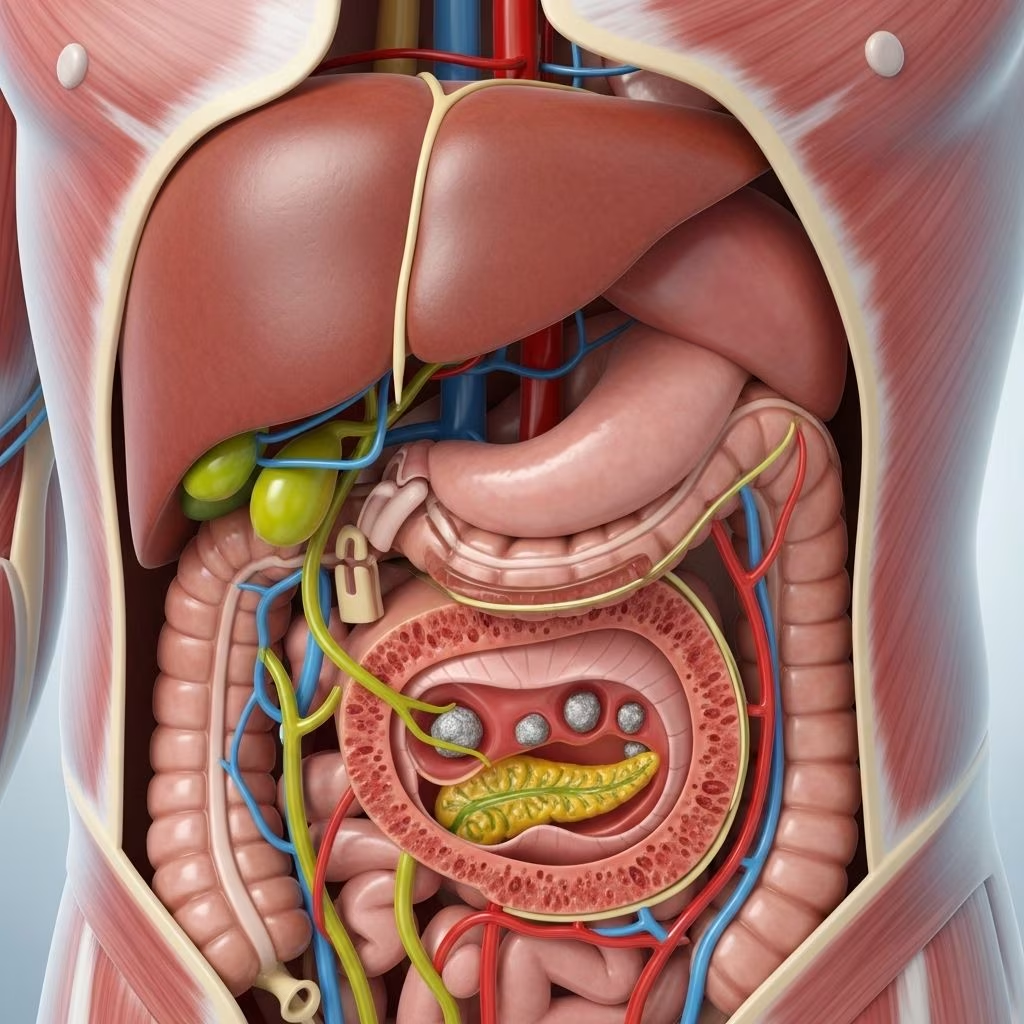
Mast cell leukemia (MCL) is an extremely rare and aggressive form of blood cancer that falls under the category of systemic mastocytosis and acute myeloid leukemia. This disease is marked by the uncontrolled proliferation of mast cells, a type of immune cell, which can infiltrate bone marrow, blood, skin, liver, spleen, and other organs. MCL accounts for less than 1% of all systemic mastocytosis cases, and its prognosis remains poor due to its aggressive nature and treatment resistance.
What Are Mast Cells?
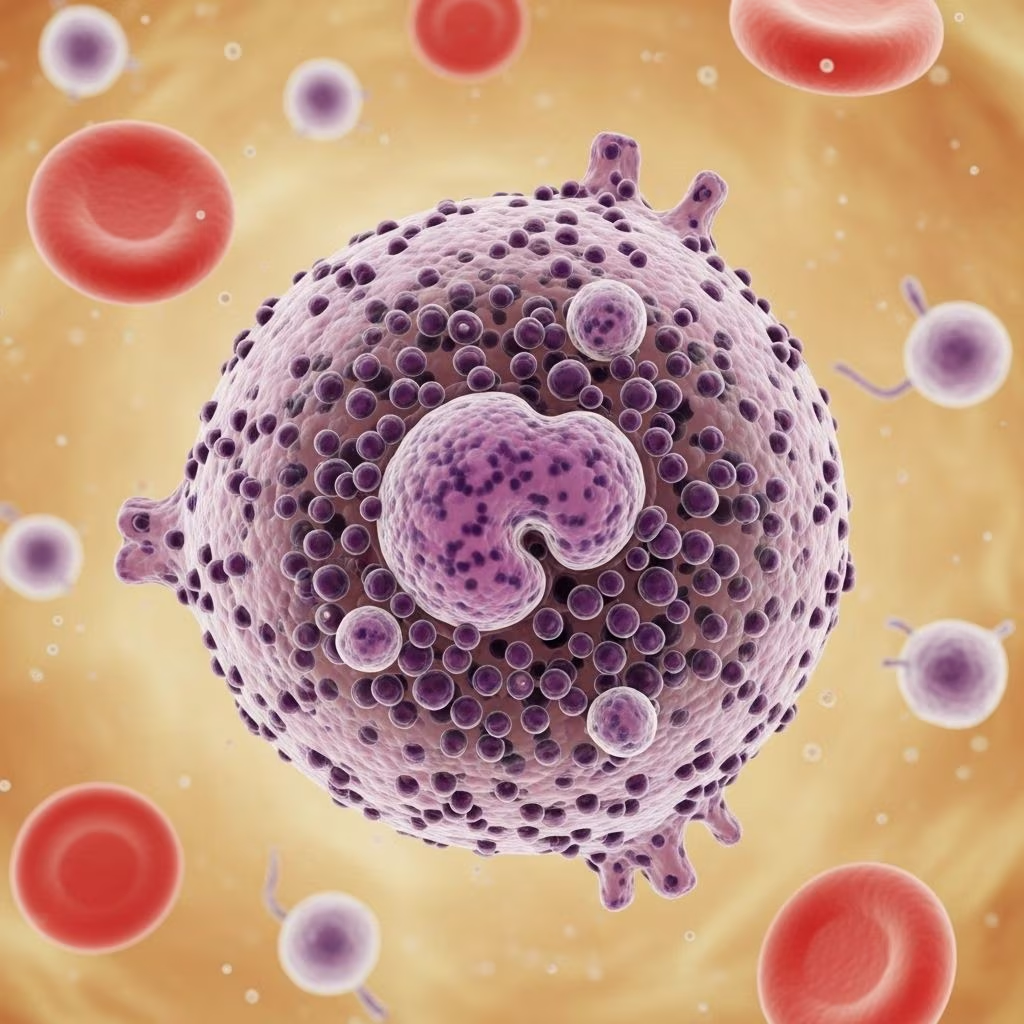
Mast cells are a specialized white blood cell type located in connective tissues throughout the body. Their main function is to mediate inflammatory and immune responses, particularly against parasites and allergens. Mast cells release substances such as histamine (which can trigger allergic reactions) and heparin (an anticoagulant).
In MCL, these mast cells multiply abnormally, overwhelming tissues and organs, leading to a cascade of symptoms and health problems.
How Does Mast Cell Leukemia Develop?
- MCL can appear de novo (with no prior related conditions) or arise from pre-existing systemic mastocytosis.
- There are two major forms:
- Leukemic MCL: >10% mast cells in circulation.
- Aleukemic MCL: <10% mast cells in peripheral blood; accounts for ~60–65% of cases.
- Diagnosis is confirmed when >20% of cells in bone marrow are atypical/immature mast cells.
Who Is at Risk?
MCL is exceptionally rare, with only a few cases reported historically. There are no well-established risk factors or hereditary links. The condition can affect adults of various ages and is not strongly associated with environmental exposures or lifestyle factors.
Signs and Symptoms of Mast Cell Leukemia
MCL’s symptoms stem from massive mast cell proliferation, their activation, and the substances they release into the body. Patients may experience a complex, severe symptom profile, including:
- Constitutional symptoms: Fever, chills, weakness, and unexplained weight loss
- Skin/Hypersensitivity symptoms: Flushing (especially of face and trunk), but typical skin lesions (like urticaria pigmentosa) are usually absent
- Gastrointestinal symptoms: Abdominal pain, nausea, vomiting, diarrhea, and peptic ulcers (frequently severe and recurrent due to high histamine)
- Neurological symptoms: Headache, confusion, sometimes seizures
- Bone and organ involvement:
- Bone pain
- Osteoporosis due to bone marrow invasion
- Enlarged liver and spleen (hepatosplenomegaly)—often detected by imaging
- Bleeding/hemorrhage: Mast cells release heparin and other anticoagulants; liver and spleen dysfunction adds to bleeding risk
- Mast Cell Activation Syndrome: Episodes of severe allergic reactions, sometimes including anaphylaxis (low blood pressure, airway swelling)
- Generalized weakness and fatigue: Due to organ dysfunction and marrow failure
How Mast Cell Leukemia Is Diagnosed
Diagnosis requires careful clinical assessment and specialized laboratory tests.
- Blood tests: To measure mast cell counts and assess organ function
- Bone marrow biopsy: The gold standard—shows >20% mast cells (immature/atypical) per WHO criteria
- Peripheral blood smear: Determines if the leukemia is leukemic (>10% circulating mast cells) or aleukemic (<10%)
- Immunophenotyping: Detects markers specific to mast cells (such as CD117/c-KIT, CD2, CD25)
- Genetic testing: Screens for KIT D816V mutation—found in many cases and drives abnormal growth of mast cells
- Imaging studies: Abdominal ultrasound/CT scan for liver, spleen, lymph node involvement; bone densitometry for osteoporosis; endoscopy if GI symptoms
- Other tests: Assess organ damage and function (liver tests, kidney tests)
Diagnostic Criteria Table
| Test/Criteria | Findings in MCL |
|---|---|
| Bone Marrow Biopsy | >20% atypical mast cells |
| Peripheral Blood | >10% mast cells (leukemic), <10% (aleukemic) |
| Immunophenotyping | CD117, CD2, CD25 positive |
| KIT D816V Genetic Mutation | Often present |
| Organ Imaging | Hepatosplenomegaly, bone changes |
Causes and Molecular Mechanisms
The precise cause of MCL is unknown. However, genetic mutations play a central role:
- KIT D816V mutation—an abnormal change in the c-KIT gene, found in up to 46% of MCL cases and over 80% of adult systemic mastocytosis cases. This mutation leads to uncontrolled mast cell growth and resistance to some standard therapies (such as imatinib).
- Other rare genetic abnormalities may also be involved.
MCL can arise de novo or from pre-existing conditions (systemic mastocytosis), but remains very poorly understood due to its rarity.
Treatment Options
MCL treatment is challenging, and the cancer is often resistant to conventional therapies. Early, aggressive, and multi-modal treatments may improve the outlook for some patients. Management strategies include:
- Targeted therapies:
- Midostaurin—a multikinase inhibitor targeting KIT D816V mutation.
- Avapritinib—a selective inhibitor approved for advanced systemic mastocytosis—including MCL, specifically effective against KIT D816V mutation.
- Chemotherapy (borrowed from protocols for acute myeloid leukemia): variable effectiveness, generally poor outcomes
- Immunotherapy and immunomodulatory therapy: being studied in clinical trials
- Stem cell transplantation:
- Rare cases have achieved multi-year remission with hematopoietic stem cell transplant, but more research is needed.
- Palliative care and symptom management:
- Antihistamines, corticosteroids, pain management, support for nutritional health
- Emphasis on improving quality of life and managing severe symptoms
Due to the aggressive course and frequent treatment resistance, care plans should be individualized and discussions with a hematologist and oncologist are essential.
Prognosis and Outlook
- MCL remains a highly aggressive disease with poor long-term outcomes.
- The median survival post-diagnosis is roughly 1.5 years according to recent reviews.
- Some targeted therapies—especially midostaurin and avapritinib—offer hope for longer survival, including rare cases of multi-year remission.
- Prognosis may be somewhat better if stem cell transplant is possible and effective.
Outcomes vary widely, and frequent communication between patient and care team is critical. Research into new therapies is ongoing.
Living With Mast Cell Leukemia
MCL imposes immense physical and emotional challenges. Patients and caregivers must navigate:
- Frequent medical visits for monitoring and treatment
- Severe symptoms that require prompt management
- Palliative and supportive therapies for quality of life and symptom relief
- Psychosocial support: counseling, support groups, and community resources
It is vital to work closely with experienced hematologists, oncologists, and palliative care teams to develop an individualized plan based on personal goals and values.
Tips for Patients and Families
- Keep a detailed symptom diary and share it with your care team.
- Ask about new treatment trials—research moves swiftly, and new options may emerge.
- Prioritize nutrition, hydration, and rest.
- Seek support—don’t face this diagnosis alone.
Frequently Asked Questions (FAQs) About Mast Cell Leukemia
Q: How is Mast Cell Leukemia different from other types of leukemia?
A: Unlike other leukemias, MCL involves the rapid proliferation of mast cells rather than other blood cell types. MCL is more aggressive and extremely rare compared to other leukemias.
Q: Can Mast Cell Leukemia occur in children?
A: While most cases have been documented in adults, MCL can theoretically affect people of any age, though it is extremely rare in children.
Q: What are the first signs I should look for?
A: Early symptoms include fever, facial flushing, bone pain, gastrointestinal distress, and fatigue. Seek medical attention promptly if you have persistent or severe symptoms.
Q: Why is MCL so resistant to treatment?
A: MCL’s resistance is often due to the KIT D816V gene mutation, which protects abnormal mast cells from many traditional chemotherapies and targeted agents. Specialized therapies are required for this mutation.
Q: Can Mast Cell Leukemia be cured?
A: There is no proven cure, but rare cases of remission have been achieved with stem cell transplantation or novel targeted therapies. Most treatment focuses on prolonging life and alleviating symptoms.
Summary Table: Mast Cell Leukemia at a Glance
| Feature | Description |
|---|---|
| Prevalence | Very rare (<1% of mastocytosis cases) |
| Main Symptoms | Fever, flushing, abdominal pain, bone pain, bleeding, organ enlargement |
| Diagnosis | Bone marrow >20% mast cells, peripheral blood mast cells, immunophenotyping, genetic testing |
| Treatment | Midostaurin, avapritinib, chemotherapy, stem cell transplant, palliative care |
| Prognosis | Poor (median survival ~1.5 years) |
| Supportive Care | Pain management, anti-allergy medications, emotional and psychosocial support |
Support, Resources, and Further Reading
- Ask your hematologist or oncologist for clinical trial options
- Consider connecting with rare disease organizations for support
- Explore patient advocacy networks dedicated to leukemia and blood cancers
Helpful Resources for Mast Cell Leukemia Patients
- Leukemia & Lymphoma Society
- Rare Disease Advocacy Groups
- National Cancer Institute: Blood Cancer Information
- Psychosocial Support and Counseling Services
References
- https://pmc.ncbi.nlm.nih.gov/articles/PMC12404107/
- https://en.wikipedia.org/wiki/Mast_cell_leukemia
- https://www.medicalnewstoday.com/articles/mast-cell-leukemia
- https://pmc.ncbi.nlm.nih.gov/articles/PMC4097263/
- https://www.healthline.com/health/leukemia/mast-cell-leukemia
- https://www.healthline.com/health/advanced-systemic-mastocytosis-faqs
- https://onlinelibrary.wiley.com/doi/full/10.1002/jha2.571