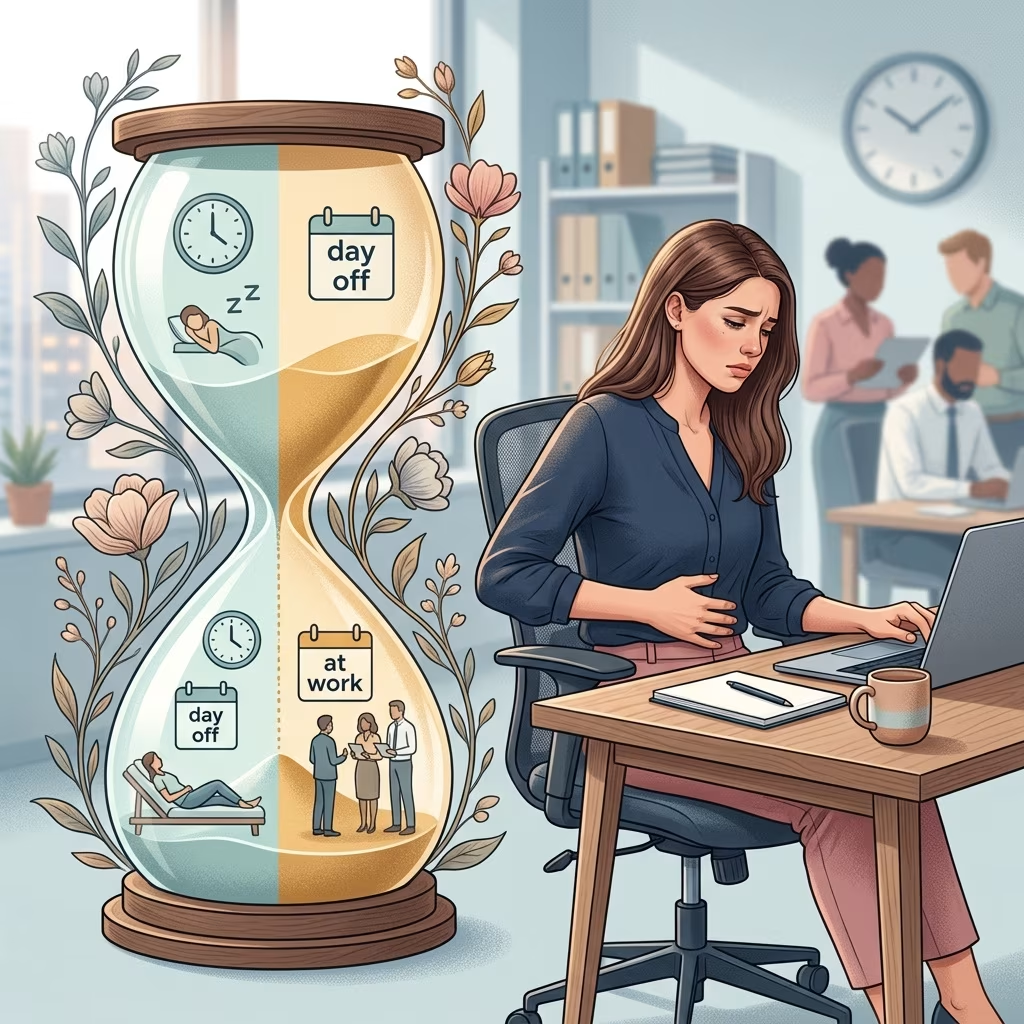
Workplaces worldwide are grappling with the complex subject of menstrual leave. As more companies and countries debate whether employees should get paid time off for period pain, the conversation is fraught with social, political, and practical considerations. Should you feel guilty about taking a sick day for cramps? Does paid leave help or harm working women? This article unpacks the arguments, evidence, and lived realities behind time off work for period pain.
What Is Menstrual Leave?
Menstrual leave refers to a workplace policy or statutory right that enables people who menstruate to take time off from work—usually paid—due to symptoms associated with their periods, such as severe pain (dysmenorrhea), fatigue, or other debilitating effects. Some policies grant a certain number of paid days per year or month specifically for menstruation-related symptoms, separate from standard sick leave.
Common Symptoms and the Impact of Period Pain
- Severe cramps (dysmenorrhea): For many, these can be more painful than minor injuries, sometimes radiating down the legs or causing nausea.
- Heavy bleeding: Conditions like uterine fibroids, endometriosis, and adenomyosis can make bleeding more severe.
- Headaches or migraines: Period-related hormonal fluctuations can trigger headaches.
- Fatigue: The physical toll of menstruation, especially when combined with poor sleep, can be exhausting.
- Emotional changes and brain fog: Hormonal shifts may lead to difficulty concentrating, anxiety, or mood swings.
About 5% to 20% of women experience severe period pain that interferes with daily activities, and conditions like endometriosis and fibroids are common—up to 11% and 80% respectively—often going undiagnosed for years.
The Rise of Paid Menstrual Leave Policies Globally
While Western workplaces are only beginning to address the need for menstrual accommodations, several countries mandated menstrual leave decades ago. In recent years, some private-sector employers have voluntarily adopted such policies:
- Spain: In 2023, became the first European country to guarantee paid menstrual leave by law.
- East Asia: Countries like South Korea, Japan, Indonesia, and Taiwan have menstrual leave laws on the books, though their usage rates and practical access vary considerably.
- Zambia: Workers are entitled to a “Mother’s Day” off each month for menstruation, regardless of gender or parental status.
- Corporate Examples: Companies such as Zomato (India), Coexist (UK), and several Australian startups have created their own paid period leave policies, typically allowing up to 10 days per year specifically for menstruation.
Arguments in Favor of Menstrual Leave
Advocates for menstrual leave highlight several benefits for employees and workplaces:
- Improved well-being: Allowing rest or recovery during severe symptoms can improve overall employee health and productivity by reducing absenteeism for more prolonged illnesses later.
- De-stigmatization: Open acknowledgment of menstruation in workplace policies starts a conversation and helps normalize an experience shared by about half the workforce for decades of their lives.
- Compassion for chronic conditions: Individuals with endometriosis, PCOS, or other reproductive illnesses often suffer debilitating pain that is sometimes not adequately covered by general sick leave.
- Gender inclusivity: Properly framed policies can be extended to transgender men and non-binary people who menstruate, not just cisgender women.
- Boosting loyalty and trust: Employees who feel their needs are recognized and supported are more likely to feel valued and stay with the company, boosting retention.
“If menstrual leave is thoughtfully implemented, it has the potential to improve the health and well-being of menstruators, particularly those with illnesses related to the menstrual cycle.” — Dr. Jessica Barnack-Tavlaris, associate professor of psychology
Potential Drawbacks and Concerns
- Workplace discrimination: Some fear that menstrual leave could reinforce outdated beliefs that women are less capable or reliable workers, potentially hindering hiring or promotion prospects.
- Stigma and privacy: Calling attention to menstrual symptoms might subject employees to embarrassment or unnecessary scrutiny, especially in male-dominated workplaces.
- Policy misuse and ambiguity: Concern that some employees could abuse the policy, or confusion may arise about tracking and legitimate use.
- Medicalizing a natural process: Critics argue that menstrual leave could equate normal period symptoms with illness, rather than part of natural variation.
- Alternate accommodations: Some suggest existing sick leave and workplace accommodations (e.g., flexible hours, remote work, better restroom access) may be sufficient when robustly implemented.
According to Sally King, founder of Menstrual Matters, “Naming a day off as ‘period leave’ leads to additional discrimination by reinforcing myths and [incorrect] assumptions about the female body.”
Public Opinion and Employee Experiences
Attitudes toward menstrual leave are mixed, influenced by social norms, generational attitudes, and prior experience with similar policies:
- Support and skepticism: In a 2019 U.S. study, 42% of adults said they would support menstrual leave, but half were concerned about negative effects such as increased discrimination or loss of career opportunities.
- Workforce realities: Many women say they’ve used personal or sick days to manage severe period pain, often without telling managers the real reason. A culture of silence around menstruation frequently makes employees reluctant to disclose period-related symptoms.
- Generational shift: Younger workers, especially Gen Z, are more likely to advocate for transparency about menstrual health in the workplace, aligning such policies with broader diversity, equity, and inclusion initiatives.
- Company stories: Employers who have adopted period leave policies (such as Zomato and Coexist) generally report positive effects on workplace culture, with staff expressing relief and trust, and even non-menstruators advocating for their own needs when necessary.
Should You Take a Sick Day for Period Pain?
Given that paid menstrual leave is not yet universal, most employees fall back on sick leave, personal days, or remote work when confronted with severe period pain. Doctors and HR experts recommend the following considerations:
- Assess the impact: If cramps, fatigue, or other symptoms significantly affect your ability to function or concentrate, taking a sick day is justified—just as you would for a migraine or stomach flu.
- Be honest—if possible: If you trust your manager or HR, consider sharing the real reason for your absence. This helps break down stigma and may open the door to better accommodations in the future.
- Know your rights and benefits: Review your company’s policies carefully. Some have begun offering explicit menstrual leave; many treat severe menstrual symptoms as a valid reason for sick leave.
- Self-care measures: If you’re able and prefer to work, use heating pads, take pain relief, hydrate, and communicate with your team about flexibility if you need to pace your work.
- Seek medical care for severe pain: If symptoms are consistently debilitating, see a healthcare provider. Conditions like endometriosis or fibroids are treatable and warrant a diagnosis.
How to Advocate for Well-Being at Work
Beyond sick days or formal menstrual leave, there are other ways individuals and organizations can foster a menstrual-inclusive workplace:
- Push for better policies: Advocate for clearer sick leave policies, flexible work arrangements, and access to free menstrual products in restrooms.
- Recommend education: Suggest workshops or resource materials to increase awareness and empathy about menstruation among all staff.
- Address bias: Encourage managers to avoid “special treatment” language and instead focus on universal principles of dignity, equity, and support for health needs.
- Request accommodations: Approach HR or supervisors about temporary adjustments—such as remote work, flexible schedules, or extra break time—on days when symptoms are severe.
Menstrual Leave Around the World: At A Glance
| Country | Menstrual Leave Policy | Notes |
|---|---|---|
| Spain | Legally mandated paid leave | First in Europe to pass law (2023) |
| Japan | Workplace law since 1947 | Variable usage; stigma persists |
| South Korea | Monthly leave by law | Poor awareness limits usage |
| Indonesia | Two days per month | Not widely implemented |
| Zambia | One “Mother’s Day” per month | Paid, regardless of gender or parental status |
| India, UK (select companies) | Corporate policies | Zomato (India), Coexist (UK), and others |
Frequently Asked Questions (FAQs)
What is the difference between menstrual leave and regular sick leave?
Menstrual leave refers specifically to days allocated for period-related symptoms, while sick leave covers any illness or incapacity. In many workplaces without explicit menstrual leave, employees use their standard sick days for period pain.
Do doctors recommend taking time off for period pain?
Most doctors agree that mild cramps and symptoms can be managed with self-care and over-the-counter medication, but severe pain that interferes with normal activities justifies taking a day off or seeking medical attention—especially if the symptoms are recurrent and disabling.
Can men or non-binary people access menstrual leave?
Transgender men and nonbinary people who menstruate are included in most inclusive menstrual leave policies. Policies should explicitly state eligibility for all menstruators.
What should I do if my company does not offer menstrual leave?
Use sick leave or personal days if symptoms warrant rest, and advocate for clearer, more inclusive workplace policies if possible. Document persistent severe pain for medical support and HR discussion.
Does menstrual leave eliminate period stigma?
When thoughtfully implemented, it can challenge period stigma by making menstruation an open subject in workplace policy. However, poor implementation can reinforce negative stereotypes, so education and communication are vital.
Key Takeaways
- Severe period pain can significantly impact a person’s ability to work; policies to accommodate this are slowly evolving.
- Paid menstrual leave exists in several countries and some private companies, but usage and acceptance vary widely.
- Support for such policies is growing, but so is concern for potential stigmatization or discrimination.
- Open dialogue, flexible policies, and proper education are among the most effective solutions to support menstruators at work.
This article provides general information relating to health and workplace policies. For specific guidance, consult a healthcare provider or human resources professional familiar with local laws and company policies.
References
- https://www.nyulawreview.org/wp-content/uploads/2023/06/NYULawReview98_Widiss.pdf
- https://www.healthcentral.com/article/paid-period-menstrual-cycle-work-leave
- https://fortune.com/2021/10/30/paid-menstrual-period-leave-us-companies/
- https://www.goodhousekeeping.com/uk/health/a65266458/health-hormones/
- https://www.dol.gov/sites/dolgov/files/OPA/MenstruationAndMenopauseAtWork.pdf