What is Mixed Phenotype Acute Leukemia (MPAL)?
Mixed Phenotype Acute Leukemia (MPAL) is a rare form of leukemia characterized by cancerous cells that exhibit markers from both lymphoid and myeloid blood cell lineages. While most acute leukemias are classified as acute lymphoblastic leukemia (ALL) or acute myeloid leukemia (AML), MPAL is unique in displaying traits of both types. This dual lineage makes diagnosis and treatment particularly challenging.
MPAL represents about 1% to 3% of all acute adult leukemias and less than 5% of acute pediatric leukemias. The World Health Organization (WHO) established the term mixed phenotype acute leukemia in 2008. Historically, terms like biphenotype acute leukemia have also been used for these cases.
How Does MPAL Differ From Other Acute Leukemias?
- ALL and AML: Both involve uncontrolled growth of abnormal white blood cells, but ALL affects lymphoid lineage, and AML affects myeloid lineage.
- MPAL: Shows features of both ALL and AML, with leukemia cells expressing markers typical of both cell types on their surface.
- Classification: MPAL can be further categorized as bilineal (distinct populations of lymphoid and myeloid cells) or biphenotypic (single population with markers of both lineages).
Symptoms of Mixed Phenotype Acute Leukemia (MPAL)
The symptoms of MPAL are similar to those of other acute leukemias, predominantly resulting from the deficiency or dysfunction of normal blood cells as abnormal cells proliferate rapidly. Common signs and symptoms include:
- Fatigue and weakness due to anemia
- Frequent infections, stemming from low functional white blood cell counts
- Fevers not related to other obvious causes
- Easy bruising and bleeding, such as nosebleeds or bleeding gums
- Paleness
- Bone/joint pain
- Enlarged lymph nodes, liver, or spleen
- Loss of appetite and weight loss
- Night sweats
Symptoms vary between individuals and can depend on the specific lineage dominance and organ systems affected.
Causes and Risk Factors for MPAL
There is no single known cause for MPAL. Most cases are believed to result from spontaneous genetic abnormalities within precursor blood cells. Research has identified some risk factors and genetic features associated with MPAL:
- Genetic mutations impacting blood cell development, such as changes in chromosome structure or number
- Philadelphia chromosome (a translocation between chromosomes 9 and 22), found in a subset of MPAL cases
- Abnormalities involving chromosome 11q23
- Age: More common in adults than children, but can occur at any age
- Prior exposure to radiation or chemotherapy for other malignancies (less common)
- Other inherited syndromes, such as Down syndrome, increase overall leukemia risk but aren’t specific to MPAL
Despite these findings, most MPAL cases occur sporadically, with no clear environmental or inherited cause identified.
Diagnosis of Mixed Phenotype Acute Leukemia (MPAL)
Diagnosing MPAL is complex and typically requires a multidisciplinary approach. Because MPAL shares features with more common leukemias, distinguishing it is crucial for developing an effective treatment strategy. The diagnostic steps generally include:
- Medical history and physical examination focusing on symptoms and signs of blood cell abnormalities
- Blood tests:
- Complete blood count (CBC): Checks for abnormal levels of white cells, red cells, and platelets
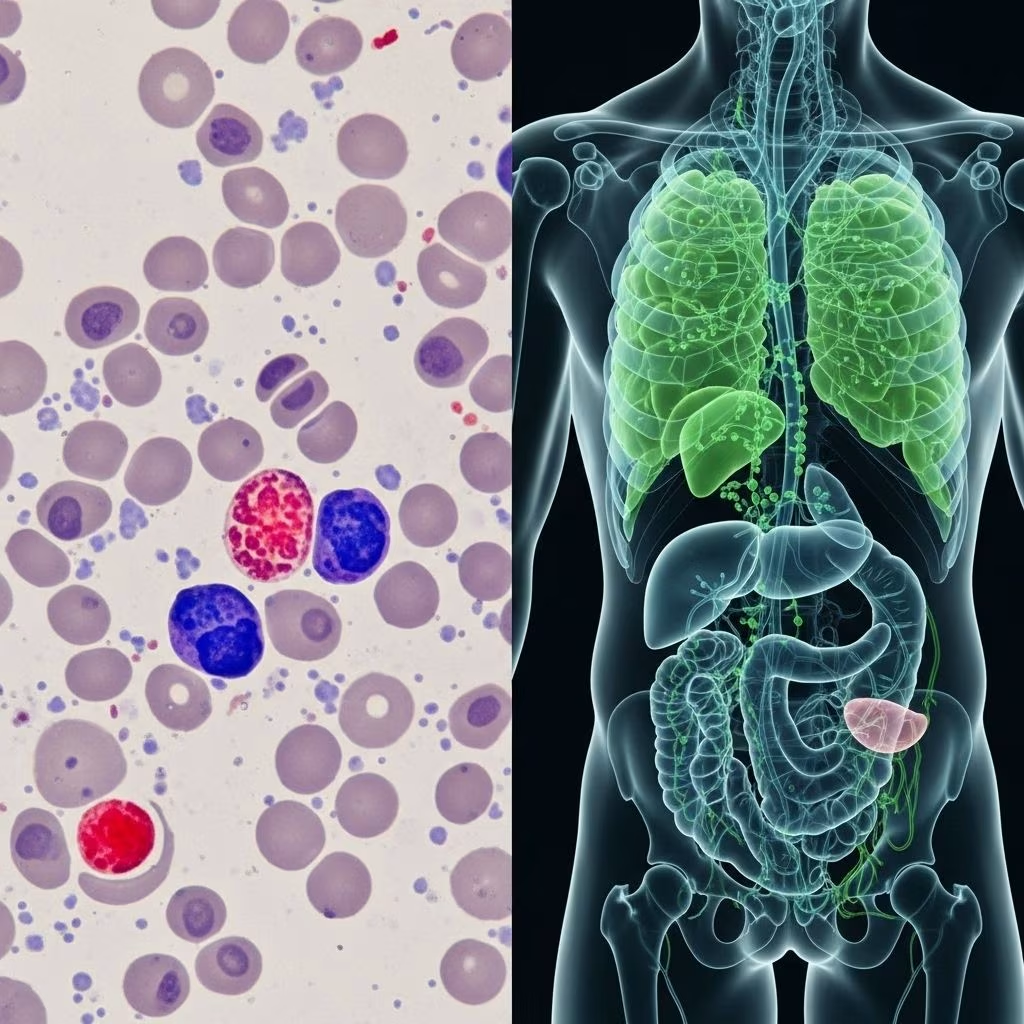
- Peripheral blood smear: Examines blood cells under a microscope for abnormal shapes or sizes
- Bone marrow biopsy and aspiration: Core tests that help examine the origin of leukemia cells
- Immunophenotyping: Uses flow cytometry to detect the proteins (markers) on the surface of leukemia cells, verifying the presence of both lymphoid and myeloid markers
- Cytogenetic and molecular genetic analysis: Identifies chromosomal abnormalities like the Philadelphia chromosome or 11q23 changes
- Imaging studies: (if indicated) to check for organ enlargements or other complications
A correct diagnosis is essential, as treatment for MPAL may differ significantly from classic ALL or AML approaches.
Treatment Options for Mixed Phenotype Acute Leukemia (MPAL)
Treating MPAL is challenging due to its dual lineage and complex genetics. Treatment plans are highly individualized and informed by factors such as age, overall health, specific genetic markers, and response to initial therapy. Conventional treatment modalities include:
- Chemotherapy: A combination of drugs typically used for both AML and ALL protocols. Initial therapy often consists of intense cycles designed to destroy leukemia cells as thoroughly as possible.
- Stem Cell Transplantation (SCT): Following remission (complete response to chemotherapy), allogeneic hematopoietic stem cell transplantation (alloSCT) may be considered, especially for suitable candidates. Fresh donor stem cells can help rebuild normal blood cell production.
- Targeted Therapy: Medications designed to block specific proteins or processes in cancer cells, sometimes used when specific mutations (like the Philadelphia chromosome) are present.
- Immunotherapy: Treatments that harness the body’s immune system to seek and destroy leukemia cells. Antibodies targeting cancer markers may be administered.
- Radiation Therapy: May be used selectively to reduce disease burden in affected organs or bones and to relieve pain.
- Supportive Care:
- Blood transfusions (red cells and platelets)
- Antibiotics (infection prevention/treatment)
- Medications for side effect control (e.g., nausea, pain)
- Nutritional and psychosocial support
- Intrathecal Chemotherapy: Direct delivery of chemotherapy to the spinal fluid if the central nervous system is involved.
- Follow-up Care: Regular monitoring after initial therapy is crucial to detect recurrence or manage late effects of treatment.
Table: Comparison of Key Treatment Strategies for MPAL
| Treatment Modality | Description | Typical Use |
|---|---|---|
| Chemotherapy | Drugs targeting fast-growing cancer cells | First-line treatment |
| Stem Cell Transplant | Replacing diseased marrow with healthy donor cells | Post-remission, for long-term control |
| Targeted Therapy | Molecular drugs targeting specific mutations | For cases with identifiable mutations |
| Immunotherapy | Antibodies or cell-based therapies | Adjunct or alternative to chemotherapy |
| Radiation Therapy | Local treatment with X-rays | For pain or organ involvement |
| Supportive Care | Treating side effects and complications | Throughout care process |
Outlook and Prognosis for MPAL
The prognosis for MPAL is generally poorer compared to typical ALL or AML cases, both due to diagnostic complexity and the nature of the disease. Prognostic factors that may affect outcome include:
- MPAL subtype: Bilineal vs. biphenotypic
- Genetic markers: Philadelphia chromosome, 11q23 abnormalities, others
- Age at diagnosis: Older age (>60 years) associated with worse outcomes
- White blood cell count: High counts at diagnosis linked to poorer prognosis
- Central nervous system involvement
- Cancer response to treatment and relapse status
- Overall health and comorbidities
Survival rates are improving with greater understanding and new treatments. Studies show:
- Adults: A 2017 analysis found a 3-year overall survival rate of 56.3% after allogeneic stem cell transplant among adults with MPAL
- General US leukemia survival: The 5-year relative survival rate was around 65.7% (2012-2018) for all leukemias
- Children: Younger patients generally fare better, with a 2021 study showing a 5-year overall survival at 77% with chemotherapy for children with MPAL
Is MPAL Curable?
MPAL can be cured in some cases, but generally has a lower cure rate compared to standard acute leukemias. Cure rates are highest in children, especially if the disease is diagnosed early and responds to initial treatments. Remission can be achieved in many cases, particularly with stem cell transplantation, but the risk of relapse remains significant. Individual outcomes depend on the unique constellation of risk factors and biological characteristics.
Ongoing research continues to improve survival rates and reduce side effects.
Frequently Asked Questions (FAQs)
Q: What causes mixed phenotype acute leukemia?
A: The exact cause remains unknown. Most cases are linked to genetic changes in blood-forming cells; some MPAL cases feature identifiable chromosomal abnormalities like the Philadelphia chromosome.
Q: How rare is MPAL?
A: MPAL comprises about 1–3% of acute adult leukemias and less than 5% of acute pediatric cases.
Q: What symptoms should prompt a doctor visit?
A: Persistent fatigue, frequent infections, easy bruising/bleeding, unexplained fevers, and enlarged organs should trigger medical evaluation.
Q: Is stem cell transplantation always necessary?
A: Not always, but it is commonly considered for eligible patients after remission with chemotherapy, as it can reduce long-term relapse risk.
Q: Can MPAL recur after treatment?
A: Yes, relapse is possible, particularly if cancer cells survive initial and consolidation therapy. Follow-up care is essential for monitoring and managing recurrence.
Q: Are outcomes improving for MPAL?
A: Advances in treatment, targeted therapies, and improved diagnostics are contributing to steadily improving outcomes, though challenges remain.
Takeaway
Mixed phenotype acute leukemia (MPAL) is a rare, aggressive blood cancer with characteristics of both lymphoid and myeloid leukemias. It often presents with classic leukemia symptoms like fatigue, infection, and bleeding. Diagnosis relies on advanced blood and genetic testing, while treatment requires tailored regimens of chemotherapy, stem cell transplantation, and emerging targeted therapies. Prognosis is generally poorer than for other acute leukemias, particularly in adults, but advances in research and therapy are improving survival rates.
Always consult hematology and oncology specialists for individualized diagnosis and management recommendations, and for ongoing advances in MPAL treatment protocols.
References
- https://www.cincinnatichildrens.org/health/m/mixed-phenotype-leukemia
- https://www.medicalnewstoday.com/articles/mpal-leukemia
- https://www.healthline.com/health/leukemia/mpal-leukemia
- https://www.stjude.org/about-st-jude/stories/promise-magazine/winter-2019/a-cancer-chameleon-mixed-phenotype-acute-leukemia.html
- https://www.healthline.com/health/leukemia/biphenotypic-leukemia
- https://pubmed.ncbi.nlm.nih.gov/33544265/
- https://pmc.ncbi.nlm.nih.gov/articles/PMC9405901/
- https://www.fortunejournals.com/articles/inside-the-biology-of-acute-leukemias-of-ambiguous-lineage-diagnostic-workup-genomic-and-clinical-characterization.html