MODY: A Rare Genetic Form of Diabetes
Maturity-onset diabetes of the young (MODY) is a rare, inherited type of diabetes that often develops in adolescence or early adulthood, though it can arise at any age. Unlike type 1 and type 2 diabetes, which are caused by a mix of genetic and environmental factors, MODY stems from a single gene mutation disrupting insulin production. This article provides a comprehensive exploration of MODY: from its genetic causes and symptoms to diagnostic procedures, treatment strategies, and how it contrasts with other forms of diabetes.
What Is MODY?
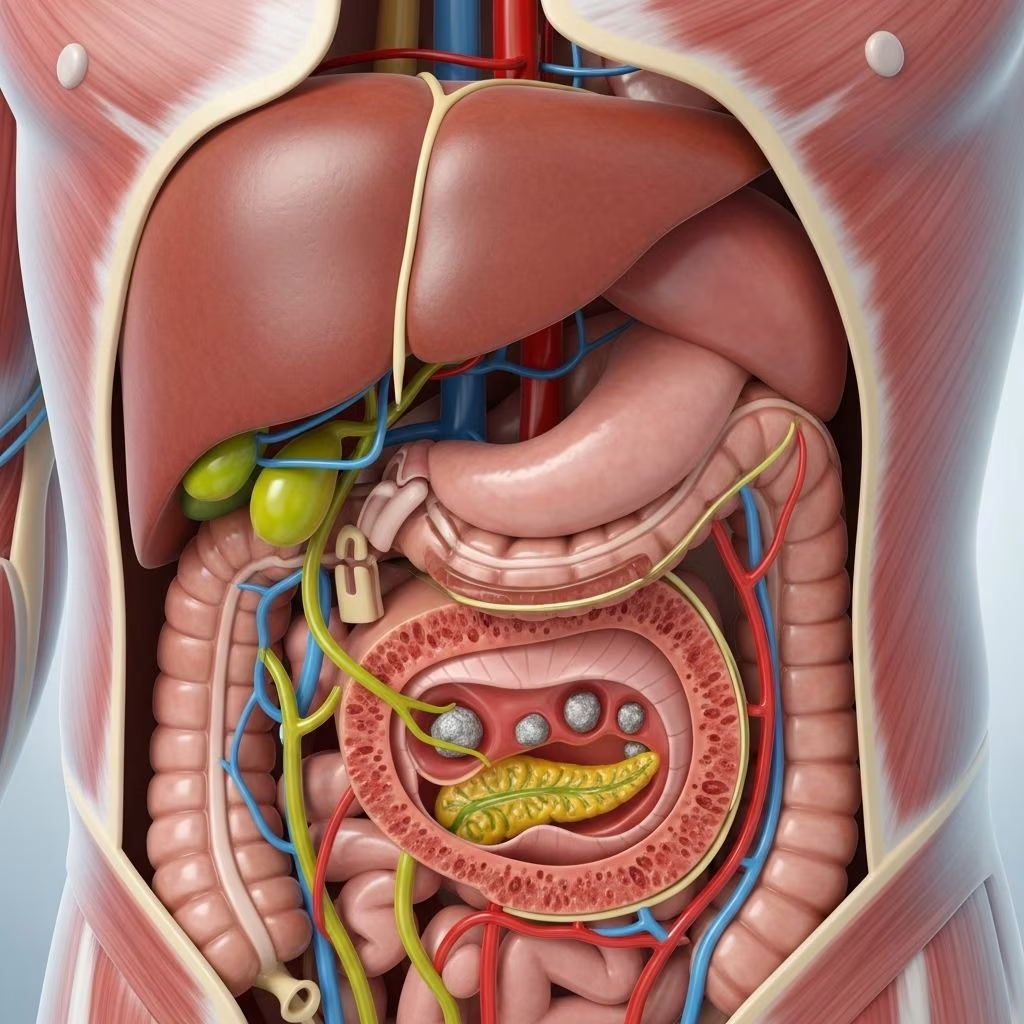
MODY refers to a group of diabetes disorders characterized by a defect in a single gene, impacting the way the pancreas produces insulin. MODY is unique in that it:
- Runs strongly in families: The condition is inherited in an autosomal dominant pattern, meaning if one parent carries the genetic mutation, each child has a 50% chance of inheriting it.
- Presents differently from type 1 or type 2 diabetes: People affected tend to have a healthy body weight and are less likely to have high blood pressure or other metabolic issues linked to type 2 diabetes.
- Usually appears before age 35: Although MODY can develop at any age, onset is most common in adolescents and young adults.
- Accounts for 1–3% of all diabetes cases: MODY is much less common than either type 1 or type 2 diabetes.
Key Genetic Causes of MODY
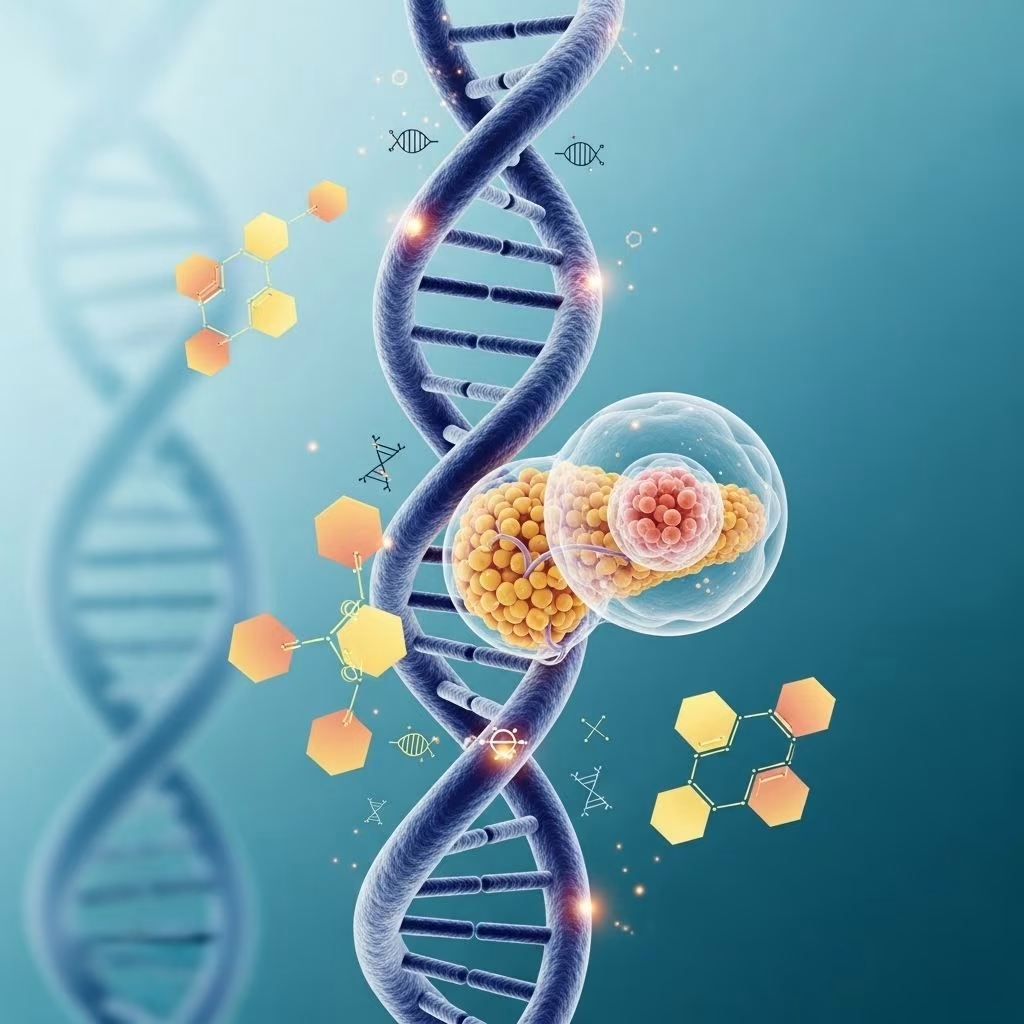
MODY is caused by a mutation in one of several genes responsible for insulin production or secretion. These genes code for proteins vital to the pancreas’s beta cells—the cells that produce insulin. There are currently 14 recognized gene mutations linked to MODY, but most cases are due to changes in the HNF1A and GCK genes, which account for roughly 80% of all MODY diagnoses.
Important MODY Genes and Their Roles
- HNF1A (MODY 3): Codes for a transcription factor that regulates genes essential to pancreatic beta cell development and function. Mutations result in insufficient insulin production and progressive beta cell dysfunction.
- GCK (MODY 2): Codes for glucokinase, the enzyme acting as a glucose sensor in beta cells and the liver. Mutations impair the cell’s ability to detect elevated blood glucose, leading to mild but persistent hyperglycemia.
- HNF4A (MODY 1) and HNF1B (MODY 5): These transcription factors also regulate genes controlling beta cell function, and mutations may cause additional symptoms. Notably, HNF1B mutations can lead to kidney abnormalities (seen in RCAD syndrome).
Other, rarer MODY types are caused by mutations in genes less commonly associated with diabetes, and additional MODY-causal genes are likely yet to be discovered.
How MODY Differs from Type 1 and Type 2 Diabetes
| Feature | MODY | Type 1 Diabetes | Type 2 Diabetes |
|---|---|---|---|
| Genetic Cause | Single gene mutation, autosomal dominant inheritance | Combines genetic risk and autoimmune destruction | Multiple genes + environmental factors (e.g., obesity) |
| Typical Age of Onset | Adolescence to early adulthood (often <35 yrs) | Childhood or early adolescence | Adults (>45 yrs typical, but can occur earlier) |
| Insulin Production | Reduced, due to beta cell dysfunction | Severely reduced/absent (beta cell destruction) | Often normal/high, but inefficient (insulin resistance) |
| Body Weight | Usually normal | Often normal or thin | Frequently overweight/obese |
| Family History | Strong (multiple generations affected) | May exist, less pronounced | Variable |
| Associated Conditions | Possible kidney or other organ involvement (e.g., MODY 5) | Autoimmune conditions | Hypertension, dyslipidemia |
Main Signs and Symptoms of MODY
Symptoms of MODY often develop gradually and can vary depending on the specific gene affected. Sometimes, people show no noticeable symptoms for years. Common signs include:
- Increased thirst and hunger
- Frequent urination
- Blurry vision
- Skin or yeast infections
- Unexplained weight loss
- Fatigue
Because these symptoms can be subtle, MODY might not be recognized until routine blood tests reveal high glucose levels. In some cases, even these symptoms are absent, leading to a delayed diagnosis.
Complications Associated with Untreated MODY
MODY leads to elevated blood glucose even if symptoms are mild or absent. Without appropriate intervention, chronic hyperglycemia may cause complications similar to those seen in other forms of diabetes, including:
- Nerve damage (neuropathy)
- Heart disease
- Retinal damage, potentially progressing to blindness
- Foot problems, including risk of ulcers and infections
- Skin infections
Notably, some MODY forms (like MODY 2) are associated with fewer microvascular complications compared to others.
Who Gets MODY?
MODY is primarily an inherited condition:
- If a parent has MODY, their child has a 50% risk of inheriting the condition.
- MODY typically runs in multiple generations (grandparents, parents, children).
- Unlike type 2 diabetes, MODY is not associated with obesity, high blood pressure, or other risk factors, and affected individuals generally maintain a normal body weight.
- While MODY typically develops in younger individuals (<35 years), it can manifest at any age.
Diagnosis of MODY
Diagnosing MODY is nuanced and multi-step, because its clinical presentation may mimic types 1 or 2 diabetes. The diagnostic approach commonly includes:
- Medical and Family History: A doctor examines patterns of diabetes within the family, especially cases diagnosed before age 25–35 across successive generations.
- Lab Tests: Blood glucose tests confirm persistent hyperglycemia.
- Exclusion of Other Diabetes Types: Additional blood tests, such as autoantibody and C-peptide assays, help rule out type 1 and type 2 diabetes.
- Genetic Testing: A definitive diagnosis requires identifying the responsible gene mutation through DNA analysis—using a blood or saliva sample.
Genetic counseling may also be recommended to clarify inherited risks and guide management within families.
Treatment Options for MODY
MODY treatment varies depending on the underlying genetic mutation:
- MODY 1 (HNF4A) and MODY 3 (HNF1A): Typically treated with sulfonylureas, oral medications that stimulate insulin production. Some individuals may eventually require insulin injections.
- MODY 2 (GCK): Usually mild, managed with diet and exercise rather than medication, except in special cases such as pregnancy.
- MODY 4: Similar to MODY 1, initially treated with sulfonylureas; insulin may be required in some cases.
- MODY 5 (HNF1B): Often requires insulin and additional treatment for other affected organs, such as kidneys (for kidney cysts or failure).
- MODY 6: Typically manifests later in life, treated with insulin therapy.
Specialists tailor treatment plans to each patient’s genetic profile, age, lifestyle, and presence of complications. Regular monitoring and family involvement in medical care play a pivotal role.
Living with MODY: Lifestyle and Support
For those diagnosed with MODY, management extends beyond medication. Key aspects include:
- Healthy Eating: Emphasizes balanced meals that avoid excessive sugar and refined carbohydrates, tailored to individual metabolic response.
- Regular Exercise: Physical activity is beneficial for glucose control and cardiovascular health.
- Medical Checkups: Regular screening for complications (heart, kidney, eye) ensures early intervention when problems arise.
- Genetic Counseling: Provides critical information for family members regarding risks and surveillance.
- Support Networks: MODY is rare and often misunderstood, so connecting with diabetes organizations increases access to resources and emotional support.
Frequently Asked Questions About MODY
Q: How is MODY inherited?
MODY is inherited in an autosomal dominant pattern—if a parent carries the gene mutation, each child has a 50% chance of inheriting the condition.
Q: What’s the difference between MODY, type 1, and type 2 diabetes?
MODY is caused by a single gene mutation, leading to insulin production problems, but without the insulin resistance of type 2 or the autoimmune beta cell destruction of type 1. MODY often affects healthy-weight individuals and runs strongly in families.
Q: What genes are most often involved in MODY?
Most cases result from mutations in HNF1A or GCK genes, responsible for about 80% of MODY diagnoses. Other less common mutations contribute to rarer forms.
Q: Is insulin always required for MODY?
Treatment depends on the subtype. MODY 2 can often be managed with lifestyle changes alone, while MODY 1, 3, 5, and 6 may need oral medication and/or insulin therapy.
Q: Can MODY affect organs other than the pancreas?
Yes. For example, MODY 5 can cause kidney problems due to the function of the affected gene in other organ systems.
Q: How is MODY diagnosed?
Suspicion arises from early-onset diabetes and a strong family history. Genetic testing confirms the diagnosis by identifying the responsible gene mutation.
Q: Are microvascular complications less common in MODY?
In MODY 2 (due to GCK mutations), microvascular complications are much less common than in other diabetes forms; in other MODY types, complication risk approaches that of type 1 or 2 diabetes.
Key Takeaways for MODY Patients and Families
- MODY is rare but crucial to recognize for proper management and care.
- Genetic diagnosis is essential—not just for treatment but also for family counseling.
- Understanding your MODY subtype guides therapy and informs risk for other organ problems.
- Regular, proactive health management can help prevent complications and optimize quality of life.
Resources and Support
If you or a loved one have been diagnosed with MODY, consider:
- Seeking care with a diabetes specialist or genetic counselor.
- Engaging with diabetes patient organizations for support and up-to-date information.
- Joining support groups—online or in-person—for advice, sharing experiences, and accessing new research.
Frequently Asked Questions (FAQs)
Q: Is MODY always inherited?
Most cases result from inherited mutations, but rare spontaneous gene changes are possible.
Q: Does MODY impact life expectancy?
With proper treatment, most people with MODY can live normal lifespans, though risk for complications depends on prompt diagnosis and management.
Q: Should family members get tested?
Genetic counseling is recommended to assess inherited risk and consider testing for at-risk relatives.
References
- https://www.webmd.com/diabetes/what-is-mody-diabetes
- https://medlineplus.gov/genetics/condition/maturity-onset-diabetes-of-the-young/
- https://retinatoday.com/articles/2023-sept/what-to-look-for-with-mody
- https://www.nationwidechildrens.org/conditions/diabetes-mody
- https://www.niddk.nih.gov/health-information/diabetes/overview/what-is-diabetes/monogenic-neonatal-mellitus-mody
- https://rockymountaindiabetes.com/idaho-falls-diabetes-doctor-medical-services/mody-maturity-onset-diabetes-of-the-young/
- https://www.diabetes.org.uk/about-diabetes/other-types-of-diabetes/mody
- https://www.orpha.net/en/disease/detail/552
- https://www.endocrine.org/patient-engagement/endocrine-library/monogenic-diabetes
- https://www.massgeneral.org/condition/maturity-onset-diabetes-of-the-young-mody