Understanding Colon Cleansing and Its Role in Digestive Health
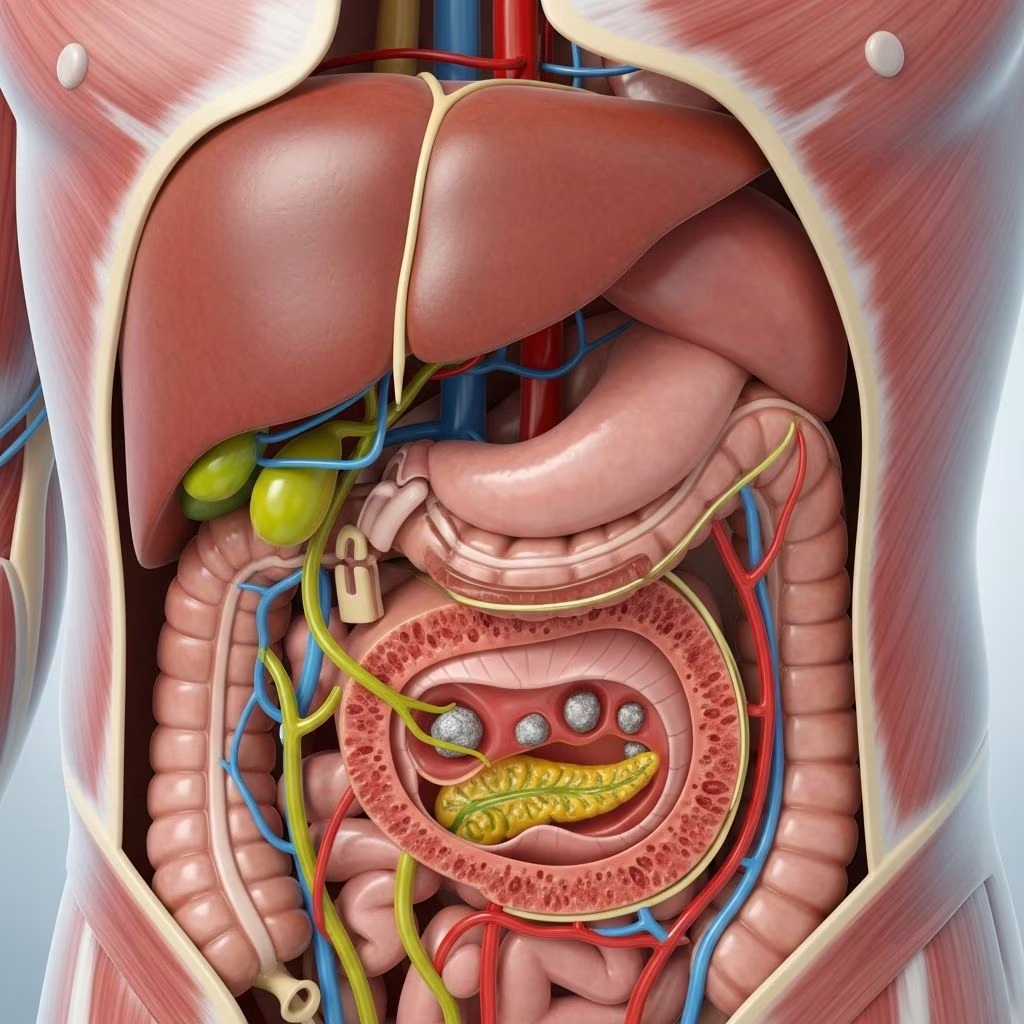
Colon cleansing is a practice aimed at clearing the large intestine (colon) of waste and toxins. The idea is rooted in the belief that accumulated waste is hazardous and that removing it benefits digestive function, energy, and overall wellness. While some people advocate regular colon cleanses as part of a healthy lifestyle, the scientific evidence supporting such claims varies widely. This article covers safe, natural colon cleanse methods, their advantages and potential risks, and diet strategies to promote long-term colon health.
What Is a Colon Cleanse?
A colon cleanse refers to a range of practices, products, and dietary changes intended to clear the colon of built-up waste. Methods include commercial cleansing products, colonic irrigation, special dietary regimens, and natural techniques using hydration and fiber-rich foods. Colon cleansing is often promoted for:
- Relieving constipation and improving regularity
- Enhancing digestive function
- Boosting energy and overall well-being
- Detoxifying the body
However, it’s essential to distinguish between evidence-based methods and those lacking scientific support. The following sections review safe, natural strategies recommended by health professionals.
Natural Colon Cleanse Methods Supported by Diet
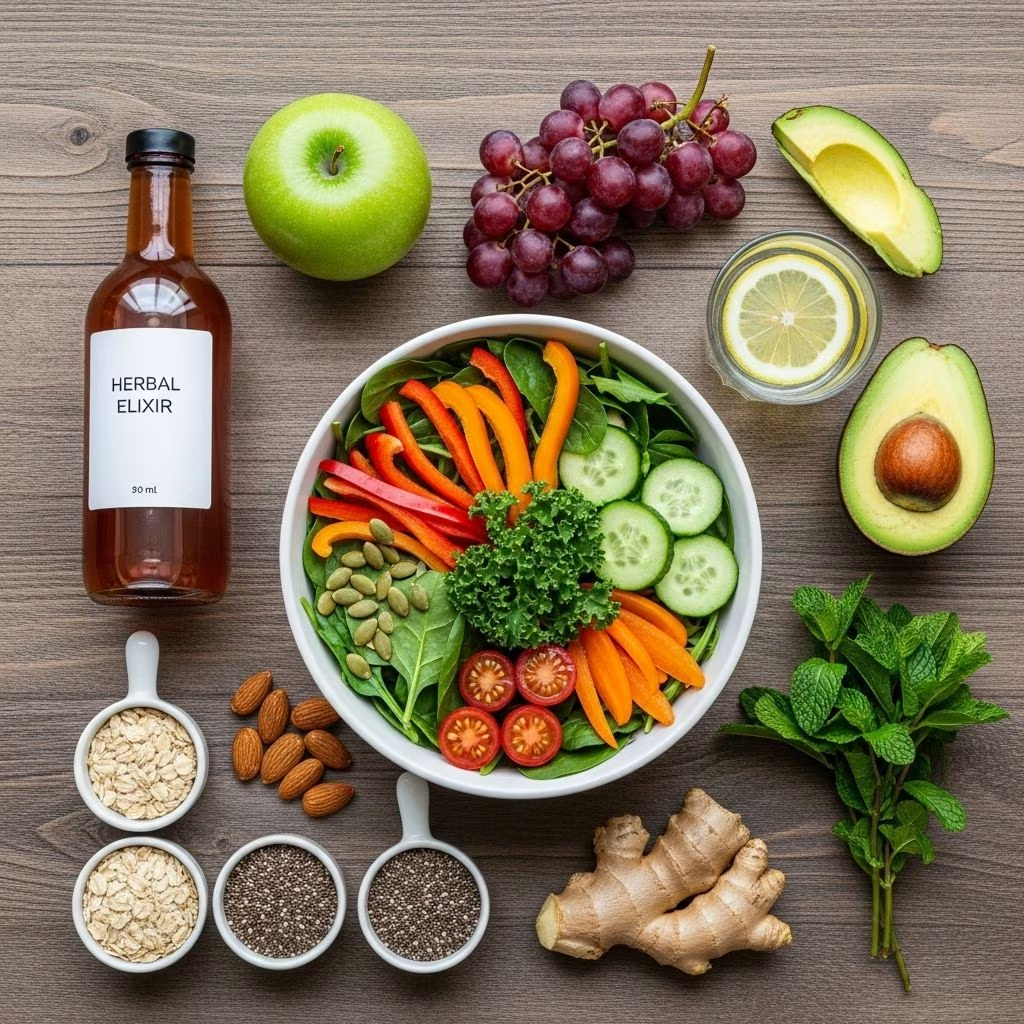
The safest and most effective colon cleanse methods primarily rely on dietary strategies that nourish and regulate the gut. Rather than resorting to harsh commercial cleansers or invasive procedures, adopting the following approaches helps maintain colon health naturally.
1. Hydration: Drink Plenty of Water
Staying well hydrated is crucial for digestive health. Drinking adequate water helps soften stool and keeps waste moving efficiently through the colon. Nutrition experts recommend drinking 6–8 glasses of water daily for optimal hydration.
Water-rich foods can also contribute to colon cleansing. Examples include:
- Watermelon
- Tomatoes
- Lettuce
- Celery
These foods add bulk and fluid to stool, supporting natural elimination .
2. Saltwater Flush
Some people use a saltwater flush for rapid colon cleansing. The process typically involves mixing 2 teaspoons of sea salt or Himalayan salt into lukewarm water and drinking it quickly on an empty stomach. This practice is said to stimulate bowel movements within minutes.
While a 2010 study found saltwater plus yoga may cleanse the colon before medical procedures, scientific evidence for routine use is limited. Saltwater flushes may not be suitable for individuals with high blood pressure or sodium restrictions. Consult a healthcare provider before trying this method .
Tips for saltwater flush:
- Best performed in the morning, before eating
- Remain close to a bathroom, as results are often rapid
- Do not use this method if you need to limit sodium
3. High-Fiber Diet
A diet rich in fiber is the cornerstone of safe colon cleansing and ongoing digestive wellness. Fiber, found in plant-based foods, adds bulk that sweeps waste through the colon and fosters a healthy gut environment. Regular fiber intake can:
- Prevent constipation
- Regulate overactive bowels
- Feed beneficial gut bacteria (prebiotic effect)
Top high-fiber foods:
- Whole grains (oats, brown rice, barley)
- Legumes (beans, lentils, peas)
- Nuts and seeds
- Fruits (apples, berries, pears)
- Vegetables (broccoli, leafy greens, carrots)
How Much Fiber Do You Need?
Most adults should aim for 25–30 grams of dietary fiber daily. Gradually increase intake to avoid bloating, and ensure adequate hydration .
4. Juices and Smoothies
Fruit and vegetable juices are popular in colon cleansing regimens. Juices provide hydration, vitamins, minerals, and some fiber (mainly in smoothies). Research on juice-based colon cleanses is limited. While moderate intake of juices can support digestion, excessive juicing or fasting may cause nutrient imbalances or blood sugar spikes.
Key differences:
- Juices: Remove most fiber; provide hydration and micronutrients
- Smoothies: Retain more fiber; support bowel regularity and colon health
Beneficial juice ingredients:
- Apple juice
- Lemon juice
- Green vegetables (kale, spinach, cucumber)
- Carrot
Try adding a glass of fresh juice or a fiber-rich smoothie to your daily routine for consistent digestive support. There’s no need to rely strictly on juicing or cleanse fasting for results. Eating whole fruits and vegetables is generally more effective .
5. Resistant Starches
Resistant starches are carbohydrates that resist digestion and act like fiber. They help bulk up stool, foster healthy gut microbiota, and may reduce the risk of colon cancer. Good sources include:
- Potatoes (especially cooked and cooled)
- Rice (cooled, such as in sushi or salads)
- Legumes (lentils, chickpeas)
- Green bananas
- Whole grains (whole wheat bread, oats)
If you follow a low-carbohydrate diet, focus on options that cause smaller blood sugar spikes, such as lentils or green bananas. Including resistant starches in your diet can support colon health and regularity .
6. Probiotics
Probiotics introduce beneficial bacteria to the digestive tract, which can help balance gut flora and curb inflammation. Sources of probiotics include:
- Yogurt
- Kefir
- Kimchi
- Pickles (fermented naturally)
- Other fermented foods
Probiotic supplements are available, but food sources often provide additional nutritional value. For enhanced effects, combine probiotics with fiber and resistant starches, which feed and maintain these good bacteria. Some proponents add apple cider vinegar to colon cleanse routines, believing its enzymes and acids suppress bad bacteria; however, clinical evidence is limited .
| Method | Key Benefits | Recommended Foods/Actions |
|---|---|---|
| Hydration | Regulates digestion, softens stool | Water, water-rich fruits/vegetables |
| Saltwater Flush | May stimulate bowel movements | Salt + lukewarm water (doctor approval) |
| High-Fiber Diet | Bulks stool, supports gut health | Whole grains, legumes, nuts, fruits, veggies |
| Juices/Smoothies | Hydration, vitamins, some fiber | Apples, lemons, green veggies (prefer smoothies) |
| Resistant Starches | Gut microbiota, lower cancer risk | Potatoes, rice, legumes, green bananas |
| Probiotics | Balances gut bacteria, reduces inflammation | Yogurt, kimchi, kefir, fermented foods |
Potential Benefits of Colon Cleansing
- May relieve constipation and promote regularity
- Could support overall digestive comfort
- Might help improve energy levels (anecdotally)
- Some report feeling lighter or less bloated after cleansing
It’s important to note that scientific support for many colon cleanse claims remains limited. Most experts recommend dietary and lifestyle changes rather than aggressive cleansing regimens .
Risks and Limitations of Colon Cleansing
Colon cleanse diets and procedures are not risk-free. Common downsides include:
- Dehydration: Excessive laxative use or aggressive cleansing may lead to fluid loss.
- Electrolyte Imbalances: Saltwater or stimulant-based cleanses may disrupt sodium and potassium levels.
- Digestive Distress: Abdominal cramps, bloating, or diarrhea may occur.
- Dependency: Routine misuse of laxatives can weaken normal bowel function.
- Infection or Injury: Rare but possible if invasive methods are used.
Individuals with chronic digestive conditions, heart, kidney, or high blood pressure concerns should avoid certain cleanse methods and consult a healthcare professional. Children, pregnant women, and older adults are at increased risk of complications .
How to Safely Support Long-term Colon Health
- Prioritize a diet rich in fiber from diverse, plant-based sources
- Stay hydrated consistently throughout the day
- Include probiotics and resistant starches regularly
- Limit processed foods, excess sugar, and saturated fats
- Exercise regularly to stimulate digestive movement
- Manage stress and get enough sleep, as both affect gut health
Most healthy adults do not need aggressive colon cleansing. Instead, these steady lifestyle habits support regular, natural elimination and digestive comfort .
Frequently Asked Questions (FAQ)
Q: Is colon cleansing necessary for good health?
A: There is limited clinical evidence that routine colon cleansing provides significant benefits for most healthy individuals. Most experts recommend supporting colon health through diet and lifestyle rather than aggressive cleanses .
Q: What are the safest ways to cleanse the colon?
A: Safe approaches include increasing fiber and water intake, eating more whole plant foods, and including probiotics. Methods involving large fluid intakes, commercial products, or invasive procedures should be approached with caution .
Q: Can colon cleanses help with weight loss?
A: While some juice fasts or short-term cleanses may result in temporary weight loss (typically water weight), they are not considered healthy, sustainable methods for long-term weight management .
Q: Are there medical indications for colon cleansing?
A: Colon cleansing may be medically indicated before certain procedures, such as a colonoscopy. In these cases, bowel preparation protocols are guided by physicians and should not be self-administered unless directed .
Q: Who should avoid colon cleansing?
A: Individuals with chronic gastrointestinal conditions, heart or kidney disease, high blood pressure, children, pregnant women, and older adults should consult a doctor before considering any form of colon cleanse .
Key Takeaways
- Natural colon cleansing focuses on hydration, fiber-rich foods, resistant starches, and probiotics.
- Many commercial or aggressive cleanse methods lack clinical support and may carry risks.
- Long-term colon health is best maintained by healthy lifestyle habits, including a balanced diet, regular exercise, and stress management.
When to Seek Medical Advice
If you experience persistent constipation, abdominal pain, drastic changes in bowel habits, or blood in your stool, consult a healthcare professional. Do not rely solely on colon cleanses for symptom management; professional evaluation is vital for underlying issues.
References Used
- Healthline: 8 Ways to Do a Natural Colon Cleanse at Home
- Vinmec: 7 Ways to Do a Natural Colon Cleanse at Home
- Healthline: Colon Cleanse: What You Need to Know
References
- https://www.healthline.com/health/natural-colon-cleanse
- https://www.vinmec.com/eng/blog/try-7-ways-to-clean-the-large-intestine-naturally-at-home-en
- https://www.healthline.com/health/digestive-health/pros-cons-colon-cleanse
- https://www.medicalnewstoday.com/articles/323746
- https://www.nccih.nih.gov/health/detoxes-and-cleanses-what-you-need-to-know
- https://www.medicalnewstoday.com/articles/3-day-gut-reset
- https://www.betterhealth.vic.gov.au/health/healthyliving/gut-health
- https://www.mayoclinic.org/healthy-lifestyle/consumer-health/expert-answers/colon-cleansing/faq-20058435
- https://www.mdanderson.org/cancerwise/colon-cleanse–health-or-hype.h00-159778812.html
- https://www.healthline.com/health/video/what-really-happens-when-you-try-a-colon-cleanse-dr-sethi-answers