Feeling bloated or puffy after a salty meal, a long flight, or during certain times of the month? You might be wondering what you can do to help your body shed excess water. Natural diuretics—found in common foods, teas, and herbs—may help reduce mild fluid retention for many people. But what exactly are they, how do they work, and which options are safest? This comprehensive guide covers the science behind natural diuretics, key foods and herbs, potential risks, and best practices.
What Are Diuretics?
Diuretics are substances that help your body remove sodium (salt) and water, usually by increasing urine production. They are widely used in medicine but can also be found in certain foods, drinks, and herbs. By promoting excretion of extra fluid, diuretics can help reduce bloating, swelling, and high blood pressure for some people. However, they can also carry risks, especially if overused.
Why Do People Use Diuretics?
- To manage mild swelling or puffiness (edema) in the feet, ankles, or hands
- To temporarily decrease bloating or water weight, especially before events or after a salty meal
- To support kidney function in certain medical conditions under medical supervision
- For blood pressure or heart health (when prescribed by a healthcare provider)
Important note: If you have significant swelling, heart, liver, or kidney problems, or are taking prescription medications, always consult a healthcare professional before attempting to treat fluid retention on your own.
How Do Natural Diuretics Work?
Most natural diuretics (sometimes called “water pills”) work by helping your kidneys excrete more sodium, which leads to greater elimination of water via urine. Foods and herbs with natural diuretic properties often contain high water content, specific plant compounds, or electrolytes like potassium, all of which may support fluid balance. Compared to synthetic diuretics, food-based options are generally milder and less likely to cause rapid or dangerous fluid loss.
Common Causes of Water Retention
- Excess dietary salt (sodium)
- Pre-menstrual syndrome or hormonal fluctuations
- Long periods of sitting or standing
- Certain medications
- Underlying health conditions (e.g., heart failure, kidney dysfunction, liver disease)
Top Natural Diuretics: Foods and Beverages
The following foods and drinks are most commonly cited for their natural diuretic effects:
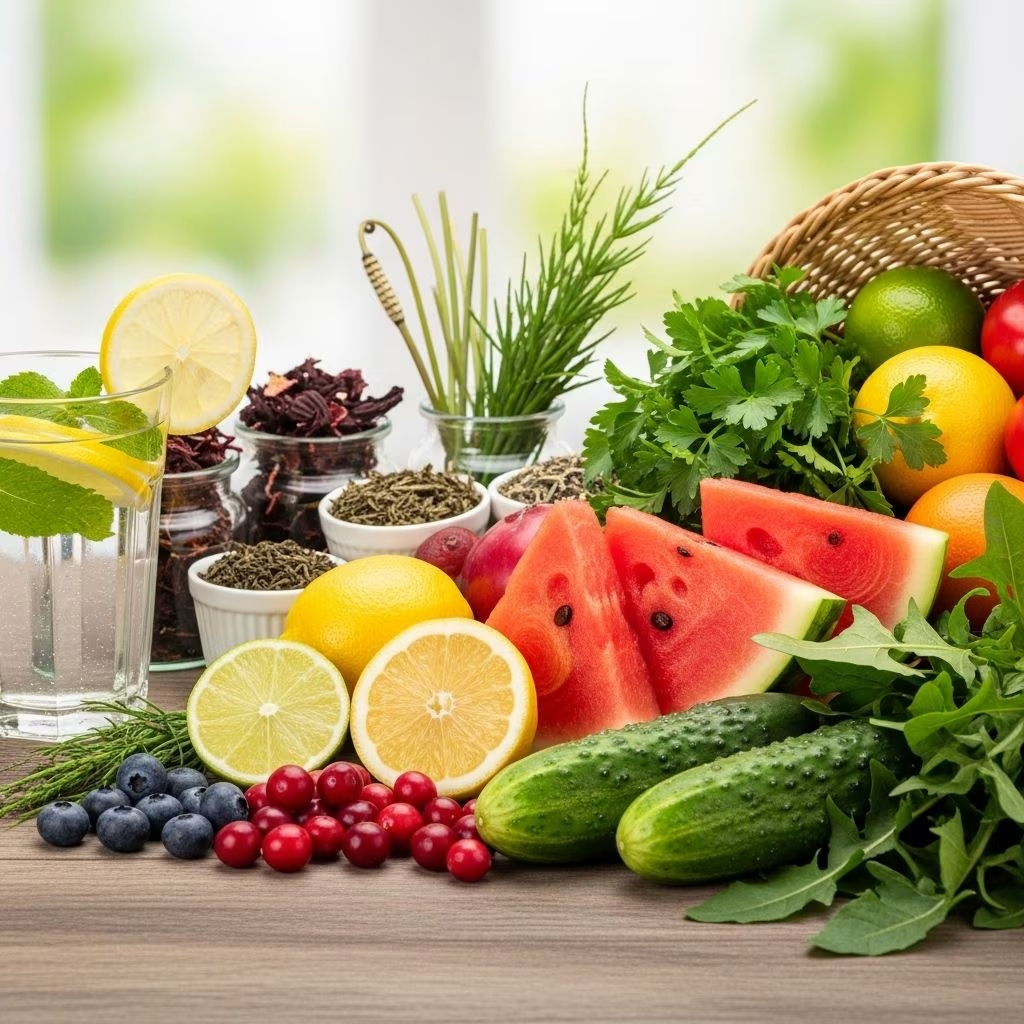
- Watermelon: Contains over 92% water and lots of potassium. Its amino acid L-citrulline promotes blood vessel dilation, which reduces water retention and supports circulation.(1)
- Cucumber: Rich in water and low in calories. Contains caffeic acid, which has been studied for mild diuretic effects and is commonly used in beauty treatments for puffiness.(4)
- Celery: High in water and electrolytes, provides potassium and essential nutrients. Frequently used to flush out fluids and support hydration.(1)(4)
- Asparagus: Used for centuries as a natural diuretic, thanks largely to the amino acid asparagine, which stimulates kidney function. Consumption can cause a temporary change in urine odor.(1)(2)
- Tomatoes: About 90% water, contain potassium and antioxidants like lycopene, which help counteract sodium and reduce edema.(4)
- Carrots: Contain antioxidants, vitamins, and high water content, contributing to gentle water loss.(4)
- Leafy Greens (spinach, kale): High potassium and magnesium content helps balance internal sodium levels, supporting the body’s natural water regulation.(5)
- Berries: Strawberries, blueberries, and other berries contain substantial water and antioxidants, supporting hydration and mild diuresis.(4)
- Lemon and Citrus Fruits: High in vitamin C, support kidney function, and may promote increased urine production.(3)
- Pineapple: Contains bromelain, an enzyme with anti-inflammatory and mild diuretic effects.(4)
- Cantaloupe and Melon: Rich in water and potassium, making them effective at helping your body shed sodium.(1)
- Beets: Naturally high in potassium and supportive for kidney health.(4)
Natural Diuretic Herbs and Teas
The following herbs and plant-based remedies have traditional and research-backed diuretic properties:
- Dandelion (Taraxacum officinale): A common garden weed, dandelion leaves and root have been used for diuretic purposes in various cultures. Studies suggest dandelion leaf extract can increase urination frequency and act quickly. Can be consumed as a salad green, tea, capsule, or tincture.(2)(3)
- Parsley: Used in folk medicine as a mild diuretic, fresh parsley can be added to salads, smoothies, or brewed as herbal tea.(2)(3)
- Hawthorn (Crataegus species): Traditional herbal medicine uses hawthorn berries and leaves to support urinary output and cardiovascular health.(2)
- Hibiscus: Often brewed as a tart, ruby-red tea, hibiscus may support urination and healthy blood pressure levels.(2)
- Horsetail (Equisetum arvense): A fern-like herb with proven diuretic effects. Horsetail is available as a tea or supplement and should not be used long-term or by individuals with certain health conditions (e.g., kidney disease, diabetes).(1)(2)
- Juniper berry: Used for centuries in both culinary and medicinal traditions to increase urine output and improve kidney function.(2)
- Green and Black Tea: Both contain caffeine and beneficial plant compounds, acting as mild diuretics and antioxidants. Caffeine may temporarily increase urine output in non-habitual users.(2)(4)
Diuretic Foods vs. Prescription Diuretics
| Aspect | Natural Diuretics (Foods/Herbs) | Prescription Diuretics |
|---|---|---|
| Source | Plant-based foods, teas, herbs | Pills/tablets (medications) |
| Potency | Mild—gradual fluid elimination | Strong—used for specific conditions |
| Risks | Generally low, but possible with excessive use/supplements | Higher—require monitoring and prescription |
| Uses | General wellness, mild bloat | Heart failure, kidney/liver disease, severe edema |
Are Natural Diuretics Safe?
While most natural diuretics found in foods are safe for healthy people, even mild diuretic foods or herbal teas can pose risks if you:
- Have kidney, liver, or heart problems
- Are on prescription diuretics or certain blood pressure medications
- Are pregnant or breastfeeding
- Have low blood pressure or are prone to dehydration
- Overuse herbal supplements or concentrated extracts
Always consult with a healthcare provider before using herbals or concentrated supplements, especially if you have an underlying health condition.
Best Tips for Using Natural Diuretics Effectively
- Focus on Dietary Variety: Eat a wide range of fruits, vegetables, and leafy greens for balanced nutrition and natural hydration.
- Stay Well Hydrated: Drink plenty of water, especially if you include foods or teas that increase urine output.
- Limit Processed Foods: Reduce excess sodium from processed foods, which is a primary cause of water retention.
- Add Parsley, Celery, or Cucumber: These can be chopped into salads, blended into smoothies, or added to water for subtle flavor and diuretic support.
- Consider Herbal Teas Occasionally: Hibiscus, dandelion, or green tea can offer some benefits, but start with small amounts to gauge your response.
- Watch for Side Effects: Symptoms like dizziness, frequent urination, or dehydration warrant cutting back and speaking to a doctor.
Potential Risks and Interactions
- Electrolyte imbalance: Too many diuretic foods, especially when combined with sweat loss or certain meds, can upset your sodium or potassium balance.
- Kidney strain: Certain herbal diuretics or large amounts of potassium-rich foods can be hard on weakened kidneys.
- Interactions with medications: Especially common with blood pressure pills, lithium, certain antibiotics, and diabetes medications.
- Allergic reactions from herbals are rare but possible (always check with your medical provider).
When to See a Doctor About Water Retention
While mild, occasional puffiness is often managed with food and hydration changes, consult a physician promptly if you notice:
- Sudden or severe swelling
- Shortness of breath, chest pain, or difficulty breathing
- Major weight gain over a few days
- Changes in urination pattern or color
- Painful or one-sided swelling
These could signal a serious medical problem like heart, kidney, or liver disease that needs urgent care.
Frequently Asked Questions (FAQs)
Q: What are the best natural diuretic foods for everyday use?
Fruits and vegetables with high water content—such as watermelon, cucumber, celery, lemons, and tomatoes—are excellent for mild water retention and general hydration.
Q: Are herbal teas like dandelion or hibiscus safe for everyone?
Herbal teas are generally considered safe in moderation for healthy adults. However, people with kidney disease, heart conditions, those who are pregnant or breastfeeding, or those on diuretic/blood pressure medications should check with their doctor before using these herbs regularly.
Q: How quickly do natural diuretics work?
Most diuretic foods have a gentle, cumulative effect over a day or two. Herbal teas or supplements may work more quickly, but effects vary widely between individuals.
Q: Can I lose weight by taking natural diuretics?
Diuretics may cause temporary loss of water weight but do not result in loss of fat. Sustainable weight loss comes from healthy eating, physical activity, and lifestyle changes.
Q: Should I avoid salt completely if I’m retaining water?
Most people should limit excess sodium from packaged and restaurant foods, but your body does need some salt for vital functions. Focus on balance, not total avoidance.
Conclusion: Making Natural Diuretics Part of a Healthy Lifestyle
Including a variety of hydrating fruits, vegetables, and herbal teas can support your body’s fluid balance and help manage occasional puffiness. However, these should complement—not replace—medical advice and do not treat underlying health problems on their own. For most people, enjoying natural diuretics in moderation as part of a balanced, whole-food diet is both safe and beneficial.
References: This guide synthesizes insights from health experts, peer-reviewed science, and major health organizations as referenced in the original Good Housekeeping article and supplementary reputable sources for accuracy.
References
- https://www.medicinenet.com/the_12_best_natural_diuretics_to_eat_or_drink/article.htm
- https://www.healthline.com/health/natural-diuretics
- https://www.dietvsdisease.org/7-best-natural-diuretics/
- https://www.udc-uae.com/list-of-foods-that-are-natural-diuretics/
- https://health.clevelandclinic.org/natural-diuretics
- https://www.goodhousekeeping.com/health/diet-nutrition/a20707480/natural-diuretics/
- https://www.medicalnewstoday.com/articles/313001
- https://www.healthline.com/nutrition/best-diuretic-foods-drinks