Obesity and Heart Disease: Understanding the Critical Connection
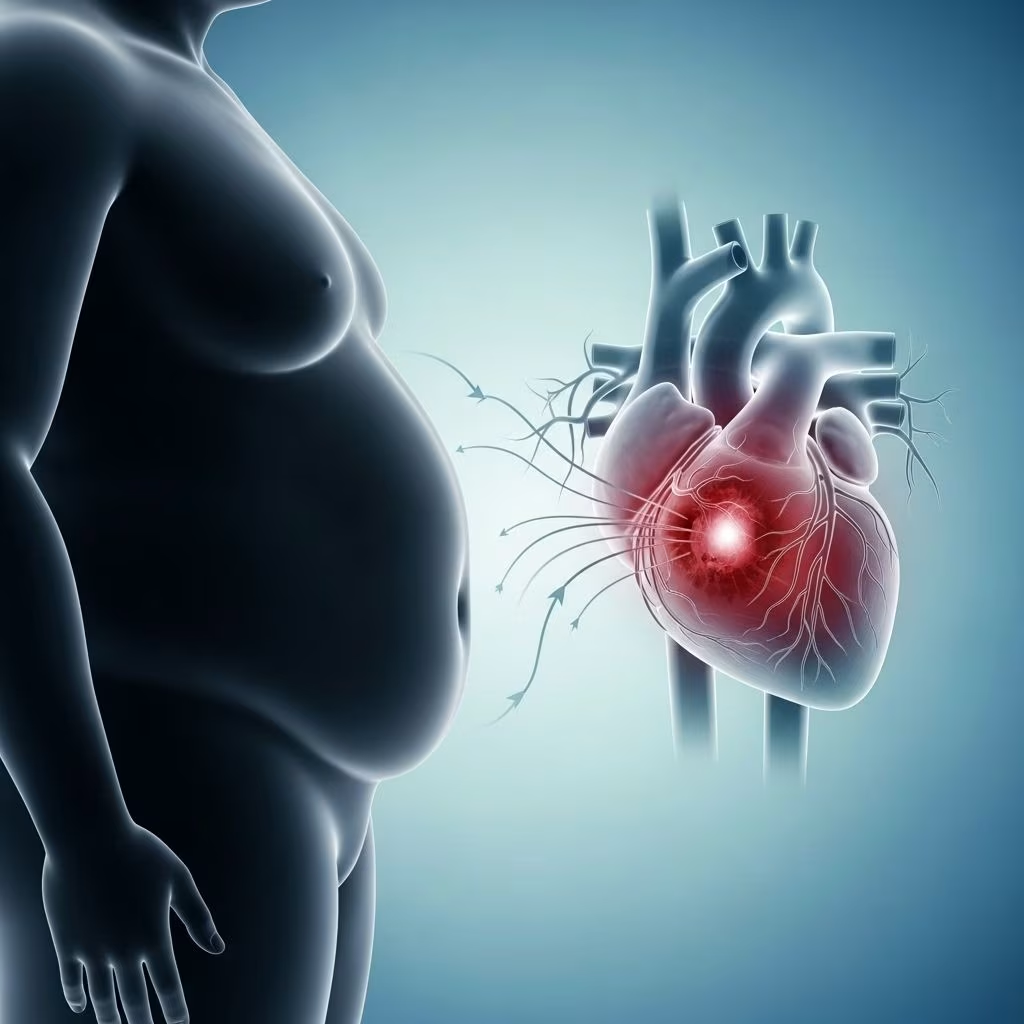
Heart disease remains the leading cause of death globally, and obesity is one of its most significant, modifiable risk factors. Over recent decades, both obesity prevalence and obesity-related heart disease rates have escalated significantly. Understanding how excess weight leads to cardiovascular problems is vital for both prevention and effective treatment.
What Is Obesity?
Obesity is defined as having an excessive amount of body fat, typically measured by metrics such as body mass index (BMI), waist circumference (WC), and waist-to-hip ratio (WHR). A BMI of 30 or higher is categorized as obese. Other measures, such as increased waist size, also correlate closely with health risks, particularly when visceral fat accumulates near vital organs. Obesity can result from a combination of genetic, behavioral, environmental, and metabolic factors.
How Obesity Raises the Risk of Heart Disease
There is overwhelming evidence that obesity is a significant risk factor for a range of cardiovascular diseases (CVDs), including coronary artery disease, heart failure, arrhythmias, and stroke. Obesity not only directly impacts heart health but also indirectly increases risk by amplifying other cardiovascular risk factors.
- Elevated Blood Pressure: Excess fat forces the heart to work harder, contributing to hypertension (high blood pressure).
- Type 2 Diabetes: Obesity is closely linked to insulin resistance, increasing the risk for diabetes, which itself is a powerful cardiovascular risk factor.
- High Cholesterol: Increased body fat can raise levels of low-density lipoprotein (“bad” cholesterol) and triglycerides, while lowering high-density lipoprotein (“good” cholesterol).
- Sleep Apnea: Obesity increases the risk for sleep disorders like obstructive sleep apnea, which further raise blood pressure and strain the cardiovascular system.
- Inflammation and Hormone Imbalance: Fat tissue, especially around the abdomen and organs, produces inflammatory substances that damage blood vessels and contribute to atherosclerosis.
The Rising Tide: Trends in Obesity-Related Heart Disease
New research demonstrates that the rate of deaths associated with obesity-related heart disease has surged in recent years. For example, the rate of deaths from ischemic heart disease attributed to obesity nearly tripled in the United States from 1999 to 2020. Certain populations—including Black adults, middle-aged men, and those in the Midwest or non-metropolitan areas—experience some of the highest rates of obesity-linked heart disease and death.
- The overall rate of heart disease deaths related to obesity increased by approximately 180% from 1999 to 2020.
- Men experienced a more than threefold increase in obesity-related ischemic heart disease deaths during this period.
- Obesity’s rise, especially in North America and developed nations, continues to fuel an alarming trend in cardiovascular morbidity and mortality.
How Obesity Damages the Heart: Mechanisms and Pathophysiology
Excess body weight does much more than add stress to joints. It leads to complex changes in cardiovascular physiology:
- Endothelial Dysfunction: Obesity damages the thin lining inside blood vessels, contributing to early atherosclerosis (plaque buildup).
- Inflammation and Adipokines: Fat tissue (adipose tissue) acts as an active endocrine organ. In obesity, it secretes high levels of pro-inflammatory chemicals (interleukin-6, tumor necrosis factor-alpha, C-reactive protein), increasing the risk for insulin resistance, hypertension, and atherosclerosis.
- Fatty Acid Toxicity: Adipose tissue can become “overloaded,” resulting in increased circulating free fatty acids and accumulation in vital organs such as the liver, pancreas, and skeletal muscle. This triggers oxidative stress and metabolic dysfunction throughout the body.
- Epicardial Fat: Fat surrounding the heart (epicardial adipose tissue) promotes localized inflammation and alters cardiac gene expression, which drives coronary artery disease and arrhythmias.
- Structural Heart Changes: Chronic volume overload caused by excess fat leads to enlargement and thickening of the heart’s left ventricle, impaired filling (diastolic dysfunction), and eventually to heart failure.
Obesity and Its Impact on Major Heart Diseases
1. Coronary Artery Disease (CAD)
CAD, also known as ischemic heart disease, occurs when the arteries supplying blood to the heart become narrowed or blocked by fatty deposits, often initiating with the inflammatory changes triggered by obesity. As fat accumulates and cholesterol rises, the risk of heart attack or angina increases sharply in overweight and obese individuals.
2. Heart Failure
Being overweight greatly increases the risk of both systolic and diastolic heart failure. Long-term excess weight leads to chronic volume overload and left ventricular remodeling, resulting in both the structure and function of the heart being compromised.
Data from major studies, including the Framingham Heart Study, indicate that:
- Each unit increase in BMI raises heart failure risk by approximately 5% in men and 7% in women.
- Severely obese individuals (BMI ≥35) have a significantly higher risk of heart failure compared to their normal-weight counterparts.
- The longer a person remains severely obese, the higher the prevalence and likelihood of congestive heart failure, with up to 90% prevalence after 30 years.
3. Arrhythmias and Sudden Cardiac Death
Obesity heightens the risk of irregular heart rhythms, particularly atrial fibrillation. Increased epicardial fat and inflammation alter the electrical properties of the heart, predisposing to arrhythmic events and, in severe cases, sudden cardiac death.
4. Stroke
Obesity indirectly raises stroke risk through hypertension, diabetes, and atherosclerosis. Some data show that severe obesity increases the likelihood of stroke by 75% compared to those of normal weight.
Who Is Most at Risk?
- Age: Risk rises with age, especially after 65 years, when body fat distribution and associated metabolic changes worsen.
- Gender: Males are generally at higher risk for increased waist circumference and central obesity, while females often see higher overall body fat and hip circumference in older age.
- Sociodemographic Factors: Lower educational attainment, unmarried status, and living in non-metropolitan areas are associated with higher rates of obesity and heart disease.
- Lifestyle: Lack of exercise, excessive caloric intake, high alcohol consumption, and persistent tobacco use amplify risk.
Common Measures Used to Assess Obesity
| Metric | Description | Risk Threshold |
|---|---|---|
| BMI (Body Mass Index) | Weight in kg divided by height in meters squared | ≥ 30 is obese |
| Waist Circumference (WC) | Measurement around the abdomen | > 40 in (men), > 35 in (women) |
| Waist-to-Hip Ratio (WHR) | Waist divided by hip circumference | ≥ 0.90 (men), ≥ 0.85 (women) |
How to Lower Your Heart Disease Risk If You Have Obesity
The good news is that even modest weight loss (5-10% of your body weight) can dramatically reduce your risk for heart disease and related metabolic conditions. Here are evidence-based strategies:
- Regular Physical Activity: At least 150 minutes of moderate-intensity aerobic exercise per week (e.g., brisk walking, swimming, cycling).
- Dietary Changes: Focus on plant-rich diets such as the Mediterranean or DASH diet. Limit saturated fats, added sugars, and processed foods.
- Behavioral Modification: Incorporate support groups, counseling, or health coaching for sustainable lifestyle changes.
- Medication: In some cases, prescription medications may be appropriate when lifestyle changes aren’t enough.
- Surgical Options: Bariatric surgery is considered for adults with BMI ≥40 (or ≥35 with complications), shown to reduce heart disease risk and improve overall health.
Quick Tips for Heart Health
- Monitor your blood pressure, blood sugar, and cholesterol regularly.
- Minimize salt and trans fat intake.
- Avoid tobacco and reduce alcohol consumption.
- Get adequate, quality sleep.
Frequently Asked Questions (FAQs)
How much weight do I have to lose to reduce my heart disease risk?
Even a 5-10% reduction in body weight can lead to significant improvements in blood pressure, cholesterol, and blood sugar, thereby lowering your risk for heart disease.
Does losing weight reverse heart disease?
While not all heart disease is reversible, weight loss improves risk factors (such as blood pressure and cholesterol) and may slow or even partially reverse early heart disease progression.
Who should consider bariatric surgery for heart disease prevention?
Surgery is generally advised for adults with a BMI of 40 or greater, or 35 and above if there are additional risk factors or complications (like uncontrolled type 2 diabetes or sleep apnea).
Are certain types of fat more dangerous?
Yes, visceral fat (the fat stored around abdominal organs) poses a higher risk than subcutaneous (under the skin) fat. It is strongly linked to insulin resistance and inflammation.
Does everyone with obesity develop heart disease?
Not everyone, but the risk is substantially higher for those with obesity, especially for those with a family history of heart disease or other health risk factors.
Takeaway Message
Obesity remains one of the most impactful modifiable risk factors for heart disease. Through a combination of healthy eating, physical activity, behavioral changes, medical interventions, and regular monitoring, individuals can lower their risk for cardiovascular disease and significantly improve their overall well-being. Early intervention and sustained lifestyle changes are the best tools for achieving a healthier heart.
References
- https://academic.oup.com/eurjpc/article/31/8/1026/7578360
- https://www.heart.org/en/news/2024/11/13/death-rates-linked-to-obesity-related-heart-disease-are-up
- https://pmc.ncbi.nlm.nih.gov/articles/PMC10132081/
- https://www.medicalnewstoday.com/articles/coronary-artery-disease-and-obesity
- https://www.healthline.com/health-news/body-fat-percentage-heart-disease-death-risk
- https://pmc.ncbi.nlm.nih.gov/articles/PMC6179812/
- https://www.cdc.gov/heart-disease/risk-factors/index.html
- https://my.clevelandclinic.org/health/diseases/11209-weight-control-and-obesity