Ocular histoplasmosis syndrome (OHS) is a serious eye condition that can develop after a systemic fungal infection caused by the Histoplasma capsulatum fungus. While many people who contract the initial infection may not realize it due to mild symptoms, the after-effects can lead to delayed but significant vision problems—sometimes years or even decades later. This comprehensive guide explores the connection between histoplasmosis and eye health, its risk factors, symptoms, diagnosis, and the latest treatment options for preserving your vision.
What Is Histoplasmosis?
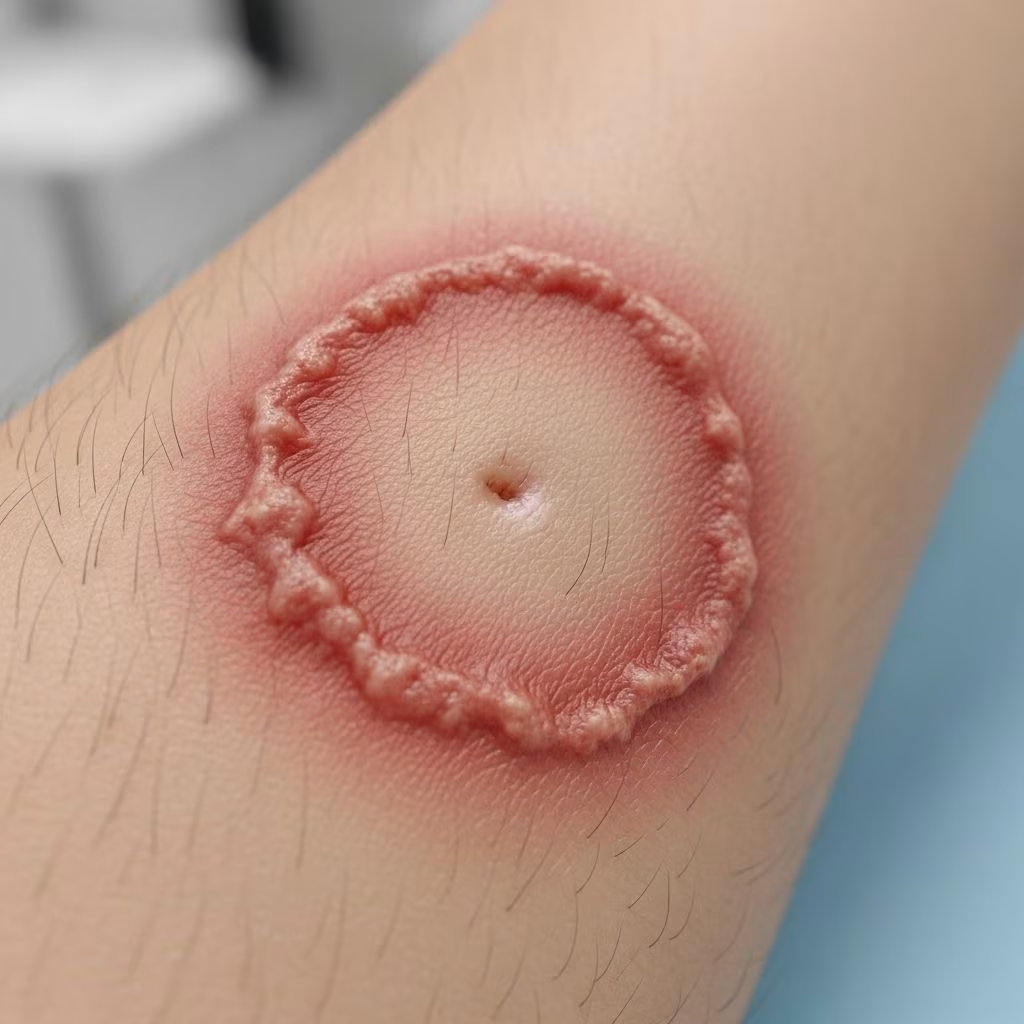
Histoplasmosis is a fungal infection caused by Histoplasma capsulatum. This fungus thrives in soil contaminated by bat or bird droppings, particularly in certain geographical areas. Most cases occur after breathing in the fungal spores, usually during activities that disturb contaminated soil, such as farming, gardening, demolition, or cleaning old structures.
- The infection primarily affects the lungs and often resembles a mild cold or flu, making it difficult to recognize at the time.
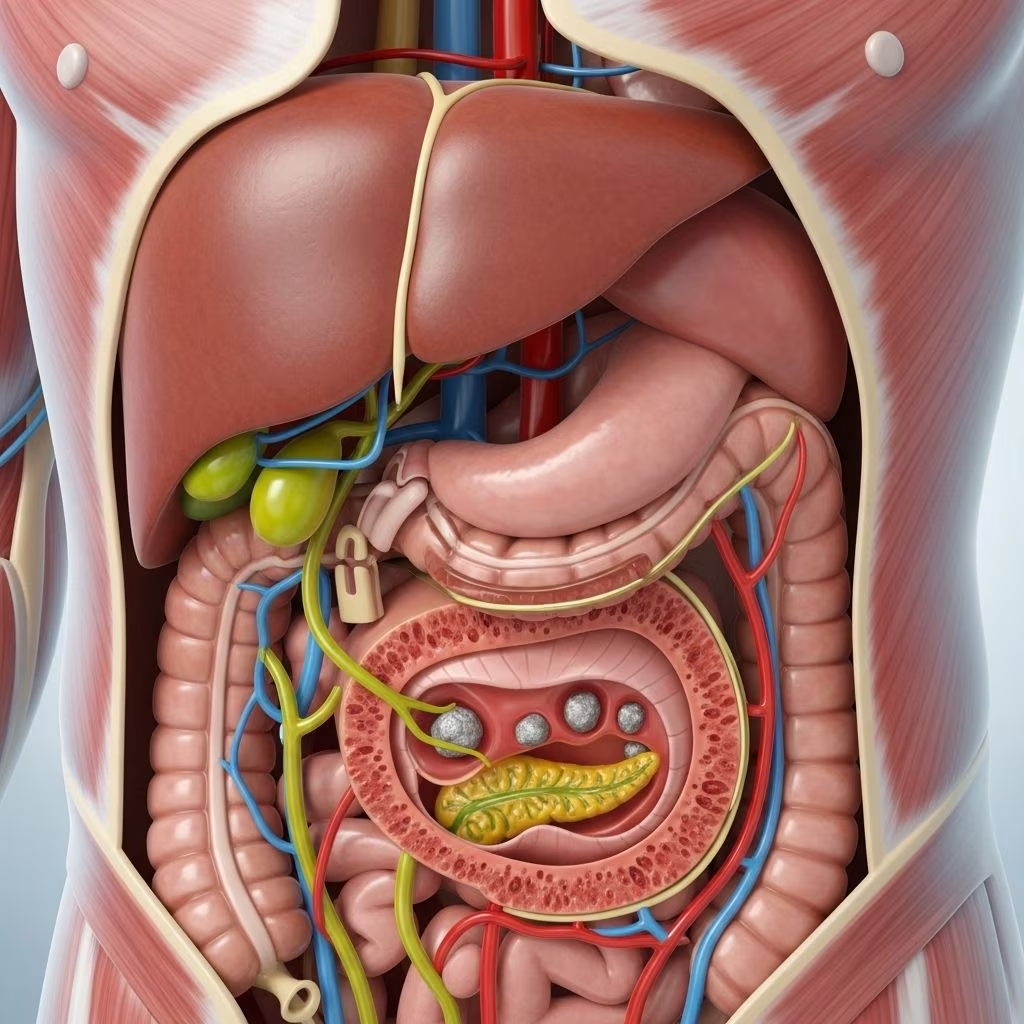
- Severe infections, though rare, can become systemic (disseminated) and impact organs beyond the lungs—including the eyes.
How Can Histoplasmosis Affect the Eyes?
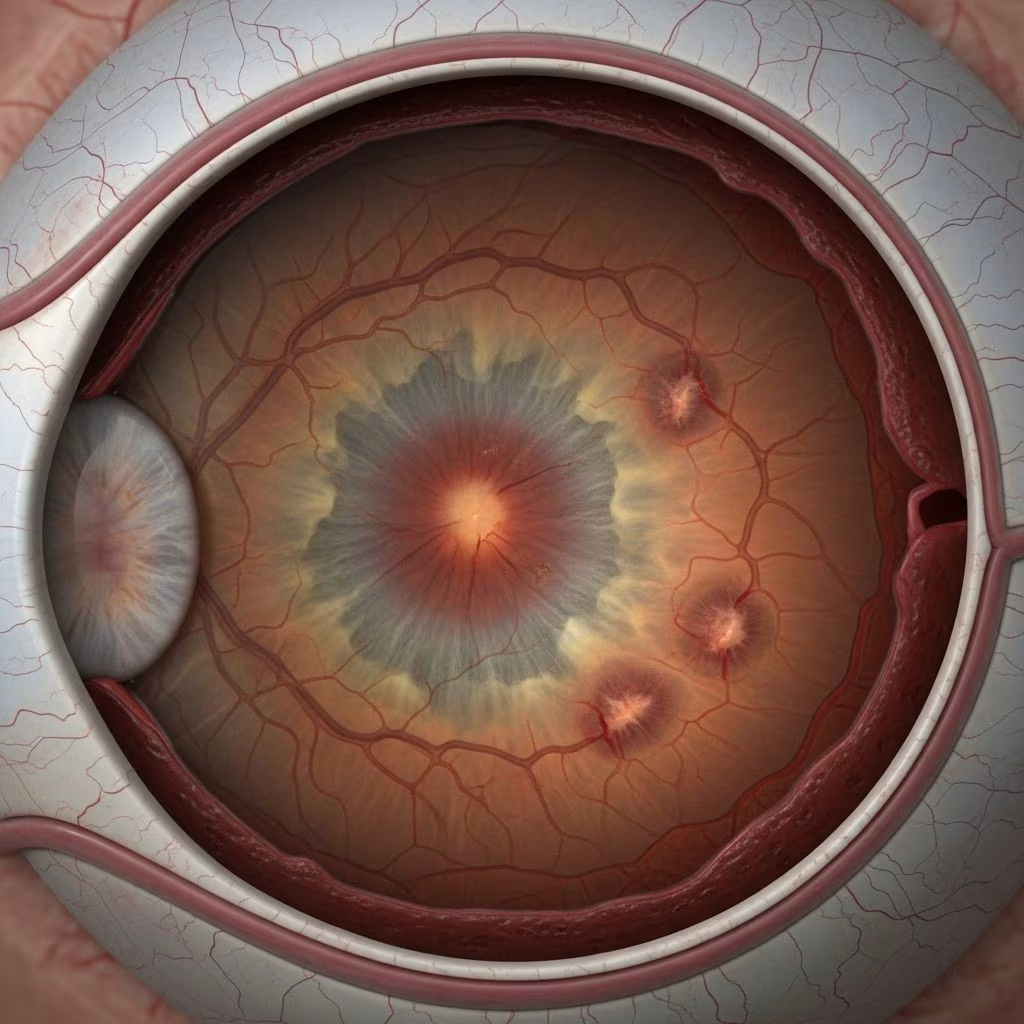
Ocular histoplasmosis syndrome (OHS) is not the result of an active fungal infection in the eye. Instead, following the initial illness—sometimes decades before—tiny areas of inflammation can leave behind scars called histo spots in the retina. While many people never experience vision changes, these scars can lead to complications if abnormal blood vessels grow in or near the macula (the area responsible for sharp, central vision).
- Histo spots usually do not affect vision unless complications arise.
- Complications happen when abnormal blood vessels form (choroidal neovascularization), which can leak and damage the retina.
Timeline of Ocular Disease
- Initial infection: Often unnoticed, typically mimicking common respiratory illnesses.
- Scarring: Small histo spots may develop silently in the retina.
- Potential vision loss: Months or years later, abnormal vessel growth can cause sudden vision changes.
Who Is at Risk for Ocular Histoplasmosis?
Your risk for getting histoplasmosis—and for later developing OHS—depends on several factors:
- Geography: People living in the Ohio and Mississippi River valleys in the United States are at higher risk due to a greater presence of the fungus in bird and bat droppings.
- Occupation: Jobs that disturb soil—such as farming, gardening, construction, demolition, and pest control—increase the likelihood of exposure.
- Living or working around contaminated environments: Cleaning old buildings, caves, chicken coops, or areas with bird or bat populations.
Symptoms: Early Detection of Ocular Histoplasmosis
OHS typically develops without warning symptoms during the initial lung infection. Ocular complications may arise years later and can include:
- Blank or blurry areas in central vision
- Distorted vision (straight lines may appear wavy)
- Difficulty reading or recognizing faces
- Flashes of light or color loss
- Visual disturbances sometimes described as “gray areas” or “faded” central vision
Not everyone with OHS will develop sight-threatening complications, but anyone with a known history of histoplasmosis or a family risk factor should pay close attention to sudden vision changes.
How Is Ocular Histoplasmosis Diagnosed?
Careful eye examinations are crucial for detecting and monitoring OHS. Eyecare professionals use several diagnostic tools:
- Comprehensive dilated eye exam: The doctor examines the retina and checks for histo spots or signs of abnormal blood vessels.
- Ocular coherence tomography (OCT): Provides detailed imaging of the retina to identify swelling or fluid leakage.
- Fluorescein angiography: A special dye test to highlight leaking or abnormal blood vessels in the retina.
- Amsler grid test: A simple hand-held grid that helps catch early vision distortions. Patients at risk can use it at home for self-monitoring.
Treatment Options for Ocular Histoplasmosis
Treatment depends on whether the eye disease is active, and specifically if abnormal blood vessels are damaging the macula. In most cases, if there are no new blood vessels or vision changes, routine observation is all that’s needed. However, active disease or macular involvement requires prompt intervention.
Common Treatments
| Treatment Option | Description | Common Purpose |
|---|---|---|
| Anti-VEGF injections | Medication injected into the eye to stop growth of new abnormal vessels and reduce swelling | Controls leaking; preserves or improves vision |
| Laser photocoagulation | Concentrated laser beam destroys abnormal blood vessels | Prevents further leakage and deterioration |
| Steroid or corticosteroid injections | Injected into or around the eye to reduce inflammation | For persistent swelling/inflammation |
| Antifungal drugs | Systemic therapy for severe or disseminated histoplasmosis (usually not needed for OHS) | Treats underlying systemic infection |
- Anti-VEGF drugs are the most common and effective modern treatment for choroidal neovascularization (abnormal vessel growth under the retina).
- Laser therapy may be used when abnormal vessels are located away from the central vision area (macula).
- Steroids are used as adjunct therapy when inflammation is significant.
- Antifungal medications are rarely used solely for ocular disease unless systemic infection is present.
What Is the Prognosis for Ocular Histoplasmosis?
Most patients with OHS have an excellent long-term prognosis, particularly if treatment occurs promptly after new vessel growth is detected. Regular follow-ups are critical, as early intervention yields better outcomes for vision preservation.
- Timely anti-VEGF injections can stabilize or restore vision in many cases.
- Permanent vision loss can occur, especially if the macula is involved and treatment is delayed.
- Some patients may require repeated treatments or ongoing monitoring with home Amsler grid tests and routine eye exams.
Tips for Protecting Your Vision
- Schedule regular eye exams, especially if you live in a high-risk area or have a history of histoplasmosis.
- Monitor your central vision using an Amsler grid and note changes.
- Seek prompt care if you notice sudden vision changes—blurry spots, distortion, flashes, or blank areas.
- Take precautions during activities that might disturb contaminated soil (e.g., use masks, wet down dusty areas).
Frequently Asked Questions (FAQs) about Ocular Histoplasmosis
What causes ocular histoplasmosis?
Ocular histoplasmosis syndrome occurs when tiny areas of inflammation, caused by a previous systemic Histoplasma capsulatum infection, leave behind scars in the retina. These scars can sometimes lead to abnormal blood vessel growth years after the initial fungal infection.
Is histoplasmosis of the eye contagious?
No, ocular histoplasmosis is not contagious. The underlying lung infection is also not transmitted from person to person; it occurs after inhaling fungal spores present in the environment.
Can histoplasmosis lead to blindness?
While not everyone with OHS experiences vision loss, untreated abnormal growth of blood vessels beneath the retina can result in significant, potentially permanent vision impairment. Early detection and prompt treatment are crucial for preventing blindness.
How often should I be screened if I have OHS?
Most eye doctors recommend annual dilated eye exams for people with known OHS, and more frequent visits if new symptoms arise. Those at higher risk may benefit from regular home monitoring of their vision.
Are antifungal medications used for treating eye manifestations?
Antifungal drugs are typically reserved for severe or systemic infections (disseminated histoplasmosis). For OHS, the main concern is not fungal activity in the eye but scar-induced blood vessel growth, so the treatment focus is on anti-VEGF injections or laser therapy.
When Should You Call a Doctor?
If you have a known history of histoplasmosis or are at risk due to your location or occupation, promptly contact an eye care professional if you notice:
- Sudden or progressive loss of central vision
- Distorted or wavy vision
- Blank or blurred spots in your field of view
- Any change in color perception or difficulty recognizing faces
Timely intervention can make a profound difference in preserving your eyesight.
Key Takeaways
- Histoplasmosis is a fungal infection that can silently leave scars in the retina and may later cause vision loss through abnormal vessel growth.
- OHS typically arises years after the original infection and is not an active fungal disease in the eye.
- Prompt diagnosis and evidence-based treatments—especially anti-VEGF injections—can significantly improve outcomes.
- People at risk should attend regular eye exams and monitor for sudden changes in vision.
Resources and Support
- American Academy of Ophthalmology (AAO)
- National Eye Institute (NEI)
- Speak with your eye care provider for region-specific resources and screening recommendations.
References
- https://www.kcretina.com/blog/safe-effective-treatment-for-histoplasmosis
- https://www.crmd.net/histoplasmosis-treatment/
- https://www.rvscny.com/patient-eduction/conditions-we-treat/ocular-histoplasmosis-syndrome/
- https://www.downstate.edu/patient-care/find-treatment/areas-of-care/ophthalmology/eye-disorders/histoplasmosis.html
- https://my.clevelandclinic.org/health/diseases/5635-histoplasmosis
- https://www.asrs.org/patients/retinal-diseases/18/presumed-ocular-histoplasmosis-syndrome
- https://www.eyecenters.com/eye-care-services/retina-and-vitreous/ocular-histoplasmosis/