Paradoxical Insomnia: Exploring the Sleep Misperception Disorder
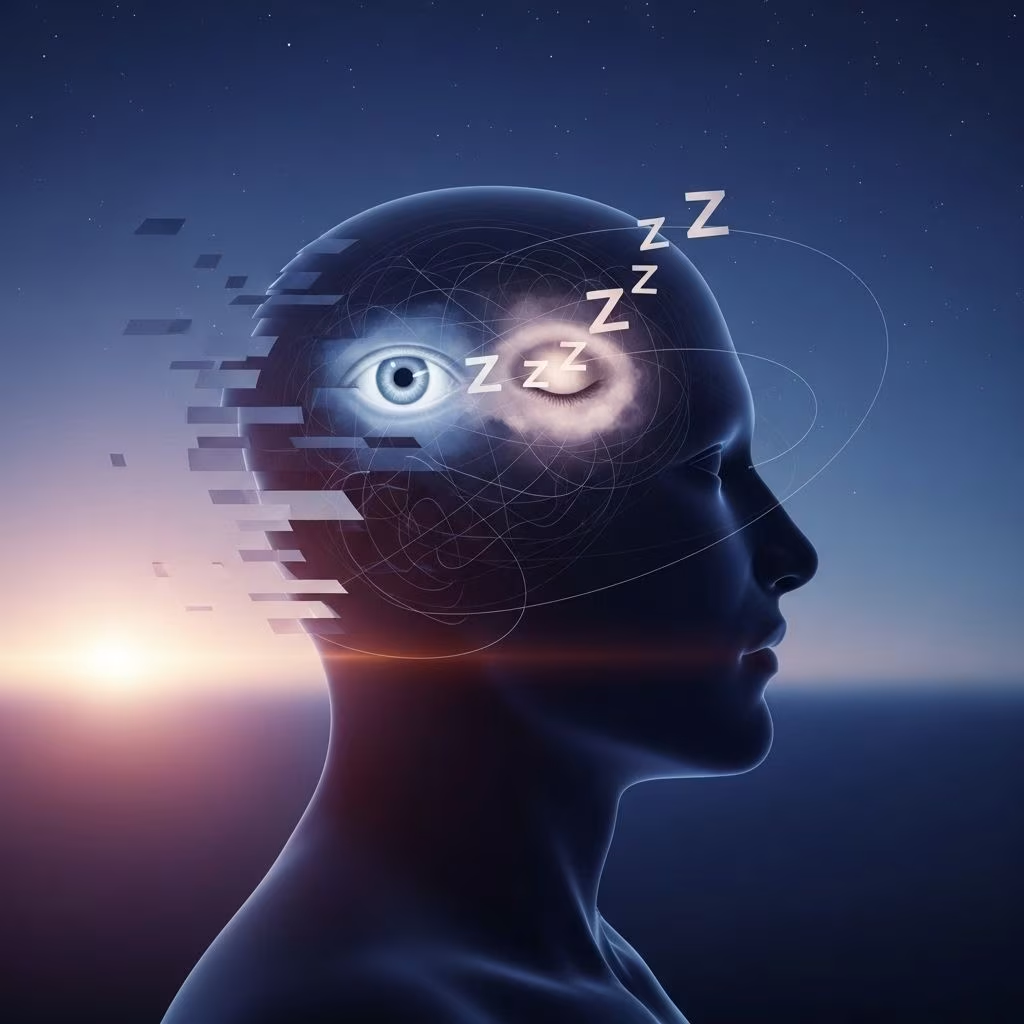
For many, insomnia means long, sleepless nights and exhausted days. However, a lesser-known variant, paradoxical insomnia, challenges what we think we know about sleep. Here, people firmly believe they lie awake most nights while evidence shows their bodies are, in fact, getting enough rest. Understanding this misunderstood disorder is key to effective support and treatment.
What Is Paradoxical Insomnia?
Paradoxical insomnia, previously known as sleep state misperception, is a puzzling sleep disorder where individuals consistently perceive themselves as severely sleep deprived—even though objective measurements reveal normal or near-normal sleep patterns. Despite feeling like they’ve barely slept, these individuals usually present none of the physical signs of sleep deprivation and can function normally in their daily lives. The condition is not well understood and often overlooked, sometimes leaving sufferers frustrated, anxious, and searching for answers.
- Individuals report poor sleep quality, few hours asleep, or total wakefulness throughout the night.
- Multiple studies show that, despite their experiences, overnight monitoring typically demonstrates normal sleep architecture and duration.
- This gap between subjective reports and objective evidence is the hallmark of the disorder.
- It is classified under insomnia disorders but is distinguished by the discrepancy between perception and physiological sleep.
How Is Paradoxical Insomnia Different?
| Feature | Paradoxical Insomnia | Conventional Insomnia |
|---|---|---|
| Subjective Sleep | Lack or poor quality, reports of wakefulness | Poor, typically matches objective findings |
| Objective Sleep (via polysomnography) | Normal sleep time and efficiency | Reduced total sleep time, longer sleep onset |
| Daytime Dysfunction | Usually mild or absent | Often present (fatigue, cognitive impairment) |
| Hallmark Symptom | Sleep misperception/misremembered wakefulness | Actual sleep deficit, confirmed by testing |
Key Symptoms and Signs
The essential symptom is the persistent belief in severe, chronic insomnia despite clear evidence of getting enough sleep. This can give rise to emotional distress and sometimes conflict with loved ones or caregivers who observe otherwise.
- Perceived inability to fall or stay asleep, lasting over months or years
- Recollection of wakefulness or restlessness throughout the night
- Minimal or absent daytime impairment despite “sleepless” nights
- Cognitive or emotional distress, such as frustration, worry, or low mood—often centered around sleep
- Occasional conflicts or disbelief from family, roommates, or clinicians due to lack of observed sleep issues
- Reports of insomnia symptoms without objective confirmation
- Higher risk of bedtime anxiety and increased preoccupation with sleep health
Additional Indicators
- Subjective reports of being awake despite video or EEG evidence of sleep
- Focus or obsession with sleep quality
- Difficulty accepting medical feedback that opposes personal experience
How Common Is Paradoxical Insomnia?
Determining the prevalence of paradoxical insomnia is challenging. Estimates range widely—from 8% to 66% of all insomnia cases, depending on the measurement criteria and study population. The broad variance is largely due to differences in diagnostic definitions and under-recognition in clinical practice.
- Most sleep specialists consider it uncommon in the general population
- It is believed to be more frequent in individuals who seek specialty sleep care
- The actual number may be underreported, as many people never undergo objective sleep studies
Paradoxical Insomnia vs. Paradoxical Sleep
The term “paradoxical sleep” refers specifically to the rapid eye movement (REM) stage of sleep. REM is known as paradoxical because the brain is highly active while the body is virtually paralyzed. However, paradoxical insomnia does not refer to REM sleep or REM disorders—they are entirely unrelated conditions distinguished by the specific nature of perceived versus actual sleep.
| Term | Meaning |
|---|---|
| Paradoxical Insomnia | Disorder where people perceive intense insomnia despite normal objective sleep |
| Paradoxical Sleep | REM sleep, characterized by high brain activity but physical stillness |
Causes and Risk Factors of Paradoxical Insomnia
The exact causes of paradoxical insomnia remain poorly understood. Research points to a combination of psychological, neurobiological, and possibly environmental factors.
- Brain Activity Differences: Studies show people with paradoxical insomnia often exhibit atypical brain wave patterns during sleep, especially more alpha, beta, and gamma wave activity in select brain regions while asleep.
- Mental Health Factors: Higher rates of anxiety, particularly bedtime anxiety, are commonly noted. Some research notes an association with depression or obsessive concerns about sleep.
- Brain Structure Differences: 2021 brain imaging research suggests differences in specific areas such as the nucleus accumbens, caudate, hippocampus, thalamus, putamen, and amygdala—regions involved in sleep regulation and self-perception.
- Genetic or Predispositional Vulnerabilities may increase the risk, though clear evidence is lacking.
- Stress and Hyperarousal: Heightened psychological stress or a state of chronic alertness (hyperarousal) may play a crucial role in maintaining distorted sleep perception.
Diagnosis: How Is Paradoxical Insomnia Identified?
Diagnosing paradoxical insomnia is complex, usually requiring specialized sleep assessment.
- Comprehensive Clinical Interview: The physician gathers a detailed sleep history, including typical sleep patterns, waking experiences, and daily functioning.
- Use of Sleep Diaries: Patients may be asked to keep a diary tracking sleep habits, perceptions, and associated emotional states over several weeks.
- Objective Sleep Testing (Polysomnography): An overnight sleep study is essential. Patients’ reports of wakefulness are contrasted against physiological findings (brain waves, breathing, movement, etc.).
- Exclusion of Other Sleep Disorders: Conditions like sleep apnea or restless legs syndrome must be ruled out beforehand.
- Identification of Discrepancy: Paradoxical insomnia is confirmed when there is a substantial mismatch between subjective complaints and objective findings—patients think they have little to no sleep, but evidence points to near-normal sleep architecture.
Crucially, no evidence of malingering, substance misuse, or psychiatric delusion is present. The person’s distress and perception are genuine, even if inaccurate.
How Does Paradoxical Insomnia Affect Daily Life?
Living with paradoxical insomnia can be emotionally distressing. Even though people are objectively sleeping, the ongoing sensation of sleeplessness can cause:
- Heightened anxiety and worry about health and daytime functioning
- Strained relationships with family or partners who observe no issues
- Frequent medical appointments or repeated sleep studies in search of an answer
- Avoidance of social, professional, or leisure activities due to sleep concerns
- Decreased confidence in one’s perceptions or memory
Treatment and Management Strategies
No standardized cure exists, but treatment for paradoxical insomnia aims to reduce distress, correct sleep misperception, and improve quality of life. Treatment approaches often include:
Cognitive Behavioral Therapy for Insomnia (CBT-I)
- CBT-I is considered the gold standard treatment. It addresses faulty sleep beliefs and modifies behaviors that contribute to the perception of insomnia.
- CBT-I for paradoxical insomnia focuses on recalibrating the mismatch between perceived and actual sleep, correcting exaggerated negative thinking about sleep (“catastrophizing”), and reducing anxiety around the sleep experience.
- Approaches often feature relaxation training, education about healthy sleep patterns, and setting realistic sleep goals.
Sleep Education & Reassurance
- Consistent communication and education from clinicians help patients recognize and accept discrepancies between subjective and objective sleep.
- Providing information on how perception can differ from physiological reality supports recovery and lessens distress.
Monitoring and Supportive Therapies
- Ongoing monitoring via sleep diaries or actigraphy can help both patient and provider track trends and align perceptions with reality.
- In challenging cases, support from a psychologist or sleep expert may include anxiety management or acceptance-commitment strategies.
Medications
- Pharmacological interventions are rarely first-line treatments.
- Occasionally, a physician may prescribe short-term sleep aids if comorbid objective insomnia or severe anxiety is present.
- However, because paradoxical insomnia is not caused by a physical inability to sleep, medications alone are unlikely to be effective long-term.
Lifestyle and Self-Help Tips
In addition to formal treatment, certain habits and adjustments may help:
- Maintain a consistent sleep schedule, even on weekends
- Cultivate a calming bedtime routine (e.g., gentle music, reading, relaxation)
- Avoid stimulants (like caffeine) or screen time near bedtime
- Practice mindfulness or breathing exercises for evening anxiety
- Focus on daily activities and avoid excessive self-monitoring of sleep
When to Seek Professional Help
If you believe you have severe insomnia but:
- Your daytime functioning remains stable
- Others observe that you appear to be sleeping
- You experience ongoing worry or confusion about your sleep
—consult a sleep specialist or healthcare provider. Accurate diagnosis is vital to avoid unnecessary treatments and reduce distress. Paradoxical insomnia is genuine and treatable, even if misunderstood.
Frequently Asked Questions (FAQs)
Q: Is paradoxical insomnia dangerous?
A: Paradoxical insomnia is generally not dangerous as it does not result in physical sleep deprivation. However, the ongoing emotional distress and anxiety can impact quality of life and mental health, making treatment and support essential.
Q: How can I know if my insomnia is paradoxical?
A: The defining sign is a significant gap between how much sleep you think you get and what objective testing shows. Keeping a sleep diary and undergoing a formal sleep study may help clarify the diagnosis.
Q: Will paradoxical insomnia go away on its own?
A: It may persist unless addressed with evidence-based therapies and education. Treatment, especially cognitive behavioral therapy for insomnia, can help realign perception and reduce distress.
Q: Are medications effective for paradoxical insomnia?
A: Medications are usually not the first choice because the primary issue is with perception, not the physical ability to sleep. Behavioral and psychological approaches are recommended first.
Q: Can paradoxical insomnia lead to other health problems?
A: While it does not typically cause the medical issues linked to chronic sleep deprivation, the anxiety and preoccupation with sleep may increase mental health concerns if not addressed.
References
- https://www.medicalnewstoday.com/articles/paradoxical-insomnia
- https://www.sleepfoundation.org/insomnia/paradoxical-insomnia
- https://my.clevelandclinic.org/health/diseases/paradoxical-insomnia
- https://www.medlink.com/articles/paradoxical-insomnia
- https://www.healthline.com/health/insomnia
- https://www.medicalnewstoday.com/articles/9155
- https://pmc.ncbi.nlm.nih.gov/articles/PMC7735141/
- https://pubmed.ncbi.nlm.nih.gov/29402512/
- https://biomedgrid.com/pdf/AJBSR.MS.ID.003578.pdf