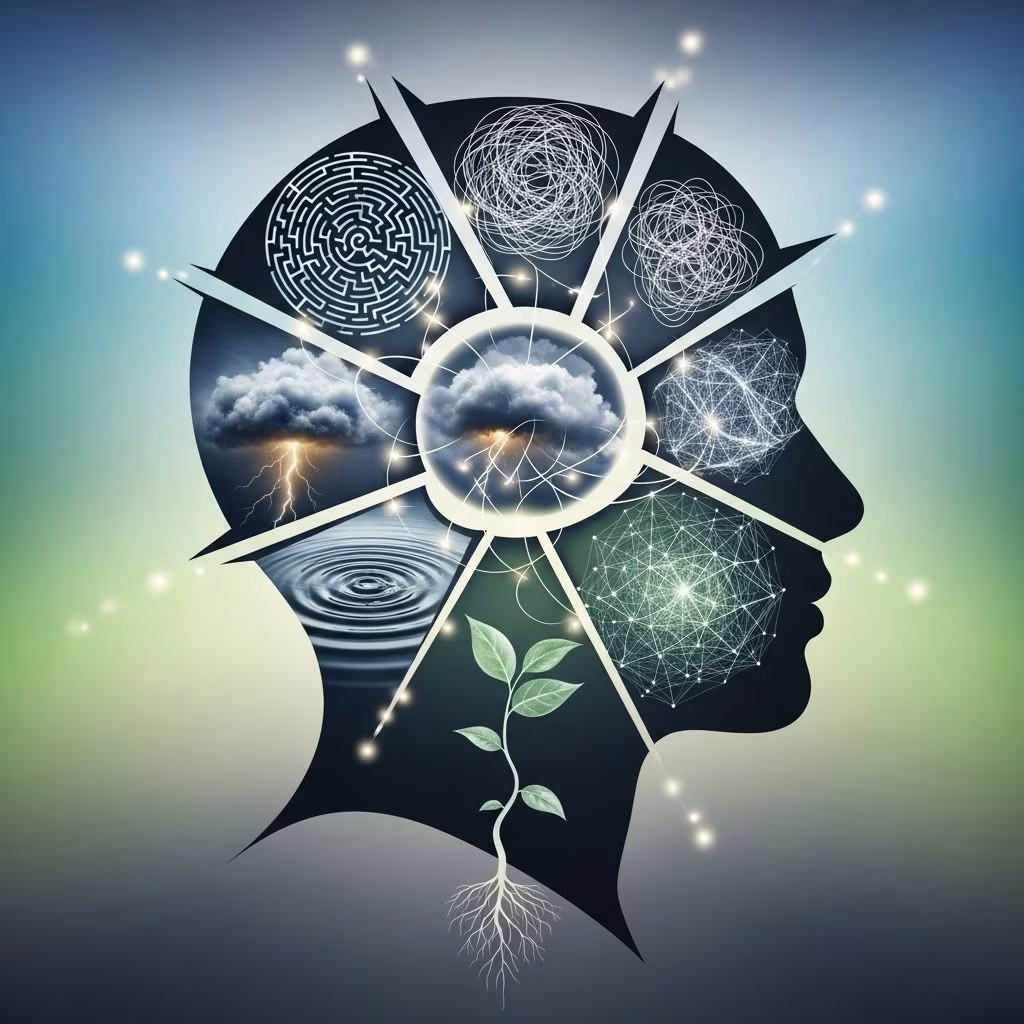
Personality disorders are enduring patterns of thoughts, feelings, and behaviors that deviate significantly from cultural expectations and cause distress or impairment in social, work, or other areas of functioning. These disorders are complex, often misunderstood mental health conditions that can severely impact a person’s life and relationships. This article provides a comprehensive overview of personality disorders, exploring their types, symptoms, causes, diagnosis, and available treatment options.
What Are Personality Disorders?
Personality refers to a person’s individual way of thinking, feeling, behaving, and relating to others. A personality disorder exists when these characteristics become so rigid and maladaptive that they interfere with daily life, relationships, or the ability to function in society. The patterns of behavior often emerge in adolescence or early adulthood and may be recognized as problematic by others, but those affected may not see their own behavior as unusual.
Types of Personality Disorders
Personality disorders are traditionally grouped into three broad clusters (A, B, and C) based on similarities in their key features. Each cluster contains several specific disorders characterized by different patterns of behavior. The recognized ten types of personality disorders are:
- Paranoid Personality Disorder
- Schizoid Personality Disorder
- Schizotypal Personality Disorder
- Antisocial Personality Disorder
- Borderline Personality Disorder
- Histrionic Personality Disorder
- Narcissistic Personality Disorder
- Avoidant Personality Disorder
- Dependent Personality Disorder
- Obsessive-Compulsive Personality Disorder
Cluster A: Odd or Eccentric Disorders
Cluster A comprises disorders characterized by odd, eccentric thinking and behavior. People with disorders in this cluster often struggle with social relationships and may appear unusual or peculiar to others.
- Paranoid Personality Disorder:
- Pervasive distrust and suspicion of others’ motives
- Reluctance to confide in others due to unwarranted fear of betrayal
- Interpretation of innocuous comments or events as malicious
- Frequent holding of grudges
- Unjustified doubts about the loyalty or trustworthiness of friends and associates
- Suspicion without basis that partner is unfaithful
- Schizoid Personality Disorder:
- Detachment from social relationships
- Preference for solitary activities
- Little desire for sexual experiences with another person
- Lack of close friends other than first-degree relatives
- Indifference to praise or criticism
- Emotional coldness and flattened affectivity
- Schizotypal Personality Disorder:
- Acute discomfort in close relationships
- Odd beliefs or magical thinking (e.g., believing their thoughts can alter reality)
- Unusual perceptual experiences (e.g., sensing someone’s presence when alone)
- Odd thinking and speech patterns
- Suspicious or paranoid thoughts
- Inappropriate or constricted emotional responses
Cluster B: Dramatic, Emotional, or Erratic Disorders
Cluster B disorders are marked by dramatic, overly emotional, or unpredictable thinking and behavior. Such individuals may have difficulty regulating emotions and may appear erratic or impulsive to others.
- Antisocial Personality Disorder:
- Disregard for the rights of others
- Repeated violation of laws or social norms
- Deceitfulness, lying, using aliases, or conning others
- Impulsivity and failure to plan ahead
- Frequent aggressiveness and irritability
- Consistent irresponsibility
- Lack of remorse after harming others
- Borderline Personality Disorder:
- Instability in interpersonal relationships, self-image, and emotions
- Intense episodes of anger, depression, and anxiety
- Efforts to avoid real or imagined abandonment
- Impulsive actions (e.g., spending, sex, substance misuse, reckless driving)
- Recurrent suicidal behavior or self-mutilation
- Chronic feelings of emptiness
- Histrionic Personality Disorder:
- Constant need for attention
- Excessive emotionality and dramatic behavior
- Inappropriately seductive appearance or behavior
- Easily influenced by others
- Shallow, rapidly changing emotions
- Preoccupation with physical appearance
- Belief that relationships are closer than they are
- Narcissistic Personality Disorder:
- Grandiosity, and need for admiration
- Lack of empathy for others
- Sense of entitlement
- Require excessive admiration
- Tendency to take advantage of others
- Arrogant, haughty attitudes or behaviors
- Often envious of others or believes others are envious of them
Cluster C: Anxious or Fearful Disorders
Cluster C includes disorders defined primarily by anxious and fearful behaviors. These individuals often avoid social situations due to fear of failure or rejection and may exhibit dependency or perfectionism.
- Avoidant Personality Disorder:
- Social inhibition, feelings of inadequacy
- Hypersensitivity to negative evaluation
- Avoidance of social activities and interpersonal contact due to fears of criticism or rejection
- Belief they are socially inept or inferior
- Reluctance to take personal risks or engage in new activities
- Dependent Personality Disorder:
- Excessive need to be taken care of
- Submissive and clinging behavior
- Difficulty making decisions without advice or reassurance from others
- Fears of being left to fend for themselves
- Difficulty disagreeing with others due to fear of loss of support or approval
- Obsessive-Compulsive Personality Disorder (OCPD):
- Preoccupation with orderliness, perfectionism, and control
- Inflexible about morals, ethics, or values
- Excessive devotion to work and productivity, to the exclusion of leisure activities
- Reluctance to delegate tasks unless done exactly their way
- Rigidity and stubbornness
- Unlike OCD, OCPD is not characterized by true obsessions and compulsions
Symptoms of Personality Disorders
Symptoms and signs can vary widely across the ten types and three clusters, but some common elements include:
- Chronic difficulties in relationships, work, or school
- Rigid, unhealthy patterns of thinking and behaving
- Difficulty adapting to changes or stress
- Problems recognizing or expressing emotions
- Impulsivity or emotional instability (Cluster B)
- Social withdrawal or unusual behaviors (Cluster A)
- Anxiety about social situations or dependency on others (Cluster C)
Causes and Risk Factors
The precise causes of personality disorders remain unclear. However, most experts agree that a combination of genetic, environmental, biological, and social factors contribute to their development. Risk factors can include:
- Genetics: Family history of mental health disorders may increase vulnerability.
- Childhood trauma: Physical, emotional, or sexual abuse or neglect in childhood.
- Environment: Chaotic family life, poor parental attachment, or unstable upbringing.
- Personality and temperament: Certain inherited personality traits.
- Brain differences: Variations in brain chemistry or structure may play a role.
Diagnosis of Personality Disorders
Diagnosing personality disorders requires a comprehensive evaluation by a mental health professional, typically a psychiatrist or psychologist. The process generally involves:
- Detailed personal and medical history: Understanding past mental health problems or symptoms.
- Interview with the patient: Exploration of thought patterns, feelings, and behaviors.
- Input from family or close friends: To gain outside perspective on the patient’s behavior and impact.
- Use of diagnostic criteria: Based on the latest edition of the DSM (Diagnostic and Statistical Manual of Mental Disorders).
It is important to distinguish personality disorders from other mental health conditions, substance use disorders, or medical illnesses that might influence behavior.
Treatment of Personality Disorders
While personality disorders can be challenging to treat, many people do benefit from therapy and in some cases, medications. The most effective treatment plans are tailored to the individual and may include:
- Psychotherapy (Talk Therapy):
- Cognitive-behavioral therapy (CBT): Helps identify and change unhealthy thoughts and behaviors.
- Dialectical behavior therapy (DBT): Particularly effective for Borderline Personality Disorder; focuses on emotion regulation and interpersonal effectiveness.
- Psychodynamic therapy: Explores unconscious patterns and past experiences that shape current behavior.
- Group or family therapy: May support relationship repair and understanding.
- Medications:
- No medications are specifically approved for personality disorders, but some symptoms—such as depression, anxiety, or impulsivity—can be treated with antidepressants, mood stabilizers, or antipsychotic drugs as needed.
- Hospitalization:
- May be considered in cases of severe symptoms, self-harm, or threat to others.
Ongoing support from mental health professionals, family, and peers can help individuals better manage symptoms and lead fulfilling lives.
Living with a Personality Disorder
With proper treatment and support, many people with personality disorders can improve their quality of life and relationships. Important strategies include:
- Maintaining regular contact with healthcare providers
- Learning about the specific diagnosis
- Participating in therapy and practicing coping skills
- Avoiding alcohol and drugs, which can worsen symptoms
- Building a strong support network
Preventing Personality Disorders
There is no certain way to prevent personality disorders, but some approaches may lower risk or reduce severity:
- Promote a nurturing, supportive environment in childhood.
- Recognize and treat emotional or behavioral issues early.
- Encourage healthy communication and coping skills.
- Seek professional help at the first signs of distress or dysfunction.
Frequently Asked Questions (FAQs)
Q: What is the difference between personality disorders and mood disorders?
A: Personality disorders are enduring patterns of behavior, cognition, and inner experience, while mood disorders such as depression or bipolar disorder involve significant disruptions in a person’s mood or affect, often with periods of normal functioning in between.
Q: Can personality disorders be cured?
A: While personality disorders are often long-term, symptoms can improve significantly with the right treatment and support. Many people learn to manage or reduce their symptoms over time and lead successful lives.
Q: How do I know if someone has a personality disorder?
A: Only a trained mental health professional can diagnose a personality disorder after a thorough assessment. However, persistent patterns of difficult behaviors, relationship problems, and inflexible reactions to situations may signal a need for professional evaluation.
Q: Is medication always necessary for personality disorders?
A: Not always. Medication may help with specific symptoms, like mood swings or anxiety, but therapy remains the primary treatment.
Q: What is the outlook for someone with a personality disorder?
A: With appropriate treatment and support, many people experience significant symptom relief, better relationships, and improved functioning, though progress can be gradual and ongoing.
References for Further Reading
- American Psychiatric Association – Diagnostic and Statistical Manual of Mental Disorders (DSM-5)
- Mayo Clinic – Personality Disorders: Symptoms and Causes
- MedlinePlus – Personality Disorders
References
- https://www.mayoclinic.org/diseases-conditions/personality-disorders/symptoms-causes/syc-20354463
- https://hopkinsmedicalassociation.com/medical-conditions/mental-health-treatment/personality-disorder/
- https://medlineplus.gov/personalitydisorders.html
- https://www.grandrisingbehavioralhealth.com/blog/the-cluster-system-of-personality-disorders-explained
- https://highlandhosp.com/what-are-personality-disorders/
- https://my.clevelandclinic.org/health/diseases/9636-personality-disorders-overview